
Overnight Pulse Oximetry Test: A Clear Guide for Home Oxygen Monitoring (2026)
Key Takeaways
- Overnight pulse oximetry tests track your oxygen and pulse levels while you sleep—helpful for uncovering hidden drops or irregularities.
- Modern devices like the Wellue O2RingS deliver continuous, accurate data with user-friendly reports and real-time vibration alerts if your oxygen runs low.
- Correct setup, placement, and regular cleaning are crucial for reliable results and device longevity.
- Your healthcare provider should help interpret results, especially if you notice repeated or severe drops in oxygen during the night.
Introduction: What Is an Overnight Pulse Oximetry Test?
For anyone worried about their oxygen levels while asleep, an overnight pulse oximetry test provides a simple window into how your body is performing through the night. Unlike spot checks, this test collects hundreds of readings as you sleep—helpful for uncovering patterns missed during the day. Doctors often recommend it if you have symptoms like morning headaches, unexplained fatigue, or a chronic respiratory condition.
How an Overnight Pulse Oximetry Test Works
At its core, pulse oximetry uses a small sensor—typically worn on your finger or as a ring—that shines light through your skin to estimate your blood’s oxygen saturation (SpO2) and records your pulse rate. Devices like the Wellue O2RingS and Smart Fingertip Pulse Oximeter measure these vital signs every second, logging trends throughout the night. Continuous monitoring is key: sudden drops or sustained low readings can flag issues like sleep apnea or nocturnal hypoxemia.
The O2RingS stands out for its comfort and accuracy, staying in place even for restless sleepers, while the Fingertip Pulse Oximeter offers a familiar clip-on design with strong app support. Both devices vibrate if your blood oxygen dips too low—giving you or your partner an instant heads-up, even before you feel symptoms.
Who Should Consider Overnight Oxygen Monitoring?
Overnight pulse oximetry is commonly advised for people at risk for sleep-disordered breathing (like obstructive sleep apnea), those with COPD or other chronic lung diseases, and anyone with unexplained nighttime symptoms. Nocturnal hypoxemia—where oxygen drops during sleep—often goes unnoticed but can worsen underlying conditions. If your doctor suspects these issues, or if you use sleep therapy devices (CPAP, APAP, or BiPAP), overnight monitoring is a practical way to assess treatment effectiveness at home. Insurance coverage varies, so check if your plan supports medically necessary monitoring devices.
Setting Up for Accurate Overnight Testing at Home
Choosing between a ring oximeter and a fingertip design often comes down to comfort and sleep habits. The O2RingS tends to be less intrusive for all-night wear, especially if you toss and turn. Here’s how to get started:
- Charge your device fully before bed. Pair it with the app if you want detailed reports in the morning.
- Place the sensor on a clean, dry finger (for fingertip) or slip the ring securely onto your finger (for O2RingS). Avoid tight or loose fits.
- Start the recording mode and ensure the device display shows normal signals before you settle in.
- Try to sleep as you normally do. Don’t worry if you wake up briefly—the device logs the entire night.
Common mistakes include loose sensors, cold fingers (which can reduce signal quality), or interruptions in recording. Avoid wearing nail polish or artificial nails on the monitored finger.
Understanding Your Overnight Oximetry Report
In the morning, most devices generate a clear report showing average, minimum, and maximum SpO2, pulse rate trends, and any desaturation events (periods when oxygen fell below a set threshold, often 90%). Key terms include:
- SpO2: Blood oxygen saturation, ideally above 92% overnight for most adults.
- Pulse rate: Heartbeats per minute, with wide swings potentially flagging arousals or irregular sleep patterns.
- Desaturation events: Drops in oxygen lasting at least several seconds—multiple events may suggest sleep-breathing issues worth discussing with your doctor.
Vibration alerts during the night can help you catch severe drops early. Always share abnormal or concerning trends with your healthcare provider, especially if you notice frequent or prolonged low readings.
Maintaining and Cleaning Your Pulse Oximeter
For hygiene and accuracy, clean your device’s sensor area daily with a soft, damp cloth and mild soap or alcohol wipe—never immerse it in water. Weekly, check for dust or buildup around the sensor and charging contacts. Recharge the battery fully before each use, and store the device in a cool, dry place. If you notice inconsistent readings or display errors, consult the user manual and, if needed, contact the manufacturer for support.
Choosing the Right Device: O2RingS vs. Fingertip Pulse Oximeter
| Feature | Wellue O2RingS | Smart Fingertip Pulse Oximeter |
|---|---|---|
| Form Factor | Ring-style, lightweight & secure for all-night wear | Clip-on, may shift on restless hands |
| Continuous Tracking | Yes – logs all night, second by second | Yes – can be used for overnight or spot checks |
| Vibration Alerts | Yes – customizable for SpO2 and pulse rate | Yes – for low SpO2 |
| Mobile App & Report Sharing | iOS/Android, easy export for doctor review | iOS/Android, reliable syncing |
| Best For | Comfort-focused, all-night trend tracking | Simple overnight checks, occasional spot readings |
| Limitation | Requires app setup, fit may vary by finger size | May be less stable for all-night use on restless sleepers |
| Buy & Review | Product Page | Product Page |
If you're unsure
If you wake up tired, have risk factors for sleep apnea, or your doctor has suggested overnight monitoring, the O2RingS is usually the more comfortable option for all-night use. If you only need occasional overnight checks or prefer a familiar design, the Fingertip Pulse Oximeter is a solid alternative. Both provide clear reports for you and your care team.
Key Considerations for Long-Term Home Oxygen Monitoring
For those using CPAP, APAP, or BiPAP therapy, pairing overnight pulse oximetry with your sleep device data offers a more complete view of your nighttime health. Syncing your oxygen trends with symptom notes and sharing reports with your provider can inform treatment decisions. It’s wise to repeat overnight testing if your symptoms change, your therapy is adjusted, or your doctor recommends a new assessment.
Who This Is For
This guide is for anyone considering home-based overnight oxygen monitoring: people with diagnosed sleep apnea, COPD, or chronic lung disease; those starting or adjusting sleep therapy; or individuals with unexplained nighttime symptoms. If you’ve been told to check your oxygen at night, or you’re seeking reassurance about your sleep quality, these devices offer practical, actionable insights.
Key Takeaways
- Overnight pulse oximetry tests are easy to use and can reveal silent oxygen drops during sleep.
- Accurate device placement and regular maintenance are essential for dependable results.
- Choose a device style that fits your comfort needs and reporting preferences.
- Always review your results with a healthcare professional if you see repeated or severe desaturations.
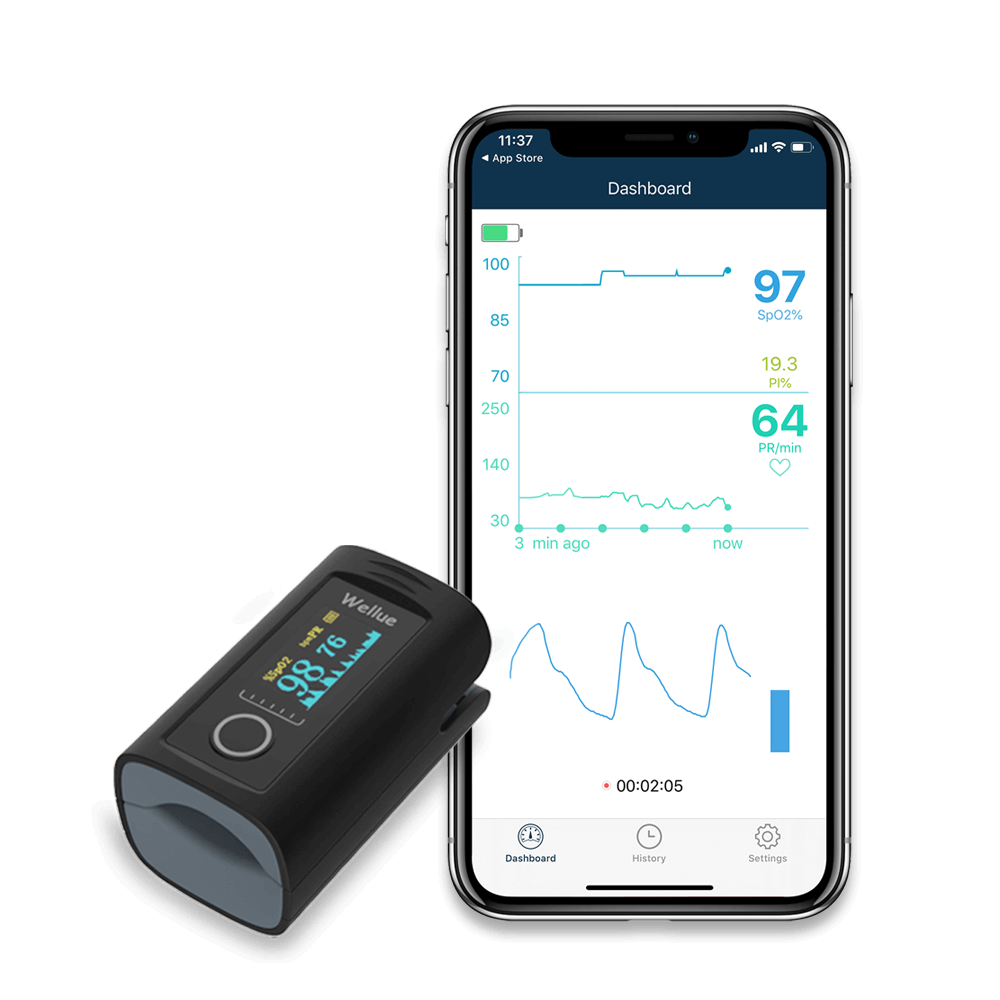
Product Images

Conclusion
An overnight pulse oximetry test is a practical, unobtrusive way to track your oxygen and pulse through the night—especially valuable for those managing sleep or respiratory conditions at home. The Wellue O2RingS is the top pick for most users needing reliable, all-night tracking with minimal disruption. For those preferring a classic design or a budget-friendly spot-check device, the Smart Fingertip Pulse Oximeter is a worthy backup. Always review your results with your healthcare provider to determine next steps.
Related reading
Sources and verification
Last checked: April 19, 2026
-
Wellue O2RingS | Upgraded Pulse Oximeter Ring with 24h Oxygen tracking | O2Ring S
☑ Checks your blood oxygen and heart rate every second. ☑ Vibration alerts for low blood oxygen or abnormal pulse rate. ☑ Wake up to easy-to-read reports you can trust, share, or bring to your doctor.
-
Wellue Bluetooth Wireless Fingertip Pulse Oximeter. iOS & Android APP. SpO2 & Pulse Rate. FDA Approved.
*Bluetooth Version is Currently Shipped in Random Color,Gray or Blue Got it on sale and the price was great. The display is nice, and for the price I expected the app to be garbage. But it synced quickly and painlessly. I'll also add that if you see the reviews complaining about the iOS app not having all the features, it did when I downloaded it. The only complaint I have is minor. Which is that for a right hand dominant person, you probably stick this on your left hand, and not all the screens render in a direction that reads right side up that way. If they could have it cycle between the screens AND mirrored versions of the screens it'd be great, but that's a minor gripe.
-
Reusable EtCO2 Water Filter of the 8-Inch Touchscreen Patient Monitor. – Wellue
Great quality! Including every accessory I need. The customer service is very nice and quick response. Appreciate it! The sidestream Etco2 sensor is accurate and durable, suitable for various complex environments. Compatible with our 8-inch touchscreen patient monitor. Plug and play, no zero-calibration required. Stable and durable. The sidestream Etco2 sensor is accurate and durable, suitable for various complex environments. Compatible with our 8-inch touchscreen patient monitor. Plug and play, no zero-calibration required. Stable and durable.
-
Medical Devices | FDA
The .gov means it’s official.Federal government websites often end in .gov or .mil. Before sharing sensitive information, make sure you're on a federal government site. The site is secure. The https:// ensures that you are connecting to the official website and that any information you provide is encrypted and transmitted securely. Helping innovators, providers, and patients reimagine the home as an integral part of the health care system.
-
High Blood Pressure - What Is High Blood Pressure? | NHLBI, NIH
An official website of the United States government Official websites use .gov A .gov website belongs to an official government organization in the United States. Secure .gov websites use HTTPS A lock ( A locked padlock ) or https:// means you’ve safely connected to the .gov website. Share sensitive information only on official, secure websites.
-
High blood pressure (hypertension) - Symptoms & causes - Mayo Clinic
High blood pressure is a common condition that affects the body's arteries. It's also called hypertension. If you have high blood pressure, the force of the blood pushing against the artery walls is consistently too high. The heart has to work harder to pump blood. Blood pressure is measured in millimeters of mercury (mm Hg). In general, hypertension is a blood pressure reading of 130/80 mm Hg or higher. The American College of Cardiology and the American Heart Association divide blood pressure into four general categories. Ideal blood pressure is categorized as normal.