
Overnight Pulse Ox Study: A Practical Guide to Home Oxygen Tracking in 2026
Key Takeaways
- Home overnight pulse ox studies offer clear insights into oxygen changes during sleep.
- Choosing a comfortable, continuous-read oximeter makes overnight tracking practical.
- Proper setup and understanding your readings help you make informed decisions—and catch issues early.
- Routine cleaning and careful report sharing keep your data accurate and useful.
- Always consult your care team if you spot unusual trends or symptoms.
Introduction: Why Consider an Overnight Pulse Ox Study at Home?
Sleep is when many health issues quietly emerge, especially those related to breathing and oxygen levels. Conditions like sleep apnea, COPD, and certain heart problems can cause your blood oxygen to dip dangerously overnight, often without you noticing. Overnight pulse ox studies offer a practical way to track these changes at home, providing peace of mind and actionable data for you and your healthcare provider. Whether you live with a known condition, use sleep therapy devices, or just want to better understand your sleep health, this guide will help you get started with confidence.
Who This Is For
- Anyone with sleep apnea, COPD, or other chronic respiratory concerns
- People using CPAP, APAP, or BiPAP therapy who want to verify effectiveness
- Those who have been advised to check oxygen overnight by their provider
- Caregivers monitoring loved ones for safety and reassurance
Understanding Overnight Pulse Ox Studies
What is an overnight pulse ox study?
An overnight pulse ox study uses a small wearable device to record your blood oxygen (SpO2) and pulse rate continuously while you sleep. Unlike a quick daytime check, it reveals trends, drops, and recovery patterns over many hours. This is especially useful because oxygen problems during sleep are often missed in the doctor’s office or with a one-time reading.
How is it different from standard daytime pulse oximetry?
Standard pulse oximetry provides a snapshot—useful, but limited. Overnight studies show the bigger picture: do your levels dip repeatedly? Do patterns line up with restless sleep, snoring, or breathing pauses? This continuous data is critical for conditions like obstructive sleep apnea, where brief but repeated drops matter more than daytime averages.
Commonly monitored conditions
- Sleep apnea
- COPD and other chronic lung diseases
- Heart rhythm problems
- Assessing sleep therapy device (CPAP/APAP/BiPAP) effectiveness
For anyone using a sleep therapy device, tracking overnight oxygen can show if your treatment is truly working—or if it needs adjustment.
Choosing the Right Pulse Oximeter for Overnight Use
Device types: Ring vs. Fingertip Pulse Oximeters
For overnight use, comfort and reliability matter most. Ring-style oximeters, like the Wellue O2RingS, are designed to stay put all night, reducing the chance of inaccurate or lost readings from movement. Fingertip models, such as the Wellue Smart Fingertip Pulse Oximeter, are more familiar to many, but may be less comfortable for continuous wear, especially if you move a lot in your sleep.
Key features for overnight tracking
- Comfort: A snug, non-restrictive fit is crucial for uninterrupted sleep.
- Continuous data: Devices should record all night, not just spot checks.
- Vibration alerts: Built-in alarms can alert you (or a caregiver) if your oxygen drops, even before symptoms appear.
- App integration: Good apps make it easy to view, download, and share your reports.
Comparison: Wellue O2RingS vs. Smart Fingertip Pulse Oximeter
| Feature | O2RingS Pulse Oximeter | Smart Fingertip Pulse Oximeter |
|---|---|---|
| Best For | Uninterrupted overnight SpO2 tracking Product page |
Occasional overnight use; quick daytime checks Product page |
| Comfort | Soft, flexible ring; stays secure | May slip or pinch; less comfortable for long wear |
| Alert Features | Vibration alerts for low oxygen or abnormal pulse | Standard display alerts; less discreet |
| Data & App | Detailed overnight trend reports, easy export | Quick syncing, but fewer overnight-specific features |
| FDA Cleared | Yes | Yes |
Product Spotlights

O2RingS Pulse Oximeter: Best for continuous, overnight SpO2 tracking. Its ring design means you’re far less likely to lose signal if you toss and turn, and vibration alerts offer a unique safety net if your oxygen dips while you sleep. While some people find ring fit takes getting used to, the comfort and ease of overnight data review are hard to beat. If you want a device you can trust to capture every overnight fluctuation, this is a reliable pick.
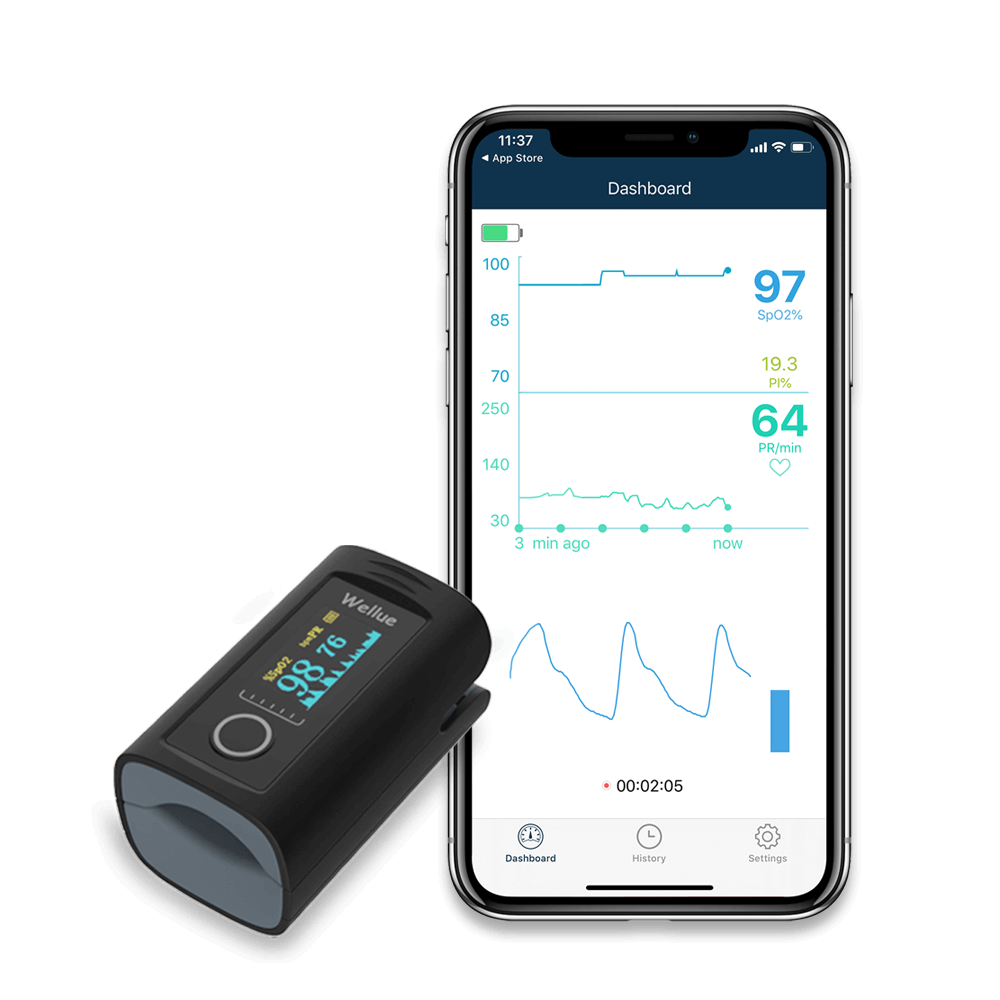
Smart Fingertip Pulse Oximeter: A good fit for those who want a low-cost, multi-use device for both overnight and daytime spot checks. It syncs quickly with phones and provides reliable, accurate data, though some users find it less comfortable for all-night wear and more prone to slipping off or losing contact. If you only need occasional overnight checks or want a budget-friendly backup, it's a practical option.
If You're Unsure
Not sure which fits your needs? If you plan to track oxygen every night—or have restless sleep—the O2RingS is typically more secure and easier to use overnight. For occasional checks or daytime monitoring, the Smart Fingertip model may suffice. Consider your sleep habits, comfort preferences, and how often you'll actually use the device overnight.
Setting Up Your Overnight Pulse Ox Study at Home
- Charge or install batteries before bedtime—low power can cause interruptions.
- Wash your hands and dry thoroughly for a clean sensor reading.
- Apply the device—ring on your preferred finger (O2RingS), or fingertip sensor snugly (Smart model).
- Check signal on the device/app before sleep to confirm a stable reading.
- Secure device cables (if any) to avoid tangling or accidental removal.
- Sleep as usual—avoid moving the device during the night if possible.
Common errors to avoid: loose fit, cold fingers, nail polish, and sleeping on your hands can all impact readings. If you notice gaps in your overnight data, these are often the culprits.
Interpreting Your Overnight Pulse Ox Study Results
- SpO2: Most healthy adults stay above 94% overnight, but small drops can be normal. Frequent dips below 90% are a red flag—especially if you feel tired or unwell.
- Pulse Rate: Watch for abnormal spikes or drops that may suggest arrhythmia or disrupted sleep.
- Trends: Look for repeated dips, patterns tied to certain times, or sudden drops after device movement (often a signal artifact).
If you see concerning results—like frequent dips below 90%, or symptoms like morning headaches, confusion, or chest discomfort—share your report with your medical team. Integrating your overnight pulse ox data with readings from your home ECG or blood pressure monitor can give a more complete picture for your care provider.
Best Practices for Cleaning, Maintenance, and Data Sharing
- Clean your device weekly with a gentle, non-alcohol wipe—especially before and after each use.
- Store in a dry, safe place; avoid extreme heat, cold, or moisture.
- Download and back up your reports periodically. Most apps let you export PDFs or CSV files to share with your doctor or keep for your records.
Troubleshooting Common Issues
- If your device loses signal: Reapply and ensure a snug fit; warm your hands if needed.
- If readings seem off: Clean the sensor, check batteries, and avoid using with cold fingers or nail polish.
- If your oximeter is frequently inaccurate, or the battery drains quickly, it may be time to consider a replacement—especially after a year or more of frequent use.
Conclusion: Gaining Sleep Confidence with Reliable Overnight Oxygen Tracking
Overnight pulse ox studies at home put valuable health data in your hands—without disrupting your sleep or your life. For most people, a device like the O2RingS offers the best blend of accuracy, comfort, and peace of mind. If you need a more flexible, cost-effective option, the Smart Fingertip Pulse Oximeter remains a solid alternative. Whichever you choose, consistent use, routine cleaning, and timely data sharing will help you and your care team stay on top of your sleep health.
Related reading
Sources and verification
Last checked: April 19, 2026
-
Wellue O2RingS | Upgraded Pulse Oximeter Ring with 24h Oxygen tracking | O2Ring S
☑ Checks your blood oxygen and heart rate every second. ☑ Vibration alerts for low blood oxygen or abnormal pulse rate. ☑ Wake up to easy-to-read reports you can trust, share, or bring to your doctor.
-
Wellue Bluetooth Wireless Fingertip Pulse Oximeter. iOS & Android APP. SpO2 & Pulse Rate. FDA Approved.
*Bluetooth Version is Currently Shipped in Random Color,Gray or Blue Got it on sale and the price was great. The display is nice, and for the price I expected the app to be garbage. But it synced quickly and painlessly. I'll also add that if you see the reviews complaining about the iOS app not having all the features, it did when I downloaded it. The only complaint I have is minor. Which is that for a right hand dominant person, you probably stick this on your left hand, and not all the screens render in a direction that reads right side up that way. If they could have it cycle between the screens AND mirrored versions of the screens it'd be great, but that's a minor gripe.
-
Reusable EtCO2 Water Filter of the 8-Inch Touchscreen Patient Monitor. – Wellue
Great quality! Including every accessory I need. The customer service is very nice and quick response. Appreciate it! The sidestream Etco2 sensor is accurate and durable, suitable for various complex environments. Compatible with our 8-inch touchscreen patient monitor. Plug and play, no zero-calibration required. Stable and durable. The sidestream Etco2 sensor is accurate and durable, suitable for various complex environments. Compatible with our 8-inch touchscreen patient monitor. Plug and play, no zero-calibration required. Stable and durable.
-
Medical Devices | FDA
The .gov means it’s official.Federal government websites often end in .gov or .mil. Before sharing sensitive information, make sure you're on a federal government site. The site is secure. The https:// ensures that you are connecting to the official website and that any information you provide is encrypted and transmitted securely. Helping innovators, providers, and patients reimagine the home as an integral part of the health care system.
-
High Blood Pressure - What Is High Blood Pressure? | NHLBI, NIH
An official website of the United States government Official websites use .gov A .gov website belongs to an official government organization in the United States. Secure .gov websites use HTTPS A lock ( A locked padlock ) or https:// means you’ve safely connected to the .gov website. Share sensitive information only on official, secure websites.
-
High blood pressure (hypertension) - Symptoms & causes - Mayo Clinic
High blood pressure is a common condition that affects the body's arteries. It's also called hypertension. If you have high blood pressure, the force of the blood pushing against the artery walls is consistently too high. The heart has to work harder to pump blood. Blood pressure is measured in millimeters of mercury (mm Hg). In general, hypertension is a blood pressure reading of 130/80 mm Hg or higher. The American College of Cardiology and the American Heart Association divide blood pressure into four general categories. Ideal blood pressure is categorized as normal.