Quick take
We break down who this device is best for, what it measures, and how it compares in the market.

Monitoring your oxygen levels overnight is one of the most reliable ways to understand the severity and pattern of sleep apnea at home. While CPAP and BiPAP machines address the root problem, a trustworthy pulse oximeter gives you and your care team actionable insights—especially when subtle changes in nighttime oxygen can go unnoticed. The right device is more than a number on a screen. It’s a tool for better conversations with your doctor and more informed decisions about your treatment plan.
Who This Is For
If you’re newly diagnosed with sleep apnea, adjusting your therapy, or want to track the effectiveness of your current sleep therapy device, this guide is for you. It’s also useful for anyone who wakes feeling unrefreshed, suspects oxygen dips at night, or needs to share overnight data with their healthcare team. If you struggle with finger probe discomfort or want hands-free monitoring, you’ll find practical options below.
Key Takeaways
- Continuous overnight pulse oximeters are crucial for detecting sleep apnea events.
- Comfort, accuracy, and reliable data tracking are key when selecting a device for overnight use.
- Wellue’s O2RingS and Bluetooth Fingertip models offer strong options, but fit and features should guide your choice.
- Understanding your oximeter’s reports—including pulse rate variability—empowers better health discussions.
- Proper setup, cleaning, and maintenance extend device life and ensure trustworthy results.
Understanding Pulse Oximetry for Sleep Apnea
Why Overnight Oxygen Monitoring Matters
Sleep apnea causes intermittent drops in blood oxygen, which often go unnoticed without specialized monitoring. Tracking oxygen saturation (SpO2) overnight helps identify these silent events, giving you and your doctor a fuller picture of your sleep health. Consistent, accurate overnight data is especially valuable for adjusting therapy or evaluating new symptoms.
How Pulse Oximeters Detect Sleep-Related Breathing Issues
Pulse oximeters measure your blood oxygen and heart rate by shining light through your skin, typically on a fingertip or as a wearable ring. For sleep apnea, a device that logs data continuously—rather than just spot checks—captures the dips and recoveries throughout the night that correlate with breathing interruptions.
Core Selection Criteria: How to Choose a Pulse Oximeter for Overnight Monitoring
Continuous vs. Spot-Check Monitoring
For sleep apnea, prioritize devices that offer uninterrupted, all-night recording with minute-by-minute or even second-by-second sampling. Spot-check oximeters (meant for daytime or brief checks) simply miss the overnight trends that matter most.
Accuracy, Sensitivity, and FDA Approval
Choose a device from a reputable manufacturer, and look for FDA-cleared models when available. Reliable accuracy is especially important for overnight use, when minor errors can mask or exaggerate true oxygen drops.
Comfort for All-Night Wear
Comfort can dictate whether you get usable data every night. Ring-style wearables like the Wellue O2RingS and options designed for smaller fingers help ensure the sensor stays in place without disrupting sleep.
App Connectivity and Report Sharing
If you need to review trends or share data with your doctor, look for models with robust app support and exportable reports. This is where modern devices outshine old-school basic oximeters.
Battery Life and Alert Features
Continuous monitors should last at least one full night per charge. Vibration alerts for low oxygen can be helpful for some users, but may not be necessary if you’re only reviewing the data after the fact.
Top Pulse Oximeters for Sleep Apnea: Decision-Focused Shortlist
Wellue O2RingS: Smart Ring Pulse Oximeter for Uninterrupted Sleep
The Wellue O2RingS is purpose-built for overnight tracking. Its discreet ring design fits securely, making it less likely to disturb sleep or slip off compared to fingertip probes. The O2RingS monitors oxygen and pulse every second, storing detailed trends for easy morning review. A standout feature is silent vibration alerts for low oxygen—helpful for those who want a gentle nudge without waking a bed partner. Setup requires a quick app pairing, but once configured, it’s essentially hands-off. This is the best choice for anyone wanting robust overnight data with minimal fuss.
Wellue Bluetooth Fingertip Pulse Oximeter: Versatility and App Integration
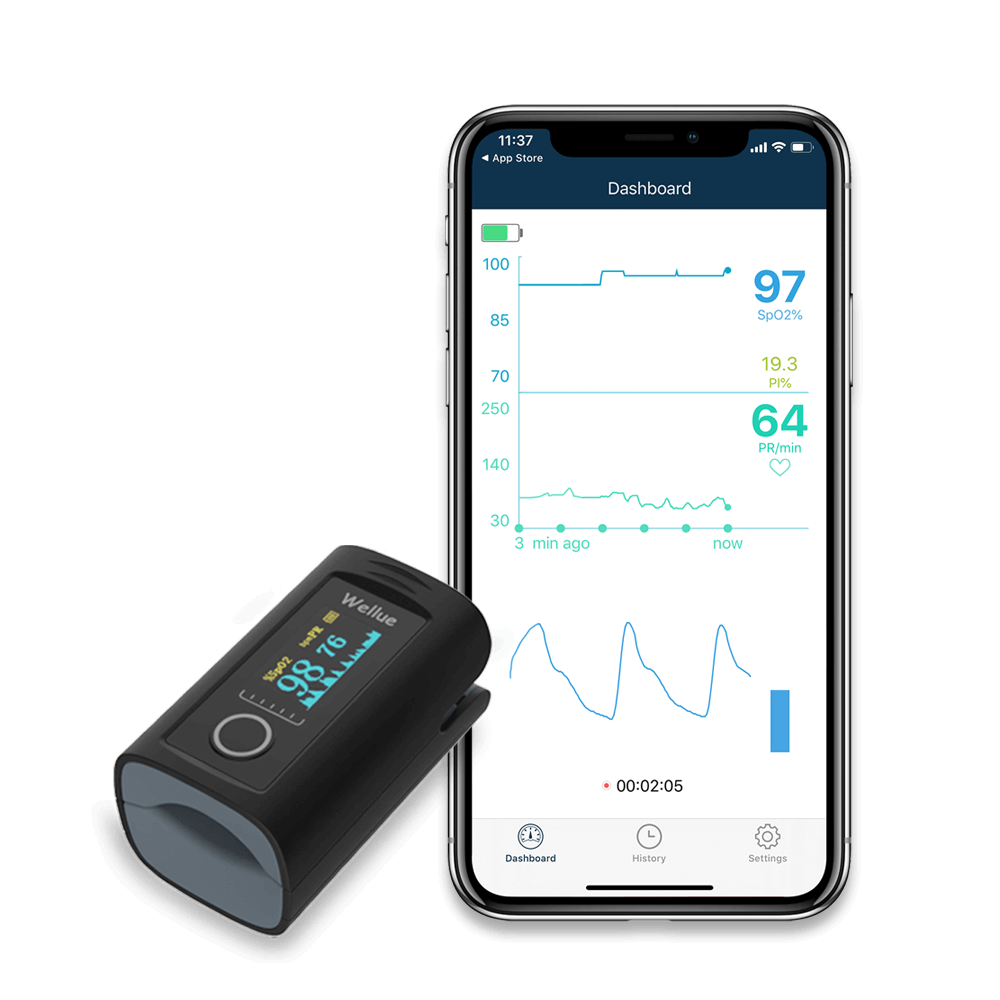
The Wellue Bluetooth Fingertip Pulse Oximeter offers a familiar form factor and is a smart pick for those who want flexibility for both day and night use. Its wireless connection allows for quick syncing with iOS or Android for report sharing. The display is bright and clear, though some users note the screen orientation can be awkward on certain fingers. This model is best for those who need a device for both overnight and spot checks or want a backup to a ring-style oximeter. The main drawback is comfort—some find the clip-style probe can pinch or slip during sleep, so consider your nighttime movement habits.
Oxygen Monitor for Small Fingers: Best Fit for Petite Users

If you have petite hands or find standard oximeters unreliable, the Oxygen Monitor for Small Fingers is a welcome alternative. Its specialized sizing ensures a snug fit, reducing the risk of inaccurate readings from loose sensors—a common complaint with traditional models. Like the O2RingS, it tracks overnight SpO2 and pulse and generates clear reports via app. The main limitation is its general wellness labeling, but for home trend tracking and sharing with your provider, it fills a unique niche. This is especially useful for teens, women, or anyone whose hands fall outside typical adult sizing.
Pulse Oximeter Alternatives for Overnight Use
If you consistently struggle with finger-based sensors—due to circulation, movement, or comfort—there are alternatives. Some users find wrist-based oxygen monitors or wearable sleep trackers with integrated SpO2 sensors helpful. However, ring and fingertip-style devices remain the leaders for medical-grade overnight oxygen monitoring at home, both for accuracy and data sharing. For those with persistent accuracy issues, consult your device specialist for additional recommendations.
Comparison Table: Key Features and Tradeoffs
| Device | Form Factor | Comfort | Best For | Overnight Data | Alerts | App/Sharing | Winner For | Actions |
|---|---|---|---|---|---|---|---|---|
| O2RingS | Ring wearable | Excellent, minimal disruption | Nighttime trend tracking | Continuous, second-by-second | Vibration (configurable) | Robust, easy export | Most users, uninterrupted sleep | |
| Fingertip clip | Good (varies by user) | Versatile: day & night | Continuous, minute-by-minute | Screen, app | App sync, flexible reports | Hybrid use, quick checks | ||
| Mini ring/clip | Best for petite hands | Teens, smaller adults | Continuous | App | App, export | Petite users, secure fit |
If you’re unsure: Choose the O2RingS if comfort and uninterrupted tracking matter most. Opt for the Bluetooth Fingertip model if you need flexibility for both day and night checks. Those with smaller fingers should look to the dedicated small-finger option for the best readings and comfort.
Understanding and Using Your Pulse Oximeter at Home
How to Avoid Inaccurate Readings and Fix Common Issues
Ensuring a snug (but not tight) fit is key. Cold fingers, nail polish, or moving during sleep can cause false readings. If your device seems off, warm your hands, clean your sensor, and check battery level. If issues persist, refer to your device’s support guide for troubleshooting tips on how to fix pulse oximeter inaccurate readings.
How to Interpret Pulse Rate Variability on Oximeter Reports
Pulse rate variability can fluctuate during sleep and is often higher in those with sleep apnea. Look for repeated dips or spikes—these may indicate apnea-related events. Bring your overnight reports (including heart rate trends) to your doctor to discuss how to understand pulse rate variability on oximeter data in your specific context.
How to Read and Share Overnight Oxygen Reports with Your Doctor
Most modern oximeters allow for easy report export via app. Focus on minimum SpO2, time spent below 90%, and the frequency of dips. Sharing this information helps your provider adjust therapy and spot trends over time.
Device Setup, Cleaning & Maintenance: Keeping Your Oximeter Reliable
Initial Setup and Best Practices
Follow manufacturer setup instructions. Pair the device with your phone, set your alert preferences, and perform a quick test run before your first overnight session. Regular firmware and app updates help maintain accuracy.
Routine Cleaning and Storage Tips
Wipe sensors with a soft, dry cloth or alcohol pad after use. Store in a cool, dry place. Avoid moisture and extreme temperatures. These simple steps help prevent inaccurate readings and extend device life.
When to Consider Alternatives or Additional Monitoring
Limitations of Pulse Oximeters for Sleep Apnea
Pulse oximeters don’t diagnose sleep apnea or capture non-desaturation events. If your symptoms persist with normal overnight oxygen, or you need more comprehensive sleep data, discuss other options—such as home sleep studies or adding a home ECG—with your clinician.
When to Seek Medical or Device Specialist Advice
If you notice frequent alarms, persistent low readings, or major changes in your overnight reports, consult your healthcare provider. They can interpret patterns, rule out device errors, and recommend whether more advanced monitoring is needed.
FAQs: Pulse Oximetry and Sleep Apnea Monitoring
Further Reading & Related Guides
- Overnight Oxygen Monitoring: How to Set Up and Interpret Reports
Recommendation: For most people seeking the best pulse oximeter for sleep apnea, the Wellue O2RingS offers the strongest balance of comfort, accuracy, and actionable reporting. If you need a versatile device or want to double as a daytime spot-checker, the Bluetooth Fingertip Pulse Oximeter is a reliable alternative.