
Shopping options
We may earn a commission if you buy through these links.
Home health monitoring has become a daily reality for many people who want better insight into their sleep, heart, and oxygen levels—whether for peace of mind, chronic condition tracking, or sharing data with their physician. Choosing the best budget pulse oximeter for home use isn’t just about finding the lowest price; it’s about selecting a device that’s accurate, comfortable, and practical for your nightly routine. Here’s how to navigate the options and make a smart, cost-effective choice for 2026 and beyond.
Key Takeaways
- Budget pulse oximeters can be reliable for spot-checking and basic overnight monitoring at home.
- Continuous tracking, app syncing, and alert features are worth the extra cost if you need overnight or long-term data.
- Look for comfort, data accuracy, and easy report sharing—especially for overnight use or sharing results with your doctor.
- Children and adults with small fingers should prioritize models with secure, accurate fit.
- Regular cleaning and proper setup keep your device performing at its best.
Understanding Pulse Oximeters: What Matters for Home Use
How Pulse Oximeters Work
Pulse oximeters use light sensors to measure the oxygen saturation (SpO2) in your blood and your pulse rate, usually via the fingertip or a wearable ring. For home use, simplicity and comfort are just as important as accuracy. Nearly all models suitable for home use provide quick spot checks, but continuous monitoring adds peace of mind for those with sleep or respiratory concerns.
Key Features for Home and Overnight Oxygen Monitoring
- Continuous SpO2 and pulse tracking (essential for overnight use)
- Reliable data accuracy and sensitivity
- Comfortable wearing design, especially for sleep
- App integration for easy report sharing
- Low-oxygen or abnormal pulse alerts
Medical-Grade vs. Wellness and Sports Models
FDA-cleared or medically certified models are generally preferred if you have a diagnosed condition or need to share data with a healthcare professional. However, many wellness-targeted oximeters now offer strong accuracy for general home use, especially for routine overnight monitoring.
Cost-to-Value Analysis: Where to Draw the Line
Budget vs. Premium Pulse Oximeters: Price Breakpoints
Most budget-friendly home oximeters are priced well below premium medical devices, often under $100. Premium options can exceed this—sometimes several fold—when they add features like 24-hour tracking, vibration alarms, or advanced report analytics.
Must-Have Features for Reliable Home Use
- Accurate SpO2/pulse readings (±2% accuracy)
- Secure, comfortable fit all night
- App support for viewing and exporting reports
- Simple setup and maintenance
When to Consider Paying for Premium Options
If you or your doctor need continuous data—such as for suspected overnight desaturation, sleep-related breathing issues, or trend monitoring—a device with automatic reporting and vibratory alerts is worth the investment. Otherwise, most users find that a reliable, app-connected fingertip or ring oximeter covers their needs for spot checks and basic night trends.
Top Picks: Best Budget Pulse Oximeters for Home Use (2026)
Wellue O2Ring S: Smart Ring Pulse Oximeter for Continuous Tracking
 For those prioritizing overnight oxygen monitoring, the O2Ring S stands out. Designed as a comfortable ring, it tracks your SpO2 and pulse every second and vibrates if your oxygen drops too low—making it ideal for anyone who needs continuous, hands-free data while sleeping. Its intuitive app makes it simple to export reports for your doctor. The main learning curve is app setup, but most users find it quick after the first sync. If you want peace of mind through the night with minimal disruption, this is your best budget-friendly bet for continuous tracking.
Wellue Bluetooth Fingertip Pulse Oximeter: Best App Integration
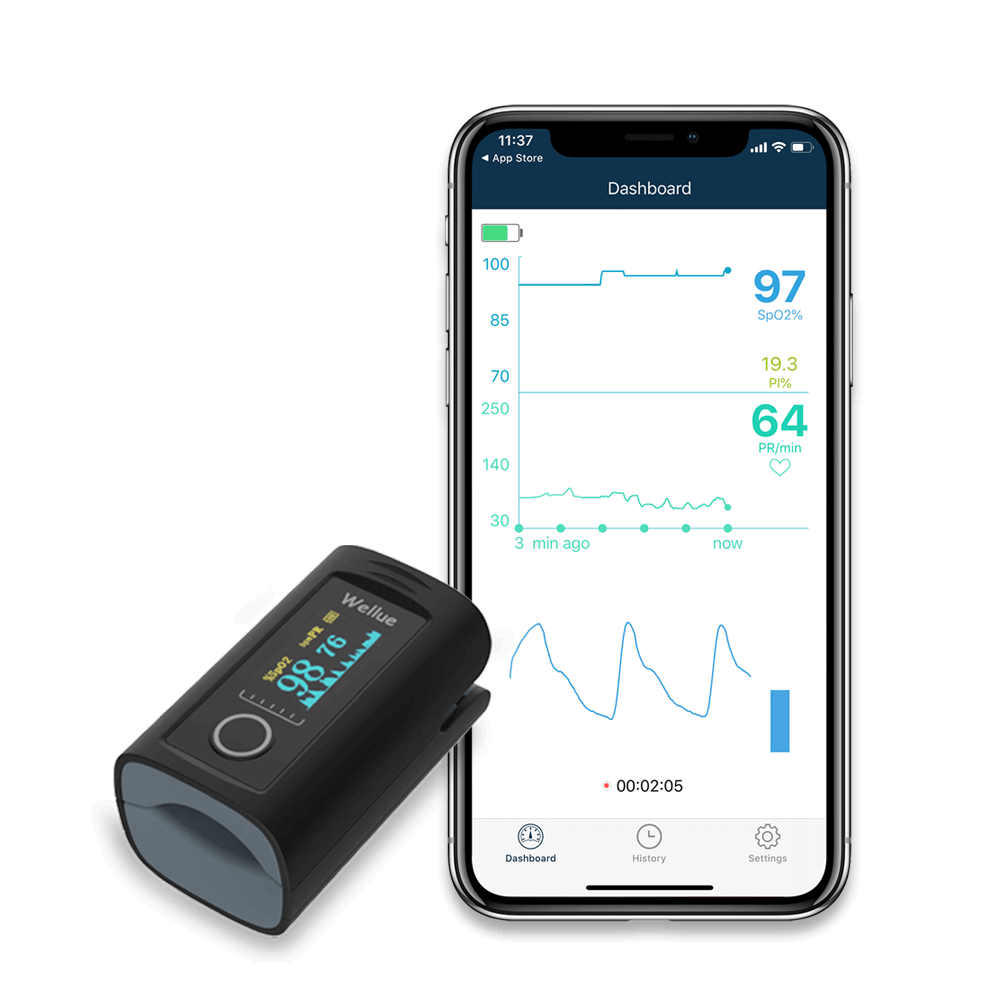 If you want a more traditional fingertip design with strong Bluetooth app support, the Wellue Smart Fingertip Pulse Oximeter delivers for its price. It’s easy to use, accurate, and pairs with iOS or Android in seconds. This model is best for users who want quick spot checks and occasional overnight monitoring, along with easy report export for doctor visits. Some right-handed users note that the screen orientation could be more flexible, but it’s a minor gripe for an otherwise high-value device.
Oxygen Monitor for Small Fingers: Best for Kids and Smaller Hands
 Securing a good reading can be tricky for children or adults with slender fingers. The Oxygen Monitor for Small Fingers solves this problem with a snug, child-friendly ring design. It offers the same continuous tracking and app features as the O2Ring S, but its fit is tailored for finger sizes down to 1.57" in circumference. While it’s marketed for wellness and sports, it provides reassuring overnight oxygen tracking for younger family members who need regular monitoring.
Feature Comparison Table: Budget Models vs. Premium Options
| Model | Best For | Continuous Tracking | Vibration Alerts | App/Report Export | Comfort | Price | Who Should Choose | Actions |
|---|---|---|---|---|---|---|---|---|
| O2Ring S | Overnight SpO2 | Yes | Yes | Yes | Ring, soft | Budget | Anyone needing overnight data; sleep tracking | |
| Bluetooth Fingertip | Spot checks + app | No | No | Yes | Fingertip clip | Lowest | General home use, fast checks | |
| Small Finger Ring | Kids/small hands | Yes | Yes | Yes | Ring, kids | Budget | Children, slender fingers | |
| Premium Medical Ring | Advanced sleep/medical | Yes | Yes + more | Full medical export | Custom fit | High | Chronic disease, complex needs |
How to Choose a Pulse Oximeter for Overnight Monitoring
Important Considerations: Comfort, Battery Life, Data Recording
For overnight monitoring, comfort is non-negotiable—select a ring or soft-clip design. Battery life should last at least one full night (most budget models do), and continuous data recording is key for sleep trend insights. If you only need occasional readings, a basic fingertip model suffices.
Who Needs Continuous Tracking vs. Spot Checks
If you’ve discussed overnight oxygen issues with your provider, or need to monitor for episodes of low saturation, opt for a device like the O2Ring S with continuous tracking and vibration alerts. For general wellness or peace of mind, spot-check devices can still be helpful but won’t provide full sleep data.
Sharing Reports with Your Doctor: What to Look For
App integration greatly simplifies exporting your data. Look for models that let you easily create and share PDF reports or screenshots, so you can email or bring your results to appointments. This can be especially helpful if you’re also considering how to choose a home ECG monitor for broader cardiac tracking.
Home ECG Monitoring vs. Holter Monitors: Do You Need Both?
Differences in Function and Use Case
Pulse oximeters focus on oxygen and pulse rate, while home ECG monitors record your heart’s electrical activity. A home ECG is generally used for detecting arrhythmias or rhythm disturbances, while a Holter monitor provides clinical-grade, continuous heart rhythm tracking over 24-48 hours. You may not need both unless your provider recommends it for a comprehensive sleep health assessment.
Combining Pulse Oximeters and Home ECG Monitors for Better Sleep Health
Some users benefit from using both overnight oxygen monitors and home ECG devices to get a fuller picture of sleep quality and potential cardiac issues. This is especially true if you’re comparing home ECG monitor vs. Holter monitor for your needs.
Device Setup, Report Reading, and Daily Maintenance Tips
Getting Started: Initial Setup for Home Pulse Oximeters
Most devices arrive ready to use—simply charge, pair with the app, and place on your finger or wrist. Take a baseline reading when you’re calm to get familiar with your numbers.
How to Interpret Overnight Oxygen Reports
Look for trends rather than obsess over single readings. Consistently low oxygen overnight deserves a conversation with your healthcare provider, especially if you’re using these devices for overnight oxygen monitoring.
Cleaning & Maintenance for Accurate Readings
Wipe sensors gently with a soft, dry cloth after each use. Avoid moisture and store in a clean, dry place. Proper care extends your device’s lifespan and ensures ongoing accuracy.
Who This Is For
If you want to monitor your blood oxygen at home—whether for sleep, exercise, or general health—a budget pulse oximeter with app support and reliable accuracy is usually enough. For overnight concerns or sharing reports with your doctor, opt for continuous tracking and exportable data. Kids or adults with slender fingers should seek models designed for smaller sizes.
If you’re unsure: Choose a simple fingertip oximeter for quick checks. For detailed overnight trends or peace of mind, upgrade to a ring model with continuous tracking and alerts.
When to Upgrade: Is It Time for a Premium Device?
Signs Your Current Budget Model May Not Be Enough
- Frequent device dropouts or inaccurate readings
- Uncomfortable to wear all night
- No way to export or share detailed reports
- Your doctor requests more granular or continuous data
Who Should Invest in Advanced Features
Anyone with diagnosed sleep or cardiopulmonary conditions, or those working closely with a physician to manage overnight oxygen levels, will benefit from features like vibration alerts, 24h tracking, or advanced export options. For most others, a reliable budget device is sufficient for home use.
Conclusion: Making the Smart Choice for Your Needs
The Wellue O2Ring S is the best budget pulse oximeter for home use if you need continuous, comfortable overnight tracking and easy report sharing. For quick checks and a lower price, the Bluetooth Fingertip Pulse Oximeter remains a top pick. Prioritize comfort, app support, and data accuracy—and always consult your healthcare provider if you notice concerning trends in your results.
Related reading
Sources and verification
Last checked: February 10, 2026
-
Wellue O2RingS | Upgraded Pulse Oximeter Ring with 24h Oxygen tracking | O2Ring S
☑ Checks your blood oxygen and heart rate every second. ☑ Vibration alerts for low blood oxygen or abnormal pulse rate. ☑ Wake up to easy-to-read reports you can trust, share, or bring to your doctor.
-
Wellue Bluetooth Wireless Fingertip Pulse Oximeter. iOS & Android APP. SpO2 & Pulse Rate. FDA Approved.
*Bluetooth Version is Currently Shipped in Random Color,Gray or Blue Got it on sale and the price was great. The display is nice, and for the price I expected the app to be garbage. But it synced quickly and painlessly. I'll also add that if you see the reviews complaining about the iOS app not having all the features, it did when I downloaded it. The only complaint I have is minor. Which is that for a right hand dominant person, you probably stick this on your left hand, and not all the screens render in a direction that reads right side up that way. If they could have it cycle between the screens AND mirrored versions of the screens it'd be great, but that's a minor gripe.
-
Oxygen Monitor for Small Fingers | Wearable Pulse Oximeter | Wellue
*This device is for General Wellness & Sports & Aviation use only and not intended for medical use. *This device is for General Wellness & Sports & Aviation use only and not intended for medical use. This ring is designed to provide a better, more secure fit for smaller finger sizes.
-
Medical Devices | FDA
The .gov means it’s official.Federal government websites often end in .gov or .mil. Before sharing sensitive information, make sure you're on a federal government site. The site is secure. The https:// ensures that you are connecting to the official website and that any information you provide is encrypted and transmitted securely. Helping innovators, providers, and patients reimagine the home as an integral part of the health care system.
-
High Blood Pressure - What Is High Blood Pressure? | NHLBI, NIH
An official website of the United States government Official websites use .gov A .gov website belongs to an official government organization in the United States. Secure .gov websites use HTTPS A lock ( A locked padlock ) or https:// means you’ve safely connected to the .gov website. Share sensitive information only on official, secure websites.
-
High blood pressure (hypertension) - Symptoms & causes - Mayo Clinic
High blood pressure is a common condition that affects the body's arteries. It's also called hypertension. If you have high blood pressure, the force of the blood pushing against the artery walls is consistently too high. The heart has to work harder to pump blood. Blood pressure is measured in millimeters of mercury (mm Hg). In general, hypertension is a blood pressure reading of 130/80 mm Hg or higher. The American College of Cardiology and the American Heart Association divide blood pressure into four general categories. Ideal blood pressure is categorized as normal.