
Sleep apnea is more than just snoring and restless nights; left unchecked, it can significantly impact heart health and daily life. As at-home health technology advances, many are turning to home ECG monitors to help screen for possible sleep apnea—especially when in-lab sleep studies are hard to access. But how can these devices support detection, and what should you really look for in your ECG report?
Key Takeaways
- Home ECG monitors can reveal heart rhythm changes that may point to sleep apnea but do not diagnose the condition directly.
- Look for overnight patterns such as heart rate variability, pauses, or irregular beats as potential red flags.
- Accurate placement and consistent overnight use are crucial for meaningful results.
- If your ECG report shows abnormalities or you have symptoms, always consult your doctor—these tools are for support, not diagnosis.
- ECG results are most informative when shared with your healthcare provider and combined with other sleep and health data.
Who this is for
If you suspect sleep apnea, have unexplained fatigue, or your doctor has suggested home rhythm monitoring, a home ECG can be a practical part of your screening toolkit. These devices are especially useful for those interested in tracking overnight heart changes or who need more data between clinic visits. However, they’re not a replacement for a full sleep study when a diagnosis is needed.
Introduction: The Role of Home ECG Monitors in Sleep Apnea Screening
Why combine ECG monitoring and sleep apnea detection?
Sleep apnea often goes undetected, as symptoms like daytime tiredness or loud snoring can be brushed off. However, sleep apnea frequently disrupts normal heart rhythms, especially at night. By recording ECG data overnight, you can spot patterns that may indicate your heart is under stress during sleep—potentially from breathing interruptions.
Limitations and strengths of home ECG monitors for sleep apnea support
While a home ECG monitor cannot confirm sleep apnea, it can reveal rhythm disturbances—such as pauses or irregular beats—that sometimes accompany apneic events. Used wisely, ECG monitoring is a supportive screening tool, not a standalone diagnostic method.
Understanding Sleep Apnea and Its Cardiac Signatures
What is sleep apnea? Key symptoms and risks
Obstructive sleep apnea (OSA) causes repeated breathing pauses during sleep, lowering oxygen levels and straining the heart. Untreated, it raises the risk for high blood pressure, arrhythmias, and even heart failure. Key signs include loud snoring, choking episodes at night, and persistent daytime fatigue.
How sleep apnea affects heart rhythm and ECG readings
During apneic episodes, the body’s oxygen drops and the heart compensates, often with sudden changes in heart rate and rhythm. This can show up in overnight ECGs as increased heart rate variability, bradycardia (slow heart rate) followed by surges, or arrhythmias—especially pauses or extra beats.
Can an ECG monitor detect sleep apnea directly?
No home ECG monitor can diagnose sleep apnea directly. What it can do is capture heart rhythm patterns that raise suspicion for disrupted sleep or breathing problems. You’ll still need a sleep study for formal diagnosis, but ECG findings can help guide when to seek further testing.
Choosing and Setting Up Your Home ECG Monitor
Features to look for in a home ECG for sleep apnea support
- Continuous Recording: Overnight or multi-hour logging is essential for sleep screening. Devices like the 24-Hour ECG Monitor excel here.
- Comfortable Wear: Soft, secure electrodes or patches make it feasible to wear all night.
- Easy Report Export: Look for devices offering app integration or PDF export, so you can share data with your provider.
- AI-Enhanced Analysis: Some monitors, such as the Wellue line, use AI to flag irregular rhythms automatically.
Step-by-step setup: Preparing your ECG monitor for overnight use
- Charge your device fully before bedtime.
- Clean and dry your skin where electrodes attach (chest or wrist, depending on model).
- Apply electrodes or patches, ensuring firm, comfortable contact. Avoid bony areas and hair when possible.
- Start recording just before you go to sleep. Check that device lights or app indicators confirm logging.
- Silence alerts, if possible, to avoid sleep disruption.
Ensuring accurate and comfortable overnight monitoring
Loose connections lead to noisy data. Secure all wires and position the device to minimize movement. If you’re a restless sleeper, consider adhesive patches or a monitor with flexible leads.
Using an ECG Monitor for Sleep Apnea Detection at Home
Recording your ECG overnight: Best practices and troubleshooting
For meaningful data, aim for at least six hours of continuous recording. If a lead disconnects, reattach and continue—short gaps are common but don’t invalidate the session. Review your device’s log the next morning for dropped signals or gaps.
Which ECG patterns may indicate possible sleep apnea events?
- Pauses or Bradycardia: Repeated slowdowns or brief stops in heart rate can occur after apneic episodes.
- Sudden Heart Rate Surges: Quick jumps in rate may reflect arousals from sleep.
- Increased Variability: Varying beats per minute over the night may be a clue to disrupted breathing.
These are indirect signs—many other conditions can cause similar findings. Still, if you’re using an ECG monitor for sleep apnea at home, these are the patterns to note.
How AI analysis can help flag abnormal overnight rhythms
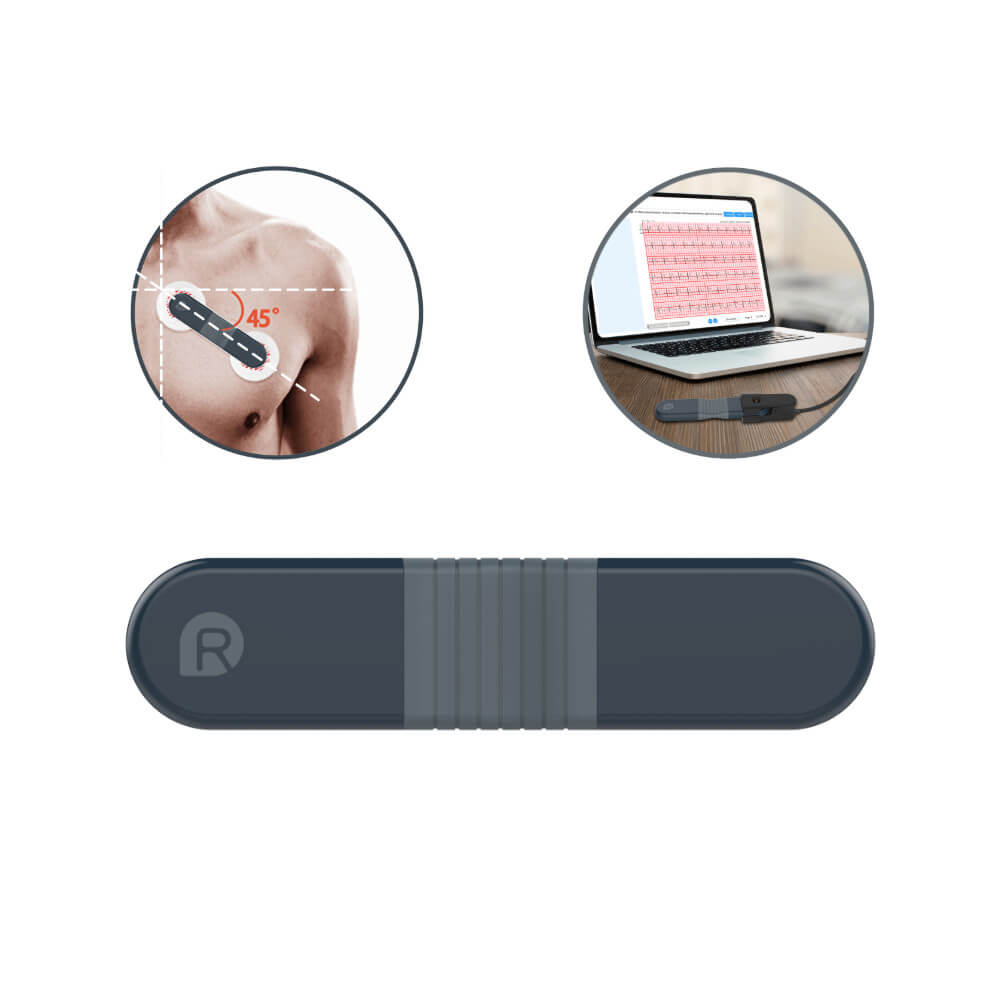
Modern monitors, like Wellue’s 24-Hour ECG Monitor, use AI algorithms to scan for arrhythmias or abnormal patterns automatically. This helps you spot potential concerns quickly, even if you’re new to reading ECGs.
Interpreting ECG Reports for Sleep Apnea Support
Reading your overnight ECG report: What to look for
After a night of monitoring, your device will generate a report—often with a summary and highlighted events. Focus on:
- Number and duration of pauses or arrhythmias
- Heart rate trends: are there sudden drops or spikes?
- Any flagged irregularities by the device’s AI (often shown in summary sections)
Common findings: Heart rate variability, arrhythmias, and pauses
Many home users see brief arrhythmias or pauses unrelated to sleep apnea, but clusters of events during sleep periods are more concerning. Markers like high heart rate variability or frequent bradycardia may warrant further discussion with your provider.
When to consult your doctor about your ECG results
Any report showing repeated pauses, unexplained arrhythmias, or findings flagged as “abnormal” should be reviewed by your healthcare professional. If you experience symptoms like chest pain, shortness of breath, or fainting, seek immediate care.
Limitations, Safety, and When to Seek Medical Advice
What home ECG monitors cannot diagnose about sleep apnea
No ECG monitor—no matter how advanced—can confirm sleep apnea. They cannot measure airflow, oxygen drops, or the number of breathing pauses per hour. Use ECG as a guide for when to pursue a full sleep study.
Red flags: When ECG findings warrant urgent attention
Severe bradycardia, long pauses, or sustained arrhythmias may signal serious heart issues unrelated to sleep apnea. If you see these or feel unwell, don’t wait—contact your healthcare provider promptly.
The role of a sleep study and other diagnostic tools
Home ECG monitoring is best viewed as a support tool. Only a formal sleep study (polysomnography or home sleep apnea test) can diagnose sleep apnea and guide treatment.
Device Care: Cleaning, Maintenance, and Data Management
Keeping your ECG monitor clean and ready for use
Wipe down the device and leads after each use with a soft, slightly damp cloth. Replace adhesive patches as directed. Regular cleaning prevents skin irritation and maximizes device life.
Managing and sharing data with your healthcare provider
Most modern ECG monitors, including the Wellue series, allow you to export reports as PDFs or share data securely via their apps. Organize your reports by date and bring them to appointments for review.
Long-term storage and device performance tips
Store your ECG monitor in a cool, dry place. Keep firmware updated and check batteries or charging status regularly to ensure it’s ready when you need it.
Summary: The Value of Home ECG Monitoring in Sleep Apnea Support
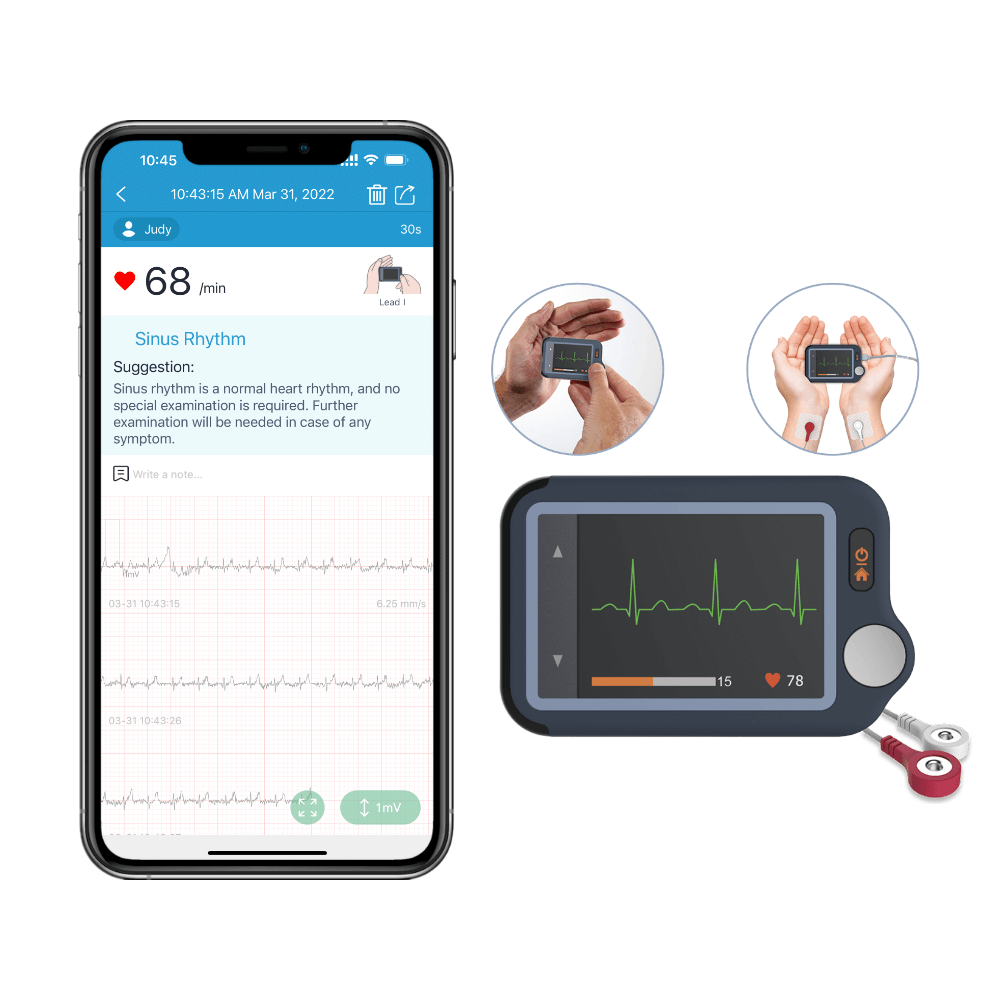
While a home ECG monitor cannot diagnose sleep apnea outright, it is a powerful tool for capturing overnight heart rhythm changes that may indicate sleep disruption. With proper setup and regular use, you can gain valuable insights—especially when device reports are reviewed by your healthcare team. If you’re seeking more context or support before a sleep study, a 24-hour ECG monitor is the best all-around choice for overnight tracking. For those wanting quick rhythm snapshots, a touchscreen ECG monitor is a solid alternative.
If you're unsure which device is right for you
If your main goal is to capture overnight changes and support sleep apnea screening, choose a device that offers continuous recording and comfortable overnight wear, like the 24-Hour ECG Monitor. If you’re only interested in occasional rhythm checks or want something extremely portable, the Touchscreen ECG Monitor is simple and effective—but won’t capture a full night of data.
Related reading
Sources and verification
Last checked: February 10, 2026
-
24-Hour ECG Monitor with AI Analysis, Continuous ECG/EKG Monitoring at Home – Wellue
Most portable long-term ECG monitor with AI analysis. Most portable long-term ECG monitor with AI analysis. Help to capture heart abnormalities that are hard to detect during an electrocardiogram (ECG)
-
ECG Management System – Wellue
ECG data management for Biocare 12-lead ECG machines: 12-lead ECG tablet, iE300 3-channel ECG machine, iE6 6-channel ECG machine, iE12A 12-channel ECG machine. It is composed of the installation U disk, the USB dog driver and a set of serial port cable. And The U disk includes ECG Management installation program and the dongle program modules. • Compatible with Windows XP, Win7, Win8, Win10, Vista in 32/64 bit;• Connect with all Biocare ECGs by different ports: RS-232, USB, LAN and WIFI;• Support single file or batched files imported from ECGs;• Huge data storage and management capability;• High accuracy electronic ruler for ECG files re-analysis and re-edit;• Powerful standard and customized diagnosis templates;• Multiple file formats to export: XML, DICOM, BMP, JPG, PDF;• Support A4 paper printing.
-
Personal ECG Monitor with AI Analysis. Get ECGs & Results on Touchscreen or APP. – Wellue
Take ECG on your palm or take noise-free ECG with external cable as you like. Enable to take ECGs for kids with external cable. 30 seconds/60seconds/5minutes recording duration for choose.
-
Medical Devices | FDA
The .gov means it’s official.Federal government websites often end in .gov or .mil. Before sharing sensitive information, make sure you're on a federal government site. The site is secure. The https:// ensures that you are connecting to the official website and that any information you provide is encrypted and transmitted securely. Helping innovators, providers, and patients reimagine the home as an integral part of the health care system.
-
High Blood Pressure - What Is High Blood Pressure? | NHLBI, NIH
An official website of the United States government Official websites use .gov A .gov website belongs to an official government organization in the United States. Secure .gov websites use HTTPS A lock ( A locked padlock ) or https:// means you’ve safely connected to the .gov website. Share sensitive information only on official, secure websites.
-
High blood pressure (hypertension) - Symptoms & causes - Mayo Clinic
High blood pressure is a common condition that affects the body's arteries. It's also called hypertension. If you have high blood pressure, the force of the blood pushing against the artery walls is consistently too high. The heart has to work harder to pump blood. Blood pressure is measured in millimeters of mercury (mm Hg). In general, hypertension is a blood pressure reading of 130/80 mm Hg or higher. The American College of Cardiology and the American Heart Association divide blood pressure into four general categories. Ideal blood pressure is categorized as normal.