
Home ECG monitoring isn’t just for adults—many families now use these devices to track heart rhythm in children or teenagers. Whether your child has a known heart condition or you’re following your doctor’s advice to monitor symptoms, choosing the right ECG monitor for pediatric use requires careful consideration. This guide takes you through the essentials, from feature selection to practical safety tips, so you can make a confident, informed decision for your family in 2026.
Key Takeaways
- Pediatric home ECG monitors should be age-appropriate, comfortable, and clinically reliable.
- Consult your child's healthcare provider before choosing any device.
- Key features include accurate data, easy-to-read reports, and secure data sharing for children.
- Proper maintenance and safety practices are essential for long-term home use.
- Always prioritize devices with FDA clearance and pediatric-specific instructions.
Who This Is For
This guide is for parents and caregivers seeking a safe, effective ECG monitor for children or teenagers at home. If your child’s doctor has recommended home rhythm monitoring, or if you want to understand pediatric options before discussing them with your provider, you’re in the right place.
Understanding Home ECG Monitors for Children
What Is a Home ECG Monitor?
A home ECG (electrocardiogram) monitor is a portable device that records the electrical activity of the heart. Unlike hospital-grade, 12-lead systems, home models are designed for spot checks or extended rhythm monitoring, often using fewer leads and simplified interfaces.
Why Pediatric Use Requires Special Consideration
Children’s bodies and hearts are smaller and their rhythms can differ from adults. Devices must fit comfortably, capture accurate signals, and be safe for young users. Pediatric home ECG buying guides always recommend checking for age-appropriate features and medical clearance.
Common Reasons for Pediatric Home ECG Monitoring
- Intermittent palpitations or fainting episodes
- Ongoing management of diagnosed arrhythmias
- Follow-up after cardiac procedures
Essential Features to Look for in a Pediatric Home ECG Monitor
Age-Appropriate Sizing and Comfort for Children and Teens
Look for models with flexible lead placement or adjustable straps. Some monitors, like the Touchscreen ECG Monitor, offer external cables that make it easier to obtain clear readings on smaller bodies.
Recording Duration: Spot Checks vs. 24/72-Hour Monitors
For quick checks after symptoms, a device offering 30-second or 1-minute recordings is convenient. However, if your doctor wants to capture infrequent events, a 24-Hour ECG Monitor is more suitable, logging heart activity over a full day or longer.
Data Accuracy and AI Analysis Capabilities
Reliable pediatric ECG monitors provide clinical-grade data and often include AI-based rhythm analysis. This helps flag potential arrhythmias for your provider’s review, but it’s not a substitute for a formal diagnosis.
Ease of Use: Touchscreen, App Integration, and Report Access
Consider devices with intuitive displays and the ability to sync with an app for easy report sharing. This is particularly helpful for teens who may want some independence in managing their health.
Safety, FDA Clearance, and Pediatric Suitability
Always verify that the monitor is FDA-cleared or listed, and review the manual for any pediatric-specific warnings or setup steps.
How to Choose: Step-by-Step Pediatric Home ECG Buying Guide
- Consult Your Child’s Healthcare Provider First: This is non-negotiable. Your doctor will guide device selection and help interpret results.
- Compare Portable and Wearable ECG Devices: Portable models are easy to use for spot checks, while wearable monitors suit longer, continuous monitoring.
- Understand Electrode Options: Some children tolerate adhesive patches well, others need soft straps or external cables for comfort and cooperation.
- Evaluate App and Data Management: Check if the device allows easy download and secure sharing of reports, which is especially useful for ongoing specialist care.
- Budget, Warranty, and Ongoing Support: Consider total cost, warranty terms, and whether customer support is available for setup or troubleshooting.
If you’re unsure, start with a simpler device—such as a spot-check ECG monitor—unless your child’s provider recommends continuous recording. Prioritize comfort and ease of use, especially for younger children or those who may feel anxious about medical devices.
Comparison Table: Home ECG Monitors for Pediatric Use
| Product | Best For | Recording Duration | Comfort/Child Fit | Report Sharing | Limitation | Actions |
|---|---|---|---|---|---|---|
| Continuous monitoring | Up to 24-72 hours | Wearable, adjustable | App + export | Learning curve for setup | ||
| Quick spot checks | 30s/60s/5min | Cable for kids; palm or cable use | App + export | Manual, non-continuous |
Reading and Sharing Pediatric ECG Reports
How to Interpret Basic Home ECG Results
Most devices flag irregular rhythms and provide clear visuals. However, these results are for informational purposes only—always share reports with your child’s provider for interpretation.
When to Contact Your Child’s Doctor
If a report shows an abnormality or if symptoms occur, contact your provider promptly. Never make care decisions based solely on the device’s summary.
Exporting, Printing, and Sharing Reports Securely
Choose a monitor that lets you export data via app or USB. The ability to print or securely email reports greatly streamlines communication with your medical team.
Device Maintenance and Pediatric Safety Tips
Cleaning and Caring for ECG Monitors Used by Children
Wipe down surfaces after every use, especially if your child has sensitive skin. Follow manufacturer guidance for cleaning electrodes and cables.
Battery Life, Storage, and Childproofing Devices
Keep devices charged and store them out of reach when not in use. Ensure all detachable parts are accounted for to avoid choking hazards with younger children.
Top Considerations: ECG Monitor for Children vs. Adult Devices
Special Pediatric Needs vs. General Home ECG Options
Pediatric home ECG monitors prioritize smaller electrode spacing, flexible leads, and extra comfort. Adult-focused devices may fit poorly or deliver less reliable readings in children.
Long-Term Monitoring and Follow-Up for Young Patients
If your child requires extended observation, opt for a monitor capable of 24-hour or longer recording. Check that data management systems can securely store and retrieve historical data for ongoing care.
Product Spotlights
24-Hour ECG Monitor
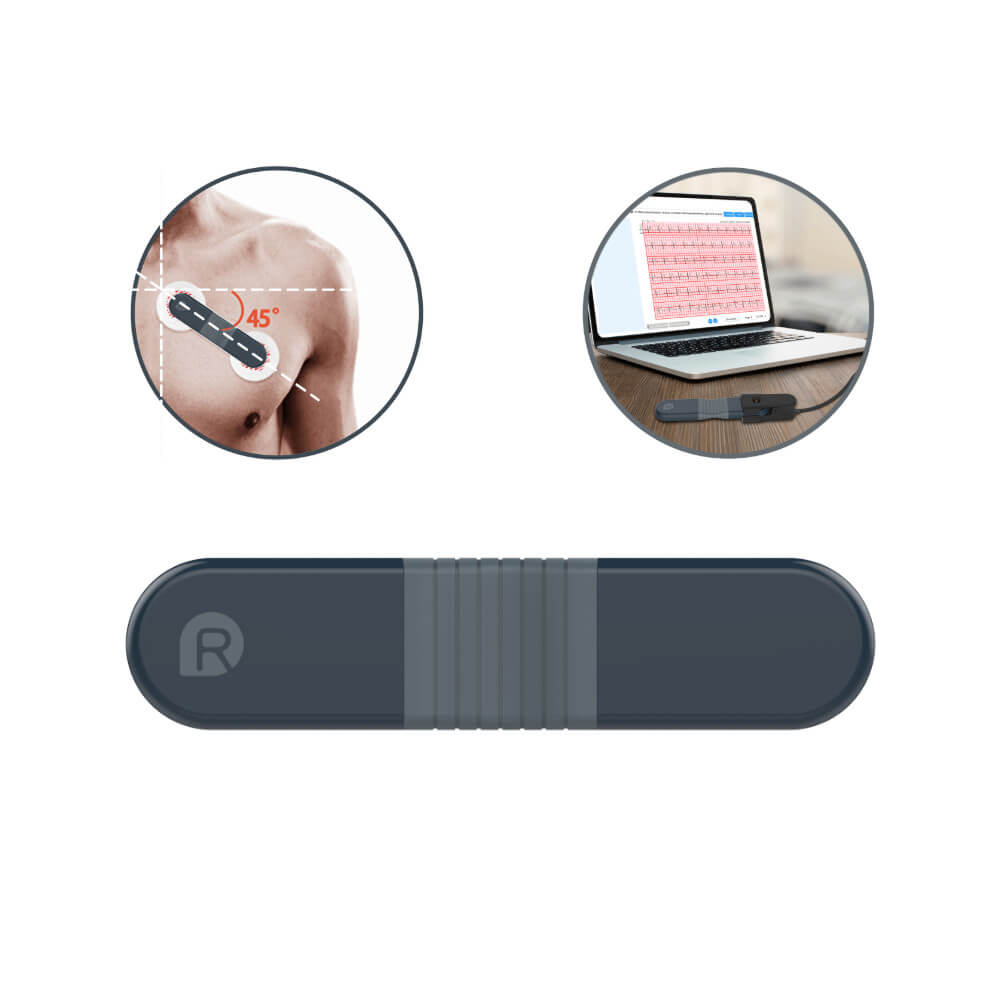 For children who need continuous rhythm tracking, this device is ideal. It excels at capturing intermittent symptoms that might be missed by shorter spot checks. The portable, wearable design lets kids go about daily routines with minimal disruption, and AI-based analysis highlights potential issues for your provider's attention. However, initial setup can take some time to master. This is best for families managing diagnosed arrhythmias or unexplained fainting episodes under medical supervision.
Touchscreen ECG Monitor
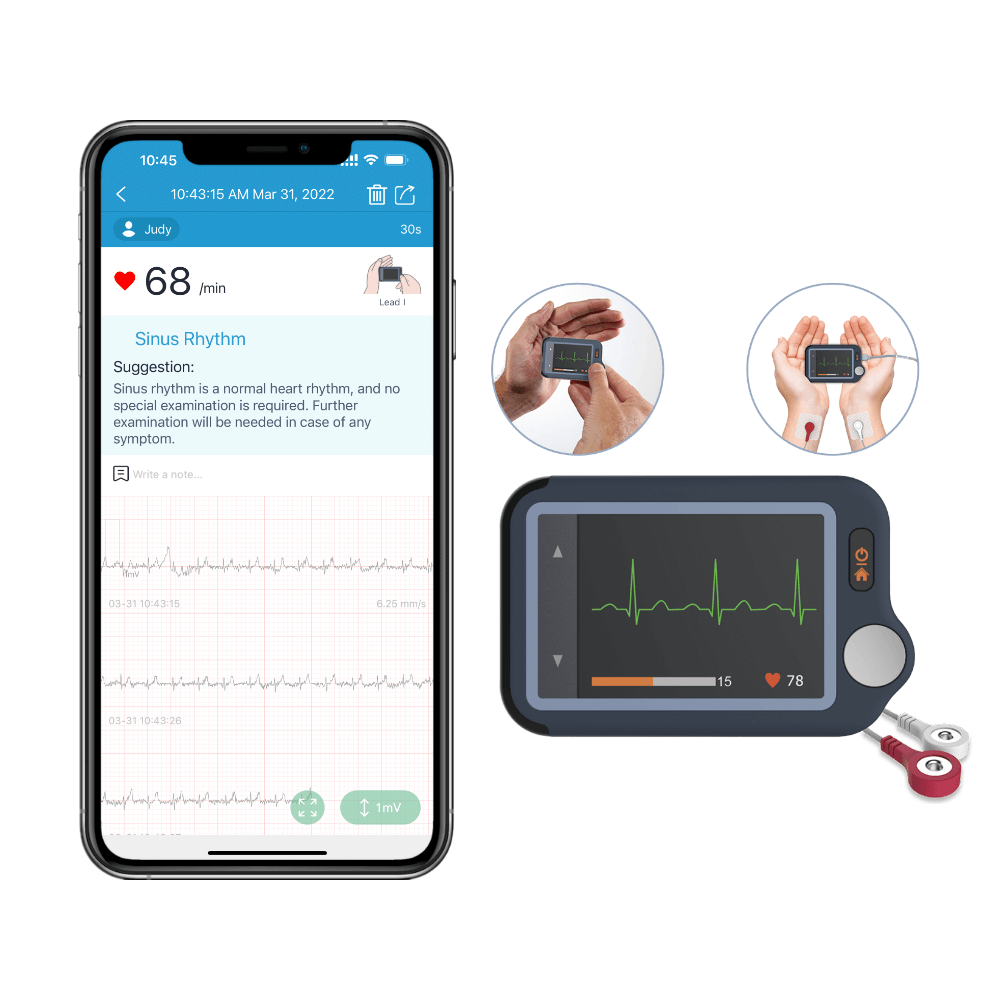 When you need a quick snapshot of your child’s heart rhythm, this portable device delivers. The external cable option makes it suitable for smaller hands and chests, offering flexibility for different ages. Reports are easy to generate and share with your doctor, making follow-up a breeze. Just keep in mind it's not designed for continuous monitoring—so it's best for routine spot checks or when your doctor wants a specific symptom captured.
Conclusion: Making the Right Choice for Your Family
The ideal ECG monitor for children is one that fits comfortably, provides accurate data, and is easy to use for both parents and young patients. If you need long-term monitoring, the 24-Hour ECG Monitor stands out for its continuous tracking and robust feature set. For families seeking a simpler, flexible device for occasional use, the Touchscreen ECG Monitor is a strong alternative. Always consult your child’s healthcare provider before starting any home rhythm monitoring—and prioritize devices designed with pediatric needs in mind.
Related reading
Sources and verification
Last checked: February 10, 2026
-
24-Hour ECG Monitor with AI Analysis, Continuous ECG/EKG Monitoring at Home – Wellue
Most portable long-term ECG monitor with AI analysis. Most portable long-term ECG monitor with AI analysis. Help to capture heart abnormalities that are hard to detect during an electrocardiogram (ECG)
-
ECG Management System – Wellue
ECG data management for Biocare 12-lead ECG machines: 12-lead ECG tablet, iE300 3-channel ECG machine, iE6 6-channel ECG machine, iE12A 12-channel ECG machine. It is composed of the installation U disk, the USB dog driver and a set of serial port cable. And The U disk includes ECG Management installation program and the dongle program modules. • Compatible with Windows XP, Win7, Win8, Win10, Vista in 32/64 bit;• Connect with all Biocare ECGs by different ports: RS-232, USB, LAN and WIFI;• Support single file or batched files imported from ECGs;• Huge data storage and management capability;• High accuracy electronic ruler for ECG files re-analysis and re-edit;• Powerful standard and customized diagnosis templates;• Multiple file formats to export: XML, DICOM, BMP, JPG, PDF;• Support A4 paper printing.
-
Personal ECG Monitor with AI Analysis. Get ECGs & Results on Touchscreen or APP. – Wellue
Take ECG on your palm or take noise-free ECG with external cable as you like. Enable to take ECGs for kids with external cable. 30 seconds/60seconds/5minutes recording duration for choose.
-
Medical Devices | FDA
The .gov means it’s official.Federal government websites often end in .gov or .mil. Before sharing sensitive information, make sure you're on a federal government site. The site is secure. The https:// ensures that you are connecting to the official website and that any information you provide is encrypted and transmitted securely. Helping innovators, providers, and patients reimagine the home as an integral part of the health care system.
-
High Blood Pressure - What Is High Blood Pressure? | NHLBI, NIH
An official website of the United States government Official websites use .gov A .gov website belongs to an official government organization in the United States. Secure .gov websites use HTTPS A lock ( A locked padlock ) or https:// means you’ve safely connected to the .gov website. Share sensitive information only on official, secure websites.
-
High blood pressure (hypertension) - Symptoms & causes - Mayo Clinic
High blood pressure is a common condition that affects the body's arteries. It's also called hypertension. If you have high blood pressure, the force of the blood pushing against the artery walls is consistently too high. The heart has to work harder to pump blood. Blood pressure is measured in millimeters of mercury (mm Hg). In general, hypertension is a blood pressure reading of 130/80 mm Hg or higher. The American College of Cardiology and the American Heart Association divide blood pressure into four general categories. Ideal blood pressure is categorized as normal.