
For athletes, monitoring heart rhythm isn’t just about health—it’s about optimizing performance and recovery. Training at a high intensity can place unique demands on the heart, and subtle changes in rhythm may signal overtraining, dehydration, or the need for a change in regimen. A reliable home ECG monitor puts actionable cardiac insights in your hands, without waiting for a clinic appointment.
Key Takeaways
- Athletes benefit from home ECG monitoring by gaining early insights into heart rhythm changes related to intense training.
- Key features for athletes include rapid sampling, portability, reliable data accuracy, and clear app integration.
- FDA clearance and AI-powered analysis help ensure trustworthy, actionable results from your home ECG monitor.
- Comparing models by battery life, data storage, and comfort helps find the best ECG monitor for sports monitoring needs.
Who This Is For
If you compete, train at high intensity, or just want to track your cardiac performance during workouts and recovery, this guide is for you. It’s also ideal for coaches and sports enthusiasts who want quick, reliable insights without relying on clinic visits.
Why Athletes Need Home ECG Monitoring
Unique Cardiac Demands of Athletes
During intense physical activity, the heart adapts by beating faster and sometimes irregularly. While most rhythm changes are benign, athletes remain at risk for conditions that are best caught early. Home ECG for sports monitoring allows you to spot patterns that might otherwise go unnoticed.
Benefits of Home ECG for Sports Monitoring
Monitoring at home means you can assess your rhythm before, during, and after training sessions. This continuous or on-demand data supports more personalized training and can help in discussions with coaches or healthcare providers.
Early Detection of Arrhythmias and Overtraining
Some arrhythmias only show up under physical stress. Routine ECG checks can highlight trends or warning signs early, potentially helping you adjust before minor issues become setbacks.
Crucial Features in an Athlete-Focused Home ECG Monitor
Rapid Sampling Rates for High-Intensity Activity
Look for a device that samples at a high frequency—this is crucial for capturing the rapid heart rate changes during workouts. Cheaper models may miss subtle irregularities during peak exertion.
Portability and Wearability for On-the-Go Monitoring
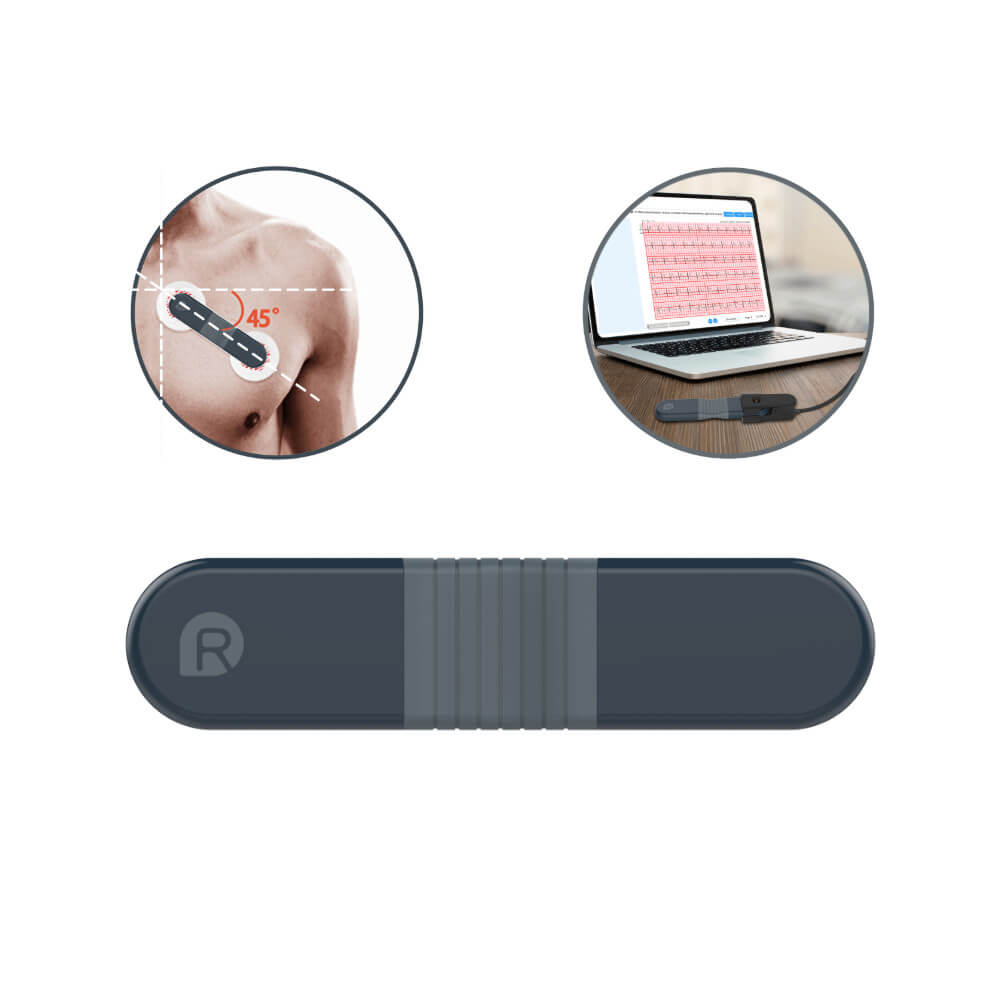
Whether you want continuous monitoring during long runs or quick spot-checks before and after a game, the device should be lightweight and easy to wear. Devices like the 24-Hour ECG Monitor excel here with discreet, cable-free designs.
Continuous vs. Spot-Check Monitoring: Which Suits Your Sport?
Endurance athletes may need long-duration (24-72 hour) monitoring, while those wanting fast feedback after a sprint can do well with spot-check models. Match your sport and training style to the monitoring mode.
Battery Life and Data Storage Needs
Battery life is rarely a concern for spot-checks, but continuous monitors should last through your longest training blocks. Adequate onboard storage ensures you won’t lose data during extended sessions.
Intelligent Analysis: AI and Report Interpretation
Modern ECG monitors often include AI-driven analysis. This isn’t a substitute for a professional read, but it does highlight potential concerns and makes sharing data with coaches or doctors easier.
Evaluating Accuracy and Reliability for Athletic Use
FDA Clearance and Medical-Grade Standards
Choose devices with clear regulatory approvals. The FDA’s medical device database is a good place to check (FDA Medical Devices). Devices cleared for home use are more likely to provide reliable, reproducible results.
ECG Lead Configurations: 1-Lead vs Multi-Lead for Athletes
Single-lead monitors suffice for rhythm tracking and arrhythmia screening. Multi-lead devices offer more detail but are bulkier and less practical for active use.
Noise Reduction and Artifact Management During Movement
Movement can create signal noise. Choose monitors with good artifact rejection, especially if you plan to record ECGs during or immediately after exercise.
Ease of Use: Setup, Sync, and Data Management
Quick Device Setup and Comfortable Fit
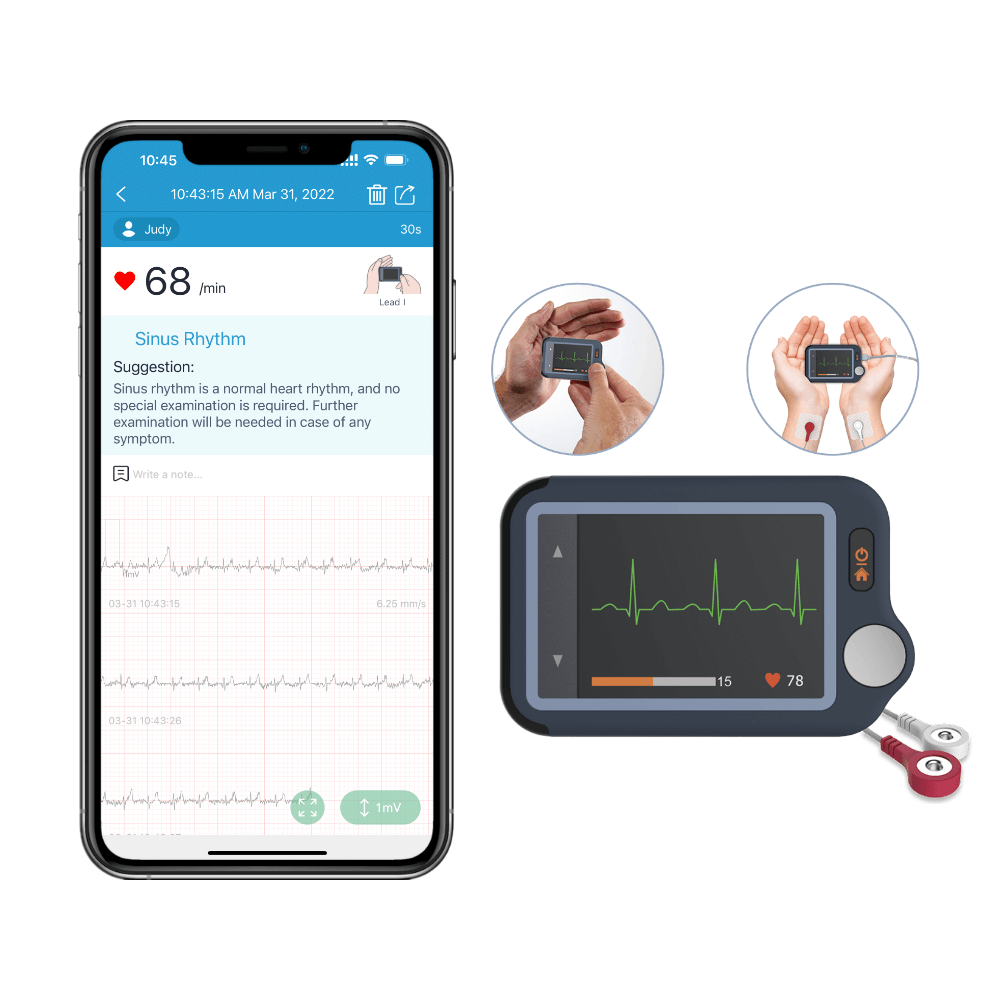
Setup should take minutes, not hours. Look for clip-on or strap-style units that don’t distract you during movement. The Touchscreen ECG Monitor is a good example of this streamlined approach.
App Integration and Real-Time Feedback
Real-time feedback is invaluable. Many monitors now pair with mobile apps, letting you review results on the spot and track trends over time.
Exporting, Sharing, and Managing ECG Reports
Some devices let you export reports as PDFs or images, making it easy to share with your coach or physician. Consider whether you need cloud storage, local export, or both.
Best Practices for Device Cleaning and Maintenance
After workouts, sweat and dirt can affect performance. Wipe surfaces with a soft, damp cloth and avoid harsh cleaners. Follow the manufacturer’s guidelines for keeping electrodes and cables functional.
Best ECG Monitor Options for Athletes in 2026
Top Picks: Most Portable and Feature-Rich Models
| Product | Best For | Monitoring Mode | App Integration | Battery Life | Price Range | Quick Verdict | Actions |
|---|---|---|---|---|---|---|---|
| Long-duration, continuous tracking | Continuous (24-72h) | Yes | Up to 72 hours | $$ | Best for endurance athletes or anyone needing deep, round-the-clock rhythm analysis. | ||
| Quick, on-demand spot checks | Spot-check (30s–5min) | Yes | Days per charge | $ | Great for sprinters, HIIT, and team sports needing instant pre/post-exercise rhythm checks. | ||
ECG 1000 Management System |
Simple, budget-friendly reporting | Spot-check | Yes | Days per charge | $ | Best for basic, affordable home ECG for sports monitoring and easy sharing with coaches. |
Budget-Friendly and Advanced Models for Sports Monitoring
The Touchscreen ECG Monitor delivers quick readings and easy app connectivity—ideal for athletes who want the best ECG monitor for athletes without investing in a full Holter setup. The 24-Hour ECG Monitor stands out for continuous data capture, making it a top pick for endurance training or anyone who wants to catch elusive issues overnight.
If You’re Unsure
If you need to monitor your heart during long endurance events, choose the 24-Hour ECG Monitor for its continuous tracking. For fast spot-checks after interval training or competition, the Touchscreen ECG Monitor offers portability and simplicity. Those seeking a budget-friendly entry point or basic rhythm reports may prefer the ECG 1000 Management System. Unsure? Start with a spot-check device to learn your baseline, then upgrade as your needs evolve.
How to Interpret Your Home ECG Results for Athletic Performance
Understanding ECG Readings and AI-Generated Reports
Most home ECGs offer AI-powered interpretations. While these are useful, view them as a guide—not a diagnosis. Patterns of rapid rhythms, skipped beats, or irregular intervals warrant further review with a healthcare professional.
When to Seek Medical Advice Based on Your Data
If you consistently see new, unusual patterns, or feel symptoms (dizziness, palpitations, chest discomfort), save your ECG reports and consult a doctor. Early intervention is always better for athletes.
Integrating ECG Insights into Training and Recovery
Use your ECG data to track how your heart responds to different training loads and recovery phases. Over time, you’ll develop a more personalized understanding of your cardiac baseline and readiness.
Frequently Asked Questions (FAQ)
- What makes an ECG monitor suitable specifically for athletes?
- Devices should offer rapid sampling, strong artifact rejection, portability, and easy data export for review after intense training.
- How often should athletes use a home ECG device during training?
- For most, spot-checks before and after high-intensity sessions are enough. Endurance athletes or those with a history of rhythm issues may benefit from more frequent or continuous monitoring.
- Are wrist-worn ECG monitors accurate enough for sports use?
- Wrist-worn devices can provide useful rhythm data but are more prone to signal noise during vigorous activity. Chest-worn or handheld devices typically yield more reliable results in athletic settings.
- Can I share my home ECG data with my coach or doctor easily?
- Most modern devices offer PDF or image export—perfect for sharing with your support team. Check that your chosen model has this feature.
- How do I clean and maintain my portable ECG monitor after workouts?
- Wipe down surfaces with a soft, damp cloth. Avoid harsh chemicals. Regularly check and replace electrodes if applicable, and follow the manufacturer's instructions for detailed care.
Further Reading and Resources
- How to Read and Interpret Home ECG Reports
- FDA Medical Devices Database
For most athletes, the Touchscreen ECG Monitor offers the best blend of portability, ease of use, and accurate spot checks—making it the best ECG monitor for athletes starting home ECG for sports monitoring. If you need continuous, long-duration data, the 24-Hour ECG Monitor is your go-to for robust, all-day performance tracking.
Related reading
Sources and verification
Last checked: February 10, 2026
-
24-Hour ECG Monitor with AI Analysis, Continuous ECG/EKG Monitoring at Home – Wellue
Most portable long-term ECG monitor with AI analysis. Most portable long-term ECG monitor with AI analysis. Help to capture heart abnormalities that are hard to detect during an electrocardiogram (ECG)
-
ECG Management System – Wellue
ECG data management for Biocare 12-lead ECG machines: 12-lead ECG tablet, iE300 3-channel ECG machine, iE6 6-channel ECG machine, iE12A 12-channel ECG machine. It is composed of the installation U disk, the USB dog driver and a set of serial port cable. And The U disk includes ECG Management installation program and the dongle program modules. • Compatible with Windows XP, Win7, Win8, Win10, Vista in 32/64 bit;• Connect with all Biocare ECGs by different ports: RS-232, USB, LAN and WIFI;• Support single file or batched files imported from ECGs;• Huge data storage and management capability;• High accuracy electronic ruler for ECG files re-analysis and re-edit;• Powerful standard and customized diagnosis templates;• Multiple file formats to export: XML, DICOM, BMP, JPG, PDF;• Support A4 paper printing.
-
Personal ECG Monitor with AI Analysis. Get ECGs & Results on Touchscreen or APP. – Wellue
Take ECG on your palm or take noise-free ECG with external cable as you like. Enable to take ECGs for kids with external cable. 30 seconds/60seconds/5minutes recording duration for choose.
-
Medical Devices | FDA
The .gov means it’s official.Federal government websites often end in .gov or .mil. Before sharing sensitive information, make sure you're on a federal government site. The site is secure. The https:// ensures that you are connecting to the official website and that any information you provide is encrypted and transmitted securely. Helping innovators, providers, and patients reimagine the home as an integral part of the health care system.
-
High Blood Pressure - What Is High Blood Pressure? | NHLBI, NIH
An official website of the United States government Official websites use .gov A .gov website belongs to an official government organization in the United States. Secure .gov websites use HTTPS A lock ( A locked padlock ) or https:// means you’ve safely connected to the .gov website. Share sensitive information only on official, secure websites.
-
High blood pressure (hypertension) - Symptoms & causes - Mayo Clinic
High blood pressure is a common condition that affects the body's arteries. It's also called hypertension. If you have high blood pressure, the force of the blood pushing against the artery walls is consistently too high. The heart has to work harder to pump blood. Blood pressure is measured in millimeters of mercury (mm Hg). In general, hypertension is a blood pressure reading of 130/80 mm Hg or higher. The American College of Cardiology and the American Heart Association divide blood pressure into four general categories. Ideal blood pressure is categorized as normal.