Quick take
We break down who this device is best for, what it measures, and how it compares in the market.
CPAP Machine for Allergies Guide: How to Choose in 2026
Allergies and sleep apnea can be an exhausting combination. If you're reliant on nightly CPAP therapy, even small amounts of dust, pollen, or pet dander can trigger congestion, sneezing, or skin irritation—undermining both comfort and compliance. The right device makes a world of difference. This guide will help you confidently choose the best CPAP machine for allergies, with practical tips on filtration, mask selection, and cleaning routines, based on the latest devices and expert insights for 2026.
Who This Is For
This guide is for anyone who:
- Experiences allergy symptoms—like congestion or sneezing—while using CPAP therapy.
- Wants to minimize exposure to dust, pollen, or pet dander in their sleep environment.
- Needs help comparing features like filtration, mask materials, and cleaning routines.
- Is new to CPAP or considering an upgrade for better allergy support.
Key Takeaways
- Choose a CPAP machine with advanced filtration and hypoallergenic materials for the best allergy relief.
- Regular cleaning and filter changes are essential for minimizing allergen buildup.
- Compare models for features like filter type, mask options, and humidification.
- Even the best CPAP machine for allergies requires a disciplined maintenance routine.
- If allergy symptoms persist, consult your sleep specialist for device or therapy adjustments.
Understanding Allergies and CPAP Therapy
How Allergies Impact CPAP Use
When you have allergies, the air you breathe through your CPAP can introduce irritants directly into your airways. Common reactions include nasal stuffiness, sneezing, or even skin flare-ups around the mask area. Without careful device selection and maintenance, ongoing exposure to allergens can disrupt sleep and reduce therapy effectiveness.
Common Allergy Triggers in Sleep Therapy Devices
- Dust mites and pollen entering the CPAP intake.
- Pet dander trapped in filters or tubing.
- Residual cleaning agents or mask materials causing skin reactions.
- Mold growth in humidifier chambers if not properly cleaned.
Essential Features: Best CPAP Machines for Allergy Sufferers
Filtration Systems: HEPA, Ultra-fine, and Hypoallergenic Filters
The single most important feature for allergy sufferers is filtration. HEPA and ultra-fine filters are designed to trap even microscopic particles—reducing exposure to airborne allergens. Some CPAP machines offer disposable hypoallergenic filters, while others use reusable options that require frequent cleaning or replacement.
Hypoallergenic Materials and Mask Options
Choose masks and tubing made from hypoallergenic materials, ideally labeled as latex-free and BPA-free. Nasal masks generally provide a smaller surface area and may reduce skin irritation compared to full-face masks for some users. Always check for soft, medical-grade silicone or fabric alternatives if you have a history of skin allergies.
Humidification and Its Role in Allergy Management
Heated humidifiers can help soothe irritated nasal passages but must be maintained scrupulously. Stagnant water or improper cleaning can lead to mold—a major allergen. Opt for a CPAP with an easy-to-clean humidifier chamber and use distilled water to minimize mineral buildup.
Comparing CPAP Machines: Features for Allergy Relief
Best CPAP Machine for Allergies: Top Models and What Sets Them Apart
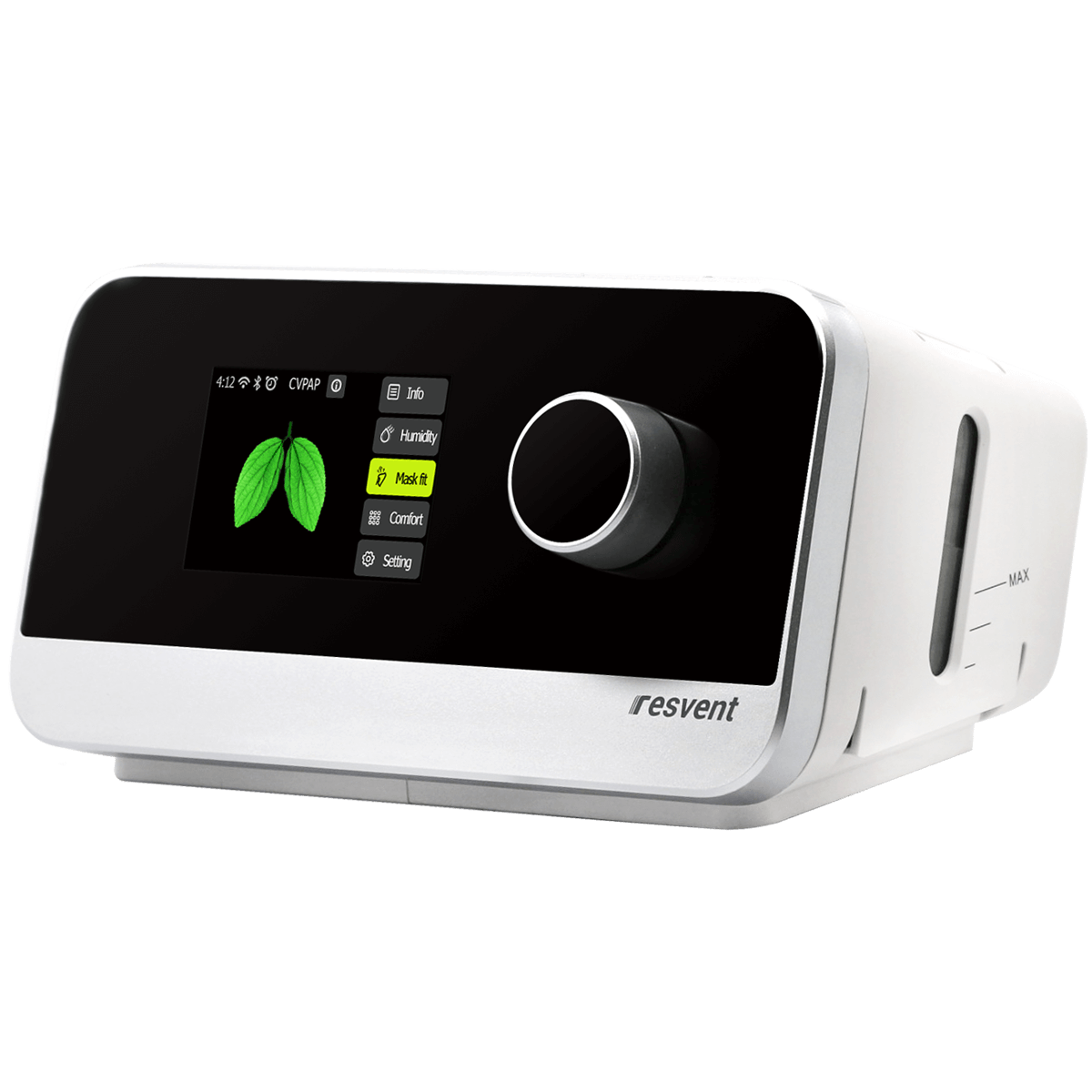
Several auto-adjusting CPAP (APAP) models stand out for allergy management. The Auto-CPAP / APAP Machine offers quiet bedside operation and flexible pressure, making nightly therapy more comfortable. Its data tracking helps identify patterns, which is useful if you want to monitor how allergy season impacts your sleep.
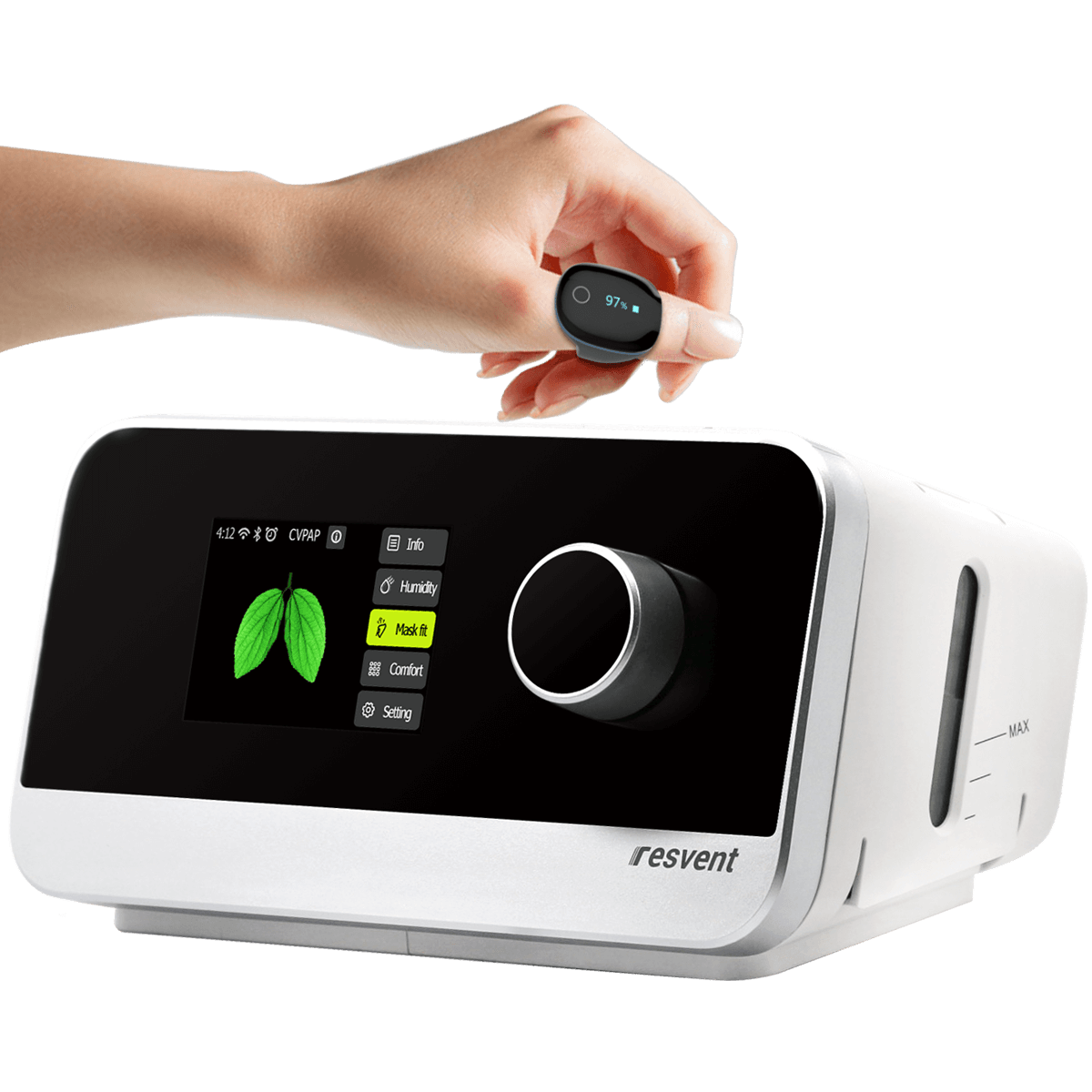
For users wanting more comprehensive monitoring, the Auto-CPAP / APAP Machine + O2Ring adds an oxygen monitor, allowing you to correlate oxygen dips with possible allergen exposure—ideal if you want extra reassurance or detailed reports to share with your provider.
Each of these models supports advanced filtration and is compatible with a range of hypoallergenic masks.
CPAP/APAP/BiPAP: Which Device is Best if You Have Allergies?
For most allergy sufferers, APAP machines provide the best balance of comfort and adaptability. They automatically adjust pressure, which can be helpful if nasal congestion fluctuates with allergy symptoms. BiPAP is generally reserved for users with specific respiratory needs, while standard CPAP remains an option for those who prefer simplicity and have stable pressure requirements.
Comparison Table: Filtration, Mask Materials, and Cleaning Needs
| Device | Filtration | Mask Material Compatibility | Humidifier | Best For | Review Link | Product Link |
|---|---|---|---|---|---|---|
| Ultra-fine (supports hypoallergenic filter) | Latex-free, medical-grade silicone | Heated, easy-clean chamber | General allergy management | Product | ||
| Ultra-fine (supports hypoallergenic filter) | Latex-free, medical-grade silicone | Heated, easy-clean chamber | Allergy monitoring + O2 tracking | Product | ||
| Ultra-fine (supports hypoallergenic filter) | Latex-free, medical-grade silicone | Heated, easy-clean chamber | Simple allergy-friendly setup | Product |
CPAP Filters for Allergy Sufferers: What to Look For
Types of Filters: Disposable vs. Reusable
Disposable filters are best for allergy sufferers: they capture more fine particles and can be replaced before buildup occurs. Reusable foam filters are durable but can harbor allergens if not cleaned meticulously. Always follow your device’s recommendations for compatible filter types.
HEPA and Ultra-fine Filter Performance
HEPA and ultra-fine filters trap more than 99% of dust, pollen, and other airborne irritants. If your allergies are severe, prioritize models that accept these filters. Check the filter’s micron rating for details on particle size retention.
Filter Replacement Schedules and Costs
For optimal performance, replace disposable filters every 2-4 weeks or as directed by your manufacturer. Reusable filters should be rinsed weekly and replaced every 2-3 months. Plan for ongoing costs as part of your long-term therapy investment.
Maintenance, Cleaning, and Allergy Prevention
Establishing a Cleaning Routine for Allergy Control
Daily and weekly cleaning is non-negotiable if you’re managing allergies. Develop a habit of wiping down your mask each morning and sanitizing all components at least weekly. This removes allergens before they can accumulate or recirculate through the device.
Cleaning CPAP Masks, Tubing, and Chambers
Disassemble the mask, tubing, and humidifier chamber for a thorough wash with mild, unscented soap and warm water. Allow all parts to air dry completely before reassembly. Avoid harsh chemicals or fragrances that could aggravate sensitive skin or airways.
Safe Cleaning Products for Sensitive Users
Use only manufacturer-approved cleaning solutions or gentle, fragrance-free soaps. If you have known sensitivities, test a small area first or consult your provider for recommendations. Never use bleach or strong disinfectants on CPAP parts.
Reading Device Reports: Monitoring for Allergen Exposure
How to Interpret CPAP Data for Allergy-Related Issues
Regularly review your device’s therapy reports. If you notice drops in usage, increased leaks, or changes in pressure requirements, consider whether seasonal allergies or filter issues are to blame. Some models, like those with paired O2Ring monitors, can highlight nocturnal oxygen dips that might signal airway irritation.
When to Seek Medical Advice
If allergy symptoms worsen or therapy becomes less effective, consult your sleep specialist. Persistent congestion, skin irritation, or unexplained drops in oxygen levels warrant professional input to rule out other causes or adjust your therapy plan.
Device Setup Tips: Getting Started Allergy-Free
Initial Setup and Adjustments for Sensitive Users
Set up your CPAP in a clean, dust-free room. Install a new hypoallergenic filter before first use, and wash all parts that come into contact with your skin. Fit your mask carefully to reduce air leaks, which can draw in unfiltered air or irritate sensitive skin.
Best Practices for Minimizing Allergen Buildup
- Keep your device away from open windows, carpets, and pet areas.
- Store supplies in sealed containers or clean drawers.
- Replace filters and clean components on schedule—set reminders if needed.
When to Upgrade: Signs Your Device Isn’t Allergy-Friendly
Identifying Outdated Filters and Materials
If your device doesn’t support ultra-fine or HEPA filters, or if mask materials are causing irritation, it may be time for an upgrade. Older models may also lack easy-clean humidifiers or data tracking to help monitor your allergy management.
Evaluating New Models for Allergy Support
Look for devices designed with allergy sufferers in mind—support for advanced filters, hypoallergenic mask options, and simple cleaning processes. Newer models often make routine maintenance easier and are less likely to harbor hidden irritants.
Conclusion: Making the Best Choice for Your Needs
For most users, an auto-adjusting APAP machine with hypoallergenic filters and easy-clean features is the best CPAP machine for allergies. The Auto-CPAP / APAP Machine and its O2Ring-enabled sibling are top picks if you want robust filtration and reliable daily comfort. If you need advanced data insights or often track changes in your health, consider the O2Ring bundle for extra peace of mind.
If you’re unsure, start by listing your main triggers (dust, pollen, pets, skin irritation) and choose a device that addresses those with compatible filters and mask materials. If you have highly sensitive skin or severe allergies, prioritize ultra-fine disposable filters and minimal-contact nasal masks. Don’t hesitate to ask your provider for recommendations tailored to your environment and symptoms.
FAQs
- What is the best CPAP machine for allergies in 2026? The Auto-CPAP / APAP Machine series, including the O2Ring bundle, stands out for filtration, comfort, and data features. See the comparison table above for details.
- How often should I replace CPAP filters if I have allergies? Disposable filters: every 2-4 weeks. Reusable: clean weekly, replace every 2-3 months. Check your manual for specifics.
- Are HEPA filters necessary for CPAP users with allergies? While not strictly necessary, HEPA or ultra-fine filters are strongly recommended for anyone with moderate to severe allergies.
- Which CPAP masks are best for people with sensitive skin or allergies? Look for latex-free, medical-grade silicone or fabric nasal masks. Minimal-contact designs help reduce skin irritation.
- How can I tell if my CPAP machine is contributing to my allergy symptoms? If symptoms worsen with use, check for dirty filters, mask residue, or humidifier mold. Track symptoms alongside device data and consult your provider if problems persist.