Quick take
We break down who this device is best for, what it measures, and how it compares in the market.
2026 Guide: Choosing a Sleep Therapy Device for Claustrophobic Users
Key Takeaways
- The right mask style—especially nasal pillows and minimal-contact options—can greatly reduce feelings of confinement.
- Modern devices with auto-adjusting pressure, quiet operation, and easy-release features support comfort and adherence.
- Gradual adaptation, breathing strategies, and regular cleaning are central to a positive therapy experience for claustrophobic individuals.
Who this is for
This guide is for anyone diagnosed with sleep apnea who has struggled to tolerate traditional CPAP masks or devices due to claustrophobia. Whether you’re new to sleep therapy or looking to switch to a more comfortable solution, you’ll find clear, actionable advice tailored for anxiety-prone users.
Introduction: Why Claustrophobia Matters in Sleep Therapy
Understanding claustrophobia and sleep apnea
Claustrophobia—a fear of confined spaces—can make the nightly use of CPAP, APAP, or BiPAP machines feel overwhelming, particularly when traditional full-face masks are involved. For many, this discomfort leads to avoidance or poor adherence, reducing the benefits of sleep therapy and impacting overall health. Selecting the right device and mask is critical for comfort, consistent use, and ultimately, better sleep quality.
The impact of device choice on adherence and comfort
Even the best CPAP for claustrophobia is only effective if it’s used consistently. Features that minimize restriction, noise, and pressure spikes can transform the experience, making nightly therapy less daunting and more sustainable over time.
Key Mask Types for Claustrophobic Users
Nasal pillow masks: The least intrusive option
Nasal pillow masks rest barely inside the nostrils, leaving the face almost entirely exposed. This style is widely considered the sleep therapy mask for claustrophobic users because it offers minimal facial contact and an open field of vision—reducing the sensation of being enclosed. They’re a top pick for those who value minimalism and freedom of movement.
Minimal-contact nasal masks: Lightweight alternatives
Minimal-contact nasal masks seal around or under the nose and use slim headgear, further reducing bulk. They work well for people who need more stability than pillows provide but still can’t tolerate full-face designs. These masks strike a balance between security and openness.
Hybrid and open-face designs: Pros and cons for anxiety-prone users
Hybrid masks combine nasal pillows with a mouthpiece, catering to mouth-breathers while keeping the face mostly unobstructed. Open-face designs, though less common, avoid forehead bars and bulky frames. While hybrids add some complexity, they’re a good solution for users who find both full-face and standard nasal masks intolerable.
Device Features That Reduce Claustrophobic Sensations
Auto-adjusting pressure for smoother breathing (e.g., Auto BiPAP)
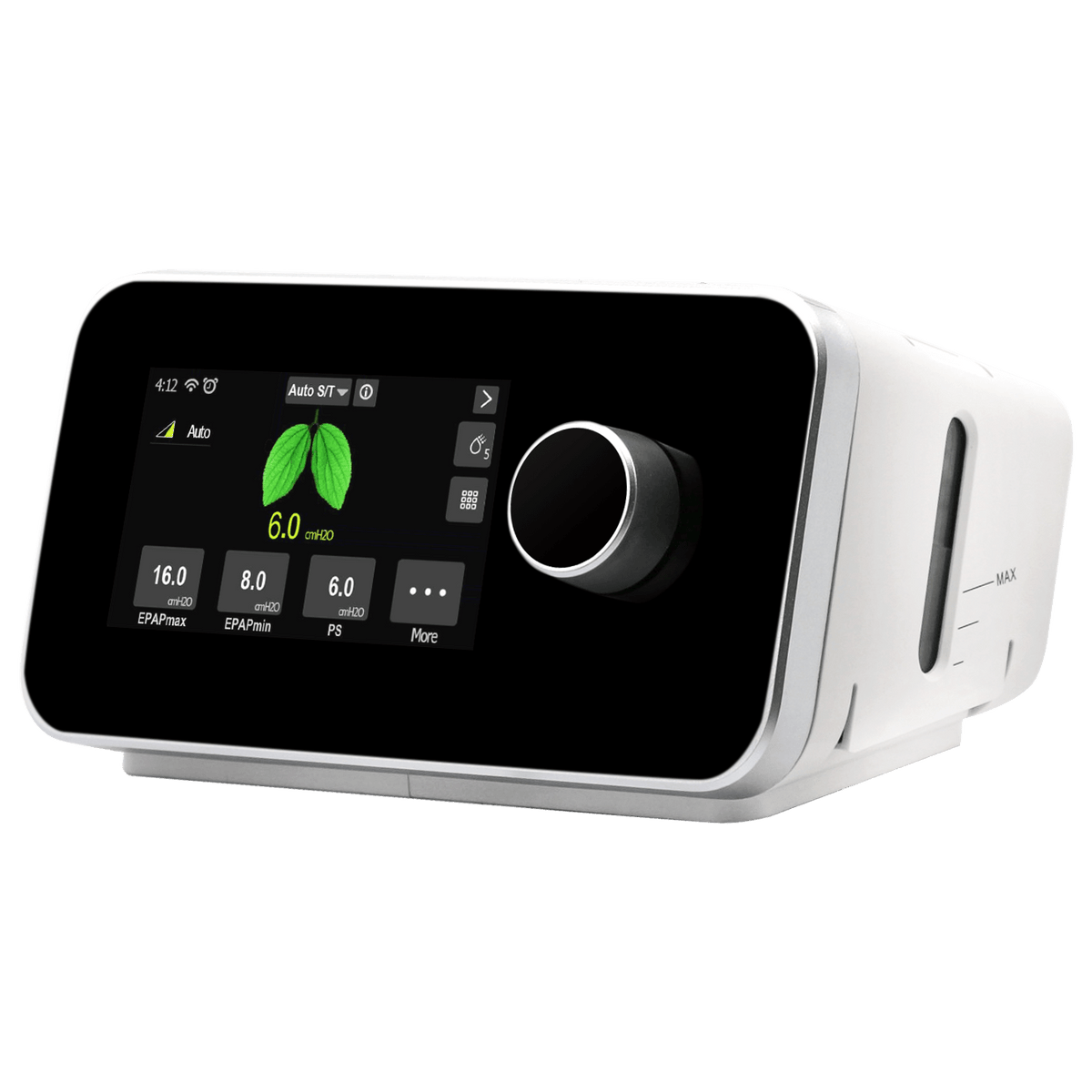
Devices like the Auto BiPAP Machine use advanced sensors to automatically adapt pressure throughout the night. This means fewer sudden pressure changes, which can otherwise spike anxiety. Smooth transitions and responsive therapy are especially important for claustrophobic users who might find resistance or surges in airflow distressing.
Quiet operation and flexible comfort settings
Modern machines operate at near-whisper levels, reducing distraction and panic triggers. Adjustable ramp times and exhalation relief features help create a gentler therapy start and allow users to exhale more easily, further easing the sensation of being smothered.
Humidifier integration: Keeping therapy gentle
Integrated humidifiers, such as those in the iBreeze series, add moisture to the airflow, preventing dryness and making the breathing experience less harsh. For many users, this added comfort makes therapy feel more natural and less stifling.
Quick-release and easy-off mask features
Look for masks with magnetic clips, quick-release tabs, or simple headgear that allows for rapid removal. Knowing you can quickly remove the mask if panic hits is a powerful reassurance and can help build confidence during acclimation.
Comfort Tips: Easing Anxiety and Adapting to Therapy
Gradual acclimation: Building tolerance step-by-step
Start by wearing your mask and device during the day while awake, increasing the duration each session. Pair this with relaxation techniques or distractions (like TV) to build positive associations.
Breathing exercises to reduce panic
Slow, deep breathing—especially before bed—can help reduce anxiety. Practice with your device running but without the mask, then progress to short sessions with the mask on.
Customizing fit and setup for personal comfort
Small changes, such as adjusting headgear tension, mask angle, or trying different mask sizes, make a significant difference. Consult your provider about mask liners or nasal pads if you experience skin irritation.
Choosing the best CPAP for claustrophobia: What to prioritize
Prioritize devices with auto-adjusting pressure, advanced comfort features, and proven quiet performance. For masks, openness and easy removal should guide your selection.
Comparison Table: Best Sleep Therapy Devices and Masks for Claustrophobic Users
| Model | Mask Openness | Device Noise | Pressure Adjustability | Ease of Use | Best For | Review | Buy |
|---|---|---|---|---|---|---|---|
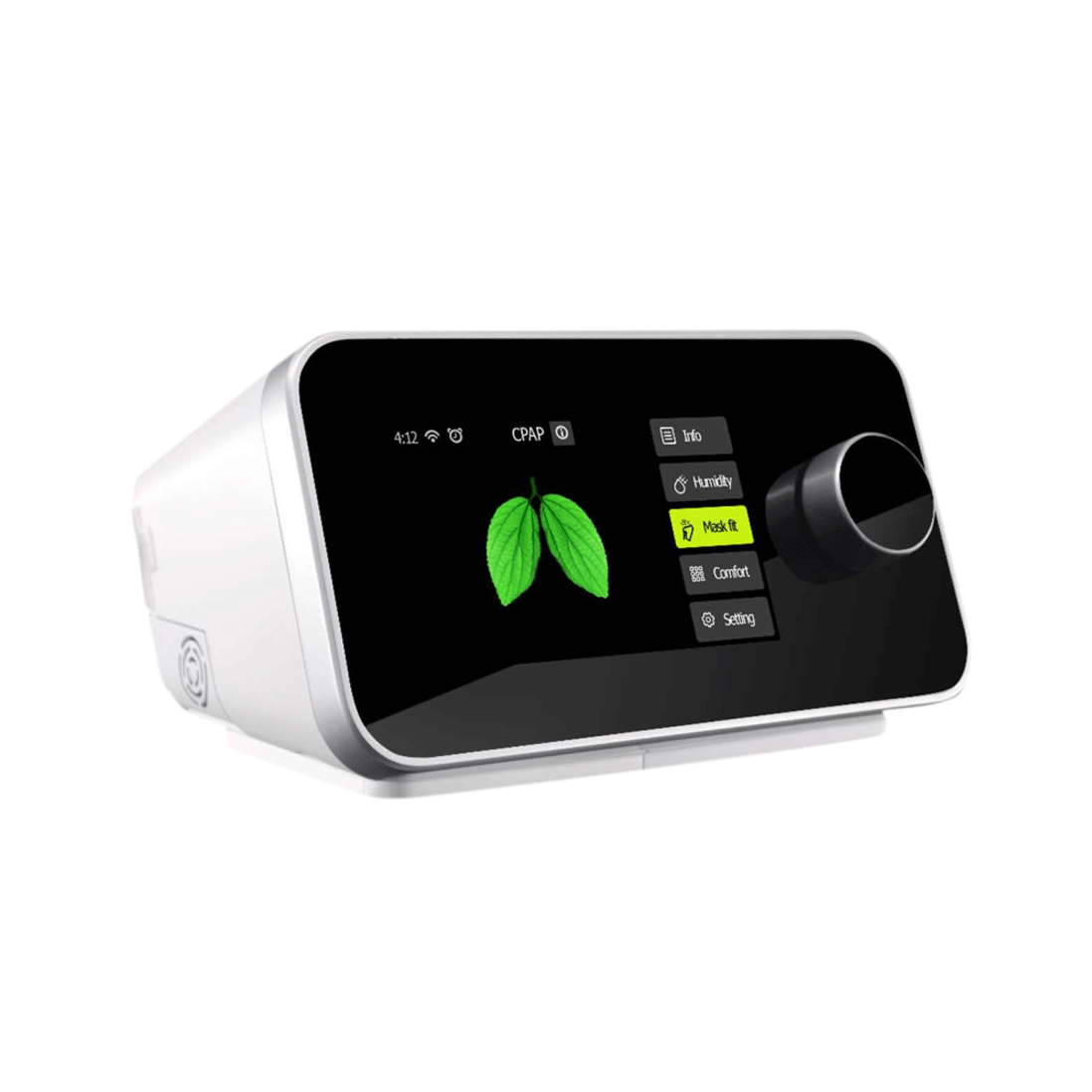
| Compatible with nasal pillow & minimal-contact masks | Very quiet | Auto (responsive) | Intuitive, simple menu | Users needing gentle, customizable therapy | Wellue | ||
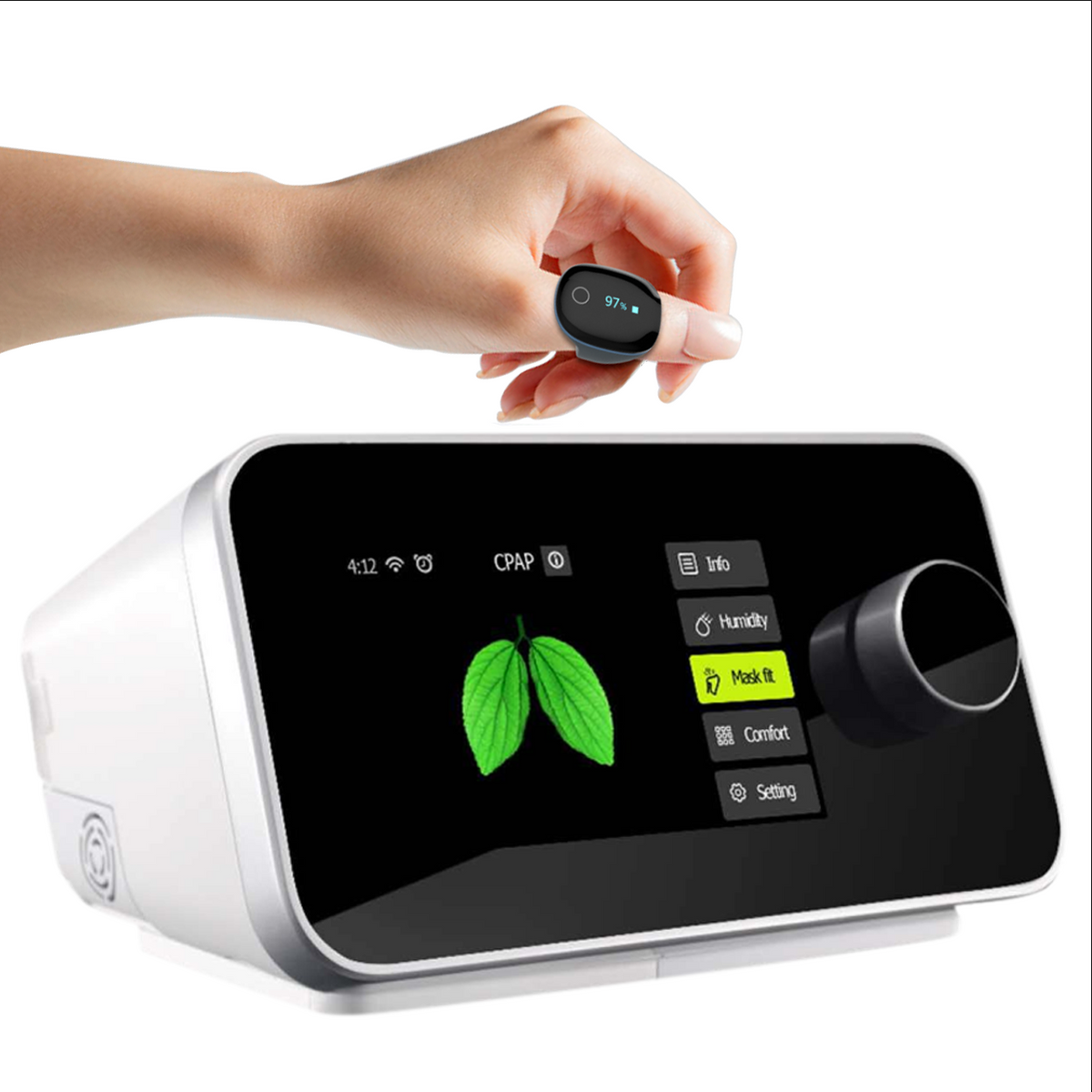
| Compatible with nasal pillow & minimal-contact masks | Very quiet | Auto (with O2 tracking) | Slightly more setup (O2 monitor) | Users wanting integrated oxygen monitoring | Wellue | ||
| Compatible with nasal pillow & minimal-contact masks | Very quiet | Auto (custom profiles) | Standard setup process | Users wanting advanced comfort settings | Wellue |
If you're unsure...
If you struggle with mask anxiety, start with a nasal pillow or minimal-contact nasal mask and a machine offering auto-adjusting pressure. Prioritize models with quiet operation and easy mask removal. For most, the Auto BiPAP Machine paired with your preferred open mask style is the best starting point. If you want extra oxygen tracking, consider the O2Ring bundle.
How to Read Device Reports for Comfort and Adherence
What data matters for claustrophobic users
Focus on nightly usage hours, leak rates, and comfort settings used. These metrics show both how long you’re able to tolerate therapy and if mask fit is affecting your comfort.
Tracking usage and comfort trends
Watch for gradual increases in nightly use and reductions in leaks—positive signs of adaptation. Many devices, including the iBreeze Auto BiPAP, offer app-based tracking that simplifies this process.
Cleaning and Maintenance for Comfort and Safety
Simple routines to keep masks and machines fresh
Regularly clean your mask and tubing as directed by the manufacturer. Build a routine—many users find morning cleaning reduces irritation and keeps the mask feeling fresh and inviting.
Avoiding irritants that can worsen discomfort
Use mild, fragrance-free soap and avoid harsh chemicals. Residue from cleaning agents or infrequent cleaning can increase skin irritation or smells, making therapy feel less tolerable.
When to Seek Clinical Advice
Indicators that your current setup isn't working
If nightly use remains low after a few weeks, or if mask anxiety persists despite trying different styles and strategies, consult your sleep specialist. They can recommend alternative masks, pressure settings, or even behavioral techniques.
Collaborating with your provider for alternative solutions
Bring usage data and comfort notes to your appointments. This evidence helps your provider tailor recommendations—sometimes a simple mask change or device tweak unlocks long-term success.
Conclusion: Finding the Right Balance of Therapy and Comfort
Claustrophobia doesn’t have to be a barrier to effective sleep therapy. The most comfortable and successful setups combine open, minimal-contact masks with devices offering quiet, auto-adjusting features and easy mask removal. For most users, the Auto BiPAP Machine paired with a nasal pillow or minimal-contact nasal mask is the optimal starting point. If you also want integrated oxygen monitoring, the Auto BiPAP + O2Ring bundle is a strong alternative. Above all, focus on gradual adaptation and don’t hesitate to involve your care team—balancing therapy efficacy and comfort is both possible and worth the effort.