Quick take
We break down who this device is best for, what it measures, and how it compares in the market.
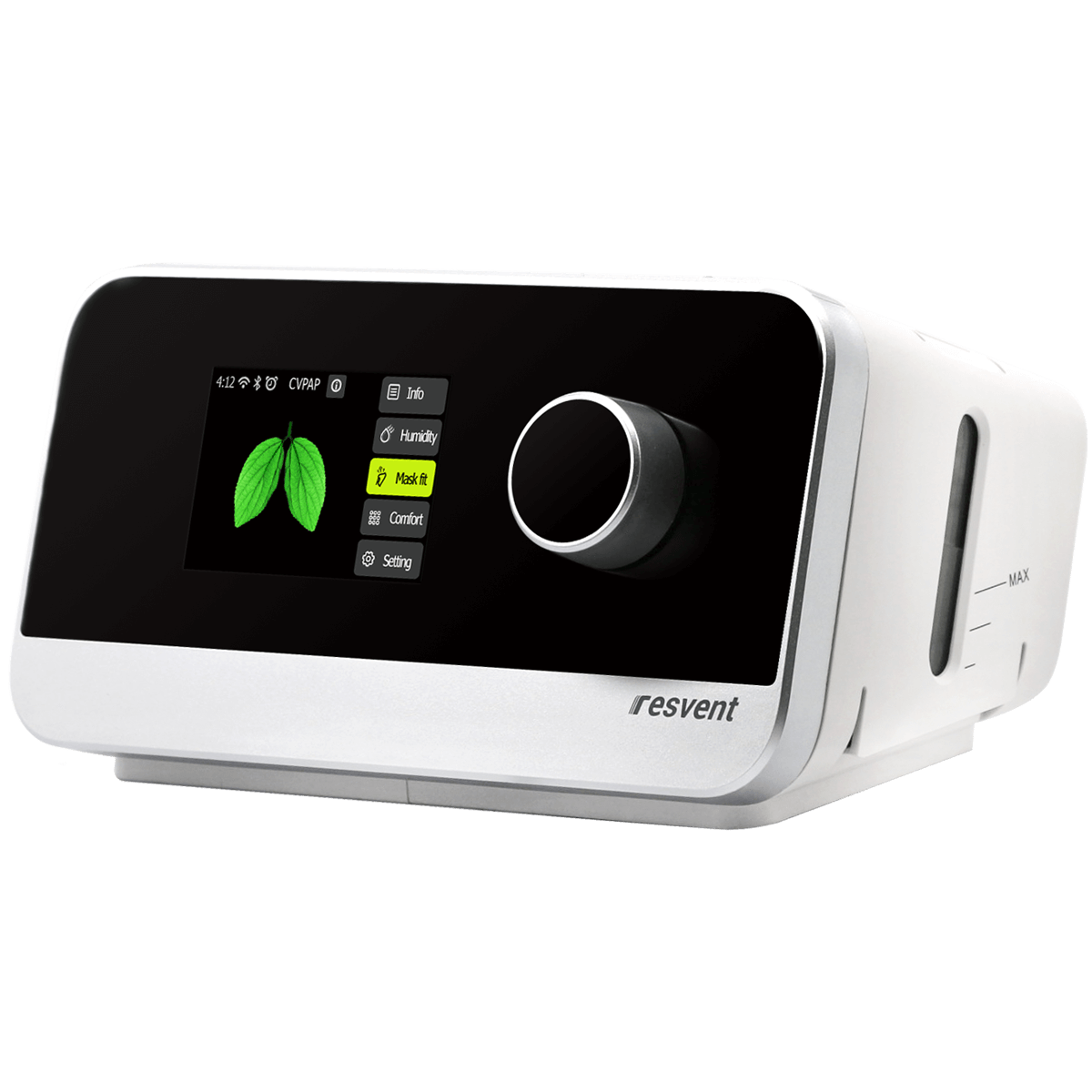
CPAP Machine Cost vs Value: Making the Right Investment in 2026
For millions treating sleep apnea, a CPAP or its modern cousin, the APAP, is more than a gadget—it’s a nightly lifeline. Yet, as technology advances and more features crowd the market, the real question isn’t just "How much does a CPAP machine cost?" but rather, "What’s the true value for your health and sleep quality?" Let’s cut through the noise and compare cost versus value, so you invest wisely in 2026.
Key Takeaways
- Value matters more than sticker price—match device features to your therapy needs for the best results.
- Premium features (auto-adjustment, O2 monitoring, advanced data) are worth it for complex or evolving conditions.
- Routine cleaning and maintenance are essential to maximize your device’s lifespan and value.
- Side sleepers and those with variable or severe sleep apnea often benefit from APAP or BiPAP over basic CPAP.
- Understanding device reports empowers better sleep and more informed doctor visits.
Introduction: Understanding CPAP Machine Cost vs Value
Why Considering Value Matters Alongside Price
It’s tempting to shop for sleep therapy equipment based on price alone. But the right device is a nightly partner—one that impacts not only comfort and compliance, but also long-term health outcomes. With options ranging from basic CPAPs to feature-rich APAPs and BiPAPs, aligning value with your needs is key.
Who Needs CPAP, APAP, or BiPAP: Matching Device to Sleep Therapy Needs
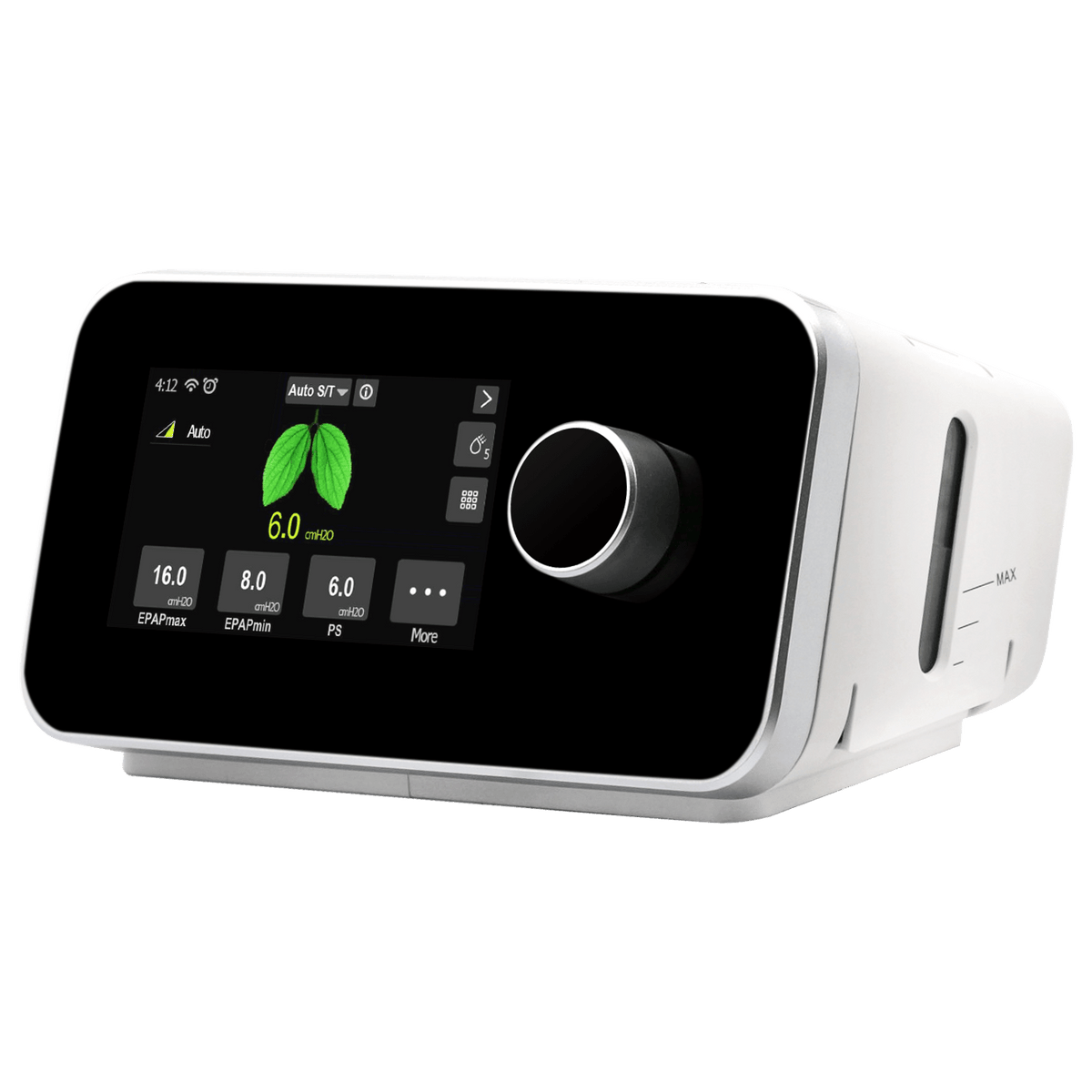
CPAP (Continuous Positive Airway Pressure) delivers a steady pressure, suitable for many with straightforward sleep apnea. APAP (Auto-Adjusting) devices, like the Wellue iBreeze APAP, adjust pressure as you sleep, ideal for those with changing airway resistance or side sleepers. BiPAPs offer two pressure levels and are reserved for those with specific respiratory needs or who can’t tolerate standard CPAP/APAP therapy. Choosing the right type makes all the difference in both comfort and outcomes.
Breaking Down CPAP Machine Costs in 2026
Average Price Ranges for CPAP, APAP, and BiPAP Devices
As of 2026, expect:
- CPAP: Entry-level models typically start around $350–$600.
- APAP: Well-featured units, like the iBreeze, run $500–$900 (without or with O2 monitoring).
- BiPAP: Advanced models often exceed $1,200, reflecting clinical-grade features.
What Affects the Cost: Features, Accessories, and Prescription Requirements
Auto-adjustment, data tracking, integrated humidifiers, and bundled accessories (such as masks or O2 monitors) all influence price. Prescription requirements (per FDA guidelines) add a step but ensure devices match your diagnosis. Insurance coverage varies and may affect what you pay out of pocket.
How Insurance and Payment Options Influence Out-of-Pocket Costs
Insurance may cover part or all of a device, but often with limitations on models or features. Out-of-pocket expenses depend on deductibles, coverage, and whether you opt for premium add-ons. Always check with your provider and compare cash prices—sometimes direct purchase is more cost-effective for modern devices.
Value Drivers: What You Get for Your Money
Essential Features for Most Users
- Ramp Settings: Gradually increases pressure for easier sleep onset.
- Flexible Pressure (APAP): Adjusts automatically, ideal for side sleepers or variable apnea.
- Mask Compatibility: Nasal, full-face, and pillows options suit different comfort needs.
Premium Features Breakdown
- Integrated O2 Monitoring: Real-time oxygen data (e.g., with O2Ring) is valuable for users with coexisting heart or lung concerns.
- Auto-Adjustment (APAP): Essential for those with variable needs or who shift positions at night.
- Therapy Data Tracking: Mobile app integration and detailed reports support compliance and clinical follow-up.
How Device Type Impacts Comfort: CPAP vs APAP vs BiPAP Comfort Comparison
Standard CPAP is reliable for many, but users who switch sleeping positions or have fluctuating airway resistance often find APAP more comfortable. For those considering a CPAP machine side sleeper scenario, APAP’s auto-adjustment can minimize disruptions. BiPAP is typically reserved for those with more severe or complex needs, offering greater flexibility but at a higher cost.
Who Should Pay for Premium Sleep Therapy Options?
Identifying Feature Breakpoints for Different Users
- Side Sleepers: APAP offers superior comfort and keeps therapy effective as pressure needs shift.
- Severe Sleep Apnea or Coexisting Health Conditions: BiPAP may be justified if standard or auto CPAP is inadequate.
- Data-Driven Users: Advanced reporting and O2 monitoring add value for those who want to optimize therapy with their provider.
Is a BiPAP Machine Worth Buying for Most People?
If you’re weighing is BiPAP machine worth buying, the answer is usually no—unless you have complex apnea or have failed standard therapy. APAP often offers a sweet spot of comfort, adaptability, and price.
When to Consider Add-Ons: O2Ring Oxygen Monitors and Advanced Data Reporting
Add-ons like the O2Ring oxygen monitor are best for users with cardiac issues, suspected nocturnal hypoxemia, or those who want to track therapy effectiveness in detail. They’re not essential for everyone but provide peace of mind and clinical insight when needed.
Comparison Table: CPAP, APAP, and BiPAP – Cost vs Value at a Glance
| Device Type | Average Price | Key Features | Comfort for Side Sleepers | Data Access | O2 Monitoring Option | Best For | Where to Buy |
|---|---|---|---|---|---|---|---|
| $350–$600 | Fixed pressure, basic ramp | Moderate (may require manual adjustment) | Basic | Not standard | Simple, stable apnea | ||
| $500–$900 | Auto pressure, ramp, app reports | High (auto-adjusts for position) | Detailed, app-based | Optional (with O2Ring) | Variable needs, side sleepers | ||
| $1,200+ | Dual pressure, advanced settings | Excellent for complex needs | Most advanced | Available (add-on) | Severe or complex apnea |
Maximizing Your Investment: Maintenance, Cleaning, and Lifespan
Routine Maintenance and Cleaning Requirements
Follow manufacturer guidelines: wash the mask and tubing weekly, replace filters monthly, and wipe down surfaces to prevent buildup. Regular care extends device life and supports effective therapy. For more, see our guide on Device Cleaning & Maintenance: Best Practices for Sleep Therapy Devices.
Expected Device Lifespan and Warranty Considerations
Most CPAP/APAP units last 3–5 years with proper care. Warranties typically cover major failures for 2–3 years. Investing in a quality unit may cost more up front, but pays dividends in reliability and fewer replacements.
Long-Term Value vs Upfront Cost
Cheaper devices may lack comfort features or data tracking, possibly leading to lower compliance or more frequent upgrades. Prioritize what you’ll actually use—ramp features, auto-adjustment, or integrated O2 monitoring—over the lowest price.
How to Read and Use Device Reports for Better Sleep Outcomes
Understanding Sleep Therapy Data
Modern devices, like the Wellue iBreeze APAP, log usage hours, mask fit, pressure graphs, and oxygen stats (with O2Ring). Reviewing this data helps spot therapy gaps and track trends over time.
When to Share Reports with Your Doctor
If you notice frequent mask leaks, low usage, or abnormal oxygen dips, share your report at follow-up appointments. This data-driven approach enables your provider to fine-tune therapy and improve your results.
Who This Is For
If you’re new to sleep therapy, start by identifying your primary needs. Stable, mild apnea? A basic CPAP may suffice. Side sleeper or variable pressure needs? APAP is a strong investment. Severe or complex apnea? Discuss BiPAP with your clinician. Unsure? Choose a device that allows data tracking and flexible settings—you’ll rarely regret it.
Product Spotlights
Auto-CPAP / APAP Machine
The Wellue iBreeze APAP delivers flexible, auto-adjusting pressure throughout the night, making it well-suited for users whose needs change with position or over time. Its intuitive interface and quiet operation provide nightly comfort. Data tracking is robust, with app integration for reviewing sleep trends. One limitation: you’ll need to ensure a proper mask fit, which can require initial patience. If you want dependable therapy with less manual adjustment, this is a solid pick.
Auto-CPAP / APAP Machine + O2Ring
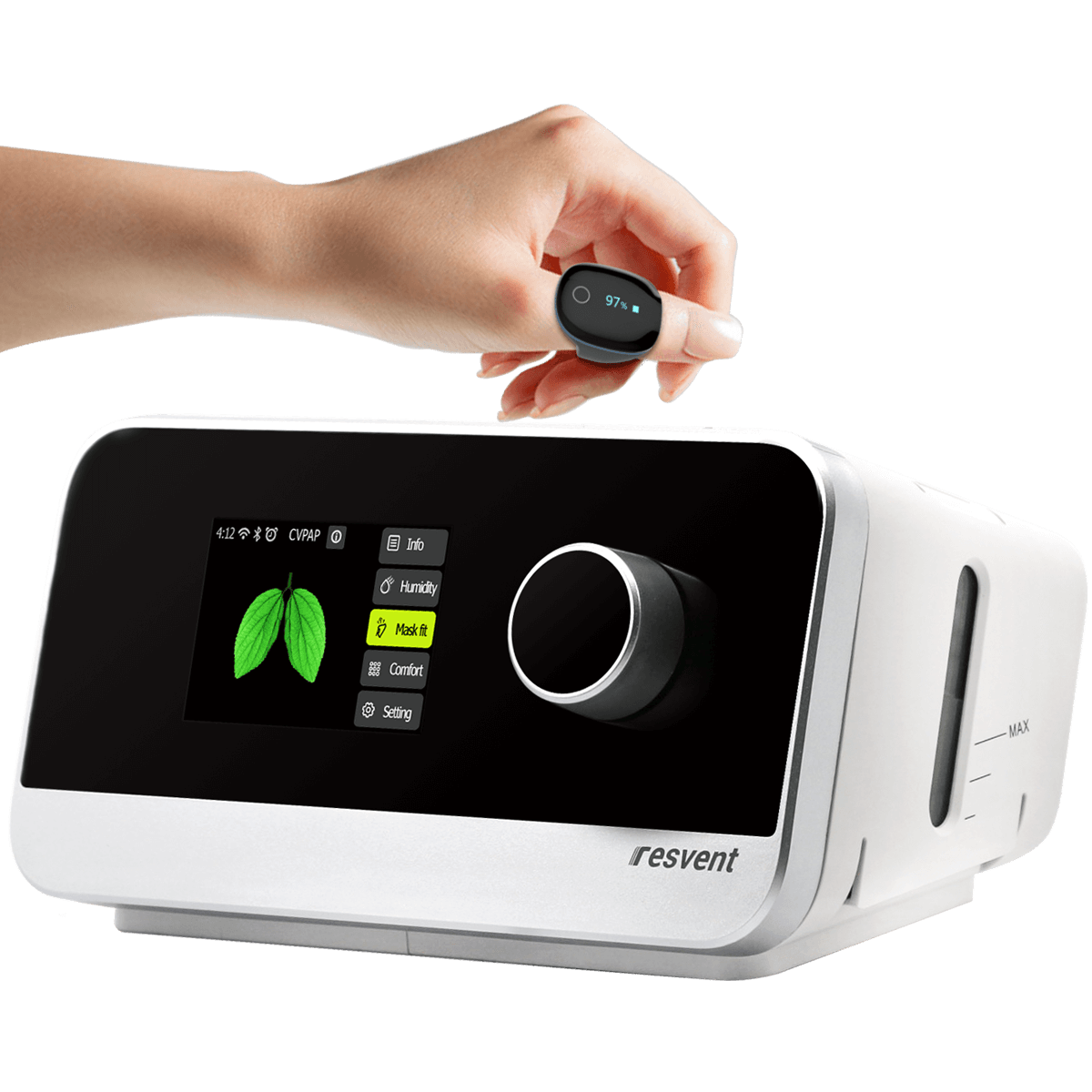
Adding the O2Ring oxygen monitor to the iBreeze APAP setup gives users an extra layer of insight—real-time oxygen saturation, tracked seamlessly with your therapy data. This bundle is best for those with coexisting heart or lung concerns, or anyone wanting deeper visibility into sleep health. Setup is straightforward, but expect a short learning curve syncing and interpreting new data. For those who want to optimize results or need to report oxygen levels to their provider, this is a powerful option.
Key Takeaways: Choosing Value Over Price Alone
In 2026, the smartest investment is rarely the cheapest. Prioritize features that match your lifestyle—auto-adjustment for restless or side sleepers, advanced data if you want to track progress, and O2 monitoring if your doctor recommends it. Proper maintenance stretches your dollars further. And most importantly: a device you’ll actually use, every night, is the best value of all.
Frequently Asked Questions
- How much should I expect to pay for a good CPAP or APAP machine in 2026?
- Are premium features like O2 monitoring and advanced data reporting worth the extra cost?
- Which machine type is best for side sleepers: CPAP, APAP, or BiPAP?
- How do I know if a BiPAP machine is worth buying for my situation?
- What is the expected lifespan of a modern home CPAP machine?
If you’re unsure, think about your comfort priorities and how much you want to monitor your progress. Most users benefit from auto-adjusting APAP models. For those with complex conditions or who need detailed oxygen data, consider premium bundles. When in doubt, discuss with your sleep specialist for a tailored recommendation.