Quick take
We break down who this device is best for, what it measures, and how it compares in the market.
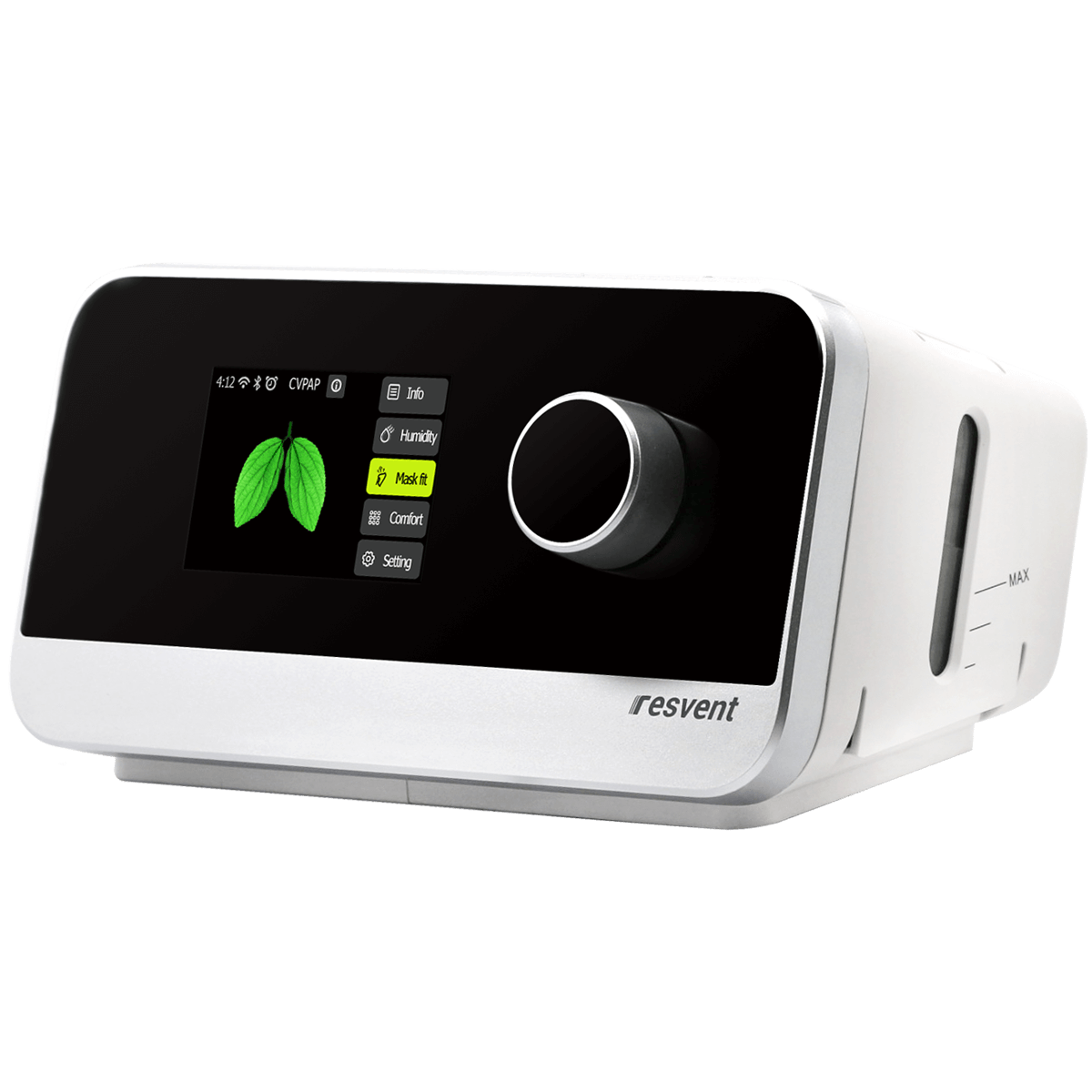
CPAP vs APAP vs BiPAP: Understanding Sleep Therapy Machine Differences
Key Takeaways
- CPAP, APAP, and BiPAP machines differ in their pressure delivery—fixed, auto-adjusting, or dual-level—and suit different needs.
- APAP offers dynamic pressure adjustment and is ideal for users with varying nightly needs or who want integrated oxygen monitoring.
- BiPAP is reserved for higher pressure or complex respiratory cases, often prescribed for conditions beyond straightforward sleep apnea.
- Understanding the difference between CPAP, APAP, and BiPAP helps you and your provider select the best sleep therapy machine for your health and lifestyle.
- Routine device care, accurate report reading, and periodic professional check-ins support effective home sleep therapy.
Introduction: Why Understanding Your Options Matters
Sleep therapy devices are critical for managing sleep apnea and related breathing disorders at home. With a range of machines—CPAP, APAP, and BiPAP—now available, understanding their differences isn’t just technical curiosity. It’s about finding a solution you’ll actually use, night after night, for better rest and improved long-term health.
What Is CPAP, APAP, and BiPAP? Core Definitions
Continuous Positive Airway Pressure (CPAP): Steady support
CPAP machines deliver a single, fixed level of air pressure throughout the night. This constant support prevents airway collapse and is the classic, proven approach for obstructive sleep apnea. While effective, some users find the unchanging pressure less comfortable—especially if their needs fluctuate.
Automatic Positive Airway Pressure (APAP): Adaptive technology
APAP machines, such as the iBreeze Auto-CPAP/APAP, automatically adjust pressure on a breath-by-breath basis. They sense airway resistance and fine-tune support, providing only as much pressure as needed at any given moment. This adaptability often leads to greater comfort and may support better compliance for many home users.
Bilevel Positive Airway Pressure (BiPAP): Dual-level comfort
BiPAP devices provide two distinct pressure levels—one for inhaling, a lower one for exhaling. This split makes breathing out easier and is especially suited for users who require higher overall pressures, have complex sleep apnea, or certain lung conditions. BiPAP is generally reserved for cases where CPAP or APAP aren’t sufficient.
How Each Machine Works: Modes, Pressures, and Features
- Pressure delivery: CPAP = fixed; APAP = auto-adjusting; BiPAP = two levels (inhale/exhale).
- Key features: Look for ramp settings (gradual pressure increase), flexible pressure relief, and (for APAP/BiPAP) compatibility with oxygen monitoring tools like O2Ring.
- User experience: Modern machines are quiet and support a range of masks, but APAP and BiPAP offer more custom comfort for variable needs.
Comparison Table: CPAP vs APAP vs BiPAP at a Glance
| Criteria | CPAP | APAP | BiPAP |
|---|---|---|---|
| Pressure Delivery | Fixed (set by provider) | Automatic (adapts breath-by-breath) | Two levels (inhale/exhale) |
| Best For | Routine, stable OSA | Variable needs, comfort seekers | High/complex pressure, some lung issues |
| Key Features | Simple, reliable, ramp | Auto-titration, O2 monitoring (with O2Ring) | Dual pressures, advanced settings |
| Ease of Use | Simple | Easy; adapts on its own | Complex (setup/training needed) |
| Cost | Lower | Mid-range | Highest |
| Prescription | Required | Required | Required (often with specialist input) |
| Report Data | Basic usage | Detailed (therapy, O2 levels with O2Ring) | Comprehensive |
Who Needs Which? Ideal Candidates for Each Therapy
- CPAP remains the go-to for straightforward, consistent obstructive sleep apnea. If your pressures are stable and you adapt well, this is the classic choice.
- APAP is suited for those whose needs change nightly—weight, sleep position, or nasal congestion can all affect required pressure. The iBreeze APAP, for example, offers quiet operation, flexible pressure, and is compatible with oxygen monitoring for more complete sleep analysis.
- BiPAP is indicated when higher or dual pressures are necessary—complex sleep apnea, certain lung conditions, or if you cannot tolerate CPAP/APAP pressure. These require closer clinical oversight and more nuanced setup.
Pros and Cons: Clinical and Practical Insights
- Efficacy: All three devices are effective for their intended use cases. APAP is often favored for its adaptability, but some medical scenarios still call for fixed or bilevel support.
- Comfort & Compliance: APAP and BiPAP usually provide greater comfort for users who struggle with fixed pressure. This can mean better long-term use and outcomes.
- Cost & Access: BiPAP machines are typically the most expensive and may require more documentation for insurance approval. All devices require a prescription.
Reading and Understanding Device Reports
Modern CPAP and APAP devices (like the iBreeze) track sleep data, usage hours, and (with accessories like O2Ring) even overnight oxygen levels. Reviewing these reports—often via an app—helps you and your provider assess therapy effectiveness and fine-tune settings. For BiPAP, expect even more detailed data on pressure cycles and breathing events.
Device Cleaning and Maintenance: What to Expect
Every machine requires routine care: clean masks, hoses, and humidifier chambers weekly; replace filters as recommended. This not only ensures hygiene but also maintains therapy performance and machine longevity. Always follow your device’s manual for specific cleaning instructions.
How to Decide: Which Sleep Therapy Machine Is Best for You?
If you’re unsure which sleep therapy machine is best, start by considering your sleep apnea diagnosis, prescription details, and comfort preferences. If your needs are straightforward and you tolerate fixed pressure, CPAP is efficient and affordable. If you want flexibility or your sleep profile varies, APAP adapts on the fly and supports overnight oxygen monitoring. BiPAP is best reserved for those with prescription needs for dual pressures or more complex conditions—always consult your sleep specialist for these scenarios.
Who this is for
- Individuals newly diagnosed with sleep apnea seeking home therapy options
- Current CPAP users considering an upgrade to APAP or BiPAP
- Anyone needing to understand the difference between CPAP, APAP, and BiPAP before their next provider appointment
Product Spotlights
iBreeze Auto-CPAP / APAP Machine
This APAP device stands out for its auto-adjusting comfort and quiet operation. Best for users whose pressure needs vary due to changing sleep positions or seasonal allergies, it offers reliable nightly therapy and insightful data tracking through its companion app. One limitation: initial setup and mask fitting may require a learning curve, but the added comfort and flexibility are worth it for many. In a real-world scenario, a user who finds CPAP uncomfortable during allergy season may find APAP a game-changer for consistent sleep quality.
iBreeze Auto-CPAP / APAP Machine + O2Ring
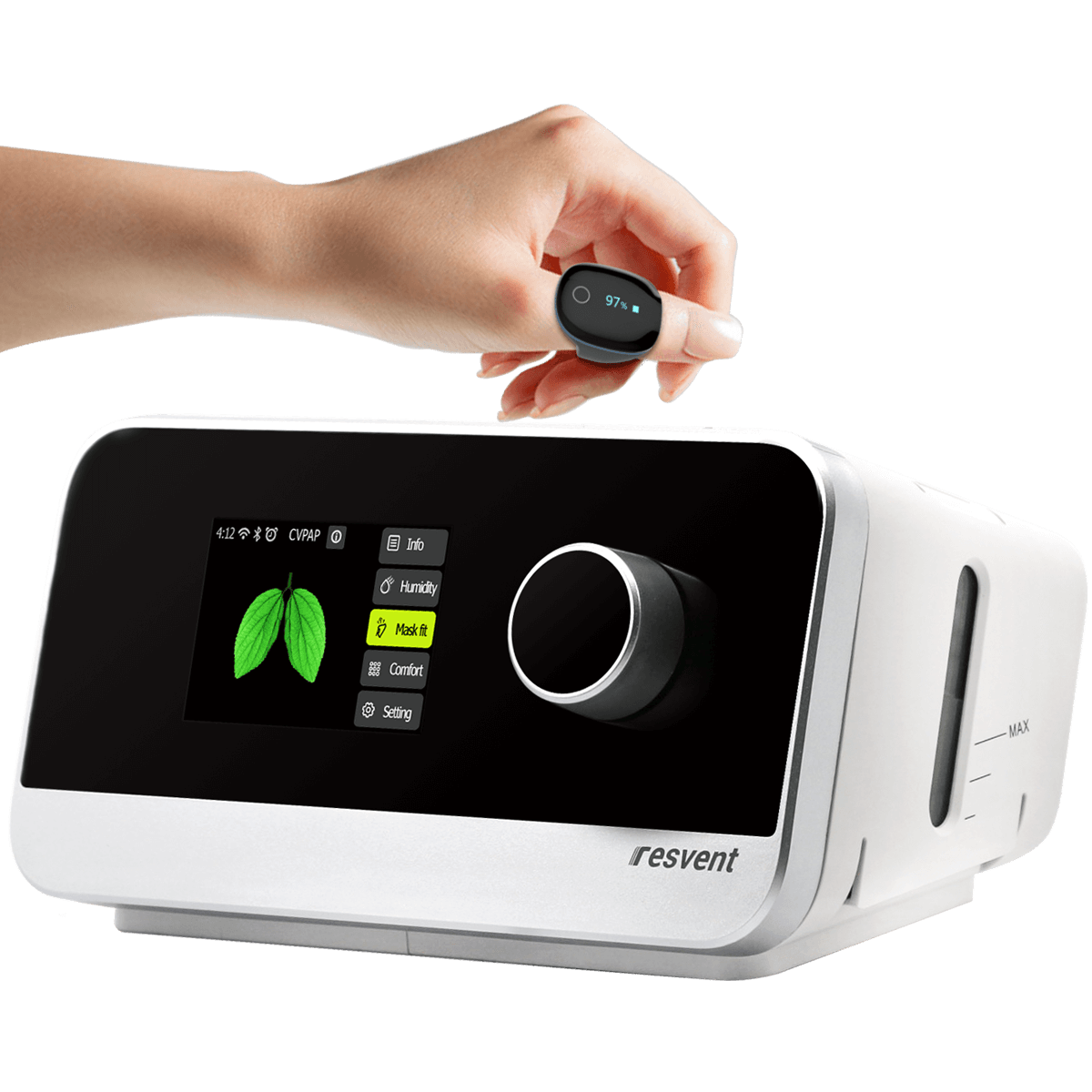
Pairing APAP therapy with the O2Ring oxygen monitor offers a more comprehensive view of your nightly breathing. This combination is ideal for users who want to track both airway pressure and blood oxygen saturation, helping ensure therapy is effective even as needs change. While it involves a slightly higher upfront investment and a bit more setup, users managing both sleep apnea and fluctuating oxygen levels benefit most. For example, someone with sleep apnea and mild COPD can monitor both conditions simultaneously for a more complete sleep health picture.
Conclusion: Making an Informed Choice for Better Sleep Health
CPAP, APAP, and BiPAP each occupy a unique space in sleep therapy. For most home users, especially those seeking adaptability and comfort, APAP (such as the iBreeze line) is the clear winner. If your doctor prescribes dual pressures or you face complex sleep issues, BiPAP becomes necessary. When in doubt, consult your sleep provider—they’ll help match your medical profile to the right machine. Prioritize comfort, data insights, and routine maintenance to get the best from whichever device you choose.