Quick take
We break down who this device is best for, what it measures, and how it compares in the market.
Your 2026 Guide to Understanding Blood Pressure Monitor Error Codes at Home
Home blood pressure monitoring has become a cornerstone of personal health management in 2026. With hypertension still impacting almost half of U.S. adults, routinely checking your blood pressure—using a trusted device—can help you and your healthcare provider stay ahead of potential issues. Yet, nothing derails a good monitoring habit like mysterious error codes flashing mid-measurement. Understanding these codes saves frustration, supports your device’s accuracy, and keeps your health records trustworthy.
Key Takeaways
- Most blood pressure monitor error codes can be resolved at home with basic troubleshooting.
- Common errors involve cuff placement, movement, or low battery—simple fixes restore accurate results.
- Consistent maintenance and knowing your device’s error messages prevent many repeat problems.
- If errors persist or seem unusual, check your device manual or consult a healthcare provider.
Who this is for
This guide is for anyone using a home blood pressure monitor—whether you’re managing hypertension, tracking general wellness, or helping a loved one. If you’re new to digital BP devices or have ever been stumped by an error message, you’ll find practical, straightforward answers here.
Introduction: Why Error Codes Matter in Home Blood Pressure Monitoring
The rise of at-home BP monitoring and device reliability
Home blood pressure monitors from brands like Wellue are more advanced and accessible than ever. They offer quick, reliable readings, often with app connectivity and data history. But even the best device—like the AirBP Plus Blood Pressure Monitor—relies on accurate measurement technique and proper maintenance.
How error codes protect your health and device accuracy
Error codes aren’t just annoyances; they’re built-in safeguards. A flashing "E1" or "Err CUFF" means the device detected an issue that could make your reading unreliable. By flagging potential problems, error codes help you avoid recording or acting on incorrect blood pressure data.
Decoding Blood Pressure Monitor Error Codes: The Basics
What are blood pressure monitor error codes?
Blood pressure monitor error codes are short messages (like E1, E2, or LO) that appear on digital screens when a measurement can’t be completed accurately. Each code points to a specific problem—most often related to how the device is used, or a technical issue needing attention.
Common types of error codes and what they indicate
- Cuff errors: Poor placement, loose fit, or a disconnected tube.
- Movement errors: Talking, moving, or tensing up during the reading.
- Irregular heartbeat alerts: Detected arrhythmia or pulse irregularity.
- Pressure/device errors: Fault in pressurization, internal malfunction, or blocked air pathways.
- Battery/power issues: Low or depleted batteries, or connectivity faults in rechargeable models.
Why understanding error codes is essential for accurate readings
Misinterpreting or ignoring error messages can lead to tracking incorrect blood pressure, which undermines the reason for home monitoring. Knowing what each error code means allows you to fix the issue quickly and keep your records consistent.
Common BP Monitor Error Codes and What They Mean
- Cuff not detected or improperly placed (E1, Err CUFF): The device cannot sense the cuff or the fit is loose. Re-wrap the cuff firmly on your upper arm, ensuring direct skin contact.
- Movement or talking detected (E2, Err MOTION): Movement or speech has interrupted the reading. Sit still, relax your arm, and avoid talking until completion.
- Irregular heartbeat warning (E3, IHB, Err IHB): The monitor sensed an inconsistent pulse. This may be a one-off or a sign of arrhythmia; repeat the test and, if persistent, consult your provider.
- Pressure error or device malfunction (E4, Err PRESSURE): Over-inflation, air leak, or blocked tubing. Check for twisted tubes or a properly connected cuff.
- Low battery or power issues (LO, Err BATTERY): Batteries need replacing or charging. Always use recommended battery types.
- Other frequent error messages: Some 2026 models may display codes like "Err SYS" (system error) or "Err DATA" (memory issue). Refer to your manual for specifics.
Blood Pressure Monitor Error Troubleshooting: Step-by-Step Solutions
- Correct cuff and arm placement: Position the cuff on bare skin, about an inch above your elbow. It should be snug, not tight, with the air tube aligned with your arm.
- Minimize motion errors: Sit upright, feet flat, arm on a table. Breathe normally and remain still and silent during the reading.
- Addressing irregular heartbeat alerts: Repeat the measurement after a few minutes. If alerts are frequent, mention them at your next checkup.
- Power and battery troubleshooting: Insert fresh batteries—avoid mixing old and new. For rechargeable devices, use the supplied charger.
- Reset or recalibrate: If errors persist after basic checks, power off and restart. Some monitors have a reset function detailed in their manual.
- Consult the manual or seek help: If error codes continue, review your device guide or contact manufacturer support for model-specific advice.
What Causes BP Monitor Errors? Preventing Issues Before They Start
- Cuff fit, arm size, and skin contact: Many error codes stem from an ill-fitting cuff or placement over clothing. Make sure you use the right size and follow setup instructions—devices like the Smart Blood Pressure Monitor feature adjustable cuffs for most adults.
- Environmental factors: Avoid taking readings in extreme temperatures, near cell phones, or in noisy environments, as these can interfere with device sensors.
- Device wear and cleaning: Regularly inspect your monitor and cuff for cracks or buildup. Wipe with a soft, damp cloth—never immerse the device.
- Know when to replace: If your monitor shows repeated system or calibration errors after troubleshooting, it may be time for repair or replacement.
Reading Device Error Reports: Interpreting and Logging Issues
Modern BP monitors, such as the Bluetooth Upper Arm Blood Pressure Monitor, store error logs and readings for review. Access the device history via the screen or linked app to see which error codes are recurring. Keeping a simple log of issues helps if you need to discuss concerns with your healthcare provider or the manufacturer’s support team.
When to Seek Medical or Technical Support
- Persistent error codes or device malfunction: If a code repeats even after careful troubleshooting, check your warranty or contact manufacturer support.
- Irregular heartbeat or abnormal readings: Frequent IHB or unexpected results should be shared with your healthcare professional.
- Choosing help: For device faults, start with the manufacturer. For health concerns, always choose your healthcare provider.
If you’re unsure
If you’re not sure whether a reading or error code is your fault or the device’s, start with basic checks: adjust the cuff, sit quietly, and repeat the measurement. Still getting errors? Reference your manual for the exact error code, or call support. When in doubt, bring your device and log to your next medical appointment for review.
Product Spotlights: Reliable Devices for Home BP Monitoring
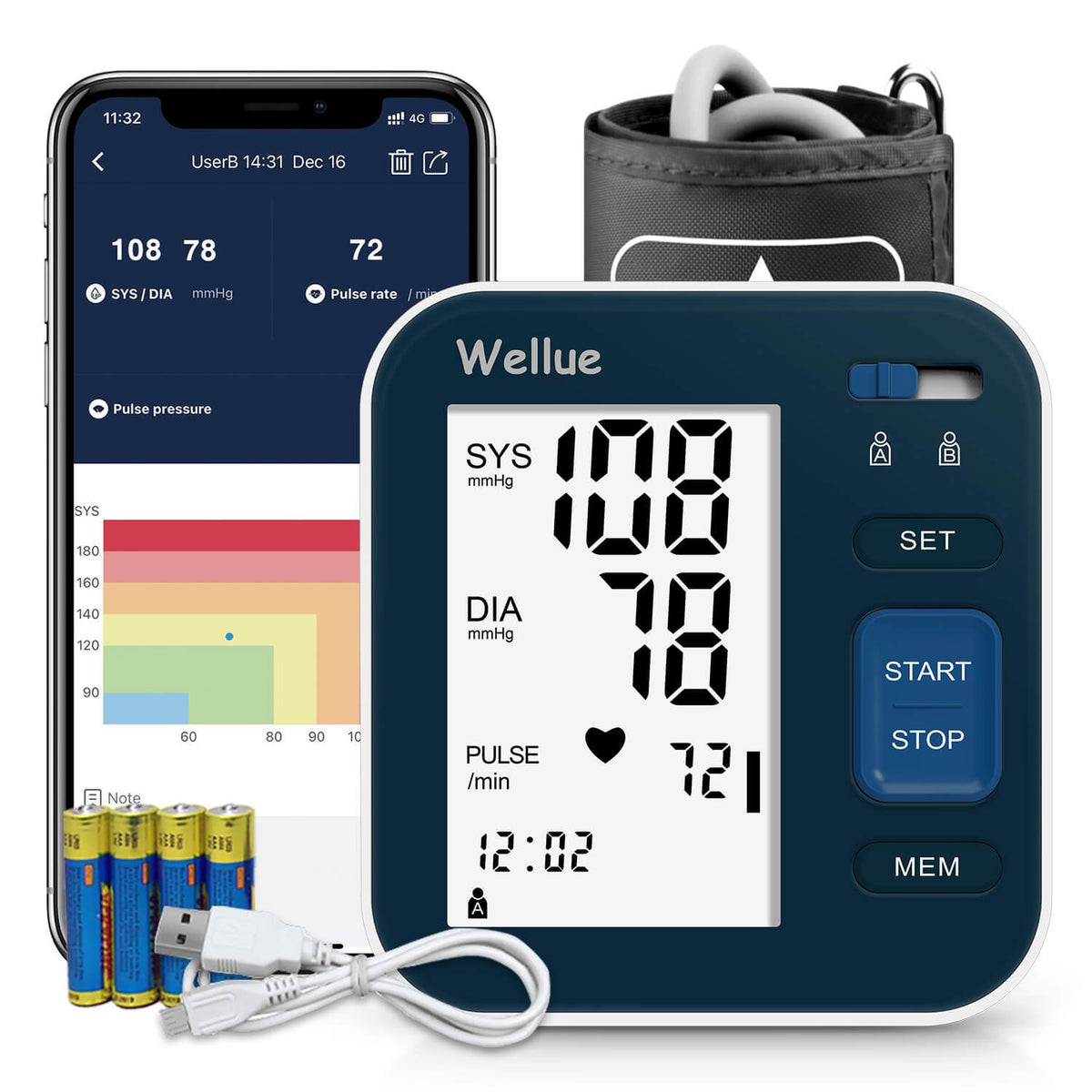
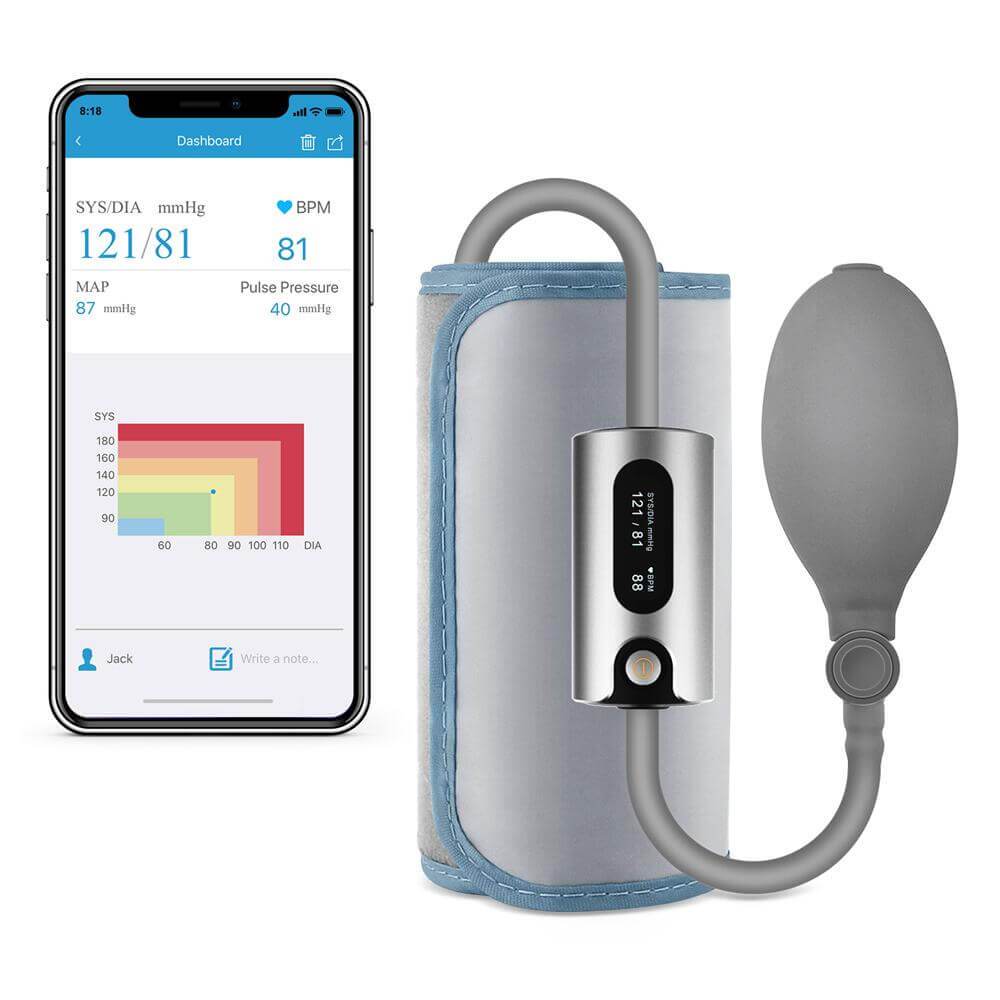
AirBP Plus Blood Pressure Monitor with Screen
Best for households that prioritize easy-to-read results and tracking trends over time, the AirBP Plus is a dependable choice for daily blood pressure checks. Its clear display and app sync make reviewing results straightforward, even for beginners. The automatic inflation and upper-arm cuff design promote consistent measurements. One limitation is that cuff fit and posture matter—a loose or twisted cuff can trigger errors. For someone monitoring hypertension at home, this monitor’s accuracy and data history features offer peace of mind.
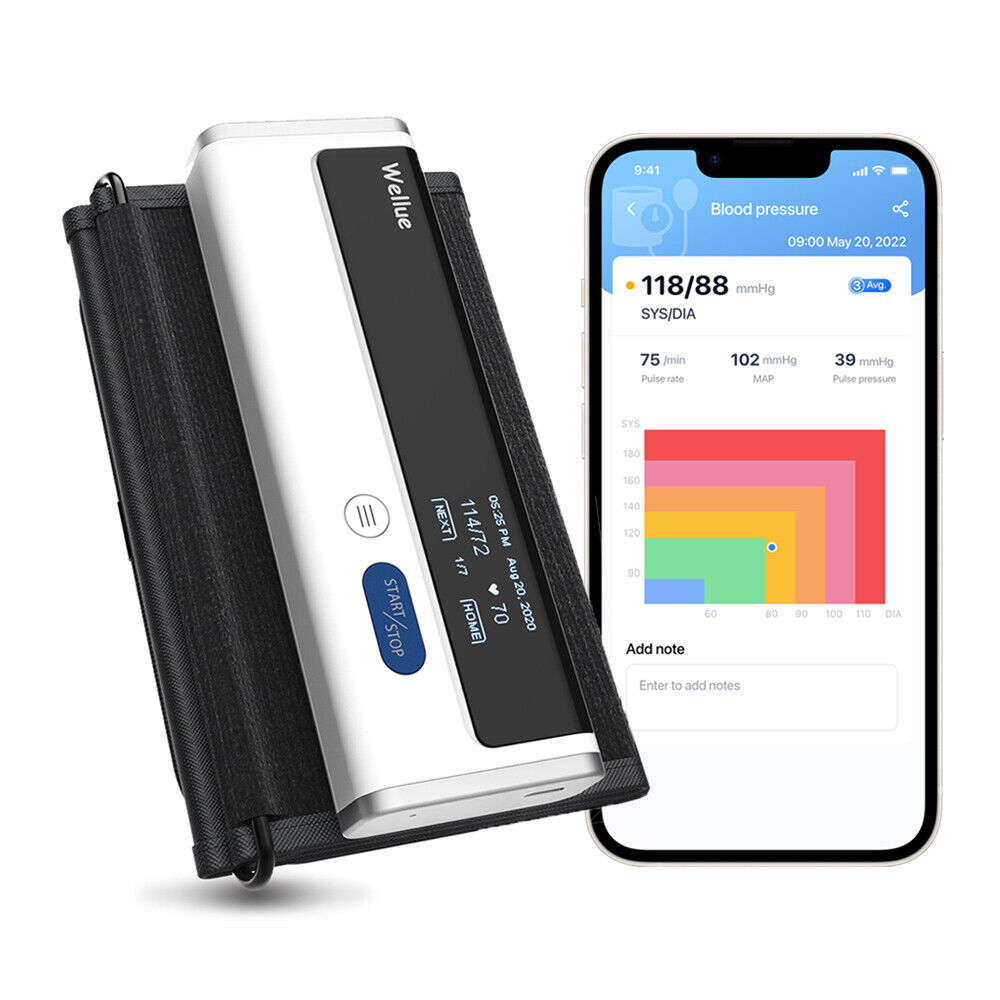
Smart Blood Pressure Monitor
This model shines for users who value portability and quick setup, thanks to its all-in-one design and wide-range adjustable cuff. Its OLED screen ensures results are readable in any light, and app connectivity allows you to track up to 100 readings. Like most devices, it requires careful cuff placement to avoid error codes, especially for those with larger or smaller arms. It’s a strong fit for anyone who wants hassle-free, on-the-go BP monitoring—just remember to review the manual if error messages appear frequently.
Conclusion: Staying Confident in Your Home Blood Pressure Monitoring
Understanding blood pressure monitor error codes at home isn’t just about fixing technical hiccups—it’s about making sure your health data is accurate and actionable. Most codes are easy to resolve with careful setup and troubleshooting. If you want a reliable, well-documented device, the AirBP Plus Blood Pressure Monitor is a standout for day-to-day use. For compact convenience, the Smart Blood Pressure Monitor is a great alternative. Whichever you choose, keep your device clean, stay attentive to error messages, and consult your manual or provider if uncertainty arises.