
Measuring your blood pressure at home is a cornerstone of modern self-care, but for those with smaller arms, choosing the right device is essential for both accuracy and comfort. An ill-fitting cuff can lead to misleading readings—potentially masking real risks or causing unnecessary worry. If you’re searching for a blood pressure monitor for small arms, this guide will help you find the best fit for your needs, clarify what to look for, and explain how to ensure accurate readings every time.
Key Takeaways
- Correct cuff size is the #1 factor in reliable home blood pressure monitoring for petite users.
- Look for monitors with adjustable or petite-sized cuffs, FDA clearance, and simple at-home operation.
- Measure your arm circumference before purchasing—never guess or assume standard cuffs will fit.
- Regular device maintenance and proper positioning are critical for consistent results.
- If you’re unsure about your readings or device fit, consult your healthcare provider.
Who This Is For
This guide is tailored for adults and teens with small or slender upper arms—typically less than 9 inches (22 cm) in circumference—who want to monitor their blood pressure at home. It’s also useful for caregivers, parents of petite adolescents, and anyone frustrated by unreliable readings on standard-size cuffs.
Understanding the Importance of Proper Cuff Fit
Why Cuff Size Matters for Accurate Blood Pressure Readings
The accuracy of a blood pressure monitor depends on how well the cuff fits your arm. Too large, and the reading may be falsely low. Too small, and you risk artificially high numbers. According to the NHLBI, reliable blood pressure measurements start with the right-sized cuff.
Risks of Using an Ill-Fitting Cuff on Small Arms
Using a cuff that’s too loose or wide for your upper arm can give you a false sense of security or raise unnecessary alarms—neither is helpful. If you routinely get unexpectedly high or low readings and have a petite build, re-check your cuff fit before worrying about your numbers.
Defining Small Arm Circumference: What Counts as Petite?
Small-arm cuffs are typically designed for upper arm circumferences between 17–22 cm (about 6.7–8.7 inches). Always check the device packaging or product page for the exact sizing range.
Essential Features in a Blood Pressure Monitor for Small Arms
Adjustable and Petite-Sized Cuffs: What to Look For
Prioritize monitors that include a small or adjustable cuff option (ideally starting below 22 cm). Some devices offer interchangeable cuffs—ensure the small size is included or available as an accessory.
Accuracy and FDA Clearance: Trustworthy Home BP Monitors
Choose models with FDA clearance or equivalent certifications for peace of mind. Both the AirBP Plus and Wellue Bluetooth Upper Arm Blood Pressure Monitor deliver medical-grade reliability when paired with the correct cuff size.
Comfort and Ease of Use for Petite Users
Look for soft, non-pinching materials and intuitive displays. Simple one-button operation and automatic inflation make these devices accessible for daily use.
Integration with Apps and Health Management Tools
Bluetooth-enabled monitors that sync with health apps allow you to track trends and easily share reports with your doctor. This is especially helpful for monitoring hypertension over time.
Top Choices: Best Home BP Monitors for Petite Users
| Model | Best For | Small Cuff Compatibility | App Integration | Key Limitation | Actions |
|---|---|---|---|---|---|
| AirBP Plus | Wireless accuracy, daily tracking | Yes (petite-size cuff available) | Yes | Requires correct cuff fit | Product |
| Bluetooth Upper Arm Monitor | Simple setup, multi-user | Yes (small cuff option) | Yes | Standard cuff may not fit all petite users | Product |
AirBP Plus Blood Pressure Monitor with Screen
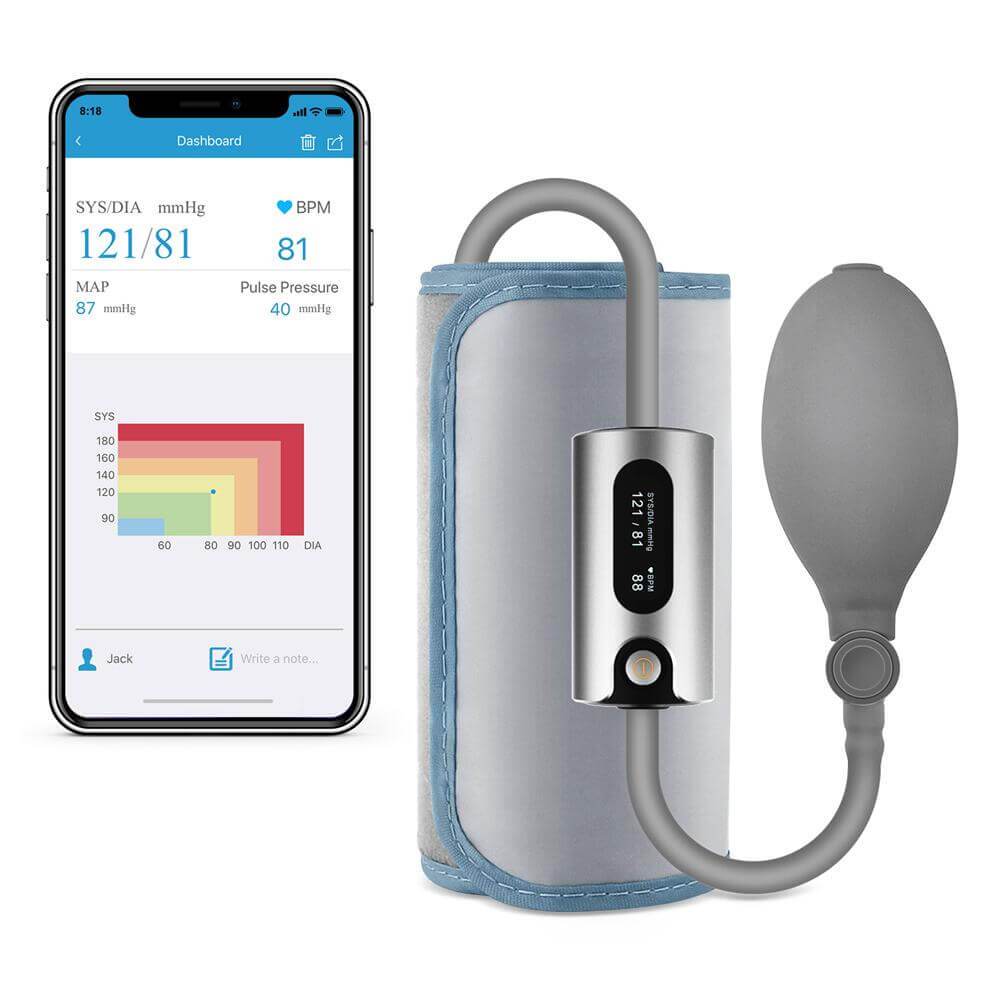 This monitor stands out for its wireless operation, app connectivity, and reliable upper-arm readings. The petite-sized cuff option makes it an excellent choice for slender or athletic users who have struggled with bulky standard cuffs. One limitation: you must ensure the cuff matches your arm size exactly for best results. It’s ideal for those who want to sync readings with Apple Health or manage hypertension with clear trend reports.
Wellue Bluetooth Upper Arm Blood Pressure Monitor
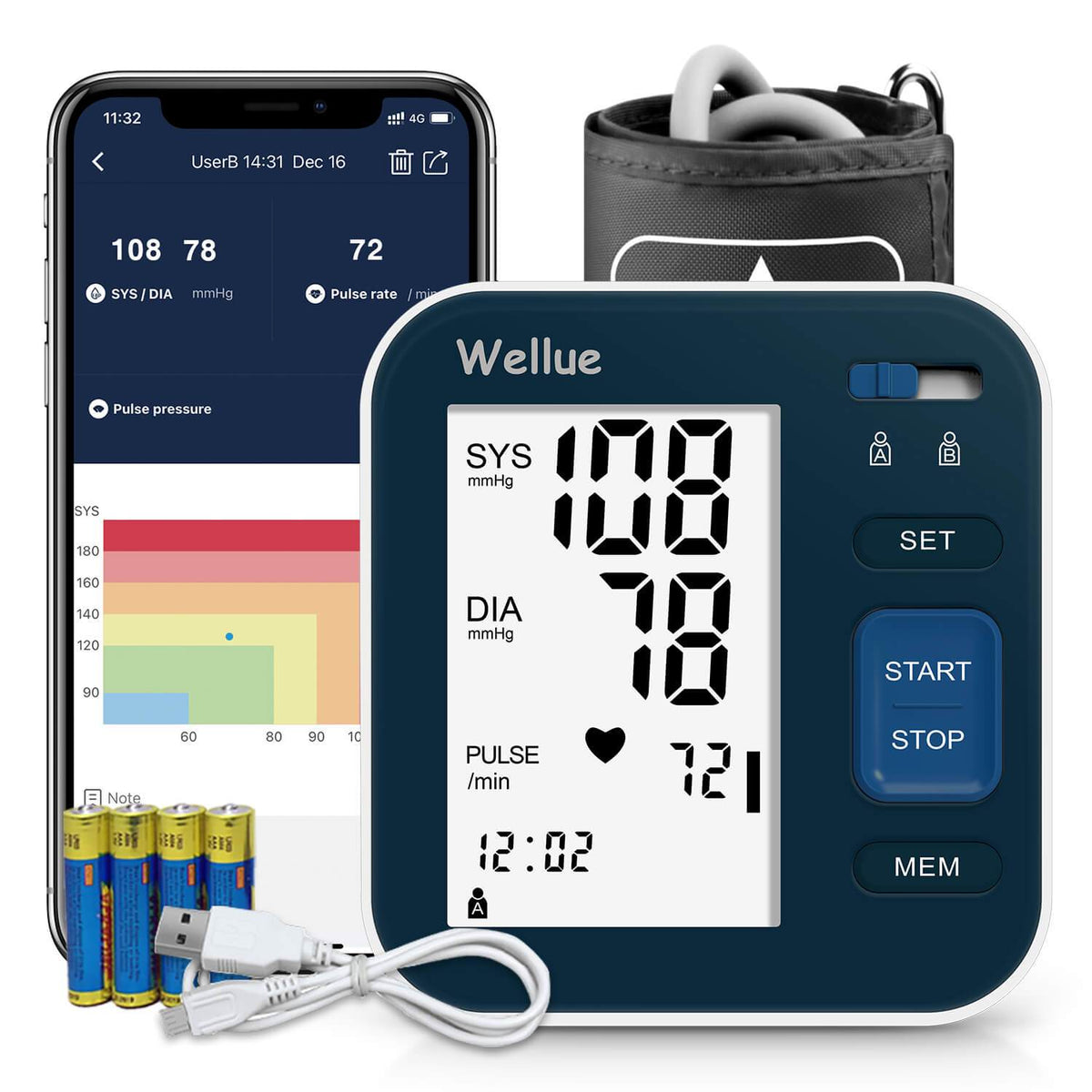 Designed for accuracy and simplicity, this model offers easy-to-read displays, smart averaging, and app compatibility. The small cuff accessory ensures a snug, secure fit for petite users, making it suitable for households with mixed arm sizes. Some users may need to confirm that the small cuff is included or order it separately. If you prefer quick setup and reliable historical tracking, this is a dependable pick for routine home use.
How to Measure Your Arm and Select the Right Cuff Size
Step-by-Step Guide to Measuring Arm Circumference
- Use a flexible tape measure.
- Wrap it around your upper arm, midway between the shoulder and elbow.
- Ensure the tape is snug but not tight; record the measurement in centimeters or inches.
Matching Your Measurement to Manufacturer Sizing
Check the product specifications for the correct cuff range. If your measurement falls at or below 22 cm (8.7 in), select a monitor with a small or petite cuff option. Avoid devices that only offer standard or large cuffs.
Common Mistakes to Avoid When Choosing a Cuff
- Guessing your arm size based on clothing size.
- Assuming a standard monitor will fit all users.
- Forgetting to check if a small cuff is included (not just available as an accessory).
Ensuring Accuracy: Setup Tips for Blood Pressure Monitoring at Home
Correct Positioning for Small Arms
Place the cuff on bare skin, above the elbow crease, and align the artery mark with your inner arm. Rest your arm at heart level and remain still during measurement.
How to Get Consistent, Reliable Readings
Take readings at the same time daily, avoid caffeine or exercise 30 minutes prior, and use the same arm each time. Always use the correct cuff size—this is especially crucial if you’re using a blood pressure monitor for small arms.
Troubleshooting Inaccurate Results
- Re-check cuff placement and tightness.
- Ensure the cuff is not twisted or overlapping.
- If readings seem inconsistent, compare with a clinic measurement to confirm device accuracy.
Maintenance and Care for Petite-Sized Blood Pressure Monitors
Cleaning and Storing Your Cuff and Device
Wipe the cuff with a damp cloth and mild soap—never submerge. Store in a cool, dry place to prolong the life of your device.
Replacing Small-Size Cuffs When Needed
Inspect your cuff regularly for cracking, fraying, or loss of elasticity. Replace it if you notice any damage or if readings become inconsistent despite proper use.
Routine Device Checks for Longevity
Replace batteries as needed and perform periodic calibration checks according to the manufacturer’s instructions.
When to Consult a Healthcare Professional
Signs Your Home Monitor May Not Be Right for You
If you cannot achieve a proper fit—despite using the smallest cuff—or notice large discrepancies between home and in-clinic readings, seek advice from your healthcare provider. Some conditions may require specialized monitoring.
How to Share Home BP Readings with Your Doctor
Export app reports or maintain a log of your readings. Bring this information to appointments for a more complete picture of your blood pressure trends.
Frequently Asked Questions
- What is considered a small arm circumference for blood pressure cuffs? Typically, 17–22 cm (6.7–8.7 inches) is considered small for adult upper-arm cuffs.
- Are there specific blood pressure monitors recommended for petite users? Yes—look for monitors that offer a small/petite cuff option, such as the AirBP Plus or Wellue Bluetooth Upper Arm Monitor.
- How do I know if my cuff is too large or too small? If the Velcro cannot fasten securely or wraps too far around your arm, the cuff is probably too large. If it barely fits or pinches, it may be too small.
- Can I purchase a replacement small-size cuff for my existing monitor? Many brands offer replacement cuffs in different sizes—verify compatibility with your model before purchasing.
- How often should I check my blood pressure at home if I have hypertension? Most guidelines recommend daily or every-other-day checks; ask your doctor for a schedule tailored to your needs.
If You’re Unsure
If you’re between sizes or struggle to find a snug fit, prioritize monitors with petite or adjustable cuffs and consider contacting the manufacturer for guidance. When in doubt, bring your device to your next healthcare visit for a fit-check.
Related Guides and Resources
Looking for more tips? See our guide on device cleaning & maintenance best practices.
Bottom Line: The Best Blood Pressure Monitor for Small Arms
For most users with petite arms, the AirBP Plus Blood Pressure Monitor stands out for its accuracy, comfort, and seamless app integration. If you want a straightforward alternative, the Wellue Bluetooth Upper Arm Blood Pressure Monitor is another excellent option—just ensure you select the small cuff. Both make home monitoring practical and reliable, so you can focus on your health, not your equipment.
Related reading
Sources and verification
Last checked: February 10, 2026
-
Wireless Blood Pressure Monitor. Support Free App works with Apple Health for easy management. – Wellue
*Only available in the USA and EU countries. *Only available in the USA and EU countries. A BP monitor to deliver accurate results.
-
Wellue Bluetooth Upper Arm Blood Pressure Monitor. The best home blood pressure monitor. The most accurate blood pressure monitor. Fully automatic.
When treating different types of disease of respiratory system, the mesh nebulizer is able to make variable nebulization rates between 0.15ml/min to 0.90ml/min. The device is also designed to have two different working modes, surge® mode which delivers auto-changing amounts of nebulized medicine and variable frequency mode which lets users manually control the nebulization rate. According to the World Health Organization (WHO), an estimated 1.13 billion people worldwide have hypertension. Especially in North America, "Nearly half of adults in the United States (108 million, or 45%) have hypertension defined as a systolic blood pressure ≥ 130 mm Hg or a diastolic blood pressure ≥ 80 mm Hg or are taking medication for hypertension" (www.cdc.gov). However, fewer than 1 in 5 people with hypertension have the problem under control. According to the World Health Organization (WHO), an estimated 1.13 billion people worldwide have hypertension. Especially in North America, "Nearly half of adults in the United States (108 million, or 45%) have hypertension defined as a systolic blood pressure ≥ 130 mm Hg or a diastolic blood pressure ≥ 80 mm Hg or are taking medication for hypertension" (www.cdc.gov). However, fewer than 1 in 5 people with hypertension have the problem under control.
-
Oxygen Monitor for Small Fingers | Wearable Pulse Oximeter | Wellue
*This device is for General Wellness & Sports & Aviation use only and not intended for medical use. *This device is for General Wellness & Sports & Aviation use only and not intended for medical use. This ring is designed to provide a better, more secure fit for smaller finger sizes.
-
Medical Devices | FDA
The .gov means it’s official.Federal government websites often end in .gov or .mil. Before sharing sensitive information, make sure you're on a federal government site. The site is secure. The https:// ensures that you are connecting to the official website and that any information you provide is encrypted and transmitted securely. Helping innovators, providers, and patients reimagine the home as an integral part of the health care system.
-
High Blood Pressure - What Is High Blood Pressure? | NHLBI, NIH
An official website of the United States government Official websites use .gov A .gov website belongs to an official government organization in the United States. Secure .gov websites use HTTPS A lock ( A locked padlock ) or https:// means you’ve safely connected to the .gov website. Share sensitive information only on official, secure websites.
-
High blood pressure (hypertension) - Symptoms & causes - Mayo Clinic
High blood pressure is a common condition that affects the body's arteries. It's also called hypertension. If you have high blood pressure, the force of the blood pushing against the artery walls is consistently too high. The heart has to work harder to pump blood. Blood pressure is measured in millimeters of mercury (mm Hg). In general, hypertension is a blood pressure reading of 130/80 mm Hg or higher. The American College of Cardiology and the American Heart Association divide blood pressure into four general categories. Ideal blood pressure is categorized as normal.