Quick take
We break down who this device is best for, what it measures, and how it compares in the market.
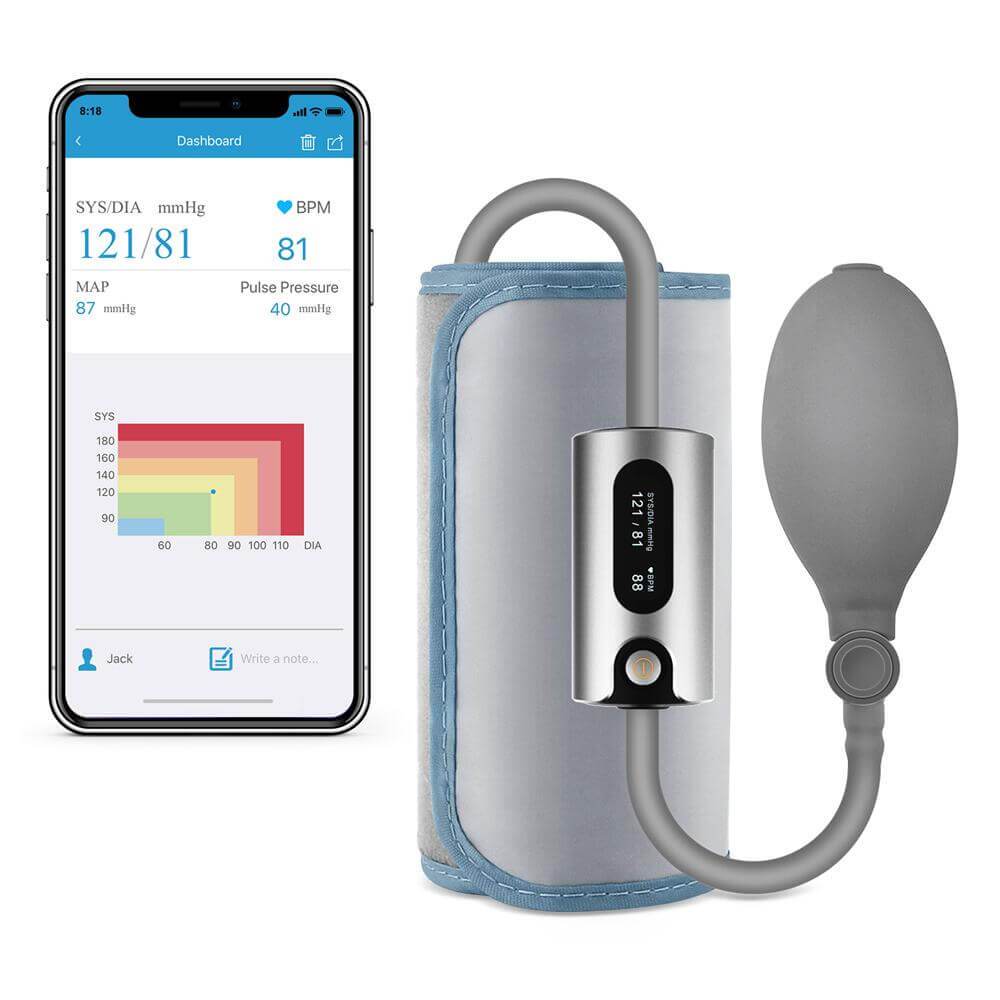
What to Look for in a Blood Pressure Monitor: 2026 Buyer's Guide
Key Takeaways
- Prioritize accuracy: Look for FDA-cleared monitors with proven reliability.
- Fit and comfort matter—choose a cuff size that matches your arm and is easy to adjust.
- Clear displays and simple operation are essential, especially for seniors or anyone with vision limitations.
- App connectivity and robust data storage help you track trends and share results with your provider.
- Budget options can be effective if they don’t sacrifice essential features.
Introduction: Why Home Blood Pressure Monitoring Matters
High blood pressure remains a silent threat in 2026, affecting nearly half of adults in North America (NHLBI). Home monitoring empowers you to catch changes early, understand your blood pressure monitor readings' meaning, and take action alongside your healthcare provider. For many, a reliable monitor bridges the gap between clinic visits and everyday health.
Who This Is For
This guide is for anyone ready to take charge of their heart health at home—whether you’re newly diagnosed, monitoring for peace of mind, managing a chronic condition, or caring for a loved one. If you’re comparing the best blood pressure monitor for seniors, want an affordable blood pressure monitor with app support, or need help understanding what to look for in a blood pressure monitor, you’re in the right place.
Understanding Blood Pressure Monitors: Types and Technology
Upper Arm vs. Wrist Blood Pressure Monitors
Upper arm monitors remain the gold standard for home use. They provide readings that are generally more consistent with those taken at a clinic. Wrist monitors can be tempting for portability, but their accuracy depends heavily on positioning and may not suit everyone, especially seniors or those with mobility issues. If accuracy is your top priority, opt for an upper arm model.
What Does a 24 Hour Blood Pressure Machine Look Like?
24-hour blood pressure monitors, also called ambulatory monitors, are bulkier, with a small recorder worn on a belt and a cuff that inflates automatically at intervals. They’re typically prescribed for diagnostic evaluation and aren’t needed for routine home use. Most at-home users will do best with a standard upper arm monitor for daily tracking.
Manual vs. Automatic Monitors
Automatic (digital) monitors dominate the home market for good reason. They’re easy to use, require no stethoscope or special skills, and provide quick results. Manual models, while still available, are best left to professionals for spot checks or training scenarios.
Must-Have Features: What to Look for in a Blood Pressure Monitor
Accuracy and FDA Clearance
Accuracy is non-negotiable. Look for devices that specify FDA clearance or similar regulatory approval—a sign they meet recognized standards (FDA). Avoid generic or unverified brands, especially in the “cheap and best bp monitor” category, unless independent validation is available.
Cuff Fit and Comfort
A poorly sized cuff skews results. Choose a monitor with a wide-range adjustable cuff (typically 22–42 cm for adults). This ensures a good fit whether you have average or larger arms. Comfort matters, especially for frequent checks.
Display Readability
Readable displays are essential—especially for seniors or those checking readings in low light. Seek out monitors with large, high-contrast screens. OLED or bright LED screens, like those found on the Smart Blood Pressure Monitor, are top choices.
Ease of Use
One-button operation and fast measurements reduce frustration and error. Devices that inflate automatically and provide averaged readings, like the Bluetooth Upper Arm Blood Pressure Monitor, streamline the process for any user.
Data Storage and App Connectivity
For tracking trends, choose a monitor with onboard memory and app connectivity. Affordable blood pressure monitors with app support let you review history, spot patterns, and share data with your doctor. The AirBP Plus Blood Pressure Monitor syncs smoothly with major health apps.
Power Options
Battery and USB charging offer flexibility. If you travel or don’t want to worry about outlets, a monitor with both options is ideal.
Multi-User and Guest Modes
Sharing a monitor? Look for models with multiple user profiles or guest modes, so everyone’s readings stay organized.
Data Quality and Report Interpretation
Understanding Blood Pressure Monitor Readings Meaning
Your reading includes systolic (top number), diastolic (bottom number), and sometimes pulse. According to the Mayo Clinic, a reading below 120/80 mm Hg is considered normal for most adults (Mayo Clinic). Monitors that flag readings outside the healthy range or indicate irregular heartbeat can offer early warnings but do not replace professional advice.
How Monitors Flag Irregular Heart Rhythms
Some devices alert you if they detect an irregular heartbeat during measurement. While this is helpful, always confirm any concerns with your medical provider.
Reviewing Historical Data and Trends
Being able to review the last 50–100 readings directly on the device or via an app is invaluable for spotting trends and making informed decisions.
Integrating with Health Apps
Most modern monitors now sync with Apple Health or similar platforms, making it easy to store and share your results securely.
Budget Considerations: From Cheap and Best BP Monitors to Premium Options
Affordable Blood Pressure Monitors with Essential Features
Value-focused models can be accurate if they meet regulatory standards and don’t skip critical features like adjustable cuffs and readable displays. The AirBP Plus and Smart Blood Pressure Monitor are both strong contenders for those seeking a balance of price and reliability.
Premium Features
If you want color-coded readings, larger memory, or advanced connectivity, premium models can be worth the extra spend—especially for multi-user households or those managing chronic conditions.
Long-Term Value
Look for devices with sturdy construction, clear warranty terms, and accessible customer support. A cheap device that wears out or malfunctions quickly is no bargain.
Device Setup, Cleaning, and Maintenance
Initial Setup and Calibration Tips
Always read the manual and follow setup instructions for accurate results. Some devices require calibration or a test run; most modern models are ready out of the box.
Routine Cleaning for Accuracy and Longevity
Wipe the cuff and housing with a damp cloth, avoiding harsh cleaners. Regular cleaning prevents material breakdown and maintains measurement accuracy.
Troubleshooting Common Issues
If readings seem off, check the cuff fit, replace batteries, and ensure you’re seated correctly. Persistent issues may indicate a need for professional calibration or replacement.
Comparing Popular Monitors: Upper Arm vs. Wrist vs. 24-Hour Models
| Model | Type | Best For | App Support | Cuff Range | Readability | Winner/Use-Case | Actions |
|---|---|---|---|---|---|---|---|
| Upper Arm | Routine tracking | Yes | 22–42 cm | Large OLED | Reliable choice for most users | ||
| Upper Arm | Data sharing, travel | Yes | 22–42 cm | High contrast | Frequent travelers, tech users | ||
| Upper Arm | App integration, families | Yes | 22–42 cm | Bright, intuitive | Multi-user homes | ||
| Wrist | Occasional use, travel | Varies | Small–Medium | May be smaller | Only if upper arm not possible | ||
| Upper Arm (clinic) | Diagnostic use | Clinic only | Clinic-sized | N/A | Doctor-prescribed only |
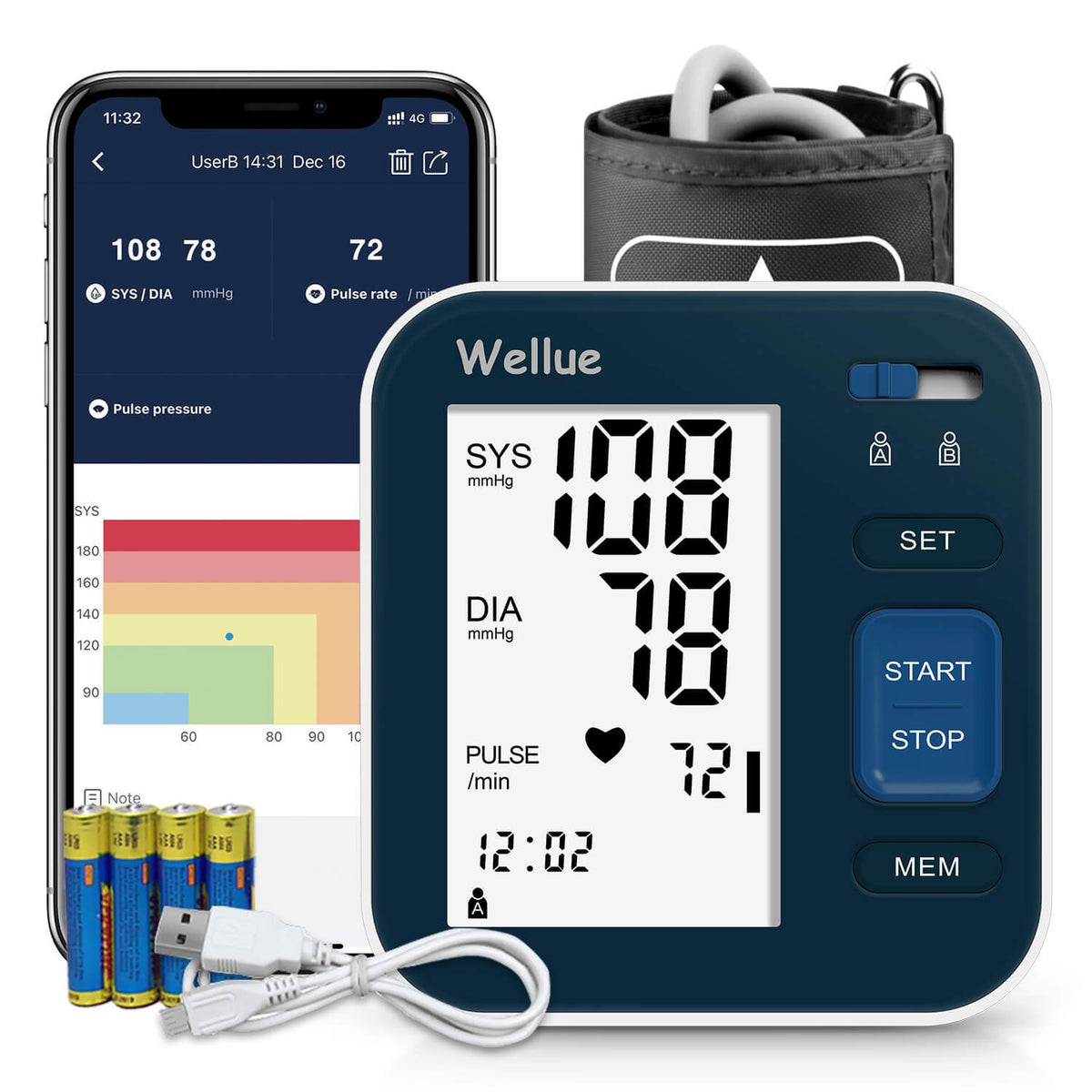
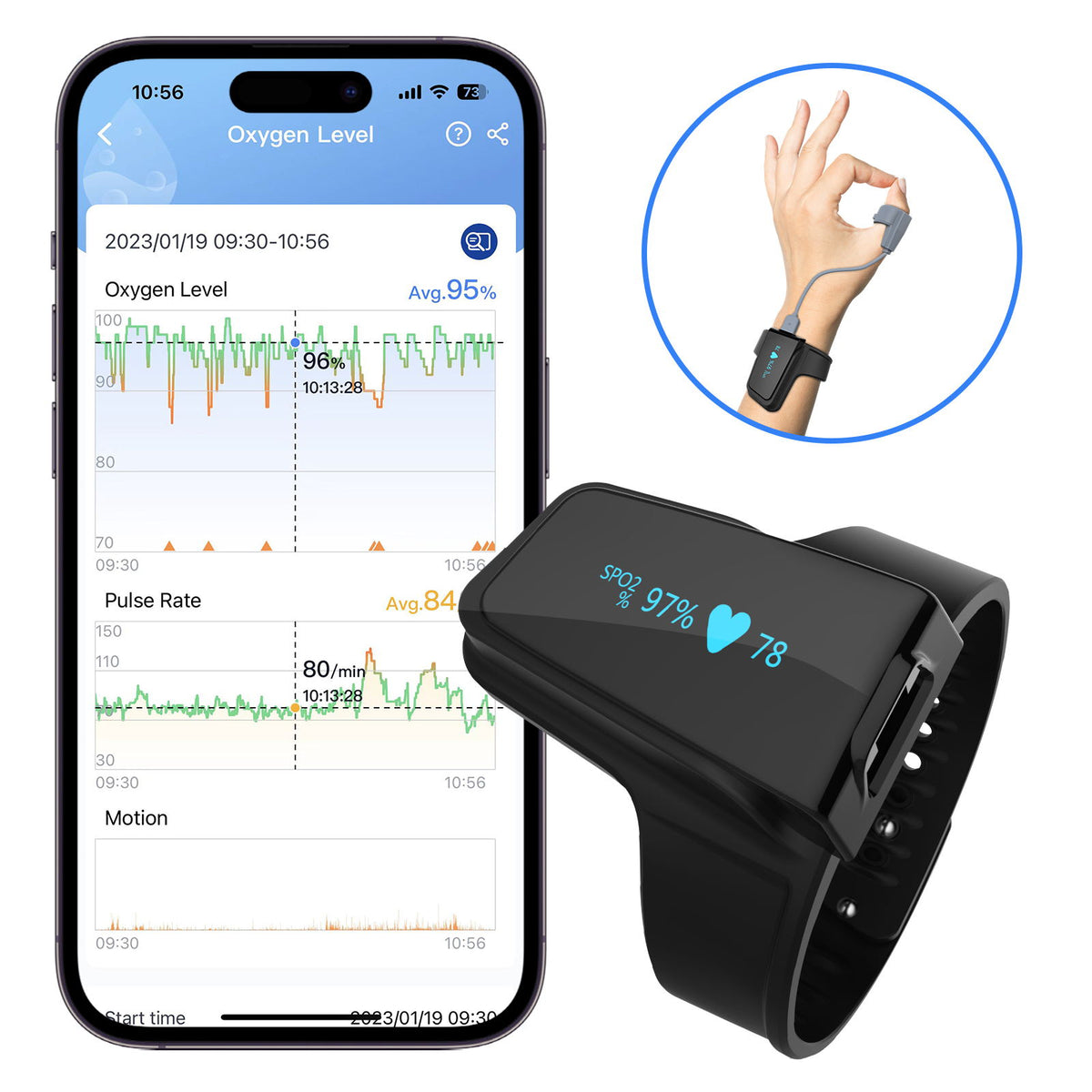

How to Read and Use Blood Pressure Reports
Tracking Progress Over Time
Look for patterns, not just single readings. Consistent readings above 130/80 mm Hg may require a discussion with your healthcare professional (NHLBI).
Sharing Data with Your Healthcare Provider
App-connected devices make it simple to export and share your results, streamlining appointments and improving care.
Recognizing When to Seek Medical Advice
If you notice a sudden change, consistently high readings, or irregular pulse warnings, contact your provider promptly. Home monitors are for tracking and awareness—not for emergency diagnosis.
If You're Unsure
If you’re still weighing options, start with an FDA-cleared upper arm monitor with an adjustable cuff and large display. For those who want to track trends or share data, ensure app connectivity. If simplicity is your top concern, look for a monitor with one-button operation and clear instructions.
Featured Products: Real-World Performance
AirBP Plus Blood Pressure Monitor with Screen
For those who want dependable results and easy tracking, the AirBP Plus stands out. Its upper-arm design and app sync combine medical accuracy with user-friendly data review. The clear display and auto-inflation mean less hassle for daily checks, while the averaged readings give you a better picture of your trend over time. The main thing to watch: ensure the cuff fits snugly each time. It’s a practical fit for anyone wanting straightforward, reliable home monitoring without paying for unnecessary extras.
Smart Blood Pressure Monitor
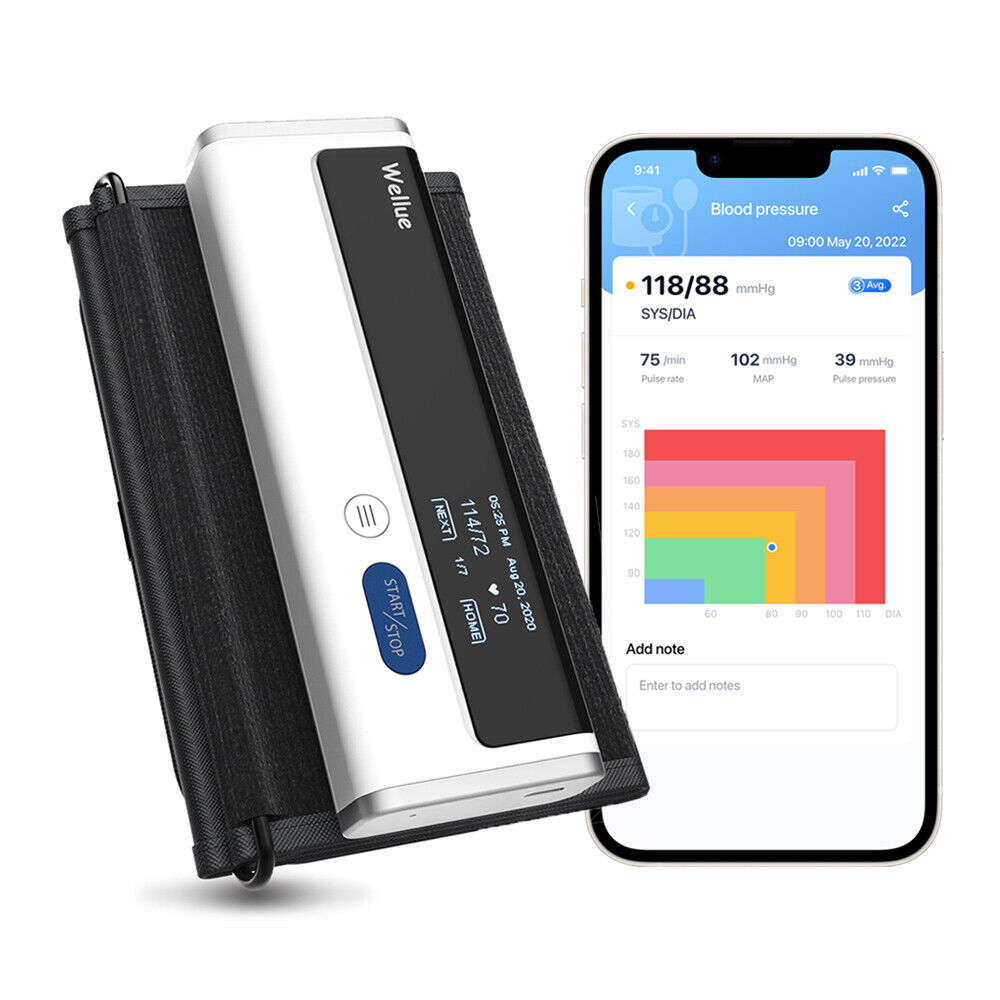
The Smart Blood Pressure Monitor is a strong contender for families or anyone managing multiple users. Its wide-range adjustable cuff suits most adults, and the OLED screen is easy to read day or night. Quick measurements and seamless Bluetooth syncing make it easy to track and share your readings. Like most digital monitors, proper posture and cuff placement are key for accuracy. If you want a blend of value, comfort, and tech, it’s hard to beat for everyday tracking.
Conclusion: Making an Informed Choice for Your Health
The best blood pressure monitor is the one you’ll use regularly, that fits you well, and that you trust to give you meaningful data. For most, an FDA-cleared upper arm monitor with adjustable cuff and app support hits the sweet spot for reliability and value. If you want maximum simplicity, the AirBP Plus is easy to recommend. For families or tech users, the Smart Blood Pressure Monitor is a smart, future-ready alternative.