
Key Takeaways
- Modern blood pressure monitors can detect irregular heartbeats (arrhythmias) during routine home checks.
- Choosing a BP monitor with built-in arrhythmia detection improves the accuracy of readings and helps identify underlying heart rhythm issues.
- Top-rated devices offer a balance of accuracy, ease of use, data storage, and user comfort for daily monitoring.
- Proper setup, maintenance, and understanding alerts are crucial for reliable home blood pressure and rhythm monitoring.
Understanding Irregular Heartbeat and Blood Pressure Monitoring at Home
Why Irregular Heartbeat Detection Matters
For anyone with hypertension, heart disease, or a family history of arrhythmia, detecting irregular heartbeats at home can be a critical early warning system. Many common BP monitors now feature built-in arrhythmia detection, providing a simple way to flag possible rhythm issues during your regular blood pressure checks. While these devices can't diagnose specific arrhythmias, they can alert you to seek further evaluation from your healthcare provider.
How Arrhythmia Can Affect Blood Pressure Readings
Arrhythmias can cause fluctuating blood pressure values and make readings less consistent. A BP monitor with irregular heartbeat detection helps filter out unreliable measurements and can prompt you to repeat readings or consult your doctor if irregularities occur often.
Overview of Home Monitoring Benefits
Self-monitoring with a validated home BP monitor gives you control and context—making it easier to spot trends, share meaningful data with your care team, and make informed decisions about your health.
What to Look for in a BP Monitor with Arrhythmia Detection
Essential Features for Home Use
- Arrhythmia (irregular heartbeat) detection with clear on-screen alerts
- Proven accuracy—preferably validated against recognized standards
- Simple, comfortable cuff design for consistent readings
- Readable display and easy-to-navigate interface
- Data storage and, optionally, Bluetooth/app connectivity for long-term tracking
Accuracy and Validation Standards
Look for devices that meet FDA clearance or international clinical guidelines. Accuracy matters even more if you have an irregular pulse; validated monitors reduce the risk of misleading results.
Cuff Fit, Display Readability, and Ease of Use
An improperly fitted cuff or hard-to-read screen can make self-monitoring frustrating and less reliable. Choose a model with a wide-range adjustable cuff and a display that's easy to interpret, especially if you plan to monitor daily.
Top Blood Pressure Monitors for Irregular Heartbeat Detection
Wellue AirBP Plus Wireless Blood Pressure Monitor: Precision and Simplicity
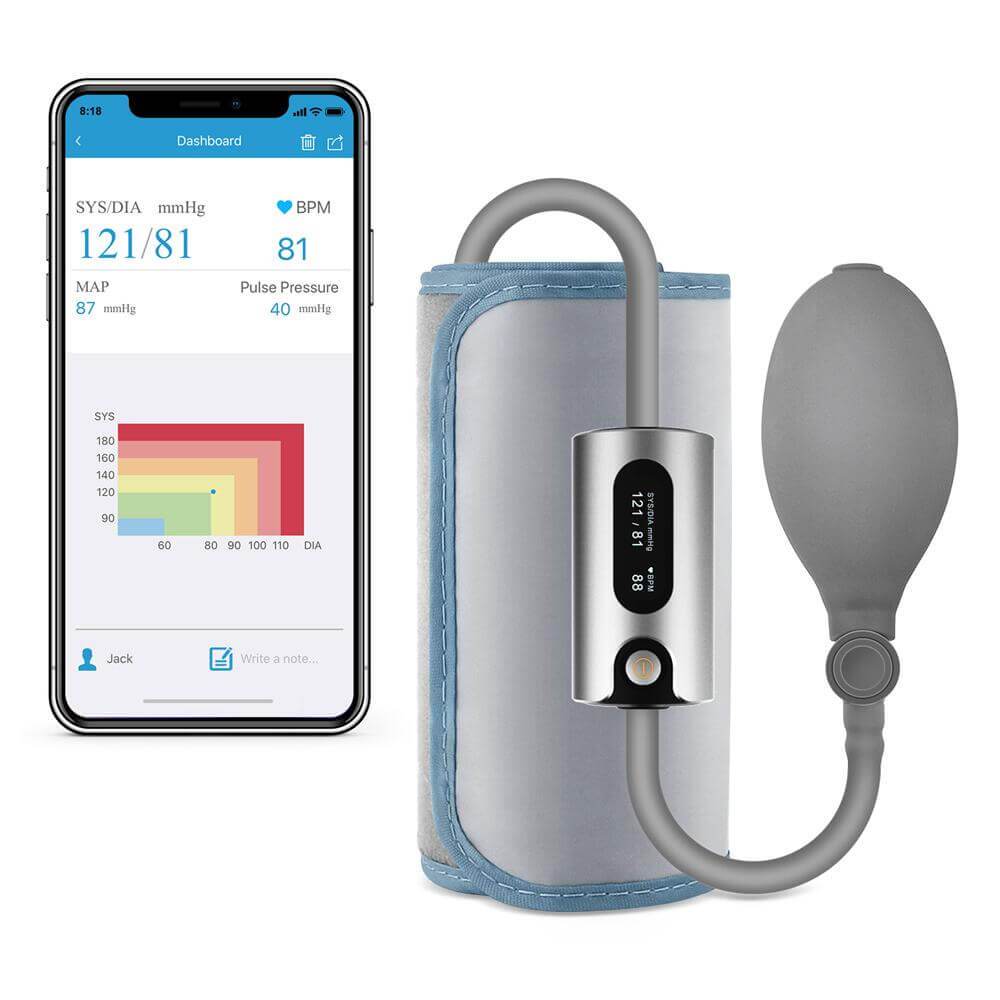 The AirBP Plus stands out for its blend of clinical-grade accuracy and intuitive wireless design. This model is best for users who want a straightforward, reliable way to track blood pressure and spot irregular heartbeats, with results synced to a companion app for trend review. One limitation is that a proper cuff fit and posture are essential—if you have mobility or dexterity issues, initial setup may require assistance. In daily use, the AirBP Plus shines by delivering quick, clear readings and highlighting any detected arrhythmias directly on the display.
Wellue Bluetooth Upper Arm Blood Pressure Monitor: Fully Automatic Arrhythmia Alerts
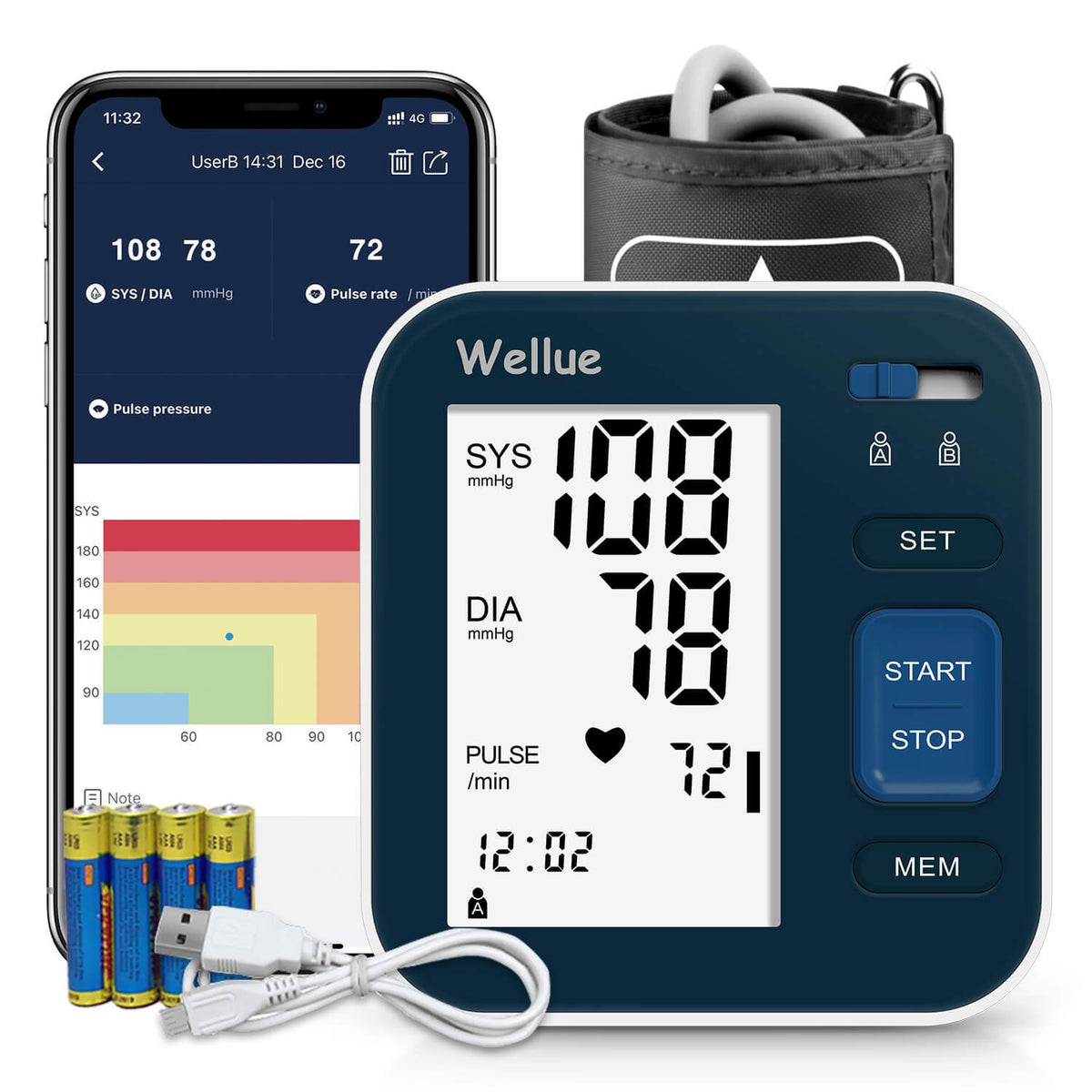 If you prioritize ease of use, the Bluetooth Upper Arm BP Monitor offers one-touch operation and automatic arrhythmia alerts during every measurement. It's particularly well-suited for households managing multiple users or anyone who values minimal fuss with setup. The display is crisp, and the device stores ample historical data, but like other upper-arm models, proper cuff positioning is key for accuracy. This monitor is an excellent choice for routine home monitoring, especially when paired with its app for tracking trends and sharing reports with your provider.
Wellue Smart Upper Arm Portable BP Monitor: Compact and User-Friendly
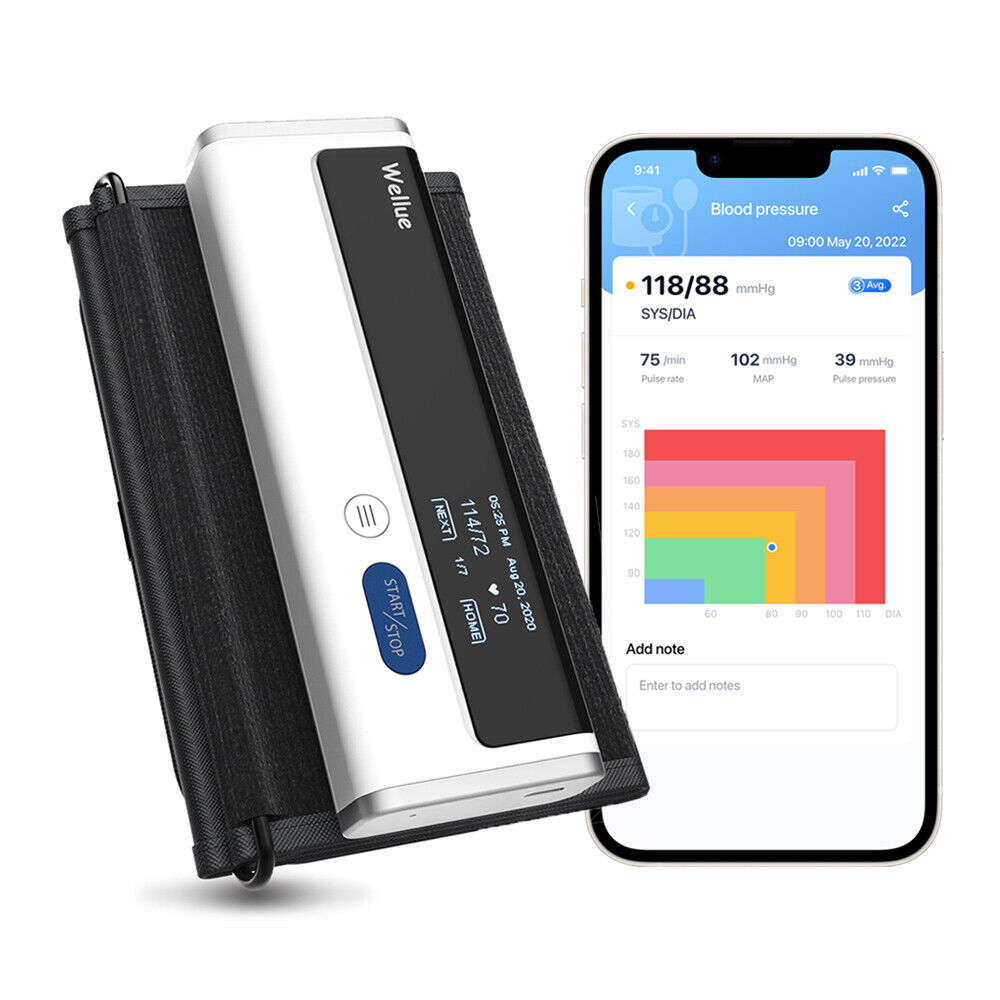 The Smart Upper Arm Portable BP Monitor is ideal for those who travel or need a BP monitor in multiple locations. Its one-piece, compact design makes it easy to pack, and it still delivers reliable irregular heartbeat detection with each reading. The OLED display is easy to read, and syncing data to your phone is seamless, though the device's size may not suit those preferring a larger interface. For busy individuals who want to keep tabs on their blood pressure and rhythm anywhere, this model offers both convenience and peace of mind.
Other Noteworthy Models: What to Consider
There are other BP monitors on the market with arrhythmia detection, but not all offer the same level of accuracy, comfort, or data integration. Prioritize models with established reliability and transparent data reporting, especially if you're sharing results with a healthcare provider.
Comparison Table: Best Home BP Monitors with Irregular Heartbeat Detection
| Device | Arrhythmia Detection | Accuracy | Usability | Data Storage | Connectivity | Comfort | Best For | Actions |
|---|---|---|---|---|---|---|---|---|
| AirBP Plus | Yes (on-screen & app) | High (clinically validated) | Simple, wireless | App & device | Bluetooth | Wide-range cuff | Routine home tracking | |
| Bluetooth Upper Arm | Yes (automatic alert) | High | One-touch, large display | App & device | Bluetooth | Classic arm cuff | Family use, simplicity | |
| Smart Portable BP Monitor | Yes (on-device & app) | High | Compact, travel-friendly | Device (100 records) | Bluetooth | Adjustable cuff | On-the-go monitoring |
Actionable Tips for Choosing the Right Model
- If you need routine, at-home monitoring with data sharing, opt for the AirBP Plus or Bluetooth Upper Arm.
- For frequent travelers or those with limited space, the Smart Portable BP Monitor is hard to beat.
- Always prioritize cuff fit and comfort—an ill-fitting cuff can skew results regardless of tech features.
If you're unsure: Start by identifying whether you want a device primarily for one person (choose a compact or easy-to-use model) or for household sharing (go for a larger, memory-rich monitor). If app connectivity is important for tracking or sharing results, make sure your pick supports Bluetooth and has a good companion app.
How to Use and Interpret Arrhythmia Detection Features
Step-by-Step Setup: Arm Placement, Cuff Size, and Calibration
- Wrap the cuff snugly around your upper arm, following device instructions for placement and orientation.
- Remain seated, feet flat on the floor, and relax for a few minutes before measuring.
- Press start and avoid talking or moving during the reading.
- Review both your blood pressure values and any irregular heartbeat alerts; repeat the measurement if prompted.
Understanding Irregular Heartbeat Alerts and What to Do Next
Most BP monitors with arrhythmia detection will display an icon or message if an irregular rhythm is detected. Occasional alerts are common and not always cause for concern, but frequent or persistent irregular heartbeat warnings should be discussed with your doctor. Never use these features as a substitute for professional evaluation.
When to Contact Your Healthcare Provider
If your device repeatedly flags an irregular heartbeat, or if you notice symptoms like palpitations, dizziness, or chest discomfort, contact your healthcare provider promptly. Home BP monitors are designed for tracking and early detection, not for diagnosis.
Maintenance and Troubleshooting for Reliable Readings
Cleaning and Caring for Your Blood Pressure Monitor
Keep the cuff and device clean by wiping with a soft, damp cloth. Avoid harsh cleaners and ensure the cuff is fully dry before use. Store your monitor in a cool, dry place to extend its lifespan.
Tips for Consistent and Accurate Measurements
- Measure at the same time each day for trend consistency.
- Avoid caffeine, exercise, or smoking at least 30 minutes before measuring.
- Ensure the cuff is at heart level and sized correctly for your arm.
Common Issues and How to Resolve Them
- Error messages: Recheck cuff placement and remain still during measurements.
- Inconsistent readings: Calibrate the device if possible or consult the manual.
- Weak batteries: Replace as needed to avoid false alerts or dropped connections.
Who This Is For
If you or a loved one manages high blood pressure, has a history of irregular heart rhythms, or simply wants more insight into heart health, a home BP monitor with arrhythmia detection is a smart investment. These devices are particularly valuable for seniors, those on heart medications, or anyone monitoring cardiovascular risk factors.
Conclusion: Taking Charge of Your Heart Health at Home
Reliable blood pressure monitors with arrhythmia detection empower you to spot changes early, track your heart health, and share actionable data with your care team. The AirBP Plus offers the best all-around package for most users, while the Smart Portable BP Monitor is a strong alternative for those prioritizing portability.
Related reading
Sources and verification
Last checked: February 9, 2026
-
Wireless Blood Pressure Monitor. Support Free App works with Apple Health for easy management. – Wellue
*Only available in the USA and EU countries. *Only available in the USA and EU countries. A BP monitor to deliver accurate results.
-
Wellue Bluetooth Upper Arm Blood Pressure Monitor. The best home blood pressure monitor. The most accurate blood pressure monitor. Fully automatic.
When treating different types of disease of respiratory system, the mesh nebulizer is able to make variable nebulization rates between 0.15ml/min to 0.90ml/min. The device is also designed to have two different working modes, surge® mode which delivers auto-changing amounts of nebulized medicine and variable frequency mode which lets users manually control the nebulization rate. According to the World Health Organization (WHO), an estimated 1.13 billion people worldwide have hypertension. Especially in North America, "Nearly half of adults in the United States (108 million, or 45%) have hypertension defined as a systolic blood pressure ≥ 130 mm Hg or a diastolic blood pressure ≥ 80 mm Hg or are taking medication for hypertension" (www.cdc.gov). However, fewer than 1 in 5 people with hypertension have the problem under control. According to the World Health Organization (WHO), an estimated 1.13 billion people worldwide have hypertension. Especially in North America, "Nearly half of adults in the United States (108 million, or 45%) have hypertension defined as a systolic blood pressure ≥ 130 mm Hg or a diastolic blood pressure ≥ 80 mm Hg or are taking medication for hypertension" (www.cdc.gov). However, fewer than 1 in 5 people with hypertension have the problem under control.
-
Smart Upper Arm Portable Blood Pressure Monitor, Bluetooth BP Machine with One Piece Design – Wellue
Wrap the cuff around your arm, one press to measure blood pressure and get the readings (systolic pressure, diastolic pressure, pulse rate) in 30 seconds. It's simple to use the smart digital blood pressure monitor at home. An OLED screen to read results clearly. Easily review the last 100 BP historical data in the machine. As a device with great accuracy, the readings deserve your trust. A wide-range adjustable cuff fits standard to large adults (22-42cm). The 360° accuracy zone of the easy-wrap cuff ensures consistent and precise measurement, more comfortable to wear.
-
Medical Devices | FDA
The .gov means it’s official.Federal government websites often end in .gov or .mil. Before sharing sensitive information, make sure you're on a federal government site. The site is secure. The https:// ensures that you are connecting to the official website and that any information you provide is encrypted and transmitted securely. Helping innovators, providers, and patients reimagine the home as an integral part of the health care system.
-
High Blood Pressure - What Is High Blood Pressure? | NHLBI, NIH
An official website of the United States government Official websites use .gov A .gov website belongs to an official government organization in the United States. Secure .gov websites use HTTPS A lock ( A locked padlock ) or https:// means you’ve safely connected to the .gov website. Share sensitive information only on official, secure websites.
-
High blood pressure (hypertension) - Symptoms & causes - Mayo Clinic
High blood pressure is a common condition that affects the body's arteries. It's also called hypertension. If you have high blood pressure, the force of the blood pushing against the artery walls is consistently too high. The heart has to work harder to pump blood. Blood pressure is measured in millimeters of mercury (mm Hg). In general, hypertension is a blood pressure reading of 130/80 mm Hg or higher. The American College of Cardiology and the American Heart Association divide blood pressure into four general categories. Ideal blood pressure is categorized as normal.