
Key Takeaways
- Pulse oximeters measure your blood oxygen saturation (SpO2) and pulse rate—two critical indicators of respiratory and cardiac well-being.
- High-quality overnight tracking can alert you to low oxygen or irregular heart rates, supporting better management of sleep apnea, COPD, and other chronic conditions.
- Proper setup and maintenance are essential for reliable home readings. Understanding your device's reports helps you and your healthcare team make informed decisions.
- Sharing clear trend data with your provider can aid both diagnosis and ongoing care—especially for those with complex or changing health needs.
Introduction: Why Pulse Oximetry Matters in Home Health
Home health monitoring has rapidly shifted from a nice-to-have to a must-have for many people. Whether you're supporting a loved one with COPD, managing sleep apnea, or simply want peace of mind about your oxygen levels overnight, knowing what a pulse oximeter measures—and how to interpret those numbers—can make a real difference. These small, non-invasive devices are now common in households, and for good reason: they empower you to spot trends and potential problems before they escalate.
What Does a Pulse Oximeter Measure?
The basics: Blood Oxygen Saturation (SpO2) explained
Pulse oximeters primarily measure the percentage of oxygen-saturated hemoglobin in your blood, known as SpO2. In practical terms, SpO2 shows how well oxygen is being transported throughout your body. A typical healthy adult will have values between 95% and 100%. Lower numbers can point to breathing issues or underlying lung or heart problems.
Pulse rate: What the oximeter reveals about your heart
Alongside SpO2, a pulse oximeter also tracks your pulse rate—how many times your heart beats per minute. This can help you spot episodes of abnormal heart rate, which may be especially relevant for people with arrhythmias, heart disease, or those monitoring for nocturnal events.
Pulse oximeter accuracy and high-quality signal detection
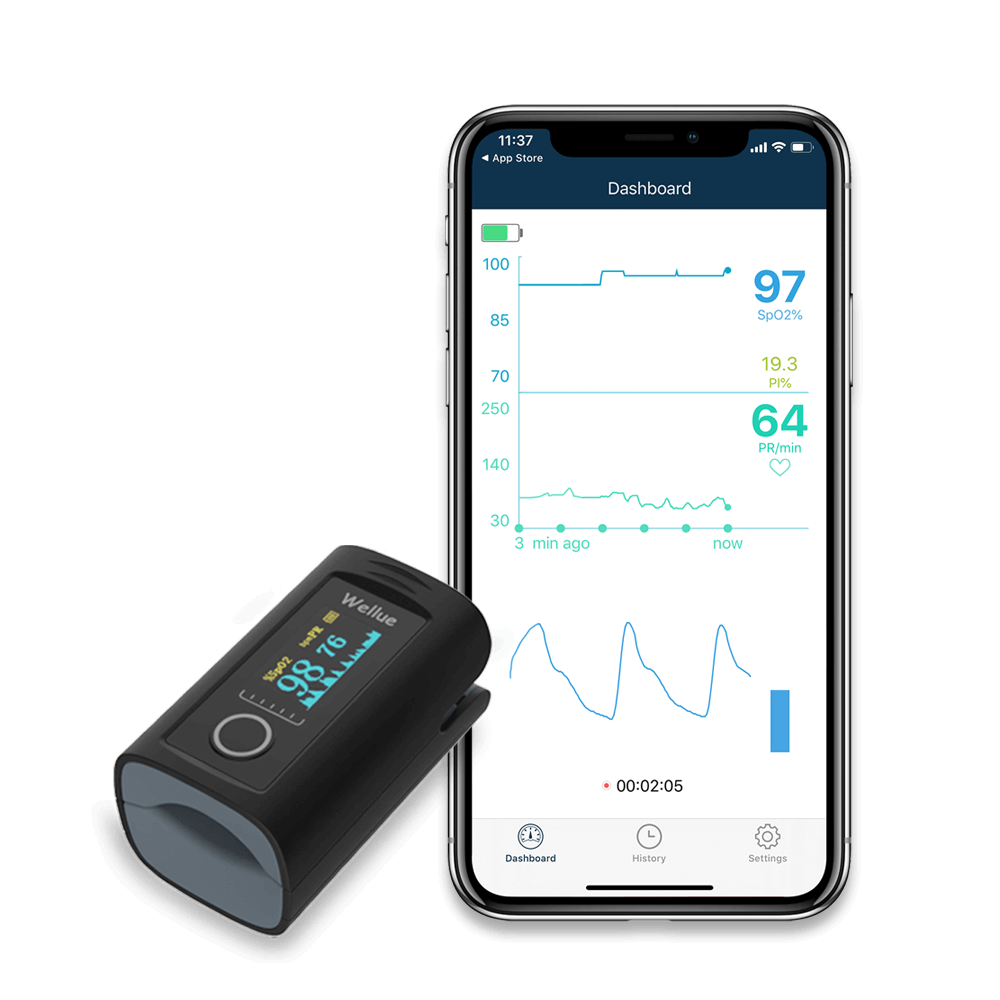
Not all devices are created equal. FDA-cleared models such as the O2ring S Pulse Oximeter and Wellue Smart Fingertip Pulse Oximeter use advanced sensors to ensure accuracy—even during movement or sleep. Reliable readings are critical when making health decisions based on your results.
How Pulse Oximeters Work: Technology and Principles
Non-invasive light sensors and real-time readings
Pulse oximeters use red and infrared light passed through the skin (typically the fingertip or a ring around the finger) to estimate oxygen saturation. The device analyzes how much light is absorbed by oxygenated versus deoxygenated hemoglobin, delivering real-time SpO2 and pulse rate readings—no needles or blood draws required.
Fingertip vs. ring-style oximeters: user experience differences
Fingertip models are quick and portable, ideal for spot checks or periodic overnight use. Ring-style options, such as the O2ring S, are designed for continuous, comfortable overnight wear. The ring form factor reduces signal loss from movement and is less likely to disturb sleep—key for those tracking nocturnal pulse ox trends.
Bluetooth wireless connectivity and report syncing
Modern oximeters often sync wirelessly with smartphone apps, allowing you to view trends, export reports, and even share data with your care team. This is especially helpful if you need to bring clear overnight oxygen data to your next appointment.
Interpreting Pulse Oximeter Readings at Home
Normal SpO2 and pulse rate ranges for adults and children
For most adults, a healthy SpO2 reading is 95–100%. Pulse rates typically range from 60 to 100 beats per minute, though athletes and children may have different norms. If your numbers consistently fall outside these ranges, consult your provider.
What low blood oxygen or abnormal pulse means
Low SpO2 (below 92%) may signal hypoxemia—a lack of sufficient oxygen. This can be temporary (such as during sleep apnea events) or a sign of underlying disease. An abnormally high or low pulse rate can also indicate arrhythmias, stress, or other medical conditions. Always seek medical advice if you notice concerning patterns.
How to read device reports and identify trends
Many devices provide overnight summary reports showing lowest SpO2, average pulse, and how often readings dropped below a set threshold. Look for patterns—such as repeated nocturnal desaturations or heart rate spikes—to bring to your doctor.
Using Pulse Oximeters for Overnight and Sleep Monitoring
Continuous monitoring for sleep apnea, COPD, and cardiac conditions
Overnight pulse oximetry is a practical tool for anyone with sleep apnea, COPD, or unexplained nighttime symptoms. Continuous devices, like the O2ring S, automatically log data for the entire night—making it easier to catch subtle issues that spot checks might miss.
Benefits of vibration alerts and silent alarms
Some advanced oximeters vibrate to alert you if oxygen drops too low or if your pulse rate becomes abnormal, allowing you to take action without waking others. This feature is especially valued by those who live alone or want added safety overnight.
Comparing overnight pulse oximeters: comfort and accuracy
| Device | Best For | Strength | Limitation | Actions |
|---|---|---|---|---|
| Comfortable, continuous overnight tracking | Wearable, vibration alerts, detailed app reports | Requires app sync, fit varies by finger | ||
| Spot checks and short-term overnight use | Simple to use, portable, app connectivity | Less comfortable for full-night wear |
Device Setup and Best Practices for Accurate Measurement
Step-by-step: How to use a pulse oximeter at home
- Wash and dry your hands (or finger area) thoroughly before use.
- Place the device on your fingertip or slide on the ring, making sure it fits snugly but comfortably.
- Remain still for several seconds; avoid moving or talking to ensure a stable reading.
- For overnight monitoring, start the session before bed and check the app or device in the morning for a summary report.
Avoiding common mistakes and signal errors
- Avoid bright light or direct sunlight during measurement.
- Keep hands warm—cold fingers can affect readings.
- Remove nail polish or artificial nails on the monitored finger.
When and how often to monitor overnight
For those with sleep apnea, COPD, or unexplained nighttime symptoms, nightly use is recommended until your provider suggests otherwise. Others may only need periodic checks, especially after medication changes or during illness.
Caring for Your Pulse Oximeter: Cleaning and Maintenance
- Wipe the sensor area gently with alcohol wipes between uses, especially if sharing the device.
- Store in a clean, dry place away from direct sunlight and excessive heat.
- Recharge or replace batteries as needed; most models provide several days of continuous use per charge.
- Replace your device if it becomes unreliable, cracked, or after a few years of regular use.
When to Share Your Pulse Oximeter Data with Your Doctor
- If you notice repeated SpO2 readings below 92%, unexpected drops, or significant changes from your baseline.
- When experiencing new symptoms such as chest pain, confusion, or severe shortness of breath.
- Bring summary reports (PDF or app export) to your appointments for a clearer health picture.
Who this is for
A home pulse oximeter is most valuable for people with diagnosed respiratory or cardiac conditions, anyone using sleep therapy (CPAP/APAP/BiPAP), and those looking for extra reassurance during illness or medication changes. Caregivers, parents of children with chronic health issues, and athletes training at altitude also benefit from accurate SpO2 and pulse tracking.
If you're unsure which type fits your needs, choose a continuous overnight device like the O2ring S for sleep monitoring or a fingertip model for quick spot checks and travel. Comfort, ease of data viewing, and your personal health goals should drive your decision.
Key Takeaways: Pulse Oximeter Measurement in Everyday Health
- Pulse oximeters provide rapid, non-invasive insights into your blood oxygen and heart rate at home.
- Continuous overnight monitoring can reveal issues that daytime checks might miss.
- Accurate device use and regular cleaning help ensure trustworthy results.
- Always discuss concerning readings or trends with your healthcare professional.
Frequently Asked Questions
- What does a pulse oximeter measure besides oxygen levels?
- Most models also measure pulse rate, and some provide a perfusion index (PI) indicating signal quality.
- How do I know if my pulse oximeter reading is accurate?
- Use a high-quality, FDA-cleared device, follow setup steps carefully, and compare to your known normal values. Consistently abnormal readings warrant professional review.
- When should I be concerned about my SpO2 or pulse rate readings?
- Repeated readings below 92%, or significant changes from your personal baseline, should be discussed with your healthcare provider.
- Is overnight pulse oximetry useful for sleep apnea monitoring?
- Yes—overnight pulse oximetry can reveal nocturnal desaturations typical in sleep apnea, making it a helpful screening and tracking tool. Always review trends with your doctor for interpretation.
- How often should I clean or replace my pulse oximeter?
- Clean after each use, especially if shared. Replace the device if it becomes unreliable or after a few years of frequent use.
Final Recommendation
For anyone needing overnight oxygen trend tracking, the O2ring S Pulse Oximeter stands out for comfort, silent vibration alerts, and easy data sharing. If you prefer a quick spot-check or portable option, the Smart Fingertip Pulse Oximeter is a practical alternative. Both offer reliable SpO2 and pulse rate tracking—choose based on your comfort and monitoring needs.

Related reading
Sources and verification
Last checked: April 19, 2026
-
Wellue O2RingS | Upgraded Pulse Oximeter Ring with 24h Oxygen tracking | O2Ring S
☑ Checks your blood oxygen and heart rate every second. ☑ Vibration alerts for low blood oxygen or abnormal pulse rate. ☑ Wake up to easy-to-read reports you can trust, share, or bring to your doctor.
-
Wellue Bluetooth Wireless Fingertip Pulse Oximeter. iOS & Android APP. SpO2 & Pulse Rate. FDA Approved.
*Bluetooth Version is Currently Shipped in Random Color,Gray or Blue Got it on sale and the price was great. The display is nice, and for the price I expected the app to be garbage. But it synced quickly and painlessly. I'll also add that if you see the reviews complaining about the iOS app not having all the features, it did when I downloaded it. The only complaint I have is minor. Which is that for a right hand dominant person, you probably stick this on your left hand, and not all the screens render in a direction that reads right side up that way. If they could have it cycle between the screens AND mirrored versions of the screens it'd be great, but that's a minor gripe.
-
Battery and Seat Charger for Portable Oxygen Concentrator with 5 Pulse Flow Settings – Wellue
Including an 8-cell battery (6700 mAh) and a separate battery seat charger for the pulse dose 1-5 portable oxygen concentrator. *Note: Battery runtimes will vary from conditions like ambient temperature, humidity variations and usage, including breath rate, etc.
-
Medical Devices | FDA
The .gov means it’s official.Federal government websites often end in .gov or .mil. Before sharing sensitive information, make sure you're on a federal government site. The site is secure. The https:// ensures that you are connecting to the official website and that any information you provide is encrypted and transmitted securely. Helping innovators, providers, and patients reimagine the home as an integral part of the health care system.
-
High Blood Pressure - What Is High Blood Pressure? | NHLBI, NIH
An official website of the United States government Official websites use .gov A .gov website belongs to an official government organization in the United States. Secure .gov websites use HTTPS A lock ( A locked padlock ) or https:// means you’ve safely connected to the .gov website. Share sensitive information only on official, secure websites.
-
High blood pressure (hypertension) - Symptoms & causes - Mayo Clinic
High blood pressure is a common condition that affects the body's arteries. It's also called hypertension. If you have high blood pressure, the force of the blood pushing against the artery walls is consistently too high. The heart has to work harder to pump blood. Blood pressure is measured in millimeters of mercury (mm Hg). In general, hypertension is a blood pressure reading of 130/80 mm Hg or higher. The American College of Cardiology and the American Heart Association divide blood pressure into four general categories. Ideal blood pressure is categorized as normal.