
Pulse Oximeter Target at Home: A Practical Guide for 2026
Key Takeaways
- Pulse oximeter target ranges help you spot low oxygen levels and trends at home.
- Healthy adults typically aim for SpO2 readings of 95–100%, but individual targets may differ.
- Proper device setup, placement, and maintenance are critical for reliable overnight oxygen monitoring.
- Share abnormal reports or unexpected low readings with your healthcare provider promptly.
Introduction: Why Pulse Oximeter Target Matters
Home pulse oximeters have evolved from simple spot-check tools to essential devices for overnight oxygen monitoring, sleep therapy, and managing chronic conditions. Knowing your pulse oximeter target—the healthy range for blood oxygen saturation (SpO2)—empowers you to track trends, respond to changes, and make more informed health decisions. This is especially important if you use CPAP/APAP, portable oxygen, or manage heart and lung issues at home.
What Is a Pulse Oximeter Target?
Defining Healthy Oxygen Saturation Levels (SpO2)
For most healthy adults, a pulse oximeter target of 95–100% SpO2 is considered normal. Brief dips below this range can happen during sleep or illness, but persistent readings under 92% are often cause for concern and warrant medical attention. For children, targets are similar, though always consult a pediatrician for individual guidance.
Interpreting Pulse Rate Alongside Oxygen Readings
Pulse oximeters display both oxygen saturation and pulse rate. While SpO2 is the main focus, unusually high or low pulse rates—especially if symptoms occur—can also be a red flag. The combination of these readings provides a clearer picture, especially during overnight monitoring.
How Targets Differ With Heart, Lung, or Sleep Conditions
Your personal pulse oximeter target may differ if you have COPD, sleep apnea, or heart disease. Some people with lung conditions may have a target set by their doctor (often above 88% or 90% overnight), while sleep therapy users might track for unexpected nocturnal drops. Always use your provider's guidance to personalize your goal.
Choosing the Right Pulse Oximeter for Home Use
Fingertip vs. Wearable Ring vs. Wrist Models
Not all oximeters are created equal. Fingertip models are compact, affordable, and ideal for quick checks or travel. Wearable ring oximeters, like the Wellue O2Ring S, are designed for overnight use, providing continuous SpO2 and pulse tracking as you sleep. Wrist models offer similar features but can be bulkier.
Key Features: Accuracy, Comfort, Vibration Alerts, Report Syncing
For overnight monitoring, look for FDA-cleared devices with high accuracy, comfortable fit, and features like silent vibration alerts for low oxygen (so you’re notified without waking the household). App syncing and trend reporting make it easier to share results with your doctor.
FDA-Cleared Devices: What to Look For
Always choose devices approved or cleared by the FDA for home use. Wellue’s O2Ring S Pulse Oximeter and Smart Fingertip Pulse Oximeter both meet these standards, offering reliable readings and easy-to-understand reports.
How to Set Up and Use Your Pulse Oximeter Effectively
- Charge or insert batteries as needed.
- Clean your finger or the device sensor before each use.
- Proper placement: For fingertip models, use the index or middle finger; for ring oximeters, follow manufacturer fitment guidance.
- Stay still during readings, and keep hands warm for best results.
- For overnight use, start monitoring just before bed and check the overnight oxygen report in the morning.
Checklist for Accurate Readings
- No nail polish or artificial nails on the measured finger.
- Hands relaxed and at heart level.
- If measuring nocturnal pulse ox, ensure device is snug but not tight.
- Sync app or download reports after session.
Reading and Understanding Pulse Oximeter Reports
Modern oximeters generate easy-to-read reports. Look for your average SpO2, lowest value, and any periods of extended drops ("desaturations"). Healthy overnight oxygen targets are typically above 92% for adults, but your doctor may set a lower or higher goal for you.
Spotting recurring drops (especially if SpO2 falls below 88–90% for several minutes) can help identify undiagnosed sleep apnea or signal when to adjust CPAP or oxygen therapy.
If your report shows unexpected patterns—like frequent desaturations, or a new trend toward lower readings—share this data with your healthcare provider promptly.
Troubleshooting: Common Issues and How to Address Them
- Inconsistent readings? Warm your hands, adjust placement, and ensure no movement.
- Battery or connectivity issues? Charge overnight, and keep apps updated.
- Maintain device accuracy by cleaning the sensor regularly and storing in a dry place.
Pulse Oximeter Target Ranges: What’s Normal, and When to Act
- General target saturation: 95–100% for most healthy adults.
- Sleep apnea or lung disease: Your provider may accept 88–92% overnight, but trends matter more than isolated dips.
- Low readings (<88%) during sleep, exertion, or illness often need prompt review—especially if symptoms occur.
Pulse Oximeter Target: Real-World Scenarios
Overnight oxygen monitoring at home, especially with ring oximeters, gives peace of mind for those with sleep apnea, using CPAP/APAP, or monitoring for silent nocturnal drops. For people managing heart conditions or on portable oxygen, tracking nocturnal pulse ox can inform if therapy is effective. When used alongside home ECG or blood pressure monitoring, trends become even more meaningful—helping your care team tailor treatment and respond early to changes.
Device Care: Cleaning, Maintenance, and Longevity
- Wipe sensors gently with 70% isopropyl alcohol after each use.
- Replace or recharge batteries regularly; store devices away from moisture and extreme temperatures.
- If your oximeter shows wear, inconsistent readings, or display issues after 1–2 years of use, consider upgrading to newer models with improved accuracy and comfort.
Who This Is For
Anyone monitoring oxygen at home—whether for sleep apnea, COPD, heart conditions, or peace of mind—benefits from understanding their pulse oximeter target. If you use sleep therapy devices, manage chronic illness, or care for a loved one, reliable overnight readings are especially valuable. Unsure if you need a ring or fingertip model? If your main goal is overnight trend tracking, a wearable like the O2Ring S is ideal. For spot checks or travel, a fingertip oximeter covers the basics.
Product Spotlight
| Product | Best For | Limitation | Scenario | Image | Actions |
|---|---|---|---|---|---|
| O2ring S Pulse Oximeter | Overnight oxygen trend tracking | Requires app setup | Ideal for those wanting automated SpO2 reports every morning, with vibration alerts for low oxygen during sleep. |  |
|
| Smart Fingertip Pulse Oximeter | Quick checks, travel, backup | Less comfortable for all-night wear | Best for users who need reliable spot checks, or to double-check oxygen after exertion or during illness. | 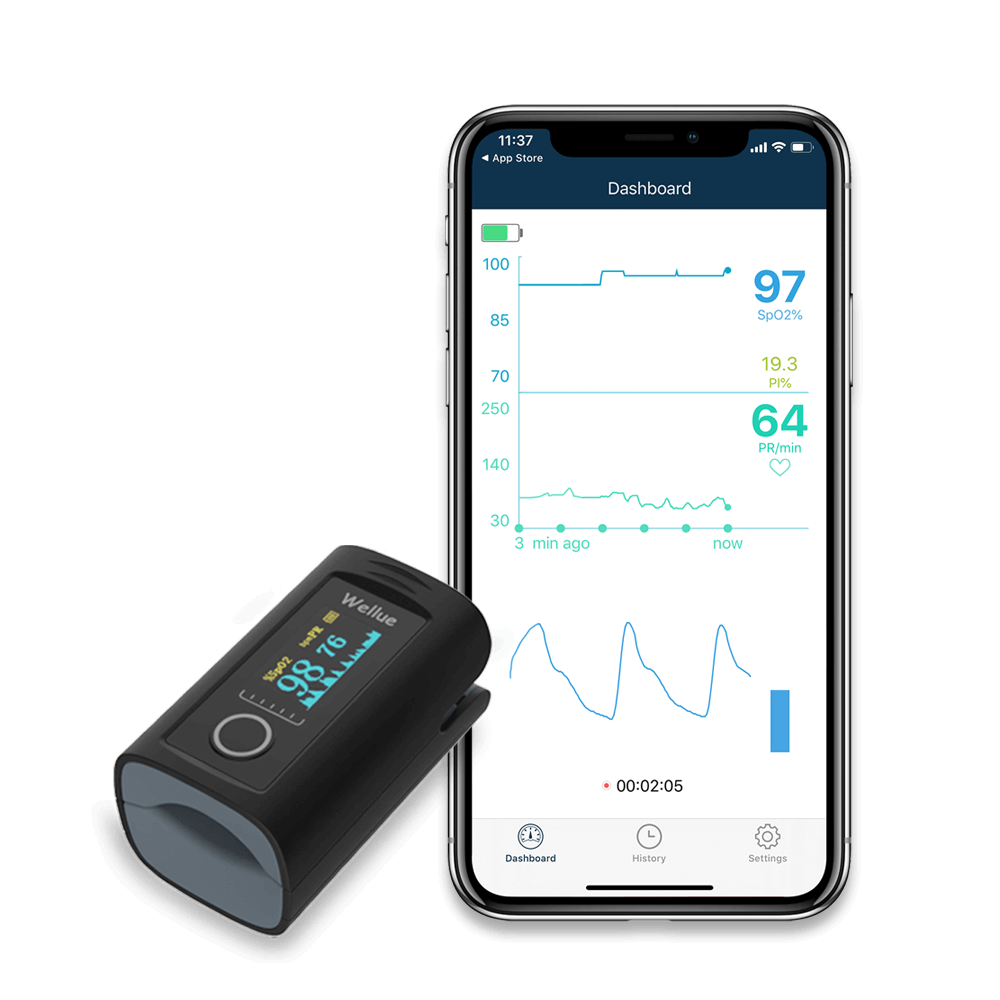 |
Key Takeaways
- Start with your provider’s recommended pulse oximeter target.
- Healthy adults usually aim for 95–100% SpO2, but targets differ for certain conditions.
- Use wearable models for overnight monitoring, fingertip for quick checks.
- Track trends, not just single readings—especially overnight.
- Clean and care for your device for long-term accuracy.
FAQs
- What is a safe pulse oximeter target for overnight monitoring?
Most adults should aim for SpO2 above 92% overnight; your provider may set a different target depending on your health. - How do I know if my pulse oximeter reading is accurate?
Warm hands, clean sensors, and proper placement help. If readings seem off, compare with another device or seek advice. - Can pulse oximeters be used for children or people with chronic lung disease?
Yes, but targets may differ. Always follow your provider’s guidance for children or chronic illness. - What should I do if my oximeter reports low SpO2 during sleep?
Check for device fit or sensor issues, and if readings remain low (especially below 88–90%), contact your healthcare provider. - How often should I clean or replace my home pulse oximeter?
Clean after each use; replace the device every 1–2 years or if accuracy declines.
Explore More: Related Home Monitoring Guides
- Overnight Oxygen Monitoring: Best Practices for Home Use
Recommendation
For most people seeking reliable overnight oxygen tracking, the O2Ring S Pulse Oximeter is the most practical choice. If you only need quick spot checks or a travel backup, the Smart Fingertip Pulse Oximeter is a solid alternative.
Related reading
Sources and verification
Last checked: April 19, 2026
-
Wellue O2RingS | Upgraded Pulse Oximeter Ring with 24h Oxygen tracking | O2Ring S
☑ Checks your blood oxygen and heart rate every second. ☑ Vibration alerts for low blood oxygen or abnormal pulse rate. ☑ Wake up to easy-to-read reports you can trust, share, or bring to your doctor.
-
Wellue Bluetooth Wireless Fingertip Pulse Oximeter. iOS & Android APP. SpO2 & Pulse Rate. FDA Approved.
*Bluetooth Version is Currently Shipped in Random Color,Gray or Blue Got it on sale and the price was great. The display is nice, and for the price I expected the app to be garbage. But it synced quickly and painlessly. I'll also add that if you see the reviews complaining about the iOS app not having all the features, it did when I downloaded it. The only complaint I have is minor. Which is that for a right hand dominant person, you probably stick this on your left hand, and not all the screens render in a direction that reads right side up that way. If they could have it cycle between the screens AND mirrored versions of the screens it'd be great, but that's a minor gripe.
-
Battery and Seat Charger for Portable Oxygen Concentrator with 5 Pulse Flow Settings – Wellue
Including an 8-cell battery (6700 mAh) and a separate battery seat charger for the pulse dose 1-5 portable oxygen concentrator. *Note: Battery runtimes will vary from conditions like ambient temperature, humidity variations and usage, including breath rate, etc.
-
Medical Devices | FDA
The .gov means it’s official.Federal government websites often end in .gov or .mil. Before sharing sensitive information, make sure you're on a federal government site. The site is secure. The https:// ensures that you are connecting to the official website and that any information you provide is encrypted and transmitted securely. Helping innovators, providers, and patients reimagine the home as an integral part of the health care system.
-
High Blood Pressure - What Is High Blood Pressure? | NHLBI, NIH
An official website of the United States government Official websites use .gov A .gov website belongs to an official government organization in the United States. Secure .gov websites use HTTPS A lock ( A locked padlock ) or https:// means you’ve safely connected to the .gov website. Share sensitive information only on official, secure websites.
-
High blood pressure (hypertension) - Symptoms & causes - Mayo Clinic
High blood pressure is a common condition that affects the body's arteries. It's also called hypertension. If you have high blood pressure, the force of the blood pushing against the artery walls is consistently too high. The heart has to work harder to pump blood. Blood pressure is measured in millimeters of mercury (mm Hg). In general, hypertension is a blood pressure reading of 130/80 mm Hg or higher. The American College of Cardiology and the American Heart Association divide blood pressure into four general categories. Ideal blood pressure is categorized as normal.