Quick take
We break down who this device is best for, what it measures, and how it compares in the market.

Pulse oximeters have become essential for overnight oxygen monitoring, especially for those managing sleep apnea, chronic respiratory concerns, or simply wanting peace of mind at home. Yet, many users are caught off guard when their device suddenly shows a low blood oxygen reading—often on a cold morning or after hands have been exposed to the chill. Before you panic or call your doctor, it’s important to understand how cold fingers and poor circulation can give falsely low SpO2 results, and what you can do to ensure your readings are as accurate as possible.
Who This Is For
This troubleshooting guide is for anyone using a home pulse oximeter—whether you’re spot-checking, tracking overnight trends, or supporting a loved one’s respiratory health. If you’ve ever wondered why your SpO2 drops unexpectedly or want to avoid false low oxygen reading causes at home, these steps are for you.
Key Takeaways
- Cold fingers and poor circulation are the most common reasons for inaccurate low SpO2 readings.
- Warming hands and ensuring a proper device fit can improve SpO2 reading with poor circulation.
- Finger size and comfort matter—some devices work better for small or cold fingers.
- If repeat readings remain low despite following best practices, consult your healthcare provider.
- Consistent cleaning and storage keep your device reliable for the long-term.
Understanding Pulse Oximeter Low Readings: Common Causes
Why Your Pulse Oximeter May Show False Low Oxygen Levels
Pulse oximeters work by shining light through your fingertip to measure blood oxygen saturation (SpO2). When your hands are cold—or if you have conditions that affect circulation—the blood flow to your extremities drops, which can cause the device to struggle or misinterpret the signal. The result? A reading that looks more alarming than it really is.
The Role of Poor Circulation and Cold Fingers in SpO2 Accuracy
Poor perfusion (reduced blood flow) is a well-known limitation of fingertip pulse oximeters, especially in winter or for those with naturally cold hands. Even healthy individuals can see low numbers if their fingers are cold or pressed too tightly in the sensor.
How Cold Fingers Impact Pulse Oximeter Performance
Physiology: Blood Flow, Temperature, and Sensor Contact
When your hands are cold, tiny blood vessels constrict, reducing the flow that the oximeter needs to measure oxygen. This can cause the device to display a lower SpO2 than your true blood oxygen level. Good sensor contact is also essential—loose or awkward fit disrupts accuracy, while pressing too hard can block blood flow altogether.
Other False Low Oxygen Reading Causes at Home
- Nail polish or artificial nails (especially dark colors)
- Movement during measurement
- Dirty or smudged sensors
- Very cold room temperature
- Incorrect positioning of the device
Pre-Measurement Protocol: Improving SpO2 Readings with Poor Circulation
Step-by-Step: Warm Hands Before Pulse Oximeter Use
- Wash your hands in warm (not hot) water for 1–2 minutes.
- Gently rub your hands together or massage the finger you plan to use for 20–30 seconds.
- If you’re still cold, warm your hands under a heating pad, wrap them in a warm towel, or simply hold a mug of warm water.
- Dry hands thoroughly before use—moisture can affect sensor contact.
- Relax and keep your hand at heart level for 30 seconds before taking a reading.
This quick protocol can improve SpO2 reading with poor circulation and reduce the chance of a false low result.
Quick Techniques to Improve Circulation for Accurate Home Readings
- Rotate through different fingers if one is especially cold or has poor blood flow.
- Use the ring finger or middle finger, as they often give the most stable readings.
- Avoid using the thumb or pinky, as these fingers tend to have the most variable perfusion.
Escalation Thresholds: When to Retake or Seek Medical Advice
- If your SpO2 reads below 92% but you feel well and your hands were cold, warm up and retest after a few minutes.
- If the reading remains low after warming hands and using proper technique, or if you have symptoms (shortness of breath, chest pain, confusion), contact your healthcare provider or seek urgent care.
Device Selection and Fit: Why Finger Size and Comfort Matter
Choosing the Right Model for Small or Cold Fingers
Standard fingertip pulse oximeters can be unreliable for people with small fingers or those who often have cold hands. Devices like the Oxygen Monitor for Small Fingers are tailored for a snug, secure fit (for finger sizes 40–52mm), ensuring better sensor contact even in tricky conditions. This reduces the risk of false lows due to poor fit or signal loss.
Continuous Tracking Vs. Spot Checks: Ring vs. Fingertip Designs
For overnight monitoring, ring-style oximeters such as the O2Ring S Pulse Oximeter offer continuous tracking and vibration alerts for low oxygen, which can be helpful if circulation fluctuates during sleep. Spot-check fingertip models, like the Smart Fingertip Pulse Oximeter, are great for occasional checks but may be less forgiving of cold or small fingers.
| Device | Best For | Finger Fit | Overnight Tracking | False Low Risk (Cold Fingers) | More Info |
|---|---|---|---|---|---|
| Continuous overnight oxygen trend tracking | Adjusts for most adult fingers | Yes, with vibration alerts | Low (stable fit) | ||
| Youth, petite adults, small/cold fingers | Best for 40–52mm fingers | Yes | Very low (custom fit) | ||
| Quick spot checks, general home use | Average adult fingers | No (spot only) | Moderate (affected by cold/fit) |
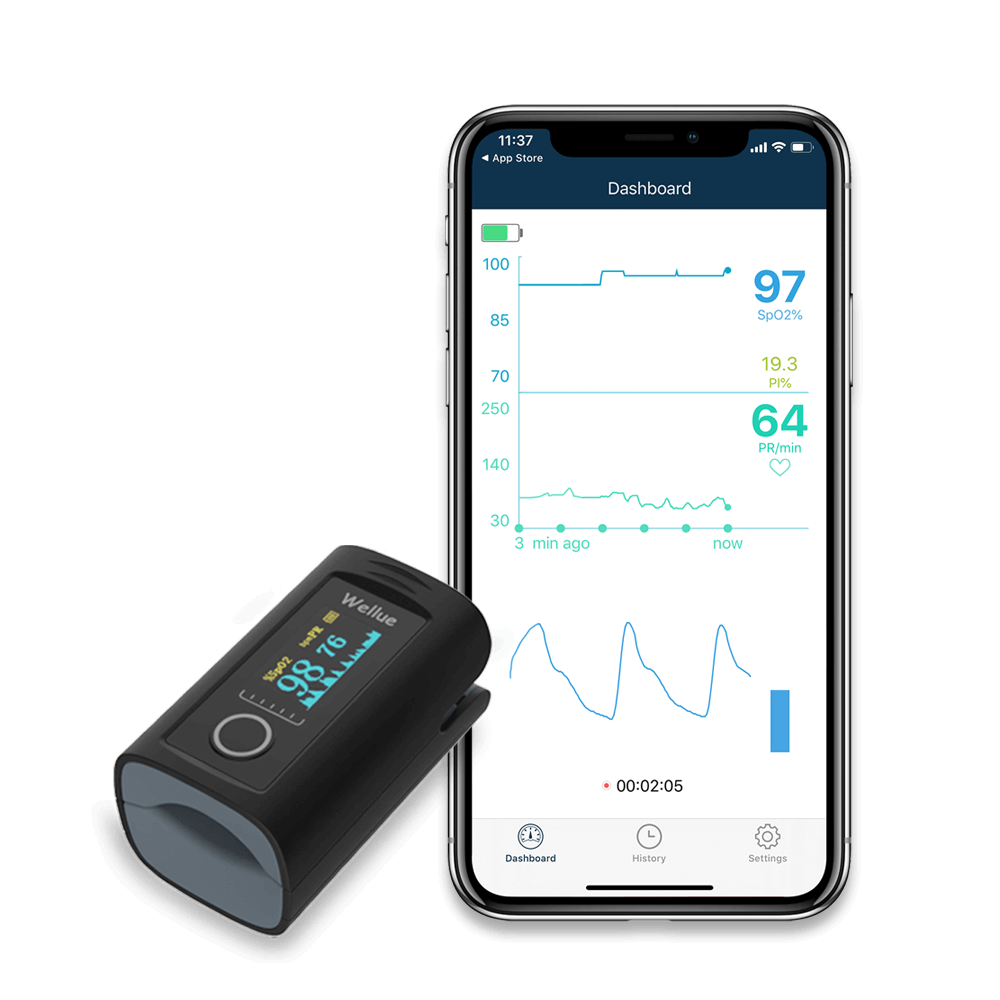
How to Read and Interpret Device Reports
Spotting Patterns: Identifying False Lows in Overnight Oxygen Monitoring
When reviewing overnight reports, look for isolated dips or drops that coincide with cold hands or device adjustment—these are likely not true reflections of your oxygen status. True overnight desaturation often shows as a sustained or repeating pattern, rather than brief, scattered lows.
When to Re-Test and When to Contact Your Healthcare Provider
If your overnight report is peppered with brief, isolated low readings but you woke up feeling fine and had cold hands, retest with warm hands before assuming the worst. If you see a trend of sustained low SpO2, or if you have symptoms, escalate to your healthcare provider for further evaluation.
Device Care: Cleaning, Maintenance, and Storage for Reliable Use
Best Practices to Maintain Sensor Accuracy
- Wipe the sensor area with a dry, soft cloth after each use.
- For deeper cleaning, use a cotton swab slightly moistened with rubbing alcohol (never submerge the device).
- Check for buildup or residue that could interfere with light transmission.
Storage Tips to Prevent Device Malfunction
- Store your device in a dry, room-temperature location—avoid extreme cold or heat.
- Remove batteries if the device won’t be used for several weeks.
- Keep away from dust and direct sunlight.
Conclusion: Ensuring Confidence in Home Oxygen Monitoring
Pulse oximeters are powerful tools for home health—but they’re only as reliable as the conditions in which you use them. Cold fingers and poor circulation are easily overlooked causes of false low oxygen readings at home. By following a simple pre-reading protocol and choosing the right device fit, you can trust your overnight oxygen monitoring and avoid unnecessary worry. For most users, a ring or small-finger model offers the best protection against circulation-related inaccuracies. If readings remain low despite troubleshooting, don’t hesitate to consult a medical professional.
If you’re unsure which model fits your needs, start with a device designed for your finger size, and always warm your hands before use. For overnight trend tracking and minimal fuss about cold fingers, the O2Ring S Pulse Oximeter is a strong pick. For children or petite adults, the Oxygen Monitor for Small Fingers is purpose-built for reliable results.
FAQs
- Why does my pulse oximeter show low readings on cold fingers?
Cold fingers mean reduced blood flow, which makes it hard for the device to detect your true oxygen level. This often leads to a falsely low SpO2 reading. - How can I improve SpO2 readings with poor circulation or cold hands?
Warm your hands before testing, massage the finger, and use the ring or middle finger for best results. Follow the pre-measurement protocol outlined above. - Are ring-style or fingertip pulse oximeters better for people with cold hands?
Ring-style oximeters tend to offer a more stable fit and are less affected by cold fingers, making them a better choice for overnight monitoring in these cases. - What should I do if my oxygen reading is still low after warming my hands?
Retest with proper technique. If your reading remains low and you have symptoms, contact your healthcare provider promptly. - How often should I clean my home pulse oximeter for best results?
Wipe it after each use and perform a deeper clean weekly or if you notice buildup on the sensor area.
