
Pulse Ox on Toe: Accurate Home Oxygen Tracking in 2026
Keeping tabs on your blood oxygen at home—especially overnight—has become a cornerstone of modern health management. But what if standard finger placement for your pulse oximeter isn’t possible or comfortable? Whether you’re dealing with cold hands, nail polish, finger injuries, or CPAP therapy that makes finger sensors impractical, toe placement can be a smart alternative. Here’s how to do it right and what to expect.
Key Takeaways
- Pulse ox on the toe is effective for many users, especially when fingers aren’t usable or reliable.
- Device choice and sensor prep are critical for accuracy; ring-style oximeters often work best for continuous, overnight readings.
- Toe readings may differ slightly from finger values—understand typical variations and when to consult your provider.
- Regular cleaning and proper storage maintain long-term accuracy and device health.
- Toe-based SpO2 monitoring complements home use of CPAP, oxygen concentrators, and blood pressure monitors for a complete health picture.
Introduction: Why Use a Pulse Oximeter on Your Toe?
Pulse oximetry has evolved from a hospital tool to a home staple, letting users track blood oxygen (SpO2) and pulse rate, especially overnight. While most people use finger sensors, certain situations—like finger injuries, poor hand circulation, or restless sleep with CPAP—make toe placement a valuable alternative. Unlike an overnight pulse ox study in a clinic, home users prioritize comfort and continuous data. Toe placement is not a replacement for formal nocturnal pulse ox testing, but it can provide useful trends and alerts between appointments.
How Pulse Oximeters Work: Basics for Home Users
Pulse oximeters shine light through your skin and measure how much is absorbed, estimating your blood’s oxygen saturation and pulse rate. The technology works on any site with good blood flow—fingers, toes, and sometimes the earlobe. Most devices are designed for fingers, but toes can yield reliable readings with some preparation.
When and Why Choose Toe Placement for Pulse Oximetry
Toe sensors come in handy when fingers are cold, injured, have thick nails or polish, or if you move your hands a lot during sleep. Home users on CPAP/APAP/BiPAP often find finger sensors fall off overnight, while toe placement is less disruptive. For those using portable oxygen concentrators or monitoring oxygen during sleep therapy, toe readings can maintain continuous tracking when fingers aren’t practical. Long-term tracking (e.g., for sleep apnea or COPD) sometimes calls for rotating sites to avoid skin irritation; the toe is a common fallback.
Step-by-Step Guide: Setting Up a Pulse Ox on Your Toe
- Choose a compatible device: While traditional fingertip oximeters work, ring-style sensors (like the Wellue O2Ring S Pulse Oximeter) often stay put better overnight.
- Prep your toe: Make sure the toe is clean, dry, and warm. Remove nail polish or artificial nails. Cold toes can give falsely low readings—warm them up if needed.
- Position the sensor: Place the oximeter snugly on your big toe (usually the best choice due to size). The sensor should not pinch, but must not be loose. For sleep, use medical tape or a soft wrap to help secure the sensor if needed.
- Set up tracking: Many modern oximeters sync with smartphone apps. Connect your device and check that real-time SpO2 and pulse rate are displaying. For overnight use, confirm the device is logging data for later review or export.
Understanding Your Readings: Oxygen, Pulse, and More
Your pulse ox will display SpO2 (oxygen saturation, as a percentage) and pulse rate. Toe readings may run 1-2% lower than finger readings, especially in people with circulatory issues. Look for stable, consistent trends rather than single outlier values. If the pulse waveform is erratic or the reading jumps, adjust the sensor or try another toe. Motion, poor circulation, or cold skin can cause artifact or low perfusion errors.
Device Care: Cleaning, Maintenance, and Safe Use
After toe use, disinfect the sensor with alcohol wipes. Store your device dry, out of direct sunlight, and charge as needed—battery health is key for overnight monitoring. Check your oximeter’s accuracy every few months by comparing with readings from another site or during a doctor’s visit.
When to Talk to Your Doctor: Understanding Your Data
If you notice consistently low overnight saturation, frequent drops below 90%, or erratic readings, share your reports with your provider. Most devices let you export data for easy sharing. Integrating this info with blood pressure or ECG monitoring can give your doctor a fuller picture of your overnight and heart health—but always use home data as a supplement, not a substitute for professional advice.
Who this is for
Home users managing sleep apnea, COPD, or heart conditions, especially those using CPAP, APAP, BiPAP, or portable oxygen concentrators, benefit most from toe pulse oximetry. It’s also practical if your fingers are unsuitable for sensor placement. If you want to keep tabs on your oxygen overnight and need a comfortable, reliable setup, toe placement is worth considering.
Product Spotlight: O2Ring S vs Smart Fingertip Pulse Oximeter
| Product | Best For | Strengths | Limitations | Current Use-Case | Actions |
|---|---|---|---|---|---|
| Continuous overnight tracking; users needing secure, comfortable fit | Wearable design, vibration alerts, app reports | Requires app setup, fit varies by toe size | Reliable for tracking SpO2 during CPAP or oxygen therapy, especially for restless sleepers | ||
| Spot checks; short-term overnight use; budget-conscious buyers | Easy to use, app sync, affordable | Bulkier on toe; may not stay put overnight | Quick checks or short-term monitoring when finger use isn’t an option |

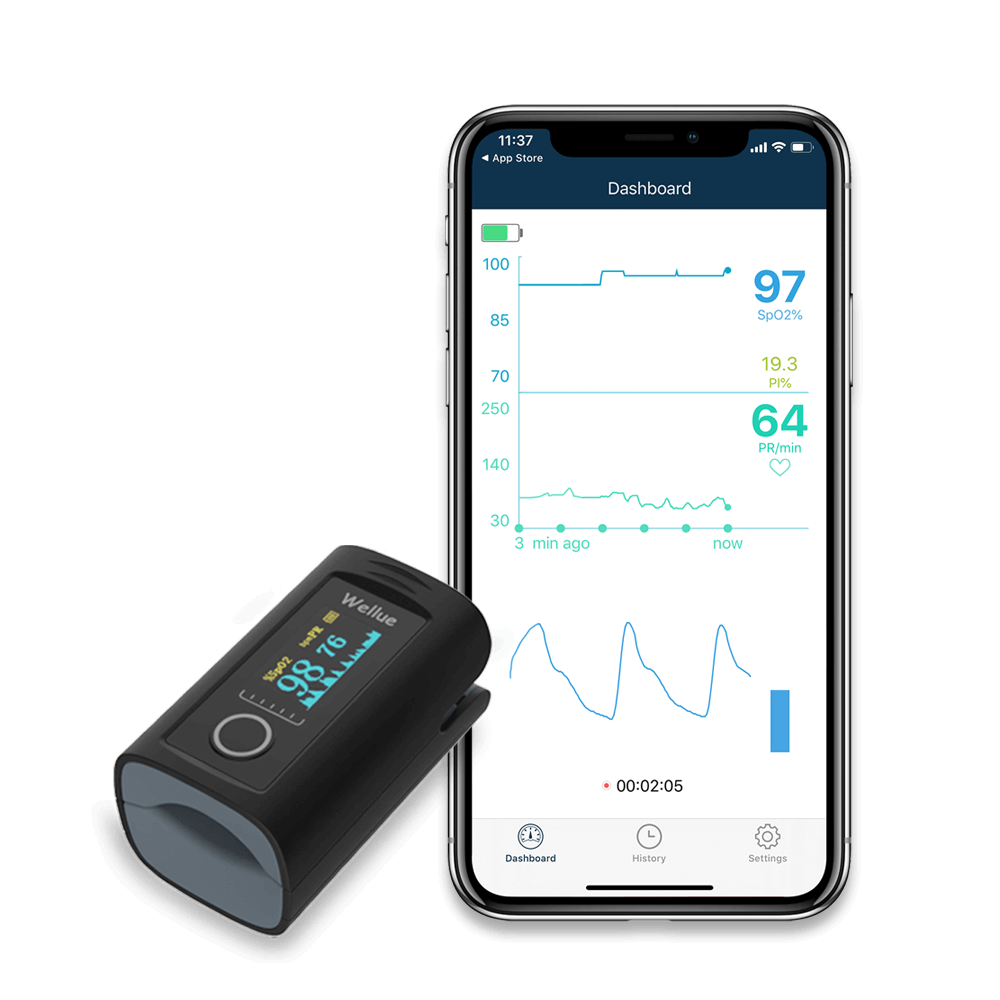
If you’re unsure, start with the O2Ring S if overnight comfort and continuous logs matter most. Choose the Smart Fingertip Pulse Oximeter for occasional checks or if you’re on a budget—but be prepared to secure it carefully on your toe.
FAQ: Pulse Oximetry on the Toe
- Is a pulse ox on the toe as accurate as on the finger? Toe readings are generally reliable, but may run slightly lower than finger values, especially if circulation is reduced. For most users, the difference is minor, but trends are more important than isolated numbers.
- How do I keep the pulse oximeter sensor secure on my toe overnight? Use medical tape or a soft wrap to hold the sensor in place, especially if you move a lot during sleep. Ring-style oximeters are typically more secure and comfortable for overnight toe use.
- What should I do if my toe readings are consistently low or erratic? First, ensure your toe is warm and the sensor is clean and properly placed. Compare with finger readings if possible. If low readings persist, consult your healthcare provider.
- Are there specific oximeter models better suited for toe use? Devices like the O2Ring S are more comfortable and secure for overnight toe placement. Standard fingertip models can work, but may need extra securing.
- How do I share my overnight toe pulse ox report with my doctor? Most modern oximeters sync with an app that lets you export or share reports—simply email or upload your data as your provider requests.
Related Topics and Next Steps
- Device Setup & How-To Guides: Step-by-step tutorials for home monitoring devices
- Reading Device Reports: Understanding your pulse ox and sleep therapy data
- CPAP/APAP/BiPAP Setup: Optimizing your therapy with oximetry feedback
- Portable Oxygen Concentrator Use: Integrating oxygen and SpO2 monitoring
- Device Cleaning & Maintenance: Keeping sensors accurate and hygienic
Final Recommendation
For overnight home oxygen tracking when fingers aren’t ideal, toe-based pulse oximetry—with a purpose-built device like the O2Ring S—delivers reliable, actionable data. For spot checks or short-term needs, a fingertip oximeter is a cost-effective backup. Whichever route you choose, follow the steps above to ensure accuracy and talk to your healthcare provider if you have concerns about your readings.
Toe placement is a fallback to verify, not an accuracy upgrade
Some sensors are designed for a toe or other site, while a fingertip clip is not automatically validated for the toe. Use only the site and sensor listed in the device instructions. A foot with poor circulation, swelling, cold skin, or an AFO/boot can produce a weak or delayed signal; route cables so they cannot pull, kink, or become a trip hazard.
Make a toe reading useful for a conversation
- Let the foot rest and warm naturally; do not compress the toe to force a number.
- Wait for a stable signal and note whether the device reports a sensor-off or low-perfusion condition.
- Repeat on the prescribed site when possible and record the context, symptoms, and time.
- Ask the clinician whether the sensor is validated for toe use when results will inform care.
The FDA says circulation, skin temperature, skin pigmentation, and sensor factors can affect pulse-ox accuracy. A toe value should not be used alone to diagnose or change treatment.
Primary check: FDA pulse oximeter limitations · signal troubleshooting.
Related reading
Sources and verification
Last checked: September 7, 2026
-
Wellue O2RingS | Upgraded Pulse Oximeter Ring with 24h Oxygen tracking | O2Ring S
☑ Checks your blood oxygen and heart rate every second. ☑ Vibration alerts for low blood oxygen or abnormal pulse rate. ☑ Wake up to easy-to-read reports you can trust, share, or bring to your doctor.
-
Wellue Bluetooth Wireless Fingertip Pulse Oximeter. iOS & Android APP. SpO2 & Pulse Rate. FDA Approved.
*Bluetooth Version is Currently Shipped in Random Color,Gray or Blue Got it on sale and the price was great. The display is nice, and for the price I expected the app to be garbage. But it synced quickly and painlessly. I'll also add that if you see the reviews complaining about the iOS app not having all the features, it did when I downloaded it. The only complaint I have is minor. Which is that for a right hand dominant person, you probably stick this on your left hand, and not all the screens render in a direction that reads right side up that way. If they could have it cycle between the screens AND mirrored versions of the screens it'd be great, but that's a minor gripe.
-
Battery and Seat Charger for Portable Oxygen Concentrator with 5 Pulse Flow Settings – Wellue
Including an 8-cell battery (6700 mAh) and a separate battery seat charger for the pulse dose 1-5 portable oxygen concentrator. *Note: Battery runtimes will vary from conditions like ambient temperature, humidity variations and usage, including breath rate, etc.
-
Medical Devices | FDA
The .gov means it’s official.Federal government websites often end in .gov or .mil. Before sharing sensitive information, make sure you're on a federal government site. The site is secure. The https:// ensures that you are connecting to the official website and that any information you provide is encrypted and transmitted securely. Helping innovators, providers, and patients reimagine the home as an integral part of the health care system.
-
High Blood Pressure - What Is High Blood Pressure? | NHLBI, NIH
An official website of the United States government Official websites use .gov A .gov website belongs to an official government organization in the United States. Secure .gov websites use HTTPS A lock ( A locked padlock ) or https:// means you’ve safely connected to the .gov website. Share sensitive information only on official, secure websites.
-
High blood pressure (hypertension) - Symptoms & causes - Mayo Clinic
High blood pressure is a common condition that affects the body's arteries. It's also called hypertension. If you have high blood pressure, the force of the blood pushing against the artery walls is consistently too high. The heart has to work harder to pump blood. Blood pressure is measured in millimeters of mercury (mm Hg). In general, hypertension is a blood pressure reading of 130/80 mm Hg or higher. The American College of Cardiology and the American Heart Association divide blood pressure into four general categories. Ideal blood pressure is categorized as normal.