
Key Takeaways
- Oximeters measure blood oxygen saturation (SpO2) and pulse rate—vital for monitoring respiratory and heart health at home.
- Modern devices add features like vibration alerts, app integration, and detailed trend reports.
- Proper setup, regular maintenance, and clear interpretation of oximeter data are essential for accurate and meaningful results.
- Oximeters are valuable tools for sleep therapy, chronic illness management, and informed health decisions.
Introduction: Why Know What an Oximeter Measures?
Health monitoring at home is no longer just for those with chronic conditions—it's become a core strategy for proactive wellness and peace of mind. Oximeters, once reserved for hospitals, now play a central role in sleep therapy, home oxygen tracking, and heart monitoring. Understanding what an oximeter measures—and how to use the results—empowers you to catch trends early, optimize therapy, and communicate more effectively with your care team.
The expanding role of home health monitoring
From sleep apnea to chronic lung disease, many conditions benefit from real-time oxygen data. Even healthy individuals use oximeters for overnight checks, altitude adjustments, or post-illness recovery. With accurate home devices, you can spot issues between doctor visits, especially if you use CPAP, portable oxygen, or ECG rhythm monitors.
How oximeters fit into sleep, heart, and respiratory care
Oximeters complement other home devices: they reveal the impact of breathing issues, CPAP mask leaks, or heart rhythm irregularities. For anyone managing sleep disorders, COPD, or heart failure—or simply seeking peace of mind—knowing what an oximeter measures is foundational.
What Does an Oximeter Measure? Core Functions Explained
Blood oxygen saturation (SpO2) and its significance
The primary job of an oximeter is to measure your blood oxygen saturation, or SpO2. This percentage reflects how much oxygen your red blood cells are carrying compared to their maximum capacity. Healthy adults typically see readings between 95% and 99% at sea level. A lower SpO2 can signal breathing issues, sleep apnea, or worsening lung or heart conditions.
Pulse rate: What your heartbeat data reveals
Most oximeters simultaneously record your pulse rate (beats per minute). Pulse rate trends can indicate stress, infection, arrhythmias, or even issues with your sleep therapy. Reliable pulse monitoring is essential for those using CPAP or tracking recovery from illness.
Perfusion Index (PI): Optional metric for circulatory health
Some oximeters, including advanced models like the Wellue Smart Fingertip Pulse Oximeter, also provide a Perfusion Index (PI). This value reflects the strength of the blood flow at the measurement site. PI can be useful for checking placement quality or tracking peripheral circulation trends but is not a diagnostic marker on its own.
How Oximeters Work: Technology Behind the Numbers
Non-invasive light sensors and fingertip/ring devices
Oximeters use safe, non-invasive light sensors—usually red and infrared LEDs—to gauge how much oxygen is in your blood. Devices like the O2ring S Pulse Oximeter fit comfortably on your finger or thumb, while others use a ring form factor for overnight comfort. The sensor interprets light absorption differences to calculate SpO2 and pulse rate every second.
Wearing and setting up your oximeter for accurate readings
For best results, ensure your hands are warm, clean, and still. Place the oximeter on your finger (or wear the ring snugly) and wait for the reading to stabilize. For overnight tracking, confirm the device is secure and will not shift during sleep. Many home oximeters, like the O2ring S, offer easy app syncing for trend review.
Tips for reliable overnight oxygen monitoring at home
- Wear the device on a finger with good blood flow—avoid cold or constricted digits.
- Minimize movement for spot checks; for sleep, choose a comfortable, secure fit.
- Use manufacturer apps or reports to review trends, not just single readings.
Interpreting Your Oximeter Readings Safely
What is a normal SpO2 level? Understanding healthy ranges
Most healthy adults should see SpO2 readings of 95–99%. Regular readings below 92%—especially overnight—may signal an issue worth discussing with your healthcare provider. However, normal ranges can vary if you have chronic lung or heart conditions, or if you're at high altitude. Always review trends, not isolated numbers.
Recognizing abnormal readings and when to consult a doctor
Sudden drops in SpO2, persistent low readings, or significant changes in pulse rate warrant attention. If your device shows sustained SpO2 under 90% or you feel unwell (shortness of breath, chest pain, confusion), seek prompt medical advice. Oximeters are not diagnostic—they're a tool for awareness and communication.
How oximeter data supports sleep therapy and home care
For CPAP or BiPAP users, overnight SpO2 data helps assess therapy effectiveness and detect mask leaks or airway blockages. In chronic conditions, daily or nightly readings can guide therapy adjustments and support telehealth consultations.
Advanced Features: Vibration Alerts, App Integration, and Data Reports
Using vibration alerts for low oxygen or abnormal pulse rate
Modern oximeters like the O2ring S include vibration alerts that wake you if your oxygen drops or your pulse rate strays from normal. This feature is especially valuable for sleep apnea patients or anyone at risk of silent nighttime drops.
Syncing data to your smartphone: Benefits and privacy
Bluetooth-enabled devices let you review trends, export reports, and share results with your care team via secure apps. Look for devices with clear privacy policies and the ability to export raw data if desired.
Sharing and understanding device-generated health reports
Well-designed apps summarize overnight oxygen dips, pulse trends, and alert events. Reports can be exported as PDFs for sharing with your doctor or integrating into your health records. Always review your device's instructions to learn which data points matter most for your needs.
Choosing the Right Oximeter for Home Use
| Device | Best For | Key Feature | Limitation | Actions | Product Link |
|---|---|---|---|---|---|
| Overnight SpO2 tracking | Vibration alerts, app reporting | Comfort depends on finger size | Search Amazon | ||
| Quick spot checks, on-the-go use | Compact, PI readings, app sync | Can slip during sleep | Search Amazon | ||
| Heart rhythm + SpO2 in one | ECG snapshots, exportable data | Requires steady hand | Buy |

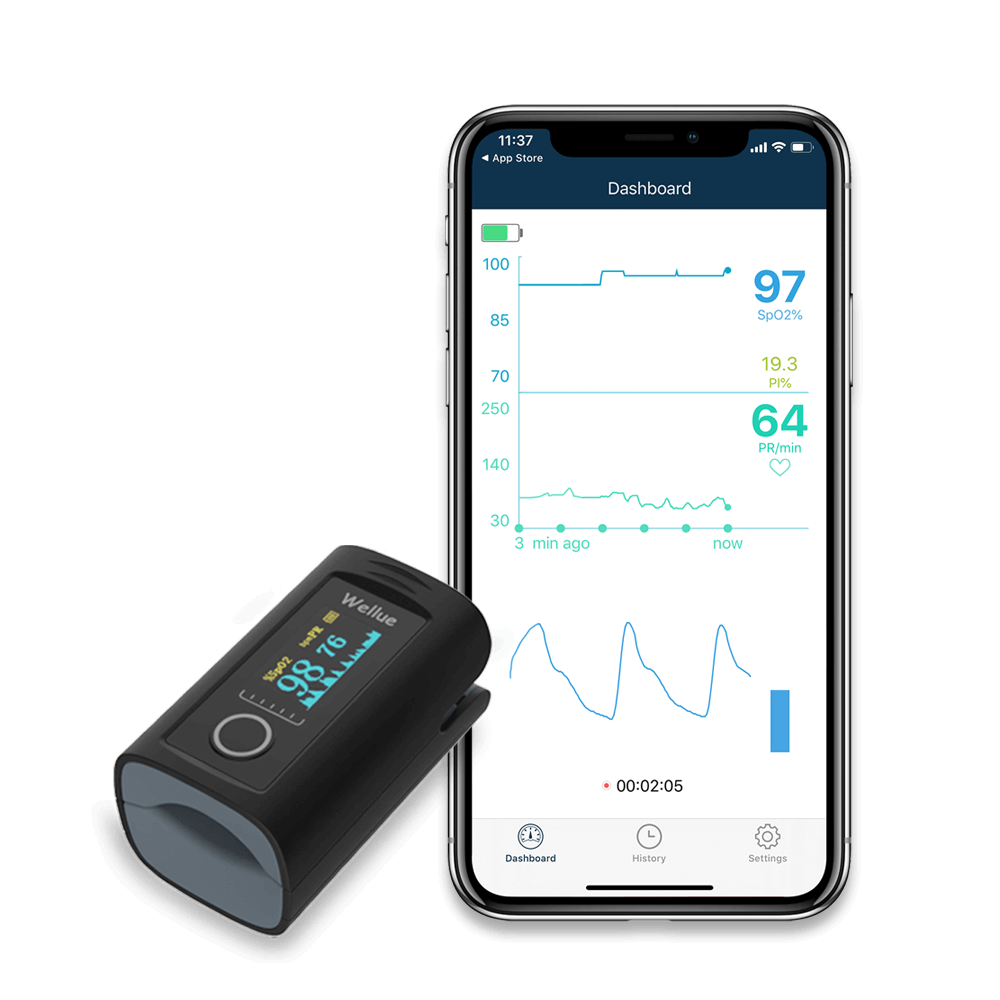
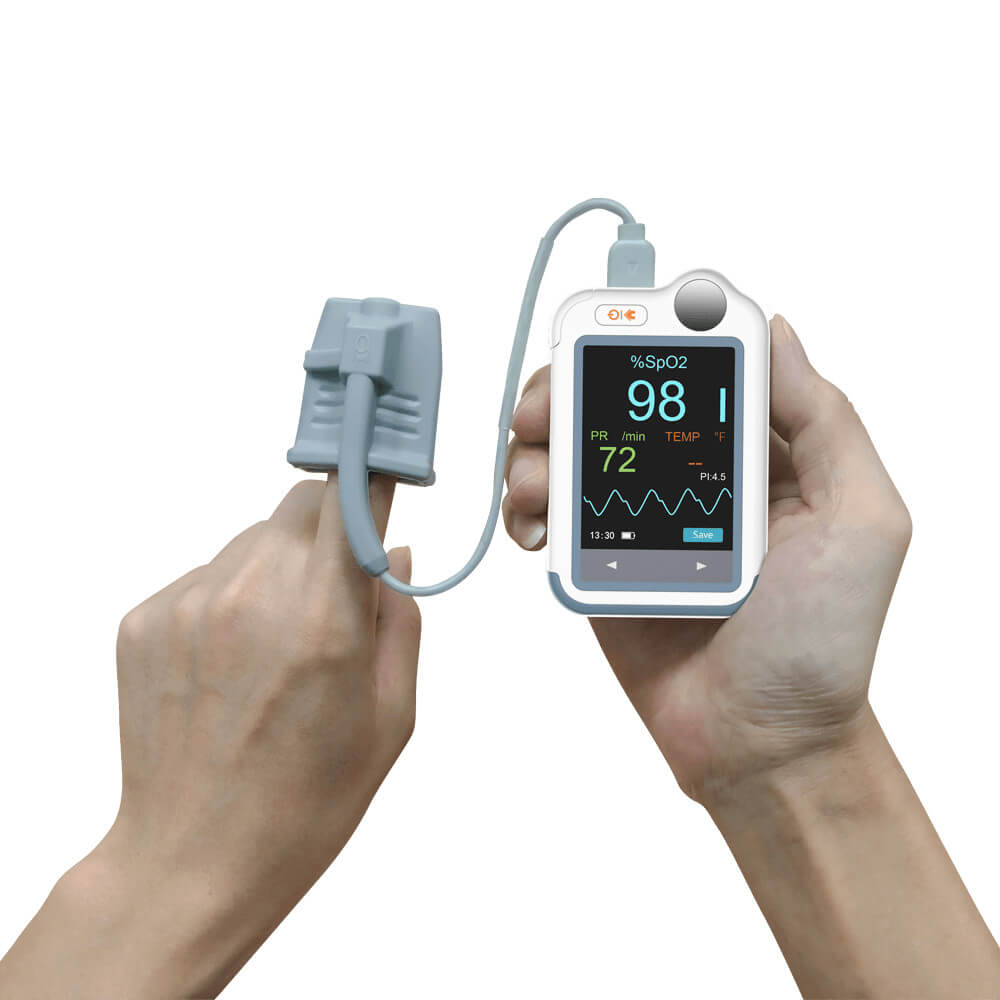
If you're unsure: Choose a ring-style oximeter like the O2ring S for overnight sleep tracking and comfort. Opt for a fingertip model for quick checks or portability. If you want to add rhythm monitoring, consider a combo device with integrated ECG.
Device Setup, Cleaning, and Maintenance
Step-by-step oximeter setup at home
- Charge or insert batteries as directed.
- Download and pair the companion app if desired.
- Place the device on a clean, dry finger or wear the ring snugly.
- Follow prompts for calibration or baseline reading.
- For overnight use, ensure device will not slip off during sleep.
Best practices for cleaning and safe storage
- Wipe sensors gently with alcohol pads or a damp cloth—never immerse in water.
- Store in a dry, protective case away from direct sunlight and dust.
- Check batteries regularly and replace as needed to avoid leakage.
Battery care and long-term device accuracy
Rechargeable devices should be topped up weekly if used nightly. For battery models, swap out batteries at the first sign of dimming screens. Annual accuracy checks (via spot tests at your doctor’s office) are recommended if you rely on the device for medical decisions.
When to Use an Oximeter: Practical Scenarios
- Overnight monitoring for sleep apnea and CPAP users: Track SpO2 to spot therapy leaks or blockages.
- During illness, exercise, or altitude changes: Assess recovery progress or adaptation to new environments.
- Supporting chronic conditions (COPD, heart failure): Daily readings can help spot deteriorations early, but always consult your provider for interpretation.
Who this is for
This guide is for anyone using home oximeters for sleep therapy, chronic respiratory or cardiac conditions, or proactive health monitoring. Whether you're a CPAP user, managing COPD, or simply want to keep tabs on your overnight oxygen, understanding what your oximeter measures is key to getting the most from your device.
Summary: Empowering Home Health with Oximetry
Oximeters do more than deliver a quick SpO2 number—they offer ongoing insight into your body’s oxygen status and heart rate, right from your bedroom. By choosing the right device, setting it up correctly, and interpreting trends in context, you can play an active role in your own health story. For most users, the O2ring S Pulse Oximeter strikes an ideal balance of overnight comfort, actionable alerts, and easy app reporting. If you prioritize quick spot checks or need ECG snapshots, consider the Smart Fingertip Pulse Oximeter or an integrated ECG/oximeter model as an alternative.
Related reading
Sources and verification
Last checked: April 19, 2026
-
Wellue O2RingS | Upgraded Pulse Oximeter Ring with 24h Oxygen tracking | O2Ring S
☑ Checks your blood oxygen and heart rate every second. ☑ Vibration alerts for low blood oxygen or abnormal pulse rate. ☑ Wake up to easy-to-read reports you can trust, share, or bring to your doctor.
-
Wellue Bluetooth Wireless Fingertip Pulse Oximeter. iOS & Android APP. SpO2 & Pulse Rate. FDA Approved.
*Bluetooth Version is Currently Shipped in Random Color,Gray or Blue Got it on sale and the price was great. The display is nice, and for the price I expected the app to be garbage. But it synced quickly and painlessly. I'll also add that if you see the reviews complaining about the iOS app not having all the features, it did when I downloaded it. The only complaint I have is minor. Which is that for a right hand dominant person, you probably stick this on your left hand, and not all the screens render in a direction that reads right side up that way. If they could have it cycle between the screens AND mirrored versions of the screens it'd be great, but that's a minor gripe.
-
Touchscreen ECG Monitor with Oximeter. Oximeter Integrated with ECG/EKG, PI & Pulse Rate – Wellue
Oximeter Integrated with ECG/EKG, PI & Pulse Rate ECG Monitor Integrated with Blood Oxygen, PI & Pulse Rate. ECG Monitor Integrated with Blood Oxygen, PI & Pulse Rate.
-
Medical Devices | FDA
The .gov means it’s official.Federal government websites often end in .gov or .mil. Before sharing sensitive information, make sure you're on a federal government site. The site is secure. The https:// ensures that you are connecting to the official website and that any information you provide is encrypted and transmitted securely. Helping innovators, providers, and patients reimagine the home as an integral part of the health care system.
-
High Blood Pressure - What Is High Blood Pressure? | NHLBI, NIH
An official website of the United States government Official websites use .gov A .gov website belongs to an official government organization in the United States. Secure .gov websites use HTTPS A lock ( A locked padlock ) or https:// means you’ve safely connected to the .gov website. Share sensitive information only on official, secure websites.
-
High blood pressure (hypertension) - Symptoms & causes - Mayo Clinic
High blood pressure is a common condition that affects the body's arteries. It's also called hypertension. If you have high blood pressure, the force of the blood pushing against the artery walls is consistently too high. The heart has to work harder to pump blood. Blood pressure is measured in millimeters of mercury (mm Hg). In general, hypertension is a blood pressure reading of 130/80 mm Hg or higher. The American College of Cardiology and the American Heart Association divide blood pressure into four general categories. Ideal blood pressure is categorized as normal.