
Introduction: Understanding O2 Saturation Probes
For anyone managing sleep therapy, chronic respiratory conditions, or simply keeping a closer eye on their health, tracking oxygen levels at home is now both practical and empowering. O2 saturation probes—often called SpO2 sensors—allow you to monitor blood oxygen levels in real time or overnight, providing crucial data for you and your care team. With reliable readings, you can spot early signs of desaturation, monitor therapy effectiveness, and make informed decisions about your health.
Why Oxygen Saturation Matters in Home Health Monitoring
Oxygen saturation (SpO2) measures the percentage of oxygen-carrying hemoglobin in your blood. Home monitoring is especially important for people with sleep apnea, COPD, or cardiac issues, but is increasingly used for general wellness and during illness recovery. Consistently low readings may signal changes in your condition and warrant a review with your healthcare provider.
How O2 Saturation Probes Work: The Basics
O2 saturation probes use light sensors to estimate the amount of oxygen in your blood. Most commonly, these are clip-on devices for your finger, but increasingly, wearable alternatives are available. By measuring how light passes through (or reflects from) your skin and underlying blood vessels, the probe calculates your SpO2 and, often, pulse rate.
Key Takeaways
- O2 saturation probes are essential for tracking blood oxygen levels at home, especially for users with sleep apnea, COPD, or heart conditions.
- Proper setup and placement are critical for accurate overnight oxygen monitoring.
- Routine cleaning and maintenance extend the life and reliability of your O2 probe.
- Interpreting your device’s SpO2 reports empowers better health decisions and timely communication with your healthcare team.
Types of O2 Saturation Probes for Home Use
Finger Clip vs. Wearable O2 Probes: Which is Right for You?
Finger clip probes are the most common and generally offer reliable, spot-check or continuous measurements. They’re simple to use but can be less comfortable for overnight wear. Wearable O2 probes—typically designed for wrist, arm, or even ring form factors—prioritize comfort and are less likely to be dislodged during sleep, making them ideal for overnight oxygen monitoring.
Integration with Home Monitors and Sleep Therapy Devices
Many modern O2 probes integrate with home monitors or therapy devices (like CPAP or BiPAP machines), feeding SpO2 and pulse data directly into your nightly reports. Some models sync with mobile apps for trend analysis and easy sharing with your healthcare team. Compatibility with your existing equipment and app ecosystem should be a deciding factor in your selection.
Step-by-Step: Setting Up Your O2 Saturation Probe
Unboxing and Initial Inspection
Start with a careful inspection: check for damaged cables, clean sensors, and that all included parts match the manual. If your device uses replaceable accessories—like the Temp Probe For 12 Inch Patient Monitor—ensure they are correctly fitted and compatible.
Connecting the Probe to Your Home Monitor
Attach the O2 probe to your monitor according to the manufacturer’s instructions. Most finger clip probes plug directly into a designated port; wireless versions may require Bluetooth pairing. Confirm the connection by checking that the monitor recognizes the probe and displays a test reading.
Correct Placement: Ensuring Accurate Readings
For finger clips, place the probe on a clean, warm finger (preferably the index or middle finger). Avoid nail polish or artificial nails, which can interfere with the sensor. Wearables should fit snugly but not tightly, and the sensor should make consistent contact with your skin.
Pairing with Mobile Apps and Device Software
Download the companion app if available and follow the pairing instructions. This enables report syncing, trend visualization, and sometimes, firmware updates for your probe. Set up alerts for low SpO2 if your app supports it.
How to Use Your O2 Probe for Overnight Monitoring
Best Practices for Continuous SpO2 Tracking
Secure the probe before sleep, ensuring it won’t slip off during movement. For overnight oxygen monitoring, consider a wearable style if you’re an active sleeper. Keep the monitor within reach and ensure any cables are routed to minimize accidental tugging.
Tips for Reliable Results During Sleep
- Keep your hands warm to maintain good blood flow to the fingers.
- Check battery levels in both probe and monitor before bed.
- If using adhesives or wraps, ensure your skin is dry and intact to prevent irritation.
Troubleshooting Common Signal and Reading Issues
If you see erratic readings, first check placement and cleanliness. Cold extremities, poor circulation, or excessive movement can cause dropouts. If problems persist, consult your device manual or contact the manufacturer for support.
Reading and Interpreting O2 Probe Reports
Understanding SpO2 Readings: What’s Normal, What’s Not
For most adults, normal SpO2 levels are between 95–100%. Brief drops during sleep (for example, with sleep apnea) may occur, but sustained readings below 92% should be discussed with your healthcare provider. Always rely on trends over single readings.
Recognizing Trends in Oxygen Levels
Look for patterns: do you see frequent overnight drops, or is your SpO2 stable throughout the night? Many apps graph these trends, allowing you to spot potential issues early. If you notice a steady decline or new episodes of low oxygen, consider sharing your data with your provider.
When to Share Results with Your Healthcare Provider
If your reports show sustained or worsening low oxygen levels, or if you experience symptoms like shortness of breath, contact your healthcare team. Bring device logs or app screenshots to appointments for detailed discussions.
Cleaning and Maintaining Your O2 Saturation Probe
Safe Cleaning Methods for Home Devices
Clean the probe after each use using a soft cloth dampened with a 70% isopropyl alcohol solution. Avoid submerging electrical parts. For devices like the Temp Probe For 12 Inch Patient Monitor, check the manual for any device-specific cleaning advice.
Preventing Probe Malfunction Due to Poor Maintenance
Dirt or residue can block sensors, leading to inaccurate readings. Regular cleaning, proper storage, and gentle handling prevent premature wear and sensor errors.
Signs Your O2 Probe Needs Replacement
If your probe displays frequent errors, visible cracks, frayed cables, or inconsistent readings despite proper cleaning, it may be time for a replacement. Manufacturers often specify the expected lifespan in the manual.
Choosing the Best O2 Saturation Probe for Your Needs
Factors to Consider: Accuracy, Comfort, Compatibility
Accuracy is non-negotiable, but comfort and compatibility with your monitor or mobile app are equally important. If you’re prone to movement during sleep, a wearable probe may be more reliable. Consider battery life for wireless models—overnight monitoring should last at least 8 hours between charges.
Comparing Models: Features, Battery Life, and Cost
| Model | Best For | Comfort | Integration | Battery Life | Limitation | Actions |
|---|---|---|---|---|---|---|
| Finger Clip Probe | Spot checks, basic overnight use | Moderate | Most monitors | 8-24 hours | May slip off during sleep | |
| Overnight, restless sleepers | High | App integration | 8-16 hours | Higher initial cost | ||
| Continuous hospital-grade monitoring | High | 12-inch Patient Monitor | N/A (wired) | Accessory only (requires compatible device) |
Future-Proofing: Wireless and Smart Connectivity Options
Look for models with Bluetooth or Wi-Fi connectivity for seamless syncing and firmware updates. Some new probes even offer cloud backup and sharing direct from the app. These features can be especially valuable for long-term trend tracking and telehealth visits.
Regulatory and Safety Considerations
FDA and Home Medical Device Standards
Ensure your probe is FDA-cleared for home use. Devices listed on trusted sites or from reputable manufacturers meet safety and accuracy standards. If in doubt, check the FDA’s medical device directory.
User Safety: Avoiding Skin Irritation and Device Errors
Rotate probe placement sites to prevent skin irritation. Never use a damaged or malfunctioning probe. If you develop skin redness or discomfort, discontinue use and consult a healthcare provider.
Who this is for
If you use CPAP, APAP, or BiPAP for sleep apnea, manage COPD or cardiac issues, or need overnight oxygen monitoring for any reason, a quality O2 saturation probe is crucial. It’s also helpful for caregivers, home health users, and anyone interested in actionable, real-world health data.
Key Takeaways
- Choose a probe that matches your comfort and integration needs—wearables excel for overnight use, finger clips for spot checks.
- Follow setup and cleaning instructions carefully for reliable, long-term performance.
- Use your device’s reports to spot trends and inform discussions with your care team.
If you’re unsure
If comfort and overnight reliability are your top priorities, consider a wearable probe. For basic daily checks or budget needs, a finger clip may suffice. Always check compatibility with your home monitor and app before buying.
Product Spotlight

Temp Probe For 12 Inch Patient Monitor is best for users seeking hospital-grade, continuous monitoring at home. Its main limitation is that it’s an accessory—requiring the 12-inch compatible monitor. In real-world use, it excels for users who need consistent, reliable SpO2 and temperature tracking throughout the night, such as post-surgical patients or those with complex chronic conditions. Its OEM fit ensures easy replacement and maximum device uptime, though always confirm compatibility before purchase.
Frequently Asked Questions
- How do I know if my O2 saturation probe is working correctly?
Check that the device powers on, displays consistent readings, and matches your pulse rate. If readings are erratic or error messages appear, inspect for dirt, poor contact, or battery issues. - What are normal overnight oxygen saturation values for adults?
Most healthy adults maintain SpO2 levels above 95% overnight. Brief dips may happen, but sustained readings below 92% should be reviewed with your healthcare provider. - Can I use my O2 probe with different home monitors or mobile apps?
Some probes are universal, but many require manufacturer-specific monitors or apps. Always confirm compatibility before use. - How often should I clean and replace my O2 saturation probe?
Clean after each use; replace if you notice damage, inconsistent readings, or as recommended by the manufacturer (often every 1–2 years for regular use). - What should I do if I get consistently low SpO2 readings?
First, check probe placement, warmth, and cleanliness. If readings remain low and you have symptoms, contact your healthcare provider promptly.
Explore More: Related Home Monitoring Device Guides
- Home ECG & Rhythm Monitoring: Getting Started
Related reading
Sources and verification
Last checked: April 19, 2026
-
EagleView portable wireless ultrasound, whole-body point-of-care imaging on your palm. Ultrasound probe for iPhones and Android phones. – Wellue
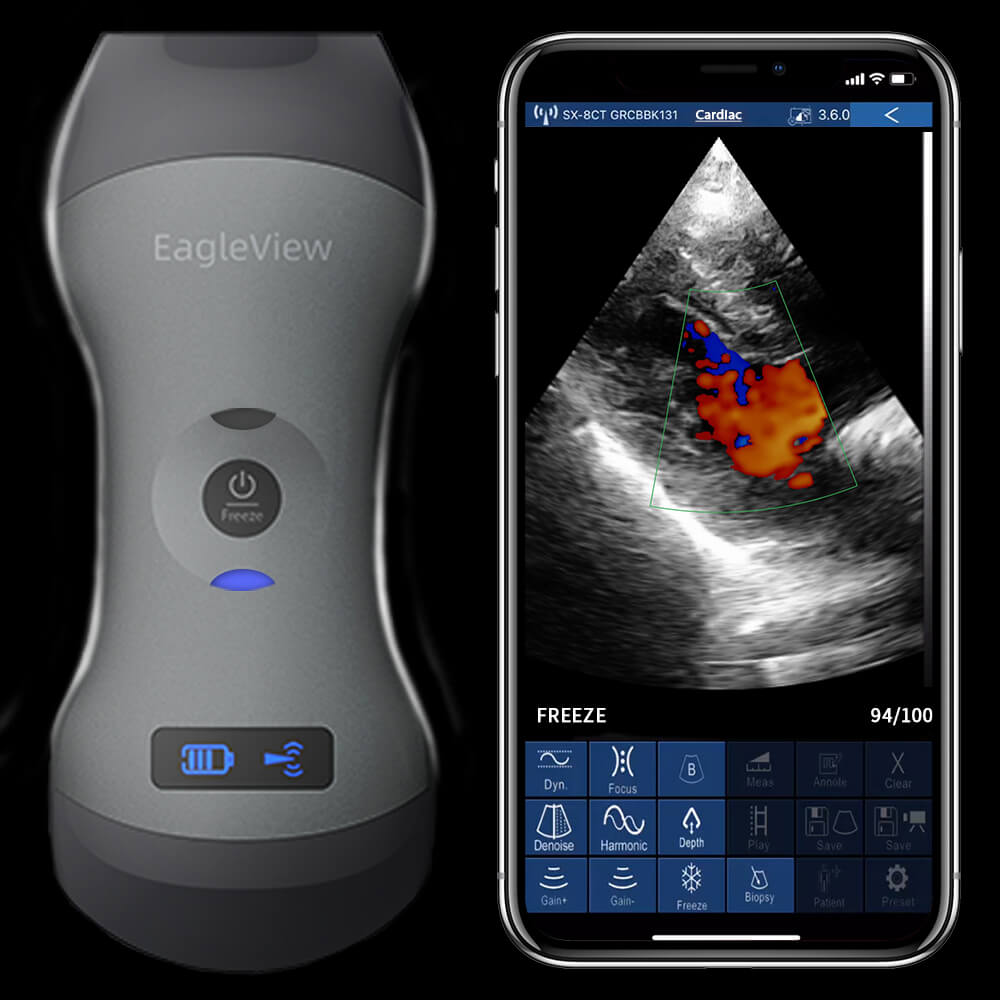
*Rx only, for use by qualified, trained or licensed healthcare professionals. EagleView works as a curvilinear ultrasound probe and a phased array ultrasound probe at the same time. Scan the whole body by this smartphhone ultrasound. Simply flip the device, you can switch from shallow exams to deep exams. From the deep structures within the abdomen, superficial anatomy, the extremities and even to the heart. With a high speed of 18 frames per second on your hand, you can get any small detail in maxium clarity for a quick diagnostic imaging. See patient's health issues in HD.
-
S1 Veterinary Ultrasound Probe – Wellue
Application: pregnancy tests for large animals, such as horses, cows and camels. Application: pregnancy diagnosis for medium animals, such as sheeps, goats, pigs and dogs (≥22lb/10kg).
-
This temperature probe is designed for use with the 12-Inch Patient Monitor, providing continuous and accurate body temperature monitoring. – Wellue
This temperature probe is designed for use with the 12-Inch Patient Monitor, providing continuous and accurate body temperature monitoring. The monitor supports dual-channel temperature probes, making it ideal for hospitals and extended care settings.
-
Medical Devices | FDA
The .gov means it’s official.Federal government websites often end in .gov or .mil. Before sharing sensitive information, make sure you're on a federal government site. The site is secure. The https:// ensures that you are connecting to the official website and that any information you provide is encrypted and transmitted securely. Helping innovators, providers, and patients reimagine the home as an integral part of the health care system.
-
High Blood Pressure - What Is High Blood Pressure? | NHLBI, NIH
An official website of the United States government Official websites use .gov A .gov website belongs to an official government organization in the United States. Secure .gov websites use HTTPS A lock ( A locked padlock ) or https:// means you’ve safely connected to the .gov website. Share sensitive information only on official, secure websites.
-
High blood pressure (hypertension) - Symptoms & causes - Mayo Clinic
High blood pressure is a common condition that affects the body's arteries. It's also called hypertension. If you have high blood pressure, the force of the blood pushing against the artery walls is consistently too high. The heart has to work harder to pump blood. Blood pressure is measured in millimeters of mercury (mm Hg). In general, hypertension is a blood pressure reading of 130/80 mm Hg or higher. The American College of Cardiology and the American Heart Association divide blood pressure into four general categories. Ideal blood pressure is categorized as normal.