Quick take
We break down who this device is best for, what it measures, and how it compares in the market.

Nocturnal Pulse Ox: A Practical Guide to Overnight Oxygen Tracking (2026)
Key Takeaways
- Nocturnal pulse ox monitoring offers real-time, actionable insights into your overnight oxygen and heart rate patterns.
- Smart ring and fingertip oximeters both provide reliable data, with differences in comfort and report detail.
- Proper setup and consistent maintenance ensure accurate, trustworthy results.
- Combining overnight oxygen tracking with other home health monitors—like ECG or blood pressure—can help form a comprehensive view of your health.
- Always consult your healthcare provider if you see repeated oxygen dips or unexpected heart rate changes.
Introduction: Why Track Your Oxygen Overnight?
Most people never think about their oxygen levels while they sleep—until symptoms like morning headaches, unexplained fatigue, or known sleep disorders make them question what’s happening overnight. Nocturnal pulse ox monitoring fills this gap, providing detailed insights into your blood oxygen saturation (SpO2) and pulse rate without a trip to the lab. For those managing sleep apnea, chronic respiratory issues, or monitoring the effectiveness of CPAP or oxygen therapy, these insights are both practical and empowering.
Understanding Nocturnal Pulse Ox and Its Role in Home Health Monitoring
Nocturnal pulse ox simply means tracking your blood oxygen and pulse rate as you sleep. Modern devices now make it possible to do this comfortably at home, with automated reports and real-time alerts if your readings stray outside your chosen range.
Who Benefits Most from Overnight Oxygen Monitoring?
Anyone with suspected sleep-disordered breathing, conditions affecting lung or heart function, or those using sleep therapy devices stands to benefit the most. Nocturnal pulse ox is also valuable for proactive wellness monitoring, especially if you’ve noticed changes in your sleep quality or have risk factors for respiratory or cardiac conditions.
How Nocturnal Pulse Ox Devices Work
The Science Behind Pulse Oximetry: Measuring SpO2 and Pulse Rate
Pulse oximeters work by shining specific wavelengths of light through your skin and measuring how much is absorbed by oxygenated vs. deoxygenated blood. The device then calculates your SpO2 (percentage of oxygen-saturated hemoglobin) and pulse rate, updating these readings every second or so. Overnight models log this data, building a continuous timeline you can review the next day.
What Makes Overnight Readings Different from Daytime Checks?
Daytime pulse ox checks provide snapshots; overnight monitoring gives you the full movie. Many breathing disturbances—including those associated with sleep apnea—are only obvious during certain sleep stages or positions. Continuous tracking helps you (and your doctor) spot trends, such as repeated drops in oxygen or heart rate spikes, that single-point checks miss.
Choosing the Right Nocturnal Pulse Ox Device for Home Use
Smart Ring Pulse Oximeters vs. Fingertip Models: Key Differences
| Feature | O2Ring S Pulse Oximeter | Smart Fingertip Pulse Oximeter |
|---|---|---|
| Best For | All-night, comfortable tracking; sensitive skin, restless sleepers | Shorter overnight checks; quick spot-checks; budget-conscious users |
| Wear Style | Ring (worn on finger) | Clip (worn on fingertip) |
| Alerts | Vibration for low SpO2/pulse | Visual/vibration, customizable |
| App Syncing | Full app reports, easy exports | Bluetooth app, basic trend reports |
| Comfort | High for most users (ring design) | Varies (some experience pressure on fingertip with long wear) |
| Setup | Simple pairing, minimal learning curve | Easy pairing, some screen orientation quirks |
| Full Review | Read Review | Read Review |
Bluetooth Syncing, App Features, and Data Sharing
Most modern nocturnal pulse ox devices offer Bluetooth syncing to a companion app, where you can review overnight trends, set alert thresholds, and easily export or share results. Look for apps that are easy to navigate and allow you to generate PDF or CSV reports for your healthcare team.
Comfort Considerations for All-Night Wear
Comfort makes or breaks your experience—especially if you’re a light sleeper or move around at night. Ring designs, like the O2Ring S, distribute pressure evenly and tend to stay put, while fingertip models can feel tighter and may shift if you toss and turn.
Setting Up Your Nocturnal Pulse Ox Monitor: Step-by-Step
- Charge your device fully before first use.
- Download the companion app (iOS/Android) and pair your device via Bluetooth.
- Wear the device snugly but not too tight—on your ring finger for ring models, fingertip for clips.
- Start overnight mode as prompted by your app or device menu. Confirm the device is logging data (usually indicated by a blinking light or on-screen icon).
- Sleep as usual. If the device vibrates or beeps, check your position but avoid removing it unless uncomfortable.
- In the morning, sync your device with the app to review your overnight report.
Checklist for Reliable Data
- Hands are clean and dry before wearing the device.
- Device fits securely without pinching or slipping.
- Bluetooth is enabled on your phone or tablet.
- App permissions are granted for data transfer.
- Device battery is sufficient for at least 8 hours of use.
Reading and Understanding Overnight Oxygen Reports
What Your SpO2 Data Means: Normal Values and Red Flags
Most healthy adults have overnight SpO2 levels above 94%. Occasional brief dips below this—especially if not accompanied by symptoms—are common. However, repeated or prolonged drops (especially below 90%) may warrant discussion with your provider. The app will often flag these for you, but context matters; don't panic at every alert.
Identifying Patterns: Oxygen Dips, Sleep Apnea, and Heart Rate Changes
Watch for clusters of low oxygen events or significant heart rate swings. These can signal sleep-disordered breathing or other issues, even if you feel fine during the day. The ability to export and share these data sets is invaluable for your clinician, especially if you're undergoing a sleep therapy adjustment or evaluating the impact of a new device.
When to Share Results with Your Healthcare Provider
Share your reports if you see frequent, unexplained oxygen dips, persistent readings below 90%, or new symptoms like morning headaches or increased daytime sleepiness. Even if your numbers look normal but your symptoms change, it's worth a check-in.
Device Cleaning, Maintenance, and Troubleshooting
Best Practices for Hygiene and Accurate Measurements
Wipe your device with a soft, damp cloth after each use—never submerge. Avoid lotions or gels on your hands at bedtime, as these can interfere with readings. Store in a clean, dry place between uses.
Battery Management and Device Longevity
Charge after each use for peace of mind. For portable oxygen concentrators, consider an extra battery and seat charger, especially if you rely on continuous oxygen delivery. Battery life varies; colder environments and frequent alerts can shorten runtime.
Troubleshooting Common Issues with Nocturnal Pulse Ox Devices
- If the device disconnects overnight, check fit and Bluetooth stability.
- Readings seem off? Re-clean the sensor areas and ensure proper placement.
- Persistent low readings in a healthy user may indicate device error—try a different finger or hand, and check the app for firmware updates.
Integrating Nocturnal Pulse Ox with Other Home Monitoring Tools
Combining Overnight Oxygen Tracking with Home ECG and Blood Pressure Devices
Pairing your nocturnal pulse ox data with home ECG and blood pressure results can reveal how your cardiovascular system responds throughout the night. For those with hypertension, noticing overnight drops in blood oxygen can be particularly relevant, as both the NHLBI and Mayo Clinic note the connection between oxygenation and blood pressure regulation.
Supporting Sleep Therapy: CPAP, APAP, BiPAP, and Oxygen Concentrators
Nocturnal pulse ox is a natural companion for anyone using CPAP, APAP, or BiPAP therapy. It helps you and your provider see if your therapy is keeping your oxygen stable all night. Portable oxygen concentrator users can confirm their settings are adequate, and an extra battery ensures uninterrupted monitoring during longer nights or travel.
Building a Comprehensive Home Health Monitoring Routine
Combining overnight oxygen, home ECG, and blood pressure monitoring provides a fuller picture of your health, especially if you're managing chronic conditions or making changes to your sleep therapy routine. Start with one device and add others as needed, always keeping your provider in the loop.
Who this is for
If you suspect sleep apnea, use CPAP/BiPAP, experience unexplained fatigue, or want peace of mind about your overnight oxygen, a nocturnal pulse ox device is a practical, low-hassle tool. It's also useful for those with chronic respiratory or cardiac conditions, or anyone whose doctor has recommended overnight monitoring.
If you're unsure which to pick: choose a ring-style oximeter for maximum overnight comfort and reliable tracking, or a fingertip model if you need a budget-friendly option or mostly want spot checks.
Product Highlights
| O2Ring S Pulse Oximeter Best for: Those wanting a seamless, comfortable experience and detailed overnight reports. The ring design minimizes finger pressure, making it easy to forget you’re wearing it—even for light sleepers. Vibration alerts are discreet, and the app’s report export is quick for sharing with your provider. Some users may need to test fit for the best comfort. Ideal for tracking therapy effectiveness or capturing subtle overnight oxygen trends. View at Wellue |
|---|---|
|
O2Ring S Pulse Oximeter Best for: Those wanting a seamless, comfortable experience and detailed overnight reports. The ring design minimizes finger pressure, making it easy to forget you’re wearing it—even for light sleepers. Vibration alerts are discreet, and the app’s report export is quick for sharing with your provider. Some users may need to test fit for the best comfort. Ideal for tracking therapy effectiveness or capturing subtle overnight oxygen trends. View at Wellue |
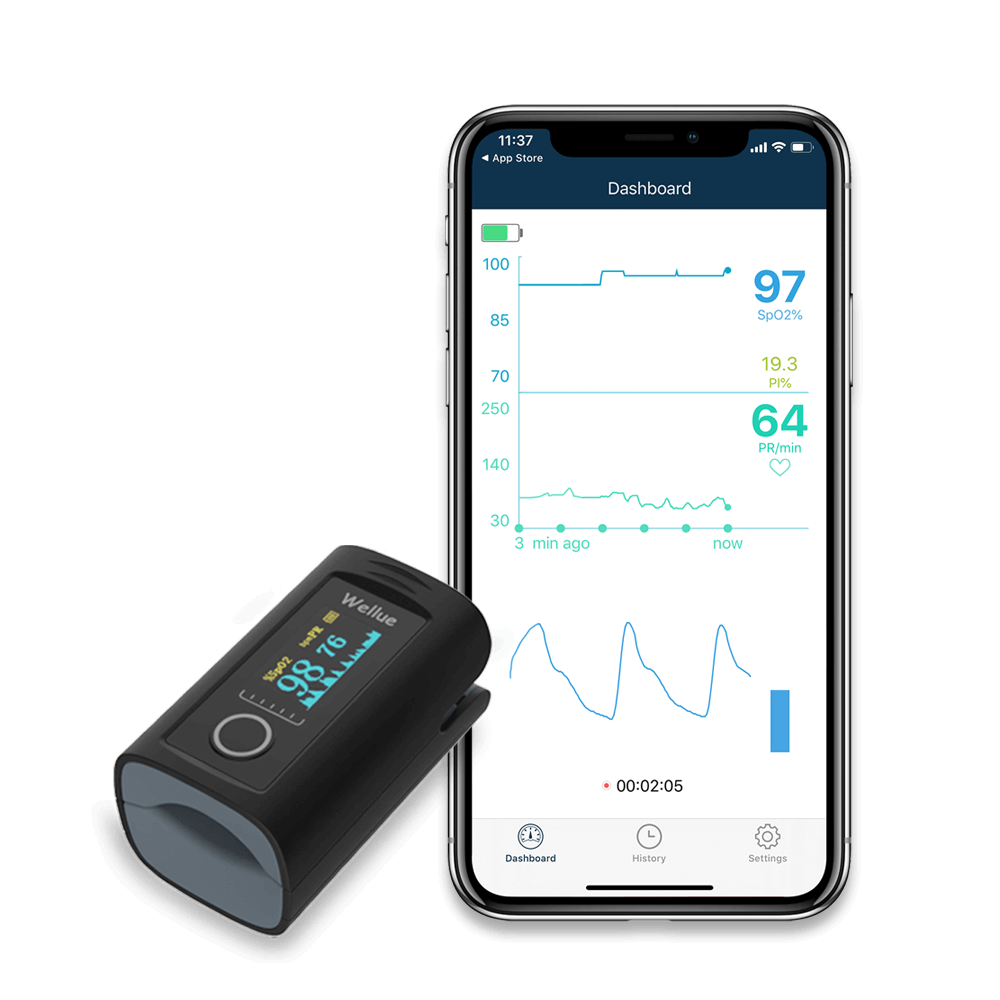 |
Smart Fingertip Pulse Oximeter Best for: Quick overnight checks or those who want flexibility between spot checks and continuous tracking. The compact design is travel-friendly and the app setup is straightforward. Some users may find the clip less comfortable for all-night use, especially if they move a lot in their sleep. A solid choice for those who value simplicity and affordability. View at Wellue |
Conclusion: Confident Sleep with Nocturnal Pulse Ox
Nocturnal pulse ox monitoring puts overnight health insights in your hands—literally. For most, a smart ring device like the O2Ring S is the best pick for comfort and usability. If you want to spend less or need more flexibility, the Smart Fingertip Pulse Oximeter is a reliable alternative. Whichever you choose, consistent use and clear communication with your healthcare provider will help you get the most from your overnight data.