
Measurement of Pulse Oximeter: Accurate Home Oxygen Tracking Guide (2026)
Key Takeaways
- Pulse oximeters provide crucial real-time blood oxygen (SpO2) and pulse rate readings—essential for informed home self-monitoring.
- Accurate results depend on proper device selection, placement, and routine care.
- Tracking and understanding trends over time is more valuable than focusing on single spot readings.
- Pulse oximeters work best when integrated into a broader home health strategy alongside sleep therapy and cardiovascular monitoring tools.
Introduction: Why Accurate Pulse Oximeter Measurement Matters
For anyone managing sleep apnea, COPD, or simply looking to keep a closer eye on their respiratory health in 2026, the humble pulse oximeter is now a household staple. These compact devices offer peace of mind by shining a light—literally—on a vital aspect of your health: how efficiently your blood carries oxygen. With remote care and telehealth on the rise, accurate and reliable measurement of pulse oximeter readings at home has never been more relevant.
Who This Is For
If you use sleep therapy devices (CPAP, APAP, BiPAP), manage chronic lung or heart conditions, or want real data to discuss with your doctor, this guide is for you. It's also valuable for caregivers supporting loved ones who need overnight oxygen monitoring or those using portable oxygen concentrators at home.
What Does a Pulse Oximeter Measure?
Oxygen Saturation (SpO2): Key to Respiratory Wellness
The core function of any pulse oximeter is to estimate your peripheral blood oxygen saturation, or SpO2. This percentage reflects how much oxygen your hemoglobin is carrying compared to its maximum capacity. For most healthy adults, "normal" falls between 95–100%. Values below 92%—especially overnight or at rest—warrant a closer look with your healthcare provider.
Pulse Rate: Tracking Your Heartbeat
Every pulse oximeter also measures your heart rate in beats per minute. This can help you spot periods of elevated pulse (tachycardia), bradycardia (slowed heart rate), or unexpected variability, which sometimes correlates with sleep disturbances or underlying health issues.
Perfusion Index and Additional Metrics
Some advanced models—like the Wellue Smart Fingertip Pulse Oximeter—also display a perfusion index (PI), which reflects the strength of your blood flow at the measurement site. While not diagnostic, a low PI may flag cold fingers or poor circulation, affecting reading reliability.
Difference Between Spot Checks and Continuous Monitoring
Spot-check oximeters are ideal for quick, on-the-spot measurements. Continuous models, such as the O2Ring S Pulse Oximeter, track your oxygen and heart rate overnight, providing a detailed trend report and highlighting drops you may never notice while asleep.
How Pulse Oximeters Work: The Science Explained
Light Sensors and Blood Flow: The Core Technology
Pulse oximeters use red and infrared light sensors that shine through your finger, toe, or earlobe. By analyzing how much light is absorbed by oxygenated versus deoxygenated hemoglobin, the device computes your SpO2. The heart rate is calculated by detecting pulsatile blood flow patterns.
Why Finger, Ring, and Wrist Placement Matters
Fingertip models are best for spot checks, but ring-style (like the O2Ring S) and wrist-worn units are optimized for overnight monitoring, staying put even if you toss and turn. Proper placement is essential: the sensor must sit snugly, and hands should be warm and relaxed.
Factors Affecting Measurement Accuracy
- Movement: Fidgeting or shivering can cause false readings.
- Nail polish/acrylics: These can block light sensors on fingertip models.
- Poor circulation: Cold hands or Raynaud’s can skew results.
- Skin tone and thickness: Advanced sensors (as found in current Wellue models) are designed to compensate, but extremes can still impact readings.
Step-by-Step: How to Use a Pulse Oximeter for Reliable Results
Choosing the Right Device for Home Use
If you only need quick checks, a basic fingertip model suffices. For tracking nocturnal pulse ox or monitoring overnight drops, a wearable like the O2Ring S is a better fit. If you use portable oxygen or sleep therapy, opt for a device with continuous tracking and app-based reports.
Proper Placement: Fingertip vs. Ring vs. Wrist Models
- Fingertip: Place on a clean, dry finger (preferably the middle or index). Rest hand at heart level. Wait 10–30 seconds for a stable reading.
- Ring: Slide onto index or middle finger; should fit snugly but not restrict blood flow.
- Wrist: Follow manufacturer’s instructions, ensuring snug sensor contact.
Interpreting Your Readings: What the Numbers Mean
SpO2 of 95–100% is considered normal for most adults; persistent readings below 92% during sleep or at rest should be discussed with your doctor. Pulse rate varies by age and activity but is typically 60–100 bpm at rest for adults. Pay attention to trends, not just single values.
How to Track Oxygen Overnight and During Sleep
Wear the device as instructed, start recording before sleep, and avoid removing it until morning. Devices like the O2Ring S save all-night data and can alert you with gentle vibrations if your SpO2 drops, providing actionable nocturnal pulse ox insights for you and your care team.
Interpreting Pulse Oximeter Reports: What to Look For
Normal Ranges for Oxygen Saturation and Pulse Rate
- SpO2: 95–100% (normal), 92–94% (borderline), <92% (potential concern—consult your provider)
- Pulse Rate: 60–100 bpm (typical adult resting range)
Identifying Trends: Drops, Variability, and Alerts
Most overnight monitors flag drops below a set SpO2 threshold and provide trend lines. Look for frequent or prolonged dips and significant variability, which may indicate undiagnosed sleep apnea or issues with CPAP/BiPAP settings.
When to Seek Medical Advice Based on Your Results
If you notice repeated nighttime drops below 90%, persistent low daytime readings, or symptoms (shortness of breath, confusion), contact your doctor. Bring your exported report (from the Wellue app, for example) to facilitate the discussion.
Common Pitfalls and Best Practices in Home Pulse Oximetry
Avoiding False Readings: Movement, Nail Polish, and Skin Tone
Always follow device setup guides and remove nail polish or acrylics for fingertip models. Keep your hand still and at heart level. Consider using a ring or wrist sensor for overnight or restless sleepers.
Routine Maintenance and Cleaning for Device Accuracy
Clean sensors with a soft, damp cloth; avoid harsh chemicals. Check batteries regularly and store in a cool, dry place. Refer to your device’s cleaning and maintenance guide for specifics.
Tips for Consistent Results During Overnight Oxygen Monitoring
- Wear the device on the same finger or hand each night for consistency.
- Start the recording session before falling asleep.
- Review your nocturnal pulse ox report in the morning for trends.
Pulse Oximeter Measurement in Broader Home Health Monitoring
Integrating with Sleep Therapy Devices (CPAP/APAP/BiPAP)
Many users pair their oximeter data with CPAP machine reports to ensure therapy is effective. Persistent drops in SpO2 despite good CPAP adherence may signal the need for equipment adjustment or further medical evaluation.
Using Pulse Oximeters Alongside Home ECG and Blood Pressure Monitors
Combining pulse oximetry with home ECG and blood pressure tracking creates a more complete picture of your cardiovascular and respiratory health. This integrated approach is especially valuable for those at risk for both sleep apnea and hypertension.
How to Share Device Reports Securely with Your Doctor
Most modern oximeters, including the Wellue O2Ring S and Smart Fingertip model, allow you to export or share reports securely via their companion apps. Always use secure channels (encrypted email or direct upload to your clinic’s portal) to protect your health information.
Product Spotlight
| Product | Best For | Limitation | Real-World Use Case | Actions |
|---|---|---|---|---|
| Uninterrupted overnight SpO2 trend tracking | Requires initial app setup; fit may vary | Ideal for those who want automatic overnight oxygen logs and vibration alerts for drops while using CPAP or oxygen concentrators. | ||
| Spot checks and quick pulse/SpO2 readings | Not ideal for restless sleepers or overnight logs | Great for checking oxygen and pulse before/after activity, or for quick daytime monitoring, especially if you want simple app syncing. |

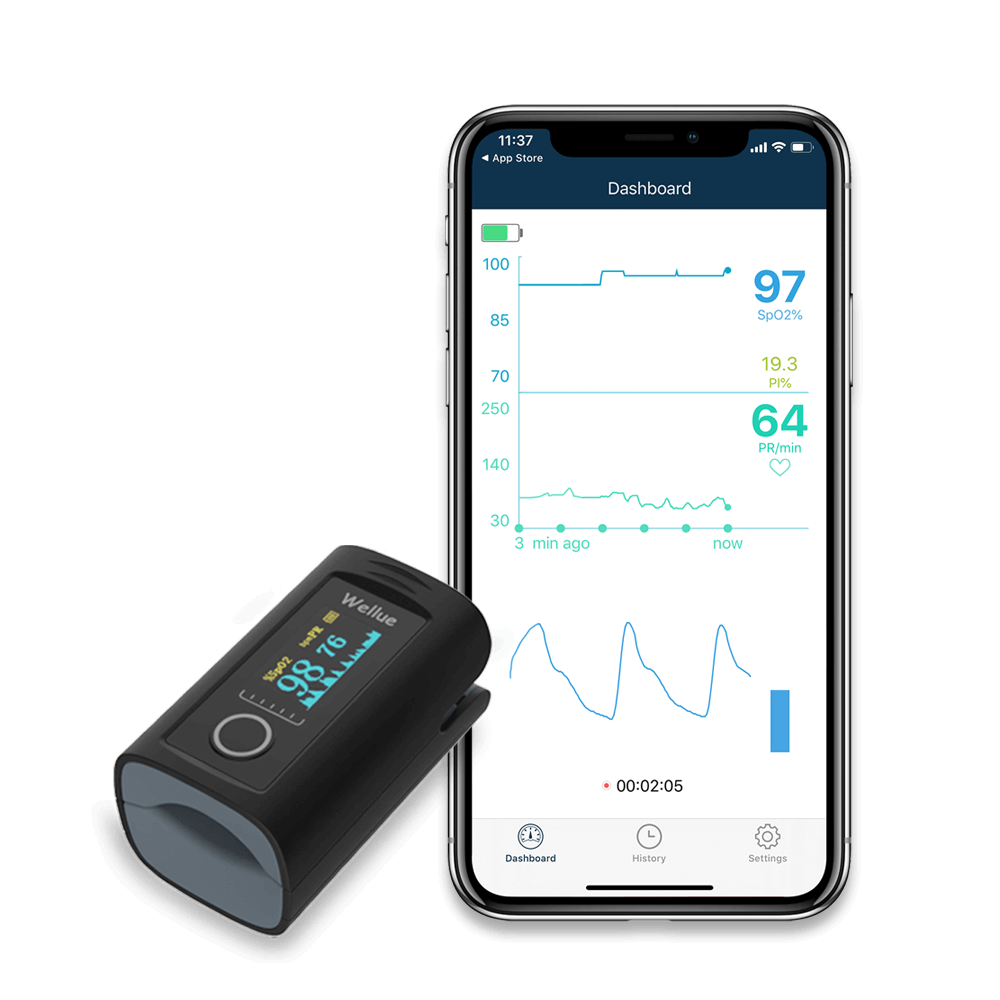
If You're Unsure
If most of your concern is overnight oxygen drops (like with sleep apnea or while on oxygen therapy), a ring or wrist model is usually more comfortable and reliable. For infrequent spot checks, a fingertip oximeter is sufficient and more affordable. Consider your comfort with apps—continuous models almost always require an app for reports.
Conclusion: Building Confidence in Home Oxygen Measurement
Pulse oximeters are powerful, practical tools for home health monitoring when used thoughtfully. Choosing the right device, following best practices, and understanding your reports can help you and your care team make informed decisions. For overnight monitoring, the O2Ring S is a standout for ease and clarity; if you only need quick daytime checks, the Smart Fingertip Pulse Oximeter is a reliable, user-friendly option.
Related reading
Sources and verification
Last checked: April 19, 2026
-
Wellue O2RingS | Upgraded Pulse Oximeter Ring with 24h Oxygen tracking | O2Ring S
☑ Checks your blood oxygen and heart rate every second. ☑ Vibration alerts for low blood oxygen or abnormal pulse rate. ☑ Wake up to easy-to-read reports you can trust, share, or bring to your doctor.
-
Wellue Bluetooth Wireless Fingertip Pulse Oximeter. iOS & Android APP. SpO2 & Pulse Rate. FDA Approved.
*Bluetooth Version is Currently Shipped in Random Color,Gray or Blue Got it on sale and the price was great. The display is nice, and for the price I expected the app to be garbage. But it synced quickly and painlessly. I'll also add that if you see the reviews complaining about the iOS app not having all the features, it did when I downloaded it. The only complaint I have is minor. Which is that for a right hand dominant person, you probably stick this on your left hand, and not all the screens render in a direction that reads right side up that way. If they could have it cycle between the screens AND mirrored versions of the screens it'd be great, but that's a minor gripe.
-
Battery and Seat Charger for Portable Oxygen Concentrator with 5 Pulse Flow Settings – Wellue
Including an 8-cell battery (6700 mAh) and a separate battery seat charger for the pulse dose 1-5 portable oxygen concentrator. *Note: Battery runtimes will vary from conditions like ambient temperature, humidity variations and usage, including breath rate, etc.
-
Medical Devices | FDA
The .gov means it’s official.Federal government websites often end in .gov or .mil. Before sharing sensitive information, make sure you're on a federal government site. The site is secure. The https:// ensures that you are connecting to the official website and that any information you provide is encrypted and transmitted securely. Helping innovators, providers, and patients reimagine the home as an integral part of the health care system.
-
High Blood Pressure - What Is High Blood Pressure? | NHLBI, NIH
An official website of the United States government Official websites use .gov A .gov website belongs to an official government organization in the United States. Secure .gov websites use HTTPS A lock ( A locked padlock ) or https:// means you’ve safely connected to the .gov website. Share sensitive information only on official, secure websites.
-
High blood pressure (hypertension) - Symptoms & causes - Mayo Clinic
High blood pressure is a common condition that affects the body's arteries. It's also called hypertension. If you have high blood pressure, the force of the blood pushing against the artery walls is consistently too high. The heart has to work harder to pump blood. Blood pressure is measured in millimeters of mercury (mm Hg). In general, hypertension is a blood pressure reading of 130/80 mm Hg or higher. The American College of Cardiology and the American Heart Association divide blood pressure into four general categories. Ideal blood pressure is categorized as normal.