Quick take
We break down who this device is best for, what it measures, and how it compares in the market.

Key Takeaways
- Home ECG monitors deliver more detailed heart recovery information than basic pulse trackers, capturing both rate and rhythm changes after exercise.
- Consistent, correct use helps you spot trends in your heart's recovery and supports informed discussions with your healthcare provider.
- Setup, accurate placement, and routine device maintenance are all essential for trustworthy data at home.
- Tracking heart rate recovery at home is not a substitute for professional advice, but it can be a valuable part of your fitness and health toolkit.
Introduction: Why Track Heart Rate Recovery at Home?
What is Heart Rate Recovery (HRR) and Why Does It Matter?
Heart rate recovery (HRR) refers to how quickly your heart slows down after physical activity. This metric is a window into your cardiovascular fitness: a faster return toward your resting rate usually signals a more resilient heart and nervous system. For athletes and anyone focused on heart health, tracking HRR helps adjust training intensity and spot irregular recovery patterns early.
Benefits of Monitoring Exercise Recovery with a Home ECG Monitor
While wrist-worn heart rate monitors measure pulse, a home ECG monitor captures the actual electrical signals of your heart. This means you can track not just how fast your heart is beating, but also if your rhythm is steady and normal during the crucial recovery window. For those serious about optimizing recovery or watching for subtle rhythm changes, ECG-based tracking at home adds a new level of clarity.
Understanding Home ECG Monitors for Post-Exercise Recovery
How Modern Home ECG Devices Work
Portable ECG monitors like the Wellue 24-Hour ECG Monitor are designed for easy, at-home use. These devices record your heart’s electrical activity through skin sensors, logging data before, during, and after exercise. Some models offer continuous tracking, while others provide quick spot checks with results that sync to your phone or computer.
ECG vs. Basic Heart Rate Monitors: What's the Difference?
Basic heart rate monitors (like chest straps and smartwatches) use optical sensors to estimate your pulse, but they can't capture rhythm changes or subtle arrhythmias. ECG monitors record a direct electrical signal, providing a much richer picture for post-exercise recovery tracking. This is particularly useful if you're interested in both the speed and the quality of your heart's recovery after workouts.
Limitations and Safety Considerations (FDA Guidance)
Home ECG monitors are excellent for wellness and trend tracking but are not intended to diagnose or treat medical conditions. The FDA emphasizes that these devices support general wellness and should not replace clinical evaluation. If you notice unusual readings or symptoms, consult a healthcare professional promptly.
Who This Is For
If you want to go beyond basic fitness tracking and gain deeper insight into your heart's response to exercise, a home ECG monitor is for you. This guide is especially helpful if you’re training for endurance, are recovering from a cardiac event (under doctor’s care), or simply want to monitor heart rhythms during lifestyle changes. If you have a known heart condition or take cardiac medications, always check with your doctor before starting home ECG monitoring.
Preparing to Track Heart Rate Recovery at Home
Choosing the Right Home ECG Monitor for Exercise Recovery
Prioritize devices with reliable data logging, easy report exports, and user-friendly apps. The Wellue 24-Hour ECG Monitor stands out for continuous tracking, while the ECG 1000 Data Management System is better for quick, on-demand rhythm checks. If you’re unsure, start with a device that matches your comfort level with technology and your preferred use case (continuous vs. spot checks).
Setting Up Your Device: Placement, Connectivity, and App Use
Follow your device manual for skin preparation and sensor placement—correct contact is key for accurate readings. Ensure your app is installed and your device is charged and paired. Test the setup before your first workout to avoid interruptions post-exercise.
Best Practices Before, During, and After Exercise
- Hydrate and avoid caffeine or stimulants pre-workout for cleaner signals.
- Warm up your device and app, and take a baseline ECG before exercise.
- Post-exercise, sit or stand still for readings to minimize artifacts.
Step-by-Step Guide: Using a Home ECG Monitor for Exercise Recovery
- Record Baseline Data: Take a resting ECG before you start your workout for comparison.
- Exercise as Usual: Complete your workout, keeping your device nearby if not worn continuously.
- Immediate Post-Workout Recording: Within 30 seconds of stopping, begin a new ECG recording. Remain as still as possible.
- Track Recovery at 1, 2, and 5 Minutes: Repeat ECG measurements at these intervals. Note your heart rate and check for rhythm changes.
- Log Your Results: Save ECGs to your app or export reports for trend comparison.
Checklist for Consistent and Accurate Recording
- Use the same device and placement each time.
- Minimize talking and movement during readings.
- Review signal quality before saving data.
How to Read and Interpret ECG Recovery Data
Key Metrics: Heart Rate Drop, Rhythm Changes, and Trends
Look for how quickly your heart rate falls from peak exercise to 1, 2, and 5 minutes into recovery. A typical healthy drop is 12–20 beats per minute in the first minute, but personal trends matter more than any single number. Also, check the ECG trace for any unusual rhythm patterns or skipped beats during recovery.
Using AI Analysis and Data Management Tools
Many home devices, such as the Wellue ECG systems, use built-in AI to flag irregularities and summarize trends. The ECG 1000 Data Management System lets you view spot check reports and export data to share with your healthcare provider or coach.
Understanding What Your Results Mean for Heart Health
Consistent, timely heart rate recovery usually signals good cardiovascular fitness. If you notice your recovery slowing over time, or your ECG shows new irregularities, it’s a cue to ease up and check in with your doctor. Remember, trend tracking is more useful than fixating on one-off results.
Common Challenges and Troubleshooting
When Your ECG Monitor Isn't Reading Correctly
Poor contact, dry skin, or device placement errors can disrupt readings. Clean skin, reposition electrodes, and restart your device if needed.
Dealing with Motion Artifacts and Poor Contact
Remain still during measurements, and avoid talking or moving your arms. If signal quality remains low, check for worn adhesive patches or low battery.
When to Seek Medical Advice Based on Home Results
If your monitor repeatedly flags arrhythmias or your recovery heart rate changes significantly without explanation, consult your healthcare provider. Do not rely on home ECG results for diagnosis or treatment decisions.
Maintaining Your Home ECG Monitor for Reliable Results
Cleaning and Storage Best Practices
Wipe sensors with a soft cloth after each use and store your device in a dry, protected case. Replace adhesive patches as recommended.
Battery Life, Updates, and Device Calibration
Charge regularly and install firmware updates to ensure device accuracy. Periodically check calibration if your device supports it.
Integrating ECG Recovery Tracking into Your Fitness Routine
How Often Should You Measure Post-Exercise Recovery?
For most users, 2–3 sessions per week are enough for trend tracking. Athletes may wish to record after every key workout.
Tracking Trends Over Time and Setting Personal Baselines
Compare data from similar workouts and conditions to establish your typical recovery curve. Note deviations and patterns rather than individual outliers.
Using Recovery Data to Adjust Your Training Program
If you notice slower recovery, consider reducing intensity or increasing rest days. Share results with your coach or provider as needed.
Product Spotlight: Best Home ECG Monitors for Exercise Recovery
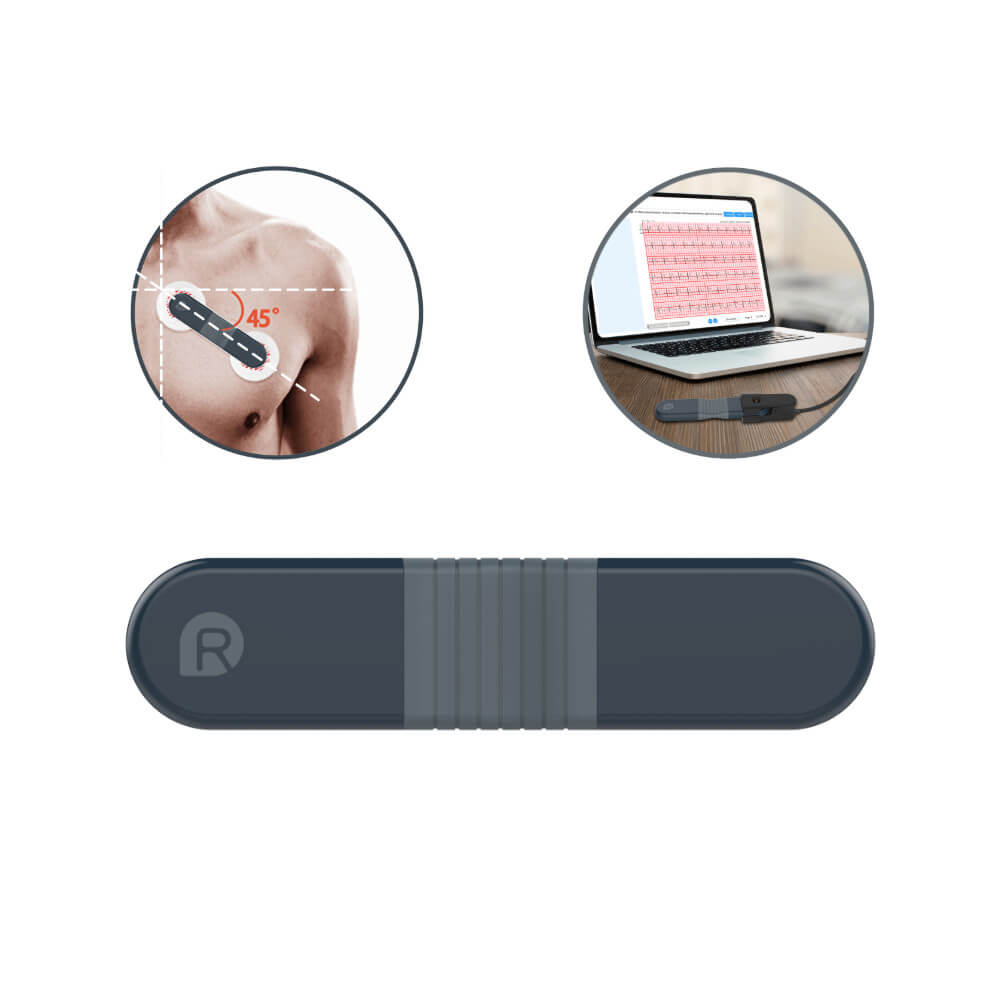
Wellue 24-Hour ECG Monitor
Best for continuous, in-depth tracking, this portable monitor logs every heartbeat for up to 24 hours and offers AI-driven insights on trends. It's ideal for users who want a full picture of exercise and recovery, or for those monitoring fluctuating rhythms throughout the day. The learning curve is steeper than with spot-check devices, but the data depth is unmatched for home use.

ECG 1000 Data Management System
Best for quick, on-the-spot rhythm checks, this device gives you fast snapshots of your heart’s recovery with easy report sharing. It's a good fit for users wanting a simple workflow or those checking recovery at intervals post-exercise. The main limitation is that it won't provide continuous data, but it's highly portable and intuitive.
If you're unsure, choose the device that best matches your comfort with technology and your need for either continuous or spot-check tracking. For most, starting with a user-friendly spot-check system is a smart entry point, upgrading to a 24-hour monitor as your confidence grows.
Conclusion: Empowering Your Heart Health with At-Home ECG Monitoring
Tracking heart rate recovery at home with an ECG monitor puts actionable feedback in your hands. Used correctly, these tools help you tune your training and better understand your cardiovascular health—without waiting for a clinic appointment. Start small, take consistent readings, and focus on your personal trends. If anything seems off, share your results with a healthcare professional for tailored advice.