Quick Verdict: How to Find a True FDA Cleared Pulse Oximeter
Not every pulse oximeter sold online is FDA-cleared—even if it’s registered or listed on the FDA website. To ensure you’re buying a device that meets medical accuracy standards, always:
- Search the FDA’s 510(k) database for your device’s manufacturer and model (see the step-by-step guide below).
- Match the device name, model, and manufacturer details exactly as listed on the FDA record.
- Avoid devices marked “for wellness only” or “not for medical use” for any clinical or overnight monitoring need.
| Device | FDA Clearance | Form Factor | Best For | App Support | Key Limitation | Actions |
|---|---|---|---|---|---|---|
| FDA-cleared | Finger (clip) | General spot-check & overnight | iOS/Android | May require app for full reports | ||
| Checkme O2 Max Wrist Oxygen Monitor | FDA-cleared | Wrist + ring sensor | Long, multi-night tracking | iOS/Android | Larger form factor | Best for extended sleep studies |
| General wellness use only | Finger (ring) | Personal overnight wellness tracking | iOS/Android | Not FDA-cleared for diagnosis |
Immediate Recommendations for Home Use
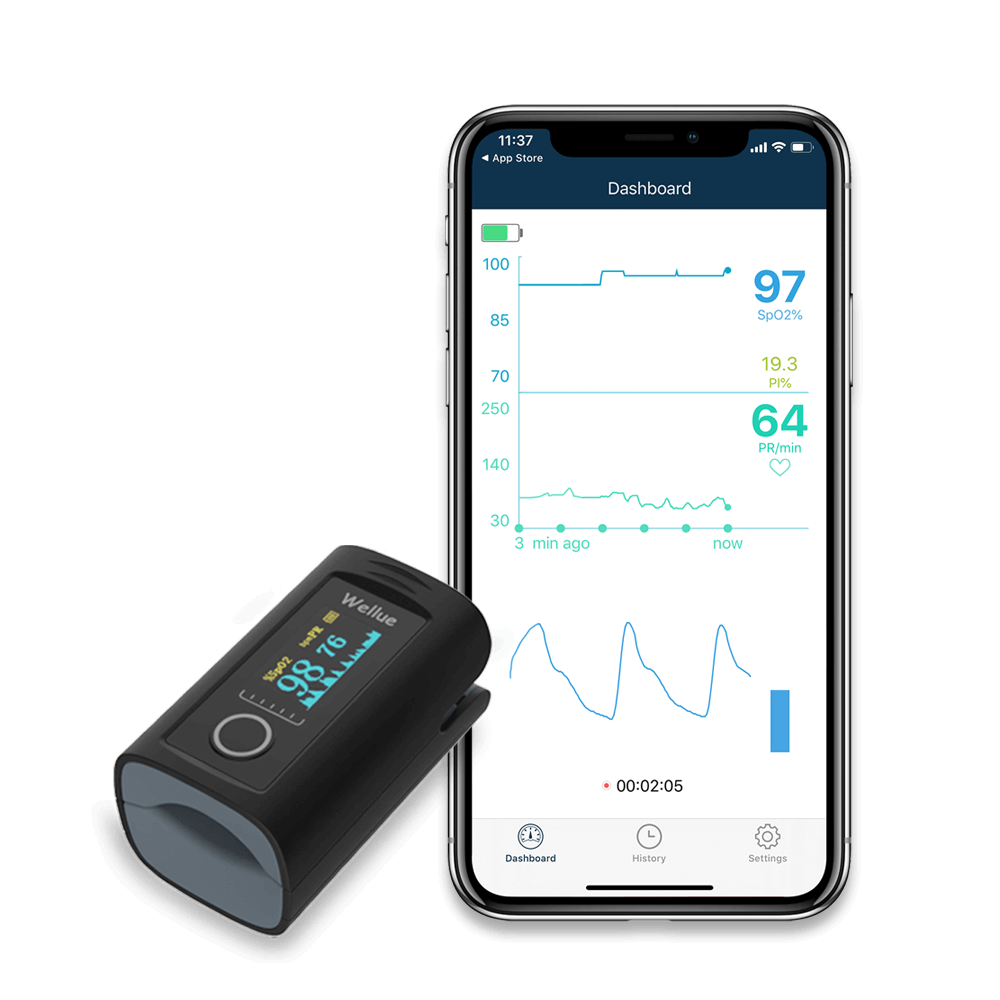
- For medical-grade overnight SpO2 tracking: Smart Fingertip Pulse Oximeter offers a strong balance of accuracy, comfort, and app-based reporting for home users.
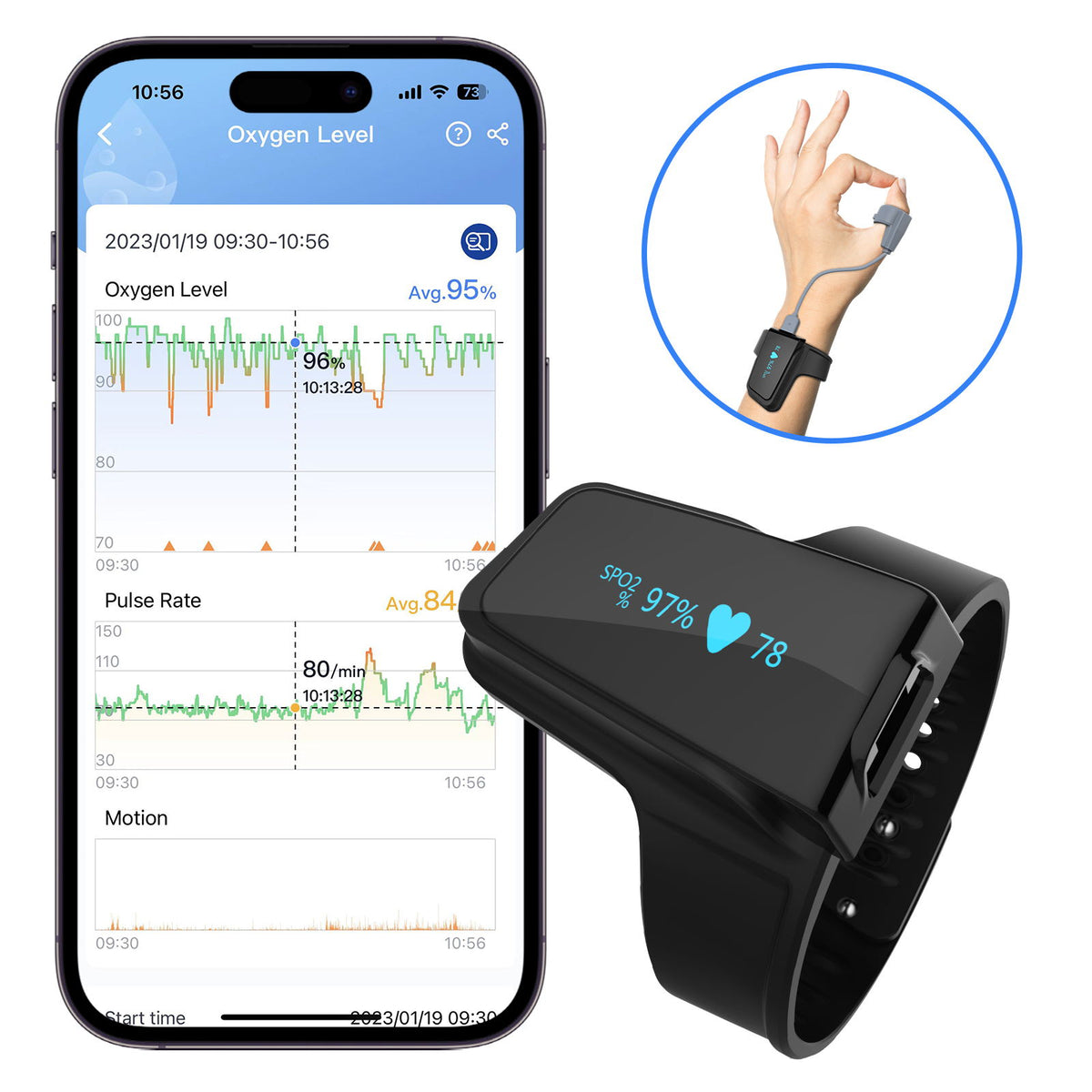
- For extended or multi-night sleep studies: Checkme O2 Max Wrist Oxygen Monitor stands out for its long battery life and stable ring sensor.
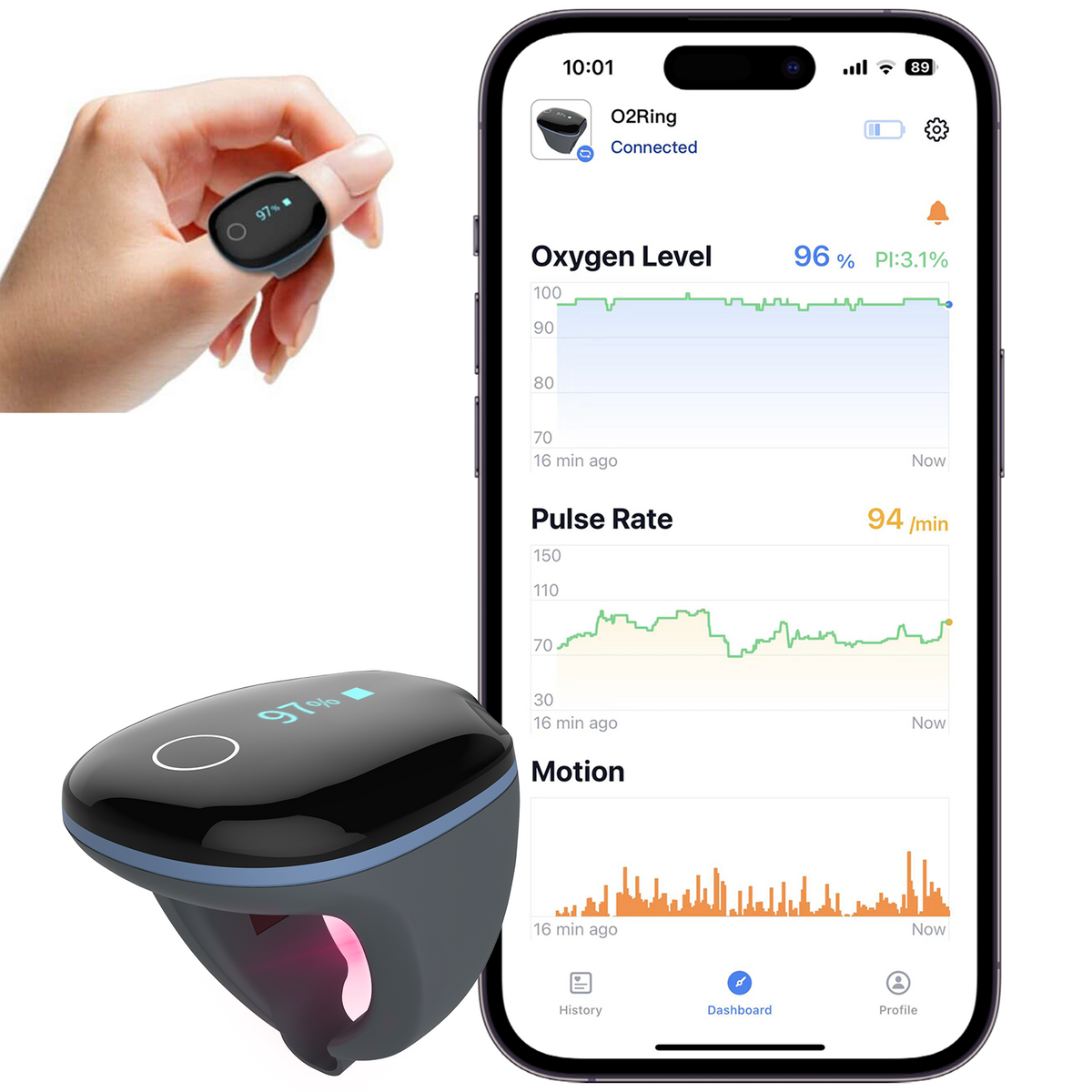
- For wellness-only, non-medical tracking: O2Ring Continuous Ring Oxygen Monitor is a convenient option, but not cleared for diagnosis or clinical monitoring.
Who This Guide Helps
Home Users Needing Reliable Readings
If you need accurate oxygen saturation readings at home—whether for asthma, COPD, heart conditions, or sleep apnea screening—this guide is for you.
Caregivers and Patients Managing Chronic Conditions
Those who support someone with respiratory or cardiovascular disease and want device results their doctor can interpret should choose FDA-cleared options.
Sleep Therapy Device Users
Anyone using PAP devices (CPAP, APAP, BiPAP) who needs to monitor overnight oxygen for themselves or their provider should stick with cleared monitors.
Who Should Consider Other Options
- Individuals wanting only general wellness or fitness feedback may be fine with wellness-only trackers, but results are not for diagnostic use.
- If you require continuous remote monitoring or direct integration with medical records, consult your healthcare provider for a prescription device.
FDA Clearance vs Listing, Registration, and 'Wellness' Claims
What FDA Clearance Means for Pulse Oximeters
FDA clearance (via the 510(k) process) means the device has demonstrated accuracy and safety comparable to a legally marketed predicate device. This is essential for any pulse oximeter used to monitor or diagnose medical conditions at home.
How Clearance Differs from Listing and Registration
Many manufacturers register or list their products with the FDA, but that does not mean those products are evaluated or cleared for medical use. Listing/registration simply means the company is in the database—not that each device is reviewed.
Red Flags: 'For Wellness Use Only' Devices
Devices labeled “for wellness only”, “not for medical use”, or similar are not FDA-cleared. They may offer helpful trends but should not be relied on for medical decisions or shared as clinical evidence with your provider.
OTC vs Prescription Pulse Oximeters
Some FDA-cleared pulse oximeters are sold over-the-counter (OTC), while others—especially those offering continuous overnight tracking—may require a prescription for certain uses. Always verify the device’s status and intended use in FDA records or ask your provider if in doubt.
How to Verify Pulse Oximeter FDA Clearance
Step-by-Step: Pulse Oximeter 510(k) Lookup on the FDA Website
- Go to the FDA Medical Devices section.
- Click into the 510(k) Premarket Notification database.
- Search for the manufacturer’s name (exact spelling) and model number found on your device or packaging.
- Check that the product code, indication, and intended use match your device (e.g., “pulse oximeter, non-invasive”).
- Look for a “cleared” status and note the 510(k) number for your records.
What Information Should Match on the Device and FDA Records
- Exact manufacturer name
- Device model and description
- Intended use (spot-check vs. continuous)
Common Mistakes When Checking FDA Status
- Assuming “FDA registered” or “listed” means the device is cleared
- Searching for the brand instead of the manufacturer
- Missing differences in model numbers or intended use
Top FDA Cleared Pulse Oximeters for Home Use
Based on verified claims and published manufacturer statements, here’s our editorial shortlist for 2026:
| Device | Pros | Cons | Best Use Case | FDA Clearance | Actions |
|---|---|---|---|---|---|
| Compact, reliable, app-based reporting | App setup needed, fit may vary | General home, spot-check, overnight | Cleared | ||
| Checkme O2 Max Wrist Oxygen Monitor | Long battery, stable ring sensor | Larger on wrist | Extended/multi-night, restless sleepers | Cleared | |
| Comfortable, easy reports | Not for medical use | Personal wellness trends only | Not cleared |
How to Choose Based on Your Needs
- Choose Smart Fingertip Pulse Oximeter or Checkme O2 Max if you need a device whose reports your provider can trust for clinical interpretation.
- Choose O2Ring only for general wellness awareness, with the understanding it is not FDA-cleared for diagnosis or treatment decisions.
Practical Limitations and What to Verify Before Buying
Accuracy Considerations at Home
Even FDA-cleared devices can show variability if not used as directed (e.g., cold fingers, nail polish, poor fit). Always follow included instructions and verify readings when symptomatic.
Interpreting Device Reports Safely
Pulse oximeter trends can help you and your provider understand overnight oxygen patterns, but never use home readings alone to diagnose or adjust medical therapy. If you have symptoms or concerning results, consult your healthcare professional.
Device Setup, Maintenance, and Cleaning Essentials
- Follow the manufacturer’s cleaning instructions to avoid damaging sensors.
- Check that the device charges fully and that the app syncs data before bedtime.
- Replace sensors or batteries as recommended to maintain accuracy.
When to Involve Your Healthcare Provider
If your home readings are persistently low, change suddenly, or don’t match your symptoms, contact your provider promptly. Never ignore warning signs just because your device seems to read “normal.”
Note: This guide is for educational purposes and does not replace professional medical advice.
Evidence Base & Methodology
How We Evaluated FDA Clearance and Device Claims
We relied on official FDA device databases, verified manufacturer statements, and published labeling from Wellue for product status and use claims. Devices were only included in the “cleared” category if supporting evidence was available from these sources.
Limitations and Transparency Notes
Not all models or configurations are FDA-cleared, and clearance status can change. Always confirm your specific device’s status using the FDA’s 510(k) database. If a source or manufacturer only claims “general wellness” use, we do not list the device as cleared.
Frequently Asked Questions
- How can I tell if a pulse oximeter is really FDA cleared?
Search the FDA’s 510(k) database for your device’s exact manufacturer and model. Look for a “cleared” status and match all identifying details. - What is the difference between FDA cleared and FDA registered/listed pulse oximeters?
Cleared devices have undergone review for safety and effectiveness; registered or listed products simply mean the company is in the FDA system, not that the device is reviewed or cleared. - Do I need a prescription to buy an FDA cleared pulse oximeter for home use?
Many cleared fingertip pulse oximeters are sold OTC, but some continuous tracking models are prescription-only. Always check device labeling and FDA records. - Where do I find a pulse oximeter’s FDA clearance number or 510(k) information?
In the FDA’s online 510(k) database, or sometimes printed in the device manual or packaging. - Are wellness-only oximeters safe and accurate for tracking overnight oxygen?
They may offer helpful trends, but without FDA clearance, their accuracy is not validated for medical decisions. Use them for personal awareness only—not diagnosis or therapy changes.
What to Verify Before Buying
- Exact FDA clearance status (via the FDA’s 510(k) search)
- Manufacturer and model match
- Intended use matches your needs (spot-check vs. continuous monitoring)
- Device form factor and comfort
- App compatibility and data reporting
Conclusion
For home overnight oxygen monitoring, FDA-cleared pulse oximeters offer peace of mind and accuracy that wellness-only devices can’t. Use the FDA’s 510(k) database to verify clearance, and choose a device matched to your needs and comfort. When in doubt, consult your provider before relying on home readings for any medical decision.
Related reading
Sources and verification
Last checked: August 24, 2026
-
Wellue Bluetooth Wireless Fingertip Pulse Oximeter. iOS & Android APP. SpO2 & Pulse Rate. FDA Approved.
*Bluetooth Version is Currently Shipped in Random Color,Gray or Blue Got it on sale and the price was great. The display is nice, and for the price I expected the app to be garbage. But it synced quickly and painlessly. I'll also add that if you see the reviews complaining about the iOS app not having all the features, it did when I downloaded it. The only complaint I have is minor. Which is that for a right hand dominant person, you probably stick this on your left hand, and not all the screens render in a direction that reads right side up that way. If they could have it cycle between the screens AND mirrored versions of the screens it'd be great, but that's a minor gripe.
-
Wellue O2Ring™ Continuous Ring Oxygen Monitor. Continuously Track Overnight Oxygen Levels and Heart Rate. Provide detailed report and analysis for home sleep study.
*This device is for general wellness use only and not intended for medical use. Track overnight, then view sleep oxygen report in the morning "You can use this to show your doctor how you're sleeping at night. That's the real benefit of this. This could actually in theory save your life, because if you don't know if you're losing oxygen in the middle of the night, you may be totally unaware that you may have sleep apnea. And this type of product can alert you to consult your own physician and find out if you actually have a problem."
-
Wellue Checkme™ O2 Continuous Wrist Oxygen Monitor with 72-Hour Extra-Long Battery Life. Sleep Study at Home.
Continuously track oxygen levels, pulse rates lasting 7 full nights ☑ Patented ring sensor: doesn't get in the way of your finger movement at night, and it stays put ☑ Smart gentle alert when oxygen level drops below preset threshold
-
Medical Devices | FDA
The .gov means it’s official.Federal government websites often end in .gov or .mil. Before sharing sensitive information, make sure you're on a federal government site. The site is secure. The https:// ensures that you are connecting to the official website and that any information you provide is encrypted and transmitted securely. An update on the Cyclospora outbreak available here.
-
High Blood Pressure - What Is High Blood Pressure? | NHLBI, NIH
An official website of the United States government Official websites use .gov A .gov website belongs to an official government organization in the United States. Secure .gov websites use HTTPS A lock ( A locked padlock ) or https:// means you’ve safely connected to the .gov website. Share sensitive information only on official, secure websites.
-
High blood pressure (hypertension) - Symptoms & causes - Mayo Clinic
High blood pressure is a common condition that affects the body's arteries. It's also called hypertension. If you have high blood pressure, the force of the blood pushing against the artery walls is consistently too high. The heart has to work harder to pump blood. Blood pressure is measured in millimeters of mercury (mm Hg). In general, hypertension is a blood pressure reading of 130/80 mm Hg or higher. The American College of Cardiology and the American Heart Association divide blood pressure into four general categories. Ideal blood pressure is categorized as normal.