
Starting CPAP therapy is one of the most effective steps you can take to manage sleep apnea and improve your nightly rest. But with so many machines, masks, and features out there, knowing what actually matters for beginners can be tricky. This CPAP buying guide for beginners (2026) breaks down the process so you can shop with confidence, prioritize your comfort, and understand your device's data from day one.
Who This Is For
If you've been recently diagnosed with sleep apnea, are frustrated with poor sleep quality, or want to understand the differences between CPAP, APAP, and BiPAP before spending several hundred dollars, this guide is for you. It’s especially helpful if you’re a side sleeper, have sensitive skin, or want to make sense of your CPAP machine report without feeling lost.
Key Takeaways
- Identify your key needs: comfort, fit, data access, and budget should drive your CPAP decision.
- Understand the differences between CPAP, APAP, and BiPAP to select the right device for your sleep apnea severity and lifestyle.
- Prioritize features like quiet operation, easy-to-read reports, and mask fit—especially if you are a side sleeper or have sensitive skin.
- Proper setup, regular cleaning, and understanding your device's data reports are crucial for long-term therapy success.
Understanding CPAP: Why It’s Essential for Sleep Apnea
What is a CPAP machine and how does it work?
CPAP (Continuous Positive Airway Pressure) machines deliver a steady stream of air through a mask to keep your upper airway open during sleep. This prevents the airway collapses that cause sleep apnea events and snoring. For many, this means waking up rested—and reducing health risks linked to untreated sleep apnea.
Who needs a CPAP, APAP, or BiPAP device?
Most people with moderate obstructive sleep apnea start with CPAP. APAP (Auto-Adjusting PAP) machines, like the iBreeze APAP, adapt pressure automatically through the night. BiPAP (Bi-level PAP) offers higher pressure support and is usually reserved for people with more complex breathing issues or certain medical conditions.
How CPAP helps side sleepers and those with different sleep habits
Your sleep position can impact mask fit and comfort. Side sleepers often need a lower-profile mask to prevent leaks and pressure points. Modern devices accommodate a wide range of sleep styles, but correct mask choice is key.
Must-Have Features in a Beginner CPAP Machine
Core functions: pressure range, ramp settings, and humidification
Look for a machine with an appropriate pressure range for your prescription, a ramp feature to help you fall asleep comfortably, and integrated humidification to prevent dryness. Devices like the Auto-CPAP / APAP Machine from Wellue offer these as standard—making nightly use far more comfortable, especially for beginners.
Data quality and report access: reading your CPAP report explained
A good CPAP should provide clear, accessible data—either on-device or via an app. This helps you and your provider monitor your progress, spot issues, and make adjustments. Being able to understand your CPAP machine report, including metrics like AHI (apnea-hypopnea index), leak rates, and usage hours, empowers you to stay in control of your therapy.
Comfort options: mask fit, for side sleepers and sensitive users
A comfortable mask is non-negotiable. Nasal masks suit most, but if you’re a CPAP side sleeper, consider a mask designed for minimal bulk and flexible tubing. Sensitive users may prefer hypoallergenic materials and soft headgear.
Noise levels and portability: considering home and travel use
If you’re a light sleeper or travel frequently, opt for a machine with quiet operation and compact design. Portability matters, but don’t sacrifice essential features for a smaller footprint unless it fits your lifestyle.
CPAP, APAP, or BiPAP? Understanding Your Options
CPAP vs APAP machine comparison: automated pressure benefits
APAP machines, such as the Wellue iBreeze, automatically adjust pressure based on your needs throughout the night. This can enhance comfort and effectiveness, particularly if your pressure requirements fluctuate or if you change positions.
CPAP vs BiPAP comfort comparison: who benefits from each?
BiPAP machines offer two pressure levels (inhalation and exhalation), which some users find more comfortable—especially those with higher pressure needs or certain respiratory conditions. For most with mild sleep apnea, BiPAP is less commonly prescribed and may not be worth buying unless specifically recommended by your provider.
Is a BiPAP machine worth buying for mild sleep apnea?
For mild sleep apnea, the added complexity and cost of BiPAP is rarely justified. Stick with CPAP or APAP unless your doctor advises otherwise.
Cost vs value: upfront price, insurance, and long-term investment
CPAP machines range from a few hundred to over a thousand dollars in 2026, depending on features, data reporting, and brand. Weigh upfront cost against reliability, comfort, and the ability to access and share your therapy data. Insurance may cover part of the cost if you have a prescription.
Fitting, Setup, and Ongoing Usage: What Beginners Need to Know
Choosing the right mask: nasal, full-face, and for side sleepers
Your mask choice determines nightly comfort and therapy success. Nasal masks suit most users. Full-face masks help if you breathe through your mouth. For side sleepers, low-profile nasal pillows or flexible-frame masks are best to reduce leaks and pressure points.
Device setup and first-night tips
Set up your device in a well-ventilated area near your bed. Use ramp settings to ease into therapy, and try wearing your mask for short periods before your first full night. Adjust straps for a secure but gentle fit to avoid marks or leaks.
Interpreting your CPAP machine data: CPAP report explained
Regularly review your usage hours, AHI, and leak rates. If your device supports app syncing, export reports to share with your provider or track trends over time. This is crucial for spotting problems early and making informed adjustments.
Cleaning and maintenance: keeping your device effective and safe
Clean your mask, tubing, and humidifier chamber regularly per manufacturer instructions to prevent buildup and ensure safe operation. Replace filters and supplies as needed. Consistent maintenance extends device life and protects your health.
How to Prioritize Features Based on Your Needs and Budget
Buyer framework: must-have features vs. nice-to-haves
Prioritize essential features: pressure customization, comfort settings, reliable data access, and mask compatibility. Nice-to-haves include wireless app integration, ultra-quiet operation, or travel-specific models. Start with must-haves, then see what extras your budget allows.
Budget ranges: what to expect at different price points
- Entry-level ($-$$): Basic pressure delivery, standard comfort, limited data access.
- Mid-range ($$): More adjustable settings, app-connected data, quieter operation.
- Premium ($$$): Advanced automation (APAP/BiPAP), robust reporting, sleek design, travel readiness.
When to consider portable oxygen concentrators or additional devices
If you have concurrent low oxygen issues, a wearable oxygen monitor can track overnight SpO2 trends—helpful for those with complex sleep or respiratory needs. A portable oxygen concentrator buying guide can clarify if this investment is worthwhile for your situation.
Comparison Table: CPAP vs APAP vs BiPAP at a Glance
| Device Type | Best For | Pressure Adjustment | Data Access | Comfort Level | Cost Range | More Info |
|---|---|---|---|---|---|---|
| CPAP | Stable sleep apnea, fixed needs | Fixed | Basic to moderate | Good with proper mask | $ | Review | Shop |
| APAP | Variable needs, side sleepers, comfort seekers | Auto-adjusting | Robust (app/device) | Excellent (adapts nightly) | $$ | Review | Shop |
| BiPAP | Complex apnea, higher pressure, respiratory needs | Dual-level | Advanced | Best for severe cases | $$$ | Review |
Next Steps: Making Your Purchase and Getting Support
When you’re ready to buy, have your prescription handy—most reputable retailers will require it. Expect a brief setup process at home, and don’t hesitate to reach out to your supplier or provider for help with fit, data, or troubleshooting. Reliable customer support and easy access to replacement parts, like therapy tripod stands or mask cushions, can save frustration down the line.
If you're unsure where to start, focus on fit and comfort first. If you’re a CPAP side sleeper or have a sensitive nose, prioritize mask flexibility and soft materials. For those who want to track sleep quality or oxygen levels overnight, pairing your therapy with a wearable oxygen monitor may offer helpful insights.
Product Recommendations
Auto-CPAP / APAP Machine
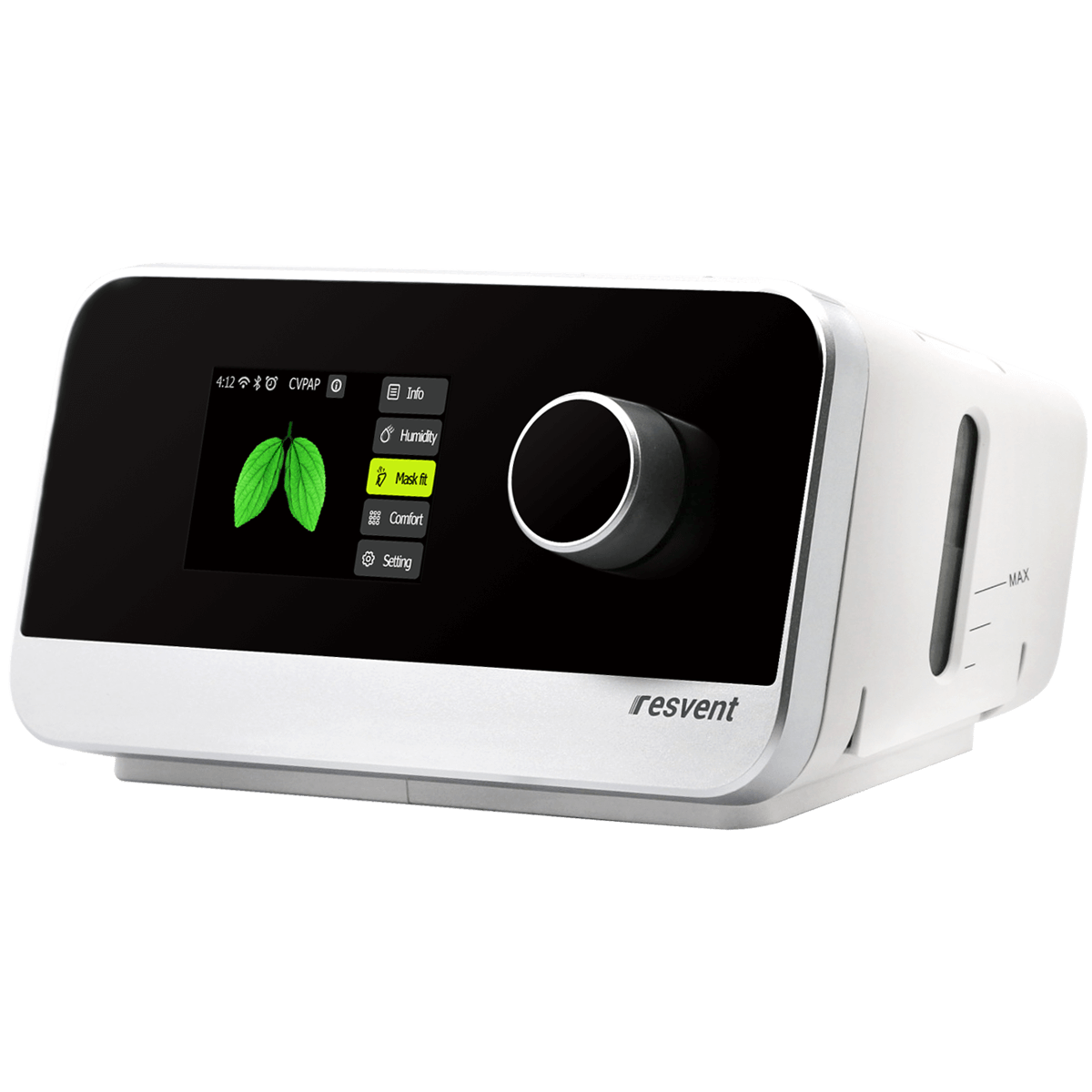
The Auto-CPAP / APAP Machine is best for new users seeking nightly comfort and the ability to let the device automatically adjust pressure as you sleep. Its data tracking features and quiet operation support long-term adherence, while app connectivity helps you and your provider spot trends and make informed adjustments. One limitation is that setup and mask fitting may require some trial and error, but the flexible ramp and pressure settings help ease the transition. Ideal for anyone who values adaptability—whether your sleep position or needs change through the night.
Oxygen Monitor for Small Fingers

The Oxygen Monitor for Small Fingers is a solid choice if you want a simple, wearable way to track your blood oxygen overnight. Its compact design makes it comfortable for smaller hands, and the app delivers clear trend reports that are easy to share or review. While you’ll need to set up the app initially, it quickly becomes a helpful tool for anyone monitoring therapy effectiveness or exploring additional sleep concerns alongside CPAP. Best for users who want peace of mind or are managing multiple sleep or respiratory factors.
Conclusion
Finding the right CPAP machine doesn’t have to be complicated. Prioritize comfort, data access, and support—these will make the biggest difference in your therapy success. The Auto-CPAP / APAP Machine offers a well-rounded experience for most beginners, while the Oxygen Monitor for Small Fingers is a smart add-on for those who want deeper overnight insights. If you’re still unsure, start with a device that’s easy to adjust and provides clear, actionable feedback—then build from there as your needs evolve.
Related reading
Sources and verification
Last checked: February 10, 2026
-
Oxygen Monitor for Small Fingers | Wearable Pulse Oximeter | Wellue
*This device is for General Wellness & Sports & Aviation use only and not intended for medical use. *This device is for General Wellness & Sports & Aviation use only and not intended for medical use. This ring is designed to provide a better, more secure fit for smaller finger sizes.
-
Laser Therapy Tripod Stand for Wellue Pain Relief Device – Adjustable and Stable
Take your pain relief to the next level with this adjustable tripod stand, specially designed for the Wellue Laser Pain Relief Device with TENS. Ideal for hands-free use during longer therapy sessions, this tripod allows for stable and precise positioning—no need to hold the device by hand. ✔ Three-legged base for extra stability✔ Adjustable height and tilt for targeting different body areas✔ Perfect for back, knees, shoulders, and more✔ Lightweight, foldable, and easy to set up—great for home or clinic use Whether you’re managing chronic pain or recovering from injury, this hands-free laser therapy tripod ensures your device stays in place exactly where you need it.
-
Auto CPAP/APAP Machine with Mask. It Can Effectively Prevent Sleep Apnea and Snoring. Resvent iBreeze CPAP. – Wellue
Please choose a nasal mask to purchase with the machine Limited-Time Deal | Save 10% at Checkout | Code: APAP10 Rx required! Please email your prescription to support@getwellue.com
-
Medical Devices | FDA
The .gov means it’s official.Federal government websites often end in .gov or .mil. Before sharing sensitive information, make sure you're on a federal government site. The site is secure. The https:// ensures that you are connecting to the official website and that any information you provide is encrypted and transmitted securely. Helping innovators, providers, and patients reimagine the home as an integral part of the health care system.
-
High Blood Pressure - What Is High Blood Pressure? | NHLBI, NIH
An official website of the United States government Official websites use .gov A .gov website belongs to an official government organization in the United States. Secure .gov websites use HTTPS A lock ( A locked padlock ) or https:// means you’ve safely connected to the .gov website. Share sensitive information only on official, secure websites.
-
High blood pressure (hypertension) - Symptoms & causes - Mayo Clinic
High blood pressure is a common condition that affects the body's arteries. It's also called hypertension. If you have high blood pressure, the force of the blood pushing against the artery walls is consistently too high. The heart has to work harder to pump blood. Blood pressure is measured in millimeters of mercury (mm Hg). In general, hypertension is a blood pressure reading of 130/80 mm Hg or higher. The American College of Cardiology and the American Heart Association divide blood pressure into four general categories. Ideal blood pressure is categorized as normal.