
CPAP therapy is a proven way to improve sleep quality and manage sleep apnea, but navigating your first purchase can be daunting. The market is packed with options, each with technical features that aren’t always beginner-friendly. If you’re new to CPAP—and especially if you’re comparing CPAP vs APAP machine options—this guide will help you confidently zero in on what matters most for comfort, success, and value.
Key Takeaways for First-Time CPAP Buyers
- Auto-adjusting (APAP) machines often make acclimation easier for beginners.
- Look for intuitive controls, quiet operation, and ramp features for a smoother start.
- Premium models provide more convenience and monitoring, but solid entry-level choices exist.
- Understanding device reports and maintenance is crucial for long-term results.
- Always obtain a prescription and consult your provider before purchase.
Understanding CPAP Therapy: Why It Matters for Beginners
What Is CPAP? Basic Concepts for New Users
CPAP (Continuous Positive Airway Pressure) delivers a steady stream of air to keep your airway open while you sleep. It’s commonly prescribed for obstructive sleep apnea, a condition where breathing stops and starts during sleep. For beginners, the biggest hurdle is often getting used to the sensation of airflow and mask fit.
How CPAP Machines Support Sleep Apnea and Improve Sleep
By preventing airway collapse, CPAP machines reduce snoring and improve oxygen levels. That translates to more restful sleep and better daytime alertness—when the device is used consistently and set up properly.
CPAP vs APAP: Essential Differences and Which Suits Beginners
Traditional CPAP machines deliver a fixed pressure all night. APAP (auto-adjusting CPAP) machines, like the iBreeze line, automatically adjust pressure based on your needs in real time. For most beginners, APAP is easier to tolerate and less likely to cause discomfort, making it the best CPAP machine for beginners who want a gentle introduction to therapy.
Who This Is For
This guide is for adults who are new to sleep therapy, want to understand the practical differences between device types, and value straightforward advice for a confident first purchase—whether you’re a side sleeper, budget-conscious, or looking for advanced monitoring.
Decision Criteria: What to Look for in the Best CPAP Machine for Beginners
Ease of Setup and Intuitive Controls
Look for machines with clear displays, simple menus, and a guided setup. This minimizes frustration and helps you get started without repeated calls to support.
Pressure Adjustment: Fixed CPAP vs Auto-Adjusting APAP
For most new users, APAP is preferable. It adapts to your nightly needs, so you don’t have to worry about manually finding the perfect setting. This is especially helpful if your pressure needs fluctuate or you're a side sleeper.
Quiet Operation and Comfort Features
A quiet motor is essential if you share a bedroom or value undisturbed sleep. Look for models with sound-reduction technology and comfort settings like humidification or exhalation relief.
Ramp Settings and Flexible Pressure for New Users
Ramp settings start therapy at a lower pressure and gradually increase to the prescribed level. This feature is invaluable for beginners adjusting to the feel of CPAP therapy.
Cost vs Value: Cheap vs Premium CPAP Machine Differences
While cost matters, value is about reliability, support, features, and data access. Cheap models may lack comfort features or robust therapy tracking. Premium devices often include app connectivity, advanced data, and better build quality—worth considering if you expect to use the device long-term.
Mask Compatibility and Choosing for Side Sleepers
If you’re a cpap machine side sleeper, prioritize machines compatible with low-profile nasal masks. A good mask fit is as critical as the device itself for therapy success.
Top CPAP Machines for Beginners: Shortlist for 2026
Best Overall: Auto-CPAP / APAP Machine
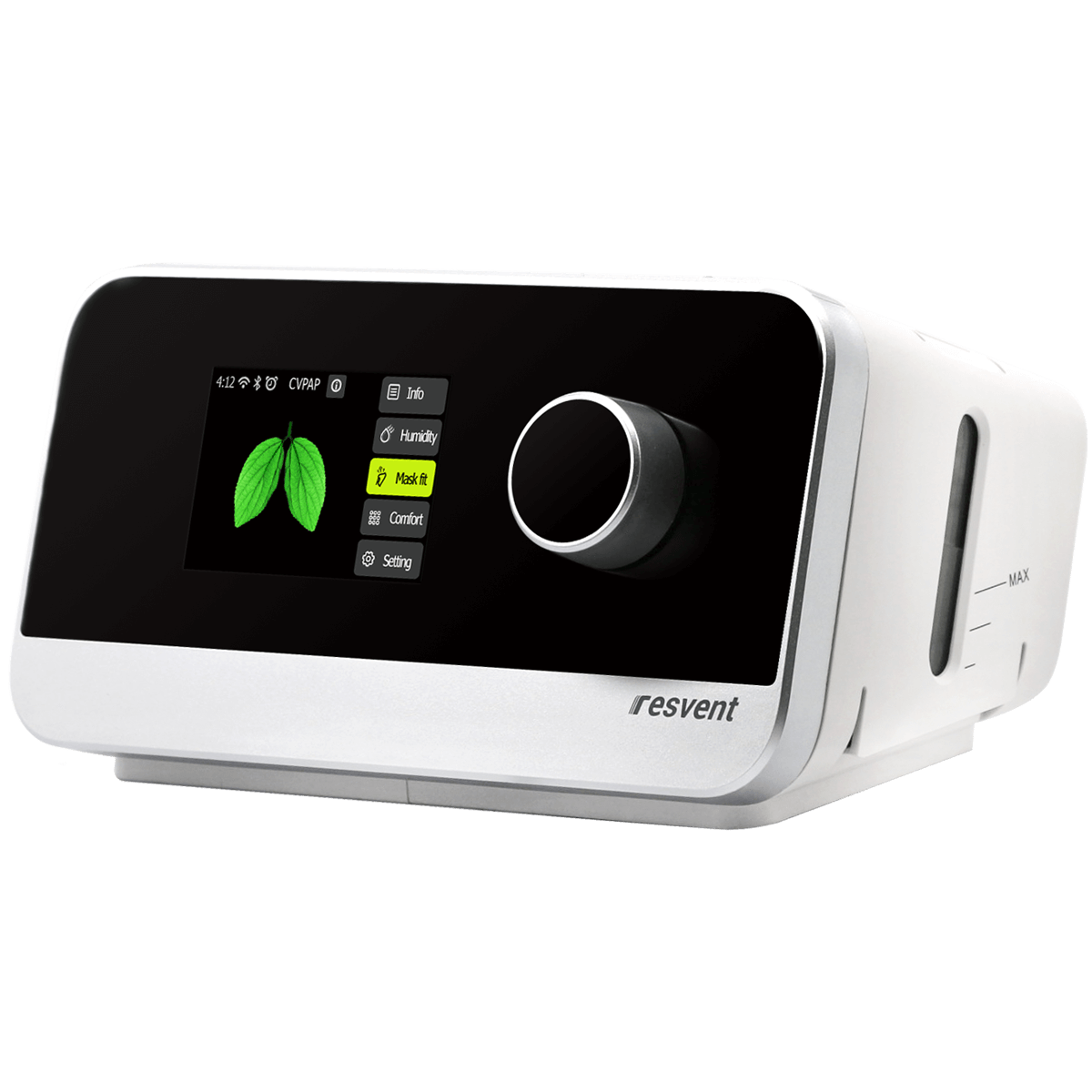 For most beginners, the auto-adjusting APAP is the safest, most adaptable bet. The iBreeze Auto-CPAP/APAP Machine supports nightly therapy with adaptive pressure, making it ideal if you’re not sure what settings you’ll need or if you’re a side sleeper. Quiet operation, therapy tracking, and simple controls mean you can focus on sleep, not troubleshooting. One limitation is that you’ll need some initial setup guidance, but the learning curve is manageable. If you want a reliable, user-friendly device that grows with your comfort level, this is an excellent place to start.
Best Value: Auto-CPAP / APAP Machine Unit
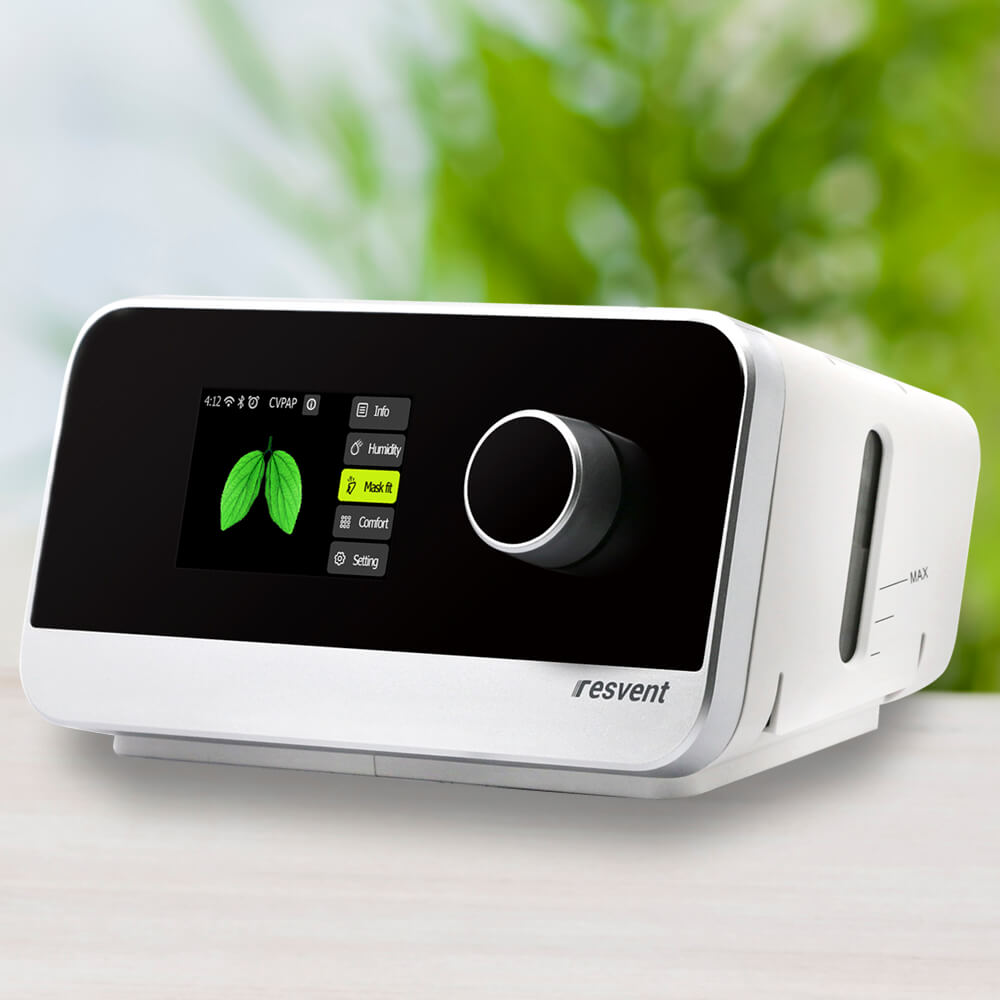 This model brings all the core features—auto-adjusting pressure, quiet sleep, and data tracking—at a typically lower price point. It’s best for those weighing cpap machine cost vs value, offering the same therapy fundamentals as pricier units. While it may lack some advanced integrations, it’s perfectly sufficient for most new users. You’ll get reliable performance without overpaying for features you might not use right away. If you’re looking for a starter device that covers all the basics, this is a strong contender.
Best with Integrated Monitoring: Auto-CPAP / APAP Machine + O2Ring
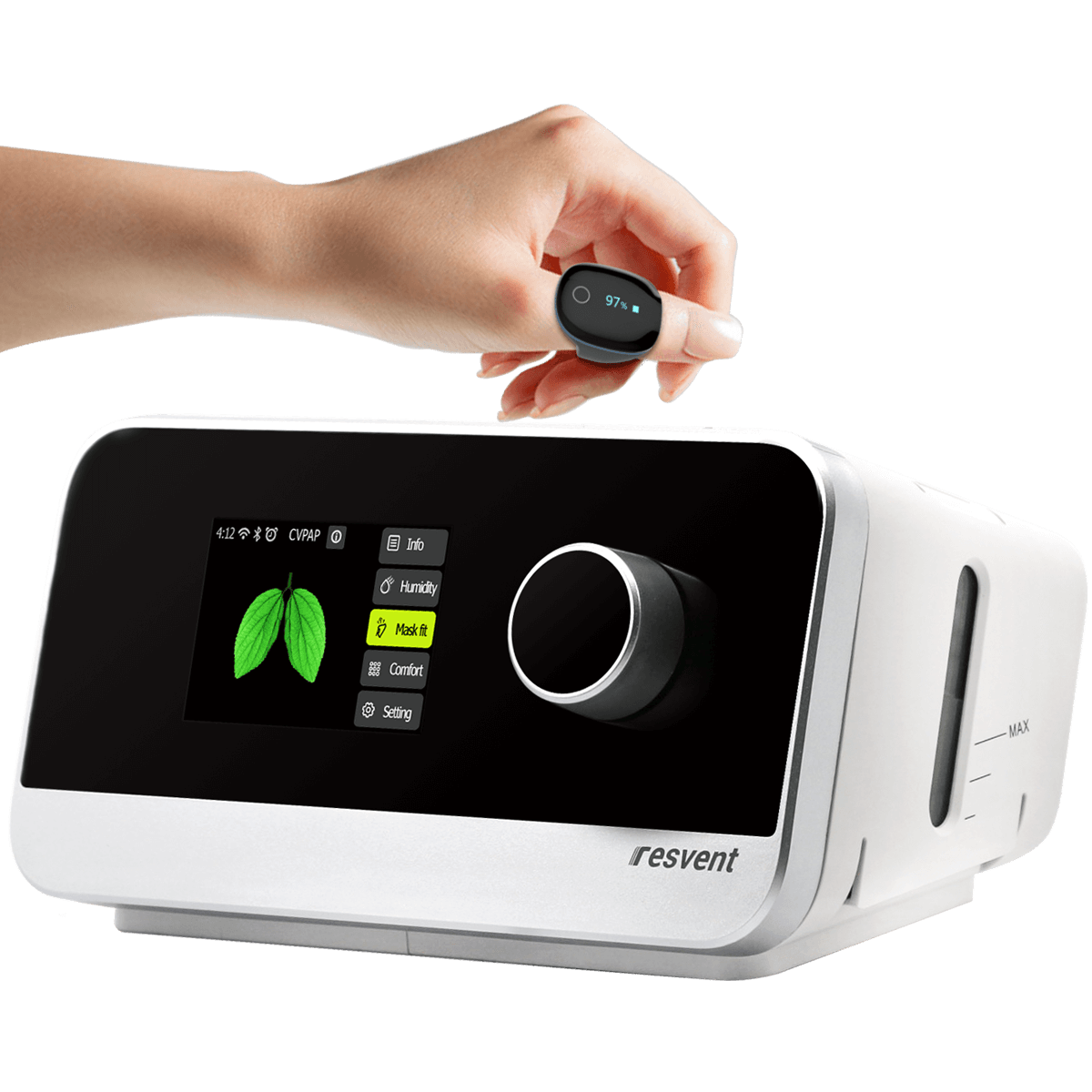 For those who want deeper insights, this package adds the O2Ring Oxygen Monitor to the core APAP device. The O2Ring tracks overnight oxygen and pairs with the device, letting you monitor therapy effectiveness in real time. It’s best for users interested in integrating sleep therapy with broader home health monitoring. The main consideration is a slightly higher upfront cost and a bit more setup, but many new users value the peace of mind from knowing their oxygen levels are always in check. If you’re keen to track and optimize therapy from day one, this bundle stands out.
Best for Side Sleepers: What Features to Prioritize
If you’re a side sleeper, focus on a machine with flexible pressure support (APAP preferred) and ensure nasal mask compatibility. The iBreeze APAP series, which supports a variety of nasal masks, is a strong match. The right mask fit—often a low-profile or minimal-contact nasal style—prevents leaks and maintains comfort through movement.
If you’re unsure: Start with an auto-adjusting APAP for the easiest adaptation, and prioritize quiet operation and ramp features. Consider value and core features over add-ons, unless you specifically want advanced monitoring or smart home integration.
Comparison Table: CPAP vs APAP Machines for Beginners
| Criteria | Fixed CPAP | Auto-CPAP/APAP (iBreeze Example) |
|---|---|---|
| Setup Ease | Simple, but may require manual pressure titration | Very easy; adapts as you sleep |
| Pressure Adjustment | Fixed (requires prescription changes for adjustment) | Auto-adjusts breath-by-breath for comfort |
| Best for Side Sleepers | May cause leaks if pressure not optimal | Adapts to position changes, reduces leaks |
| Noise Level | Generally low | Modern models are whisper-quiet |
| Therapy Data Access | Basic (some models limited) | Detailed, with app connectivity |
| Cost vs Value | Lower upfront, fewer features | Higher value for beginners; more features for the price |
| Who Should Choose | Users with stable, known pressure needs | Most beginners, side sleepers, those wanting easy adaptation |
How to Read Your CPAP Device Reports as a Beginner
Understanding Compliance, Usage, and Therapy Effectiveness
Your device will track nightly usage, mask fit, and event data. Most manufacturers provide easy-to-read summaries showing hours used, leak rates, and apnea events. Regularly reviewing these reports helps ensure your therapy is effective—especially important if you’re just starting out.
Integrating CPAP Data with Home Health Monitoring Devices
Some machines, like those paired with the O2Ring, allow you to combine oxygen and sleep data for a holistic view. This is helpful if you’re also managing other conditions at home—such as blood pressure—and want to see trends over time.
Maintaining Your CPAP Machine: Cleaning, Filters, and Simple Care
Easy Cleaning Routines for Longevity
Wipe down your mask daily and wash the humidifier chamber and tubing weekly. Regular cleaning prevents buildup and extends device life.
When to Replace Parts and Filters
Most filters need replacement every 1–3 months. Masks and hoses may last longer but should be swapped if they show wear or persistent leaks.
Basic Troubleshooting for New Users
If you notice increased noise, leaks, or discomfort, check for loose connections or worn parts. Most issues are easily resolved with a quick inspection and cleaning.
Making Your First Purchase: What to Expect and Tips for Success
Prescription Requirements and Where to Buy
CPAP and APAP machines are regulated medical devices. U.S. law requires a prescription for purchase—always check this before ordering. Trust reputable retailers for support, warranty, and genuine supplies.
Setting Realistic Expectations for CPAP Therapy
Adjustment takes time. Expect a brief period of adaptation as you find the right mask, fine-tune settings, and develop a nightly routine. Consistency is key to seeing the benefits.
Conclusion: Choosing the Best CPAP Machine for a Confident Start
For most beginners, an auto-adjusting APAP—like the iBreeze Auto-CPAP/APAP Machine—offers the smoothest transition into sleep therapy, with practical features and adaptability for side sleepers and those wanting future-proof value. If you’re budget-minded, the base APAP unit covers all the essentials. For those seeking deeper monitoring, the O2Ring bundle adds peace of mind. Whichever you choose, focus on comfort, simplicity, and support—and remember, the right start can make all the difference for lasting therapy success.
Related reading
Sources and verification
Last checked: February 10, 2026
-
Auto CPAP/APAP Machine with Mask. It Can Effectively Prevent Sleep Apnea and Snoring. Resvent iBreeze CPAP. – Wellue
Please choose a nasal mask to purchase with the machine Limited-Time Deal | Save 10% at Checkout | Code: APAP10 Rx required! Please email your prescription to support@getwellue.com
-
Auto CPAP/APAP Machine with O2Ring Oxygen Monitor for better CPAP treatment.. – Wellue
Please select a nasal mask to buy together with the machine and O2Ring Rx required! Please email your CPAP Rx to us at support@getwellue.com Please select a nasal mask to buy together with the machine and O2Ring
-
Auto-CPAP / APAP Machine to treat sleep apnea. In stock for fast delivery. – Wellue
Please choose a nasal mask to purchase with the machine Limited-Time Deal | Save 10% at Checkout | Code: APAP10 Rx required! Please email your prescription to support@getwellue.com
-
Medical Devices | FDA
The .gov means it’s official.Federal government websites often end in .gov or .mil. Before sharing sensitive information, make sure you're on a federal government site. The site is secure. The https:// ensures that you are connecting to the official website and that any information you provide is encrypted and transmitted securely. Helping innovators, providers, and patients reimagine the home as an integral part of the health care system.
-
High Blood Pressure - What Is High Blood Pressure? | NHLBI, NIH
An official website of the United States government Official websites use .gov A .gov website belongs to an official government organization in the United States. Secure .gov websites use HTTPS A lock ( A locked padlock ) or https:// means you’ve safely connected to the .gov website. Share sensitive information only on official, secure websites.
-
High blood pressure (hypertension) - Symptoms & causes - Mayo Clinic
High blood pressure is a common condition that affects the body's arteries. It's also called hypertension. If you have high blood pressure, the force of the blood pushing against the artery walls is consistently too high. The heart has to work harder to pump blood. Blood pressure is measured in millimeters of mercury (mm Hg). In general, hypertension is a blood pressure reading of 130/80 mm Hg or higher. The American College of Cardiology and the American Heart Association divide blood pressure into four general categories. Ideal blood pressure is categorized as normal.