Quick take
We break down who this device is best for, what it measures, and how it compares in the market.
For many older adults, high blood pressure isn’t just a number—it’s a daily concern. As we age, the risks associated with hypertension climb, but so do the benefits of catching changes early. Home blood pressure monitoring empowers seniors and their families to keep a close eye on health between clinic visits, spot trends, and work closely with healthcare providers. But not every device is designed with older users in mind. Here’s how to choose the best blood pressure monitor for elderly relatives in 2026—without confusion or overwhelm.
Key Takeaways
- Home blood pressure monitoring is essential for elderly adults to spot concerns early and support doctor-patient communication.
- Look for devices with large screens, simple controls, and proven accuracy.
- Proper setup, regular maintenance, and understanding your device reports ensure reliable results.
- Bluetooth and app features make it easier to track trends and share data with healthcare teams.
Who This Is For
If you’re supporting a parent, grandparent, or an older loved one with blood pressure monitoring at home—or you’re a senior wanting to manage your own health—this guide is for you. It’s also useful if you’re looking for a device that’s easy to use, with clear results you can trust and share with your doctor.
Understanding Blood Pressure Monitoring for Seniors
Why Regular Home Blood Pressure Checks Matter After Age 65
According to the National Institutes of Health, high blood pressure is common and often more severe in seniors. Regular home checks help spot early changes, reduce "white coat" effects, and provide a more accurate picture for your doctor (see NHLBI).
What Makes Blood Pressure Monitoring Different for Elderly Users?
Elderly users may have slower reaction times, vision or hearing changes, arthritis, or memory concerns. This makes ease of use, clear displays, and comfortable cuffs more important than ever.
How Often Should Seniors Check Their Blood Pressure at Home?
The frequency depends on your doctor’s advice, but many recommend checking at least several times per week, or daily if you're adjusting medication or have known hypertension. Always consult your healthcare provider for personalized guidance (Mayo Clinic).
Essential Features to Look for in a Blood Pressure Monitor for Elderly
Accuracy and Reliability: What the FDA and Medical Experts Recommend
FDA-cleared devices are tested for accuracy. Look for clinical validation and consistent readings. Upper-arm monitors are generally preferred for reliability in older adults (FDA).
Ease of Use: Large Display, Simple Controls, and Voice Prompts
A large, backlit screen and intuitive buttons reduce frustration. Some devices offer voice guidance—a plus for those with vision challenges.
Comfort and Fit: Choosing the Right Cuff Size for Seniors
Upper-arm cuffs should fit snugly but comfortably. Adjustable, soft cuffs are best. A poor fit can lead to inaccurate readings, especially in elderly users whose arms may be thinner.
Memory, Data Tracking, and Sharing with Healthcare Providers
Memory storage is key if you want to track trends or share data. Look for devices that store at least 50–100 readings, with date and time stamps.
Bluetooth, App Integration, and Wireless Data Management
Bluetooth-enabled monitors can sync readings to a smartphone app, making it easy to view trends and export reports for your healthcare team.
Types of Blood Pressure Monitors: Pros and Cons for Seniors
| Type | Ease of Use | Accuracy | Best For | Limitation |
|---|---|---|---|---|
| Upper Arm Automatic | Very easy (one button) | High | Most seniors, those with mobility/vision issues | Requires sleeve removal, correct cuff placement |
| Wrist Monitors | Easy, portable | Varies (posture sensitive) | Travel, occasional checks | Less reliable for elderly, especially with vascular changes |
| Manual Cuff + Stethoscope | Difficult (requires skill) | Clinical setting | Rarely recommended for home, especially for elderly | Hard to position, not practical for self-use |
How to Set Up and Use Your Home Blood Pressure Monitor
Step-by-Step Setup Guide for Popular Devices in 2026
- Charge the device or insert batteries as required.
- Wrap the cuff around the bare, upper arm—about an inch above the elbow—aligning the tube with the inside of the arm.
- Sit quietly, feet flat on the floor, back supported, and arm resting at heart level.
- Press the start button; relax and avoid talking or moving.
- Wait for the reading to complete; note the numbers or check the app for automatic logging.
Tips for Accurate Home Readings
- Measure at the same time each day, before eating or taking medication if possible.
- Rest quietly for five minutes before taking a reading.
- Avoid caffeine, exercise, or smoking 30 minutes prior.
Troubleshooting Common Issues
If you see error codes or irregular heartbeat alerts, check cuff placement and posture first. Replace batteries if the screen dims. Recalibrate or contact support if readings seem inconsistent over time.
Reading and Understanding Your Device Reports
What Do Your Blood Pressure Numbers Mean?
Normal readings are usually below 120/80 mm Hg. For most elderly people, your doctor may set a target range based on your health needs. Keep in mind that one high or low reading is less important than a trend over time.
Tracking Trends and When to Contact Your Doctor
Look for patterns—a week of consistently high readings or sudden changes should prompt a call to your provider. Many devices can graph trends, making this easier.
How to Export or Share Your Readings
App-connected monitors often let you export PDF or CSV reports. Share these via email or during telehealth visits to keep your care team informed.
Maintaining and Cleaning Your Blood Pressure Monitor
Routine Maintenance for Device Longevity
Store your monitor in a dry, cool place. Replace batteries or charge regularly. Check the cuff and tubing for cracks or wear.
Cleaning the Cuff and Monitor Safely
Wipe the cuff with a damp cloth and mild soap; never submerge. Clean the monitor body with a soft, dry cloth. Avoid harsh cleaners.
Recommended Blood Pressure Monitors for Elderly in 2026
Wellue AirBP Plus: Wireless and App-Supported Option
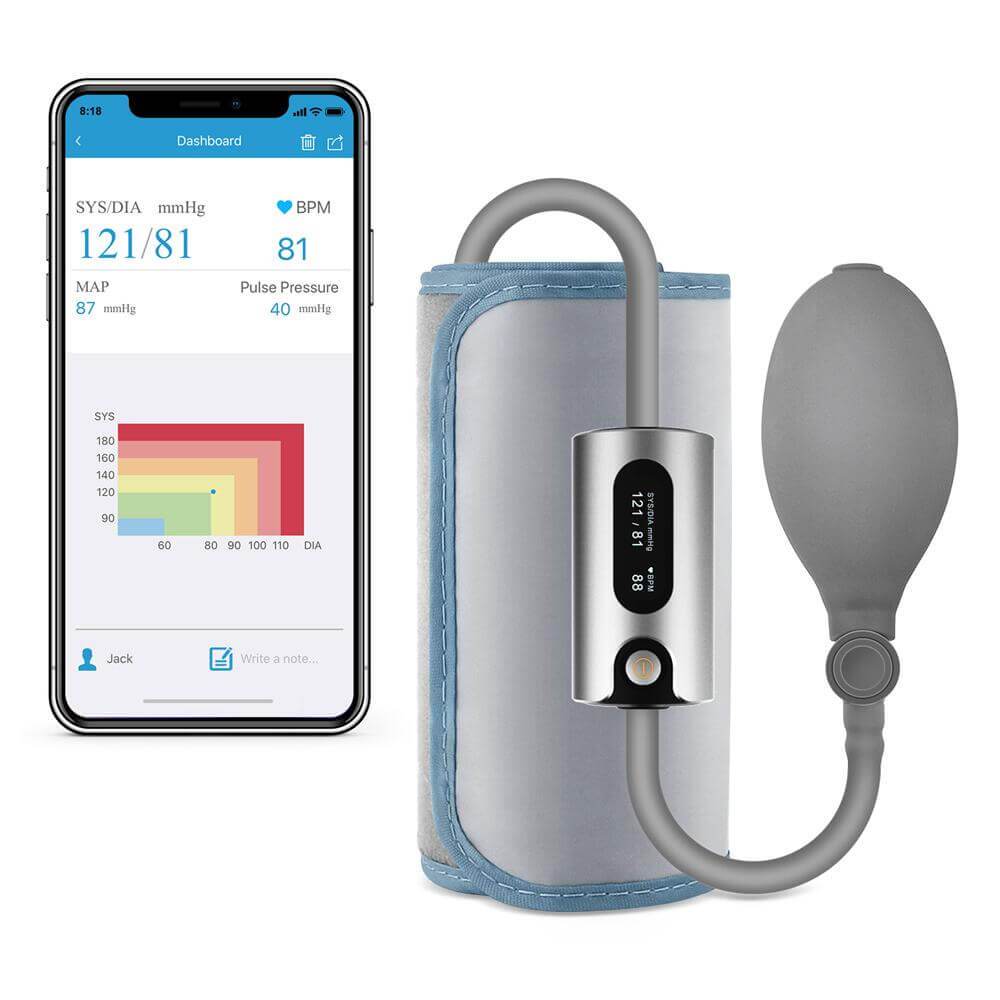
The AirBP Plus Blood Pressure Monitor stands out for seniors who value simplicity and clear results. Its large screen and single-button operation are ideal for those with arthritis or limited vision. The device syncs readings to a user-friendly app, which makes sharing results with family or healthcare providers straightforward. One limitation: proper cuff placement is crucial, so initial setup may require help. For daily or weekly BP tracking, especially when trends matter more than single readings, this is a dependable choice.
Wellue Bluetooth Upper Arm Monitor: Fully Automatic and User-Friendly
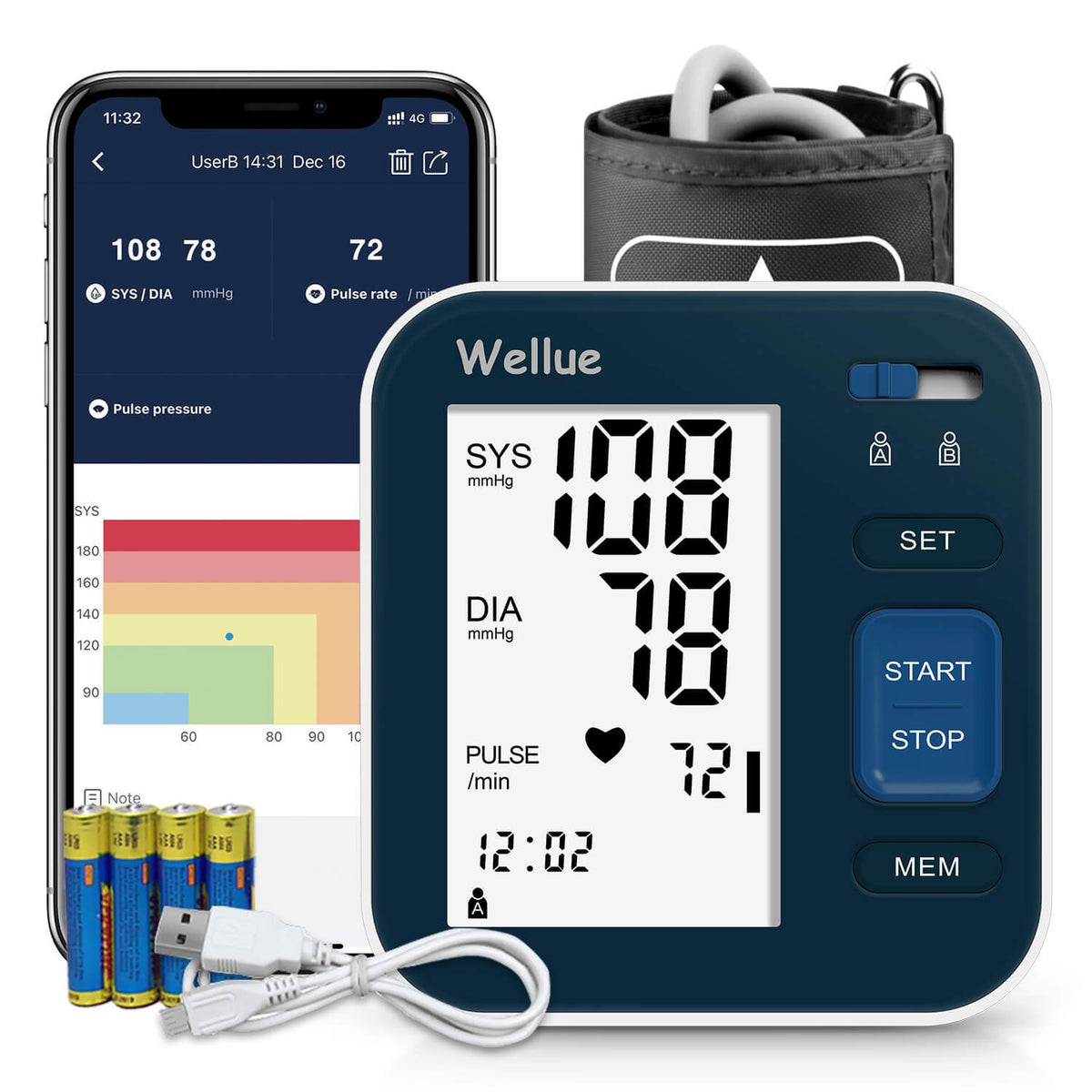 The Wellue Bluetooth Upper Arm Monitor offers full automation—just wrap, press, and wait. The large, backlit display is easy to read, and the automatic inflation is gentle, which is important for sensitive skin or frail users. Bluetooth syncing supports digital record-keeping and trend analysis. As with any arm monitor, correct cuff sizing remains important for accuracy. This model is especially well-suited to seniors managing blood pressure as part of a broader wellness plan, including those coordinating care with multiple providers.
Smart Blood Pressure Monitor
For tech-savvy seniors or family members who want a more compact monitor without sacrificing reliability, the Smart Blood Pressure Monitor is a strong contender. It offers clear, digital readings and connects to a smartphone app for trend tracking and storage. The device is lightweight and portable. Like other models, ensuring a proper fit and calm environment during use is essential for best results. It’s a good fit for seniors who travel or want a discreet device for routine monitoring.
If You’re Unsure: Simple Decision Cues
If vision, dexterity, or memory is a challenge, prioritize large screens and one-button designs. If you need to share results with a doctor or care team, app syncing is a must. For those who want the most hands-off experience, choose an upper-arm automatic monitor—these are generally considered the gold standard for home use in the elderly.
When to Seek Medical Advice Based on Home Readings
Recognizing Concerning Patterns and Symptoms
Persistent readings above 130/80 mm Hg, sudden spikes, or symptoms like chest pain, severe headache, or dizziness are always reasons to contact your healthcare provider promptly.
Coordinating with Your Care Team: Telehealth and Remote Monitoring
Many seniors now use remote visits to share home readings. Accurate, app-supported monitors make this process smoother and more reliable, strengthening the connection between home and clinical care.
Related Guides and Further Reading
- Overnight Oxygen Monitoring: Why It Matters for Seniors
- Home ECG & Rhythm Monitoring: A Beginner’s Guide
Final Recommendation
For most elderly users, the Wellue AirBP Plus provides an optimal mix of accuracy, ease of use, and digital connectivity. It’s an excellent starting point for families who want reliable home monitoring without a steep learning curve. As an alternative, the Bluetooth Upper Arm Monitor offers full automation and robust data syncing, making it a solid second pick for those prioritizing record-keeping or telehealth integration.