Quick take
We break down who this device is best for, what it measures, and how it compares in the market.
Key Takeaways
- Bluetooth upper arm blood pressure monitors offer reliable, clinical-grade readings from home.
- App connectivity makes it easy to track trends and share reports with healthcare providers.
- Correct cuff placement and regular cleaning are essential for long-term accuracy.
- Best suited for adults managing hypertension or those under chronic cardiac care.
Introduction: Why Home Blood Pressure Monitoring Matters
Hypertension continues to impact millions—nearly half of adults in the US alone, according to the CDC. Yet, fewer than 1 in 5 people with high blood pressure have it under control. Home monitoring empowers individuals to catch trends early and provides tangible data for discussions with doctors. With the shift toward connected health, Bluetooth-enabled monitors are rapidly becoming the norm for at-home blood pressure tracking.
The Growing Prevalence of Hypertension
With over 1.13 billion people worldwide living with hypertension, monitoring at home is more than a convenience—it's a practical necessity for many. Regular checks at home support better awareness and can help reduce complications associated with uncontrolled blood pressure.
Benefits of Regular At-Home Monitoring
Tracking your blood pressure outside the clinic gives a clearer picture of your averages and fluctuations. This helps you and your provider make informed decisions, especially if your readings tend to run high at the doctor's office (white coat effect) or vary throughout the day.
Overview of Bluetooth Upper Arm Blood Pressure Monitors
How Bluetooth BP Monitors Work
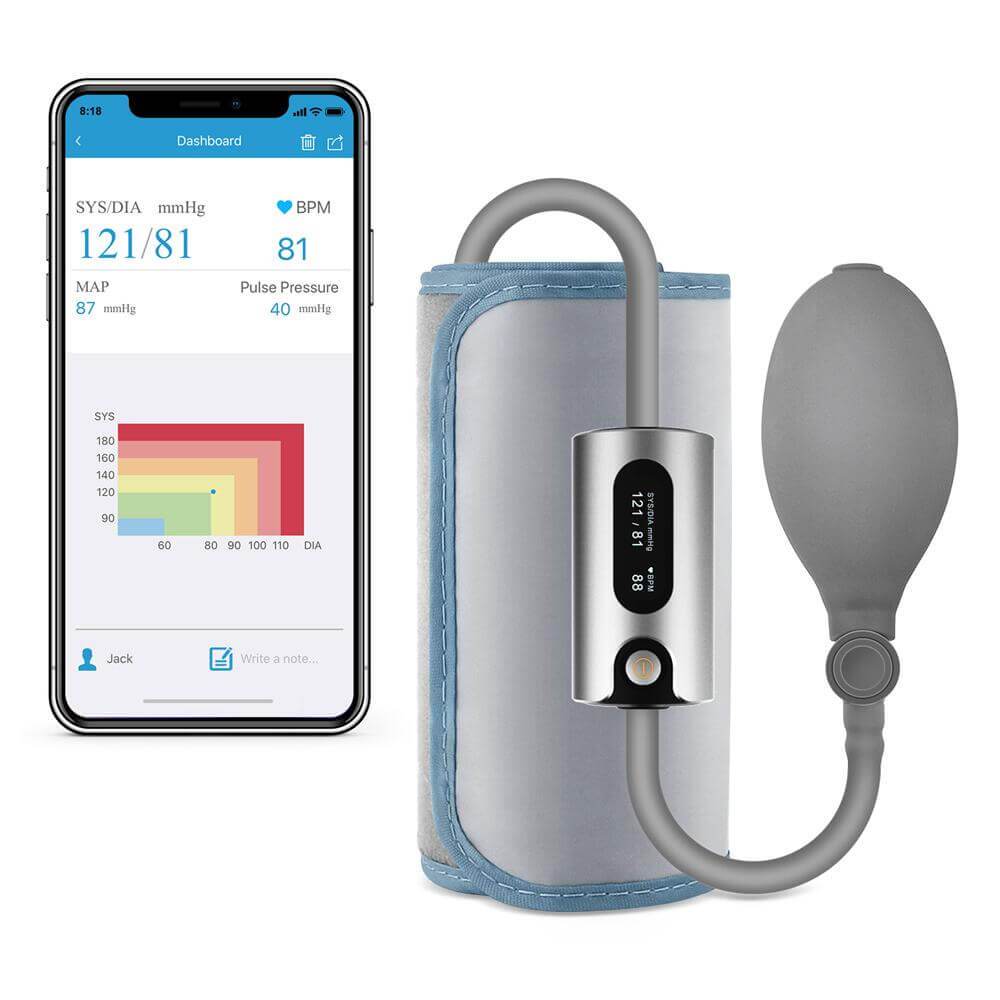
Modern Bluetooth upper arm BP monitors use oscillometric technology to measure systolic, diastolic, and pulse rate. The device automatically inflates the cuff, takes a reading, and sends the results wirelessly to a companion app on your phone or tablet.
Essential Features for Home Users
- Automated inflation and deflation for consistent results
- Wide-range, adjustable cuffs (usually 22–42cm) for different arm sizes
- On-device memory plus app syncing for trend review
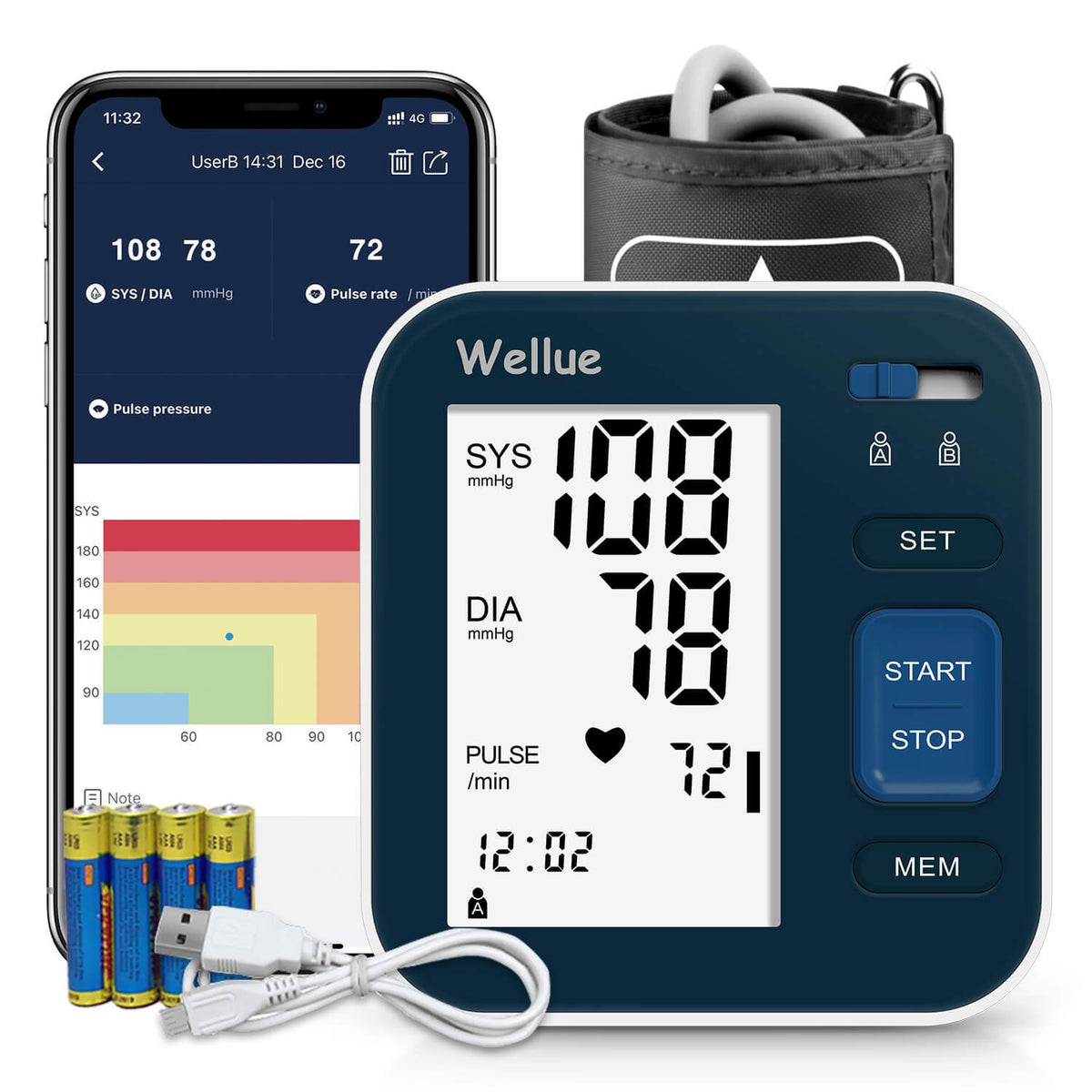
- Clear OLED or LCD displays for easy at-a-glance readings
Who Should Consider This Device?
If you're managing high blood pressure, have cardiovascular risk factors, or want to share accurate records with your doctor, a Bluetooth BP monitor offers a practical upgrade over manual or wrist-based models.
Hands-On: Setting Up and Using a Bluetooth Upper Arm BP Monitor
Unboxing and First Impressions
Devices like the Wellue Bluetooth Upper Arm Blood Pressure Monitor arrive ready to use, often with batteries pre-installed and a soft, wide-strap cuff. The hardware feels sturdy yet lightweight enough for travel or bedside storage.
Cuff Placement and Fit: Ensuring Accuracy
Proper cuff placement is non-negotiable. The adjustable pre-formed cuff wraps snugly around the upper arm—too loose or too tight will skew results. Most monitors guide you visually and audibly to ensure optimal fit before taking a measurement.
Pairing with Smartphone Apps
Pairing is straightforward: enable Bluetooth on your device, open the companion app, and follow on-screen prompts. Wellue's app, for instance, syncs seamlessly and stores up to 100 readings on the device, with unlimited history in the app itself.
Step-by-Step Measurement Process
- Sit comfortably with your arm supported at heart level.
- Wrap the cuff as instructed, ensuring skin contact.
- Press the start button—the cuff inflates and measures in about 30 seconds.
- Results display instantly on the screen and sync to your app for review.
Performance and Accuracy: Clinical-Grade Results at Home?
Evaluating Measurement Precision
In real-world use, upper arm monitors like Wellue's consistently deliver readings that match those from clinic-grade equipment, provided the cuff is fitted and used correctly. The 360° accuracy zone of the cuff helps maintain this precision.
Speed and Comfort During Use
Most Bluetooth BP monitors complete a reading within 30–40 seconds. The inflation process is generally quiet and gentle, minimizing discomfort—especially compared to older manual pumps.
Data Storage and Trends: Historical Readings at Your Fingertips
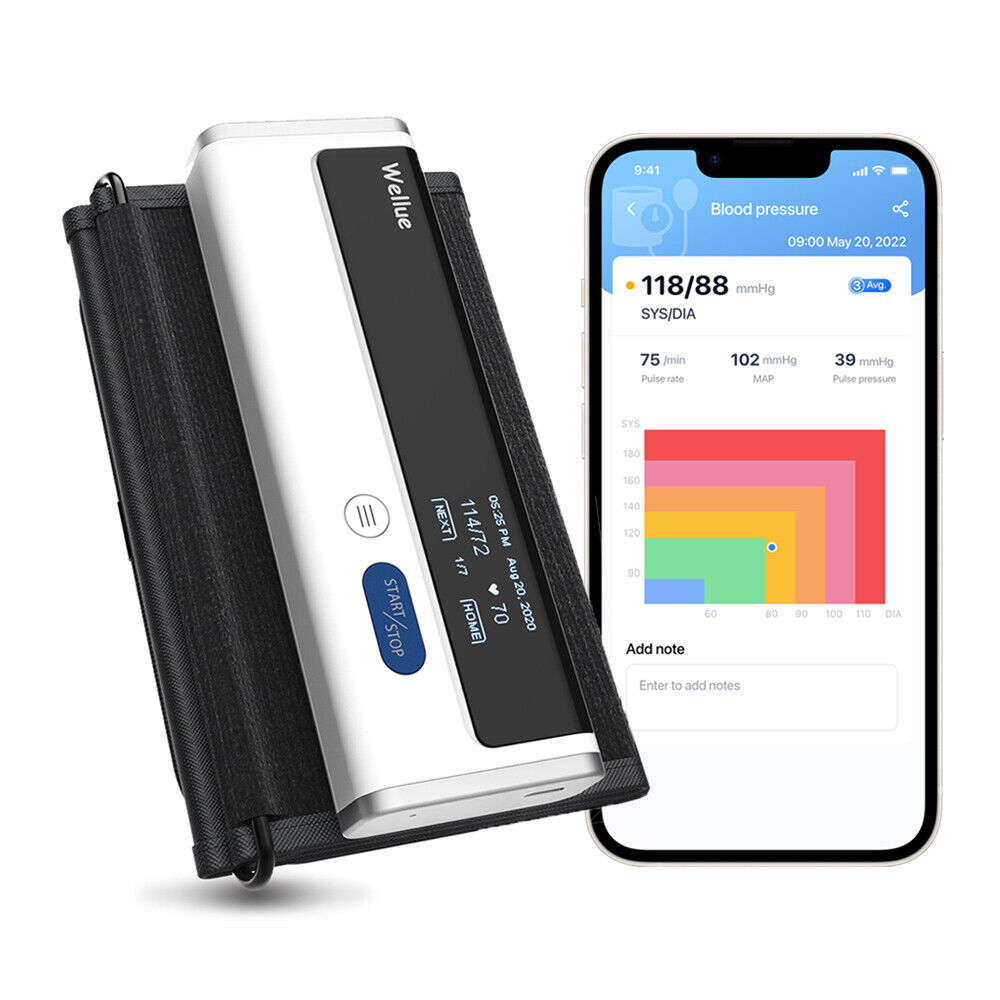
Having digital records lets you review patterns, spot potential hypertension, and bring detailed histories to your healthcare provider. The Wellue app, for example, makes it easy to compare morning versus evening readings over weeks or months.
Pros and Cons: Is a Bluetooth BP Monitor Right for You?
Bluetooth BP Monitor Pros and Cons
- Pros: Accurate, easy to use, automatic data syncing, supports trend analysis, comfortable cuff, reliable for most adults.
- Cons: Cuff fit and correct posture are vital—incorrect use can reduce accuracy. App setup may require basic smartphone skills. Not ideal for people with severe arm mobility issues.
Unique Advantages Over Wrist Monitors
Upper arm monitors are less sensitive to arm positioning and typically yield more consistent results than wrist models. They’re also preferred in clinical settings for their accuracy.
Potential Limitations for Certain Users
Those with very large or very small arms may need to double-check cuff sizing. People with arrhythmias should consult their physician, as some home monitors may not detect irregular heartbeats as reliably as specialized clinical devices.
User Experience: App Integration and Report Sharing
Reviewing Blood Pressure Trends in the App
The companion app makes it simple to spot trends and averages. Color-coded results and charts offer instant feedback on your progress or areas of concern.
Exporting and Sharing Results with Healthcare Providers
Most Bluetooth BP monitor apps, including Wellue’s, allow you to export reports as PDFs or CSV files. Sharing these with your doctor via email or during visits can streamline care and support medication adjustments.
Compatibility with Health Platforms
Integration with platforms like Apple Health and Google Fit broadens accessibility, allowing you to centralize your health data for a more holistic view.
Device Maintenance: Cleaning, Storage, and Battery Life
How to Clean and Maintain Your BP Monitor
Gently wipe the cuff and device with a damp cloth—never submerge. Store in a dry place to avoid mildew or battery corrosion. Regularly check the cuff for wear and replace it as needed for continued accuracy.
Battery Management and Replacement
Most units run on standard AA or AAA batteries, lasting several months with regular use. Some also offer USB charging. Always replace batteries promptly when the device indicates low power to avoid inaccurate readings.
Troubleshooting Common Issues
If readings seem inconsistent, check cuff fit, arm position, and battery life. Refer to the device manual or manufacturer’s site for additional troubleshooting tips.
Who Should Consider a Bluetooth Upper Arm BP Monitor?
Ideal Users: Older Adults, Chronic Condition Management
Bluetooth BP monitors are particularly helpful for older adults, those managing hypertension, or anyone needing to share regular BP logs with their care team. They’re also suitable for family settings where multiple users can track their own readings.
Scenarios Where Connected Devices Excel
If you travel frequently, need reminders, or value digital health tracking, a connected monitor streamlines your routine and decreases the risk of lost or forgotten records.
If You're Unsure
Choose a Bluetooth upper arm BP monitor if you want clinical-level readings at home, need to track trends over time, or plan to share data with your provider. If you struggle with technology or have unique arm sizing needs, consider contacting the manufacturer for guidance or opting for a simpler, non-connected model.
Verdict: Is This the Best Choice for Home Blood Pressure Monitoring?
Bluetooth Upper Arm Blood Pressure Monitor: A dependable pick for routine blood pressure tracking, best for adults who value accuracy, app integration, and effortless trend logging. One limitation: requires correct cuff placement and posture for optimal results. In real-world use, it’s ideal for anyone aiming to take charge of their cardiovascular health—whether managing hypertension or sharing regular updates with a physician.
Alternative to Consider: The Smart Blood Pressure Monitor offers similar features in a streamlined one-piece design, making it especially easy for those who want a more compact setup.
Frequently Asked Questions
- How accurate are Bluetooth upper arm blood pressure monitors compared to clinic measurements?
- When used correctly, upper arm Bluetooth monitors deliver readings comparable to professional clinic devices. Ensure proper cuff fit and positioning for best results.
- Can multiple users track their readings on the same device?
- Yes, many models and apps support profiles for multiple users, allowing families to track separate records on one monitor.
- What health apps are compatible with most Bluetooth BP monitors?
- Most major monitors sync with proprietary apps and can connect with Apple Health, Google Fit, and sometimes Samsung Health for centralized health tracking.
- How do I maintain and clean my blood pressure monitor for best results?
- Wipe the cuff and monitor with a damp cloth, store in a dry environment, and replace the cuff if worn. Regular battery checks also help ensure accuracy.
- Are Bluetooth BP monitors suitable for people with irregular heartbeats?
- Some models can detect irregular heartbeats, but consult your healthcare provider to determine if a specific device meets your needs for arrhythmia monitoring.