
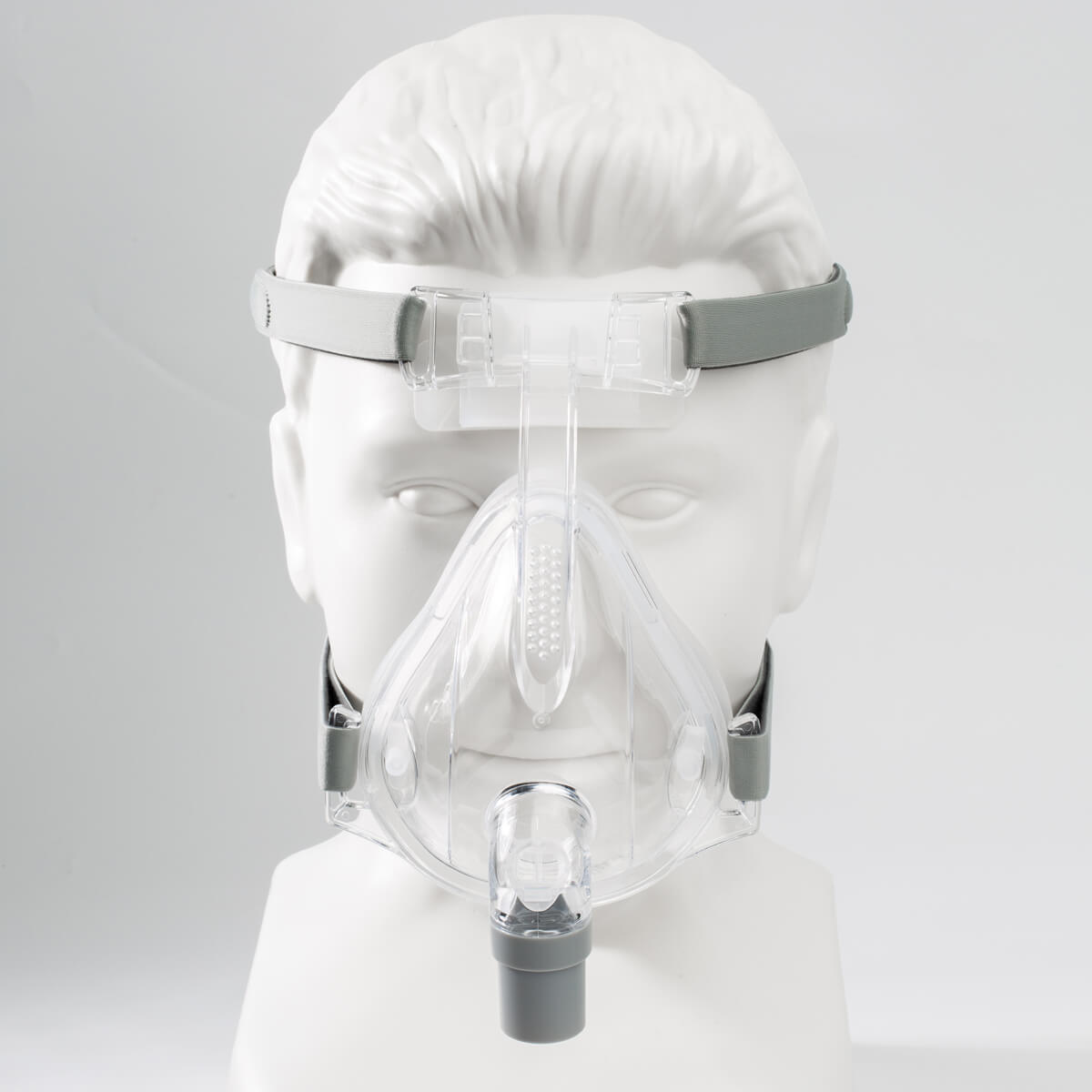
Quick answer: For most people with beards, a full face mask or nasal mask with a soft silicone cushion and adjustable headgear offers the best chance of a secure CPAP seal—without shaving. The Wellue iBreeze masks are leading options, combining comfort, easy cleaning, and broad compatibility. A careful fit-and-leak test routine is crucial for success with facial hair. Nasal pillows are generally less effective for thick beards, but nasal masks can work for trimmed or short beards. Always verify compatibility and return policy before purchase.
Who This Is For
- CPAP, APAP, or BiPAP users with beards, mustaches, or facial hair
- Anyone experiencing mask leaks due to facial hair
- Users seeking a solution that does not involve shaving
Who Should Consider Another Option
- Clean-shaven users or those with very short stubble (you may have more mask choices)
- People with unusual facial structures or significant skin sensitivities—professional fitting may be needed
- Anyone with ongoing leak issues despite best-fit attempts (consult a sleep specialist or respiratory therapist)
How We Evaluated: Criteria & Evidence
- Seal quality with facial hair: Based on manufacturer guidance and practical user reports, beard length and density influence mask seal. Full face and nasal masks with silicone cushions generally perform better than nasal pillows for bearded users.
- Comfort and fit adjustability: Masks with soft, conforming silicone and adjustable headgear are favored for comfort and minimizing leaks.
- Regulatory status: Only masks listed with the FDA or from established manufacturers are considered (see FDA resources for device listing/registration criteria).
- Maintenance and compatibility: Easy cleaning and broad machine compatibility are essential for practical home use.
Mask Types Compared: Full Face vs Nasal Mask for Beards
| Mask Type | Best For Beard Length | Seal Reliability | Comfort | Ease of Maintenance |
|---|---|---|---|---|
| Full Face Mask | Medium to long, full beards | High (covers larger area, more forgiving of leaks) | Good (soft silicone cushions) | Easy (components removable) |
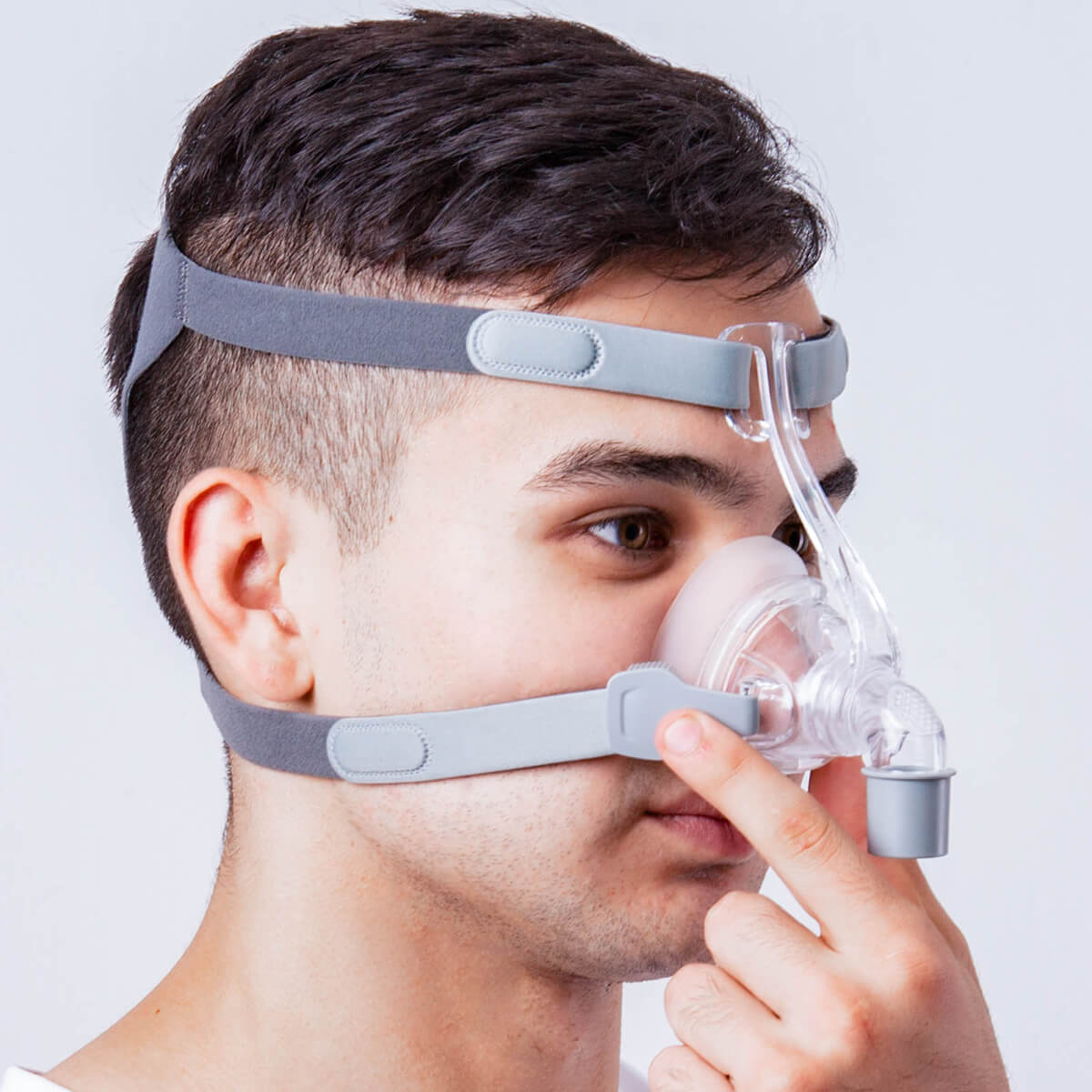
| Nasal Mask | Short or trimmed beards, mustache only | Moderate to high (less contact with beard, but may still leak if beard is thick at nose) | Excellent (minimal bulk, lightweight) | Easy (few parts, simple cleaning) |
Decision rule: Choose a full face mask if your beard is thick, long, or covers the mouth/chin; choose a nasal mask if your beard is short/trimmed and the area under your nose is clear.
Featured Products: Best CPAP Masks for Beards
| Product | Cushion Material | Fit Range | Compatibility | Key Pros | Limitations | Actions |
|---|---|---|---|---|---|---|
| Soft silicone | Adjustable, broad fit | Most CPAP/APAP/BiPAP machines | Secure seal, gentle fit, easy cleaning | May not fit some non-standard portable machines | ||
| Soft silicone | Adjustable, slim design | Most CPAP/APAP/BiPAP machines | Comfortable, lightweight, easy cleaning | Less effective for full/beard coverage under nose |
Step-by-Step: Leak Test Routine for Bearded Users (No Shaving Needed)
- Prepare: Wash your face and mask cushion with mild soap and water to remove oils and debris. Dry completely.
- Fit: Put on the mask and adjust the headgear so the cushion sits evenly. Avoid over-tightening, which can worsen leaks.
- Check: Lie down in your normal sleep position. Turn on your CPAP device and check for leaks by feeling for escaping air around the cushion, especially near facial hair.
- Fine-tune: Adjust the straps in small increments. If a leak persists, gently reposition the mask or smooth facial hair under the cushion.
Verification checkpoint: A secure seal is achieved if you do not feel or hear significant air leaks while lying down and breathing normally. If leaks persist despite careful adjustment, try a different mask size or type, or consult a sleep specialist.
- Common mistakes: Overtightening straps; not cleaning skin or cushion; using worn-out cushions; ignoring persistent leaks.
What to Verify Before Buying or Using a Mask
- Device compatibility: Confirm your machine matches the mask’s compatibility list.
- Regulatory status: Check if the mask is registered/listed with the FDA or your country’s medical device authority.
- Return policy and fit guarantee: Make sure you can exchange or return the mask if it does not fit your face or beard.
- Cleaning and maintenance: Ensure you can easily disassemble and clean the mask as needed.
Practical Limitations and When to Seek Help
- Some very thick or coarse beards may still challenge a perfect seal, even with careful fitting and the right mask type.
- If leaks persist despite trying the above steps, consult a sleep specialist or respiratory therapist for professional fitting or mask alternatives.
- Avoid DIY modifications (e.g., homemade gaskets or adhesives), as these can pose safety and hygiene risks.
Note: This guide is educational and not a substitute for professional medical advice or mask fitting. If you have concerns about your CPAP therapy, consult your care team.
FAQs: CPAP Masks and Facial Hair
- How do I get a CPAP mask to seal with facial hair?
- Choose a mask with a soft silicone cushion and broad contact area, clean your skin and mask before use, and follow a careful leak test routine. Gentle strap adjustment and mask repositioning can help. For full beards, a full face mask is usually most effective.
- Which is better for beards: nasal pillow or full face mask?
- Full face masks generally seal better for users with medium to long beards. Nasal pillows are often less effective because they do not seal well against facial hair. Nasal masks can work if your beard is trimmed and does not interfere with the nose area.
- Can I reduce CPAP leaks with a beard without shaving?
- Yes. Use a mask designed for a secure fit, follow a thorough leak test routine, and keep both the cushion and your skin clean. Some users may still experience minor leaks, but most can achieve acceptable results without shaving.
- Are there CPAP masks designed specifically for users with beards?
- Most masks are not beard-specific, but full face and some nasal masks with flexible silicone cushions are designed to accommodate a range of facial features, including facial hair. Always check the fit policy before buying.
- What should I check before buying a CPAP mask if I have facial hair?
- Verify machine compatibility, mask return policy, cleaning requirements, and regulatory status. Ensure the mask uses a soft, conforming cushion and adjustable headgear.
Conclusion
With the right mask (full face or nasal with silicone cushion), a careful fit routine, and realistic expectations, most bearded users can achieve a secure CPAP seal—no shaving required. The Wellue iBreeze Full Face Mask and Nasal Mask are top choices for comfort and broad compatibility. Always check return policies and consult a professional if leaks persist.
Related reading
Sources and verification
Last checked: August 24, 2026
-
Full Face Mask with premium quality, compatible with almost all the CPAP/BiPAP machines on the market. – Wellue
This CPAP full face mask features a secure, full-coverage design that delivers maximum comfort and freedom during CPAP therapy. With soft silicone cushions and adjustable headgear, it ensures a secure yet gentle seal, perfect for even the most discerning CPAP users. The quiet venting system promotes restful sleep, and all components are easy to clean and replace. Comes with everything you need for a complete setup — all relevant accessories included. Designed for broad compatibility, this mask works seamlessly with all standard CPAP, APAP, and BiPAP machines, excluding only a few non-standard portable models.
-
Compatible with almost all the CPAP/BiPAP machines on the market – Wellue
This nasal mask features a lightweight, under-the-nose design that delivers maximum comfort and freedom during CPAP therapy. With soft silicone cushions and slim headgear, it ensures a secure yet gentle seal, perfect for even the most discerning CPAP users. The quiet venting system promotes restful sleep, and all components are easy to clean and replace. Comes with everything you need for a complete setup — all relevant accessories included. Designed for broad compatibility, this mask works seamlessly with all standard CPAP, APAP, and BiPAP machines, excluding only a few non-standard portable models.
-
Medical Devices | FDA
The .gov means it’s official.Federal government websites often end in .gov or .mil. Before sharing sensitive information, make sure you're on a federal government site. The site is secure. The https:// ensures that you are connecting to the official website and that any information you provide is encrypted and transmitted securely. An update on the Cyclospora outbreak available here.
-
High Blood Pressure - What Is High Blood Pressure? | NHLBI, NIH
An official website of the United States government Official websites use .gov A .gov website belongs to an official government organization in the United States. Secure .gov websites use HTTPS A lock ( A locked padlock ) or https:// means you’ve safely connected to the .gov website. Share sensitive information only on official, secure websites.
-
High blood pressure (hypertension) - Symptoms & causes - Mayo Clinic
High blood pressure is a common condition that affects the body's arteries. It's also called hypertension. If you have high blood pressure, the force of the blood pushing against the artery walls is consistently too high. The heart has to work harder to pump blood. Blood pressure is measured in millimeters of mercury (mm Hg). In general, hypertension is a blood pressure reading of 130/80 mm Hg or higher. The American College of Cardiology and the American Heart Association divide blood pressure into four general categories. Ideal blood pressure is categorized as normal.