Quick take
We break down who this device is best for, what it measures, and how it compares in the market.

Key Takeaways
- Home ECG monitors offer practical, on-demand heart rhythm checks for arrhythmia detection, but do not replace medical diagnosis.
- Consistent, calm recording conditions and correct sensor placement are essential for clear, reliable readings.
- Pairing your ECG data with symptoms and professional insights maximizes the usefulness of home monitoring.
- Always consult your healthcare provider for abnormal or unclear results, especially if symptoms are present.
Introduction: Why Detecting Arrhythmia at Home Matters
Arrhythmia—any irregularity in your heart’s rhythm—can range from harmless to potentially serious. Early detection is critical: some arrhythmias are fleeting, making them easy to miss at a clinic appointment. Home ECG monitors now empower individuals to track their heart rhythm conveniently, offering peace of mind and valuable information to share with healthcare providers. If you have unexplained palpitations, dizziness, or have been advised to monitor your heart rhythm, a home ECG can be a smart addition to your health toolkit.
Who This is For
Using a home ECG monitor for arrhythmia is ideal for adults with a history of heart rhythm issues, those under doctor’s guidance for monitoring, or anyone wanting to capture occasional symptoms that are difficult to document in a clinical setting. Always check with your healthcare provider before starting home monitoring, especially if you have known heart disease or are on medication.
Understanding Home ECG Monitors for Arrhythmia Detection
Home ECG monitors work by recording your heart’s electrical signals through touch sensors or adhesive electrodes. Most consumer models provide a single-lead or limited-lead ECG, sufficient for spotting many common arrhythmias like atrial fibrillation or extra beats. While they’re not comprehensive diagnostic tools, they excel at detecting arrhythmia patterns during real-life activities and at rest—something a brief clinic ECG can miss.
Devices like the 24-Hour ECG Monitor and the Touchscreen ECG Monitor (see below) use built-in AI to flag irregular rhythms and make it easy to export reports. However, these consumer devices are not a substitute for a physician’s interpretation, especially for complex or subtle arrhythmias. They are best used for tracking, documenting, and sharing rhythm events as part of your overall care.
Step-by-Step: Using a Home ECG Monitor for Arrhythmia
- Prepare the Device: Fully charge your monitor. Clean the sensors or electrodes according to the manual. Download and set up the companion app if your device uses one.
- Position Sensors Correctly: For handheld models, rest your fingers or palms on the electrodes as shown in the instructions. For patch-style devices, apply the electrode to clean, dry skin, usually on the chest.
- Record Your ECG: Remain still and relaxed to reduce noise or artifacts. Avoid talking, moving, or tensing your muscles during the reading. Most devices require 30 seconds to several minutes per recording—follow your device’s guidance.
- Frequency of Use: For detecting arrhythmia with home ECG, record when symptoms occur and at regular intervals as advised by your provider. Some devices support continuous 24-hour monitoring for higher detection rates.
Interpreting Your Home ECG Results
Most monitors display a trace and use AI to highlight irregularities. Normal sinus rhythm appears as regular, evenly-spaced waves. Arrhythmias may appear as missed beats, extra beats, or irregular spacing. While built-in analysis is improving, automated results can miss subtle issues or flag harmless variations. Use these features as a guide, not a diagnosis.
If your device flags an irregular rhythm or you see something unusual, especially with symptoms, save or export the report and contact your healthcare provider. Most devices let you share PDF or image files securely with your care team for further review.
Tips for Reliable and Consistent Home ECG Monitoring
- Always record in a quiet setting. Movement, shivering, or talking can interfere with the reading.
- Repeat recordings if you notice noisy or unclear traces.
- Log symptoms like palpitations, dizziness, or chest discomfort and correlate them with ECG events. This context is invaluable for your provider.
Safety, Privacy, and FDA Considerations
Choose devices that are FDA-cleared, which ensures basic standards for safety and performance (FDA). Protect your ECG data by using secure apps and following your device’s privacy settings. Remember, self-monitoring does not replace medical judgment. For persistent symptoms or worrisome findings, seek prompt medical attention.
Integrating Home ECG Monitoring Into Your Heart Health Routine
Home ECG monitoring pairs well with other home tools like blood pressure cuffs and overnight oxygen monitors, especially for those managing complex cardiac conditions. Update your care team about new findings or symptoms, and maintain a simple log over time to spot patterns or changes.
Recommended Products for Home ECG Arrhythmia Monitoring
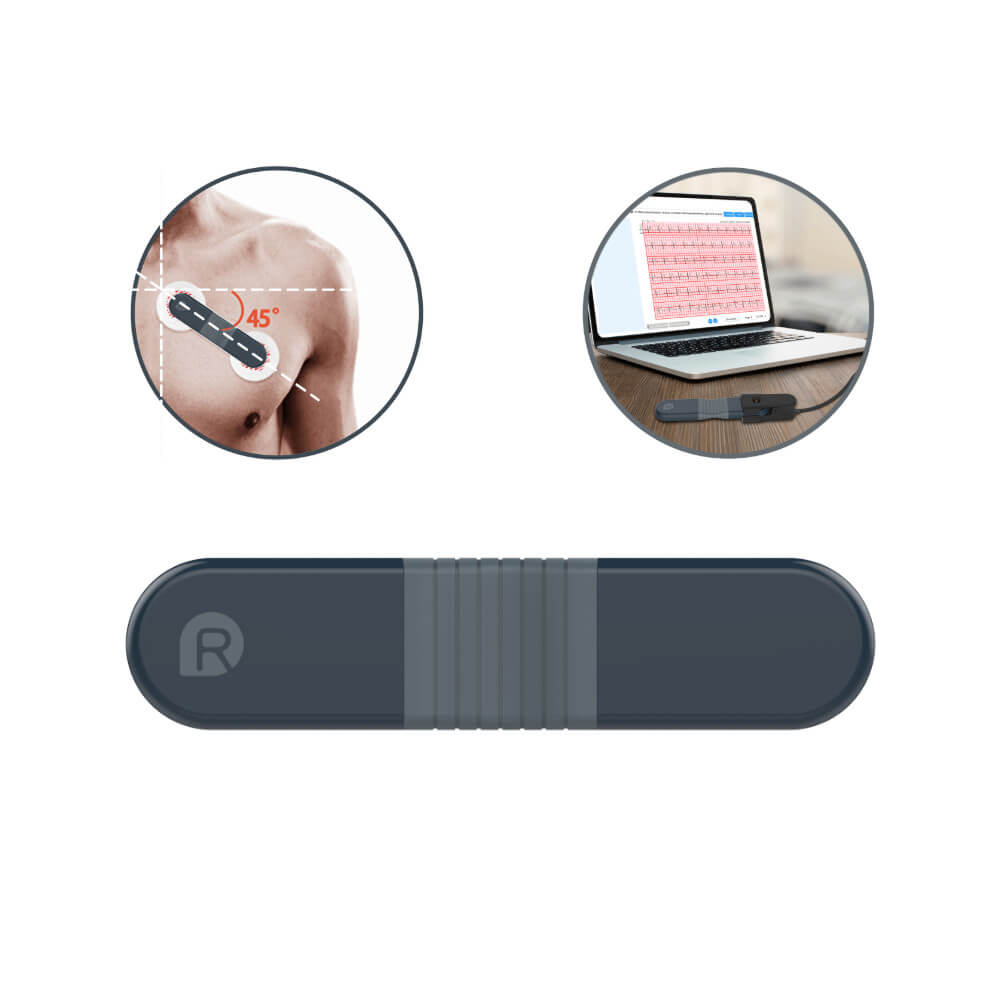
24-Hour ECG Monitor
Best for those needing longer-term monitoring, such as individuals with fleeting symptoms that are hard to reproduce in a clinic. It continuously logs your heart rhythm for up to 24 hours and supports easy report export. The initial setup can take a little learning, especially around proper placement and comfort during daily activities. I've found it invaluable for picking up elusive arrhythmias that a spot-check device might miss.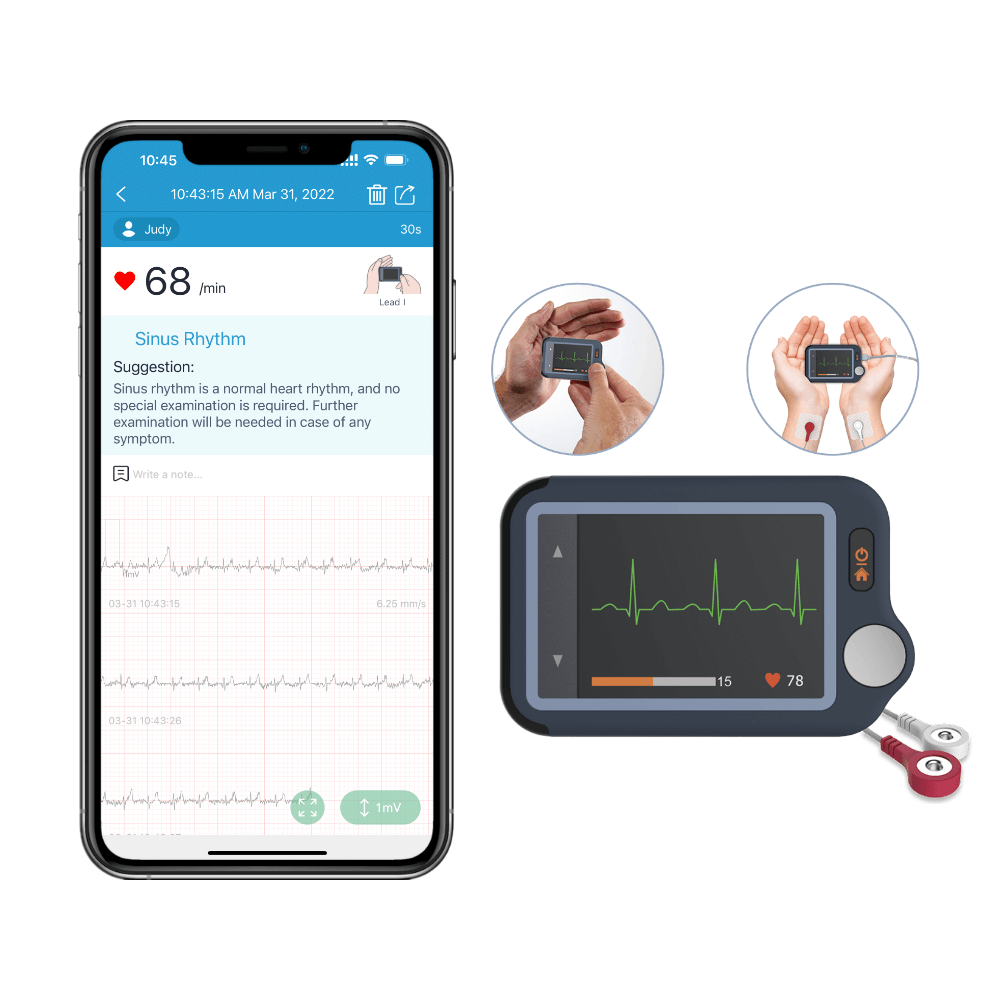
Touchscreen ECG Monitor
This is ideal for quick rhythm snapshots at home or on the go. It’s compact, easy to use, and provides instant feedback with AI analysis. Not a diagnostic device, but practical for those wanting to document episodes for their provider. Works well for anyone who needs to capture intermittent symptoms or wants simple operation without adhesive patches.
If you're unsure which to choose: go for the 24-Hour ECG Monitor if your symptoms are unpredictable or infrequent; the Touchscreen ECG Monitor is better for routine spot-checks or if you prefer on-demand simplicity.
Key Takeaways: Getting the Most from Home ECG Arrhythmia Monitoring
- Home ECG monitoring is a valuable tool for detecting arrhythmia, especially when symptoms are sporadic.
- Correct technique and regular use improve accuracy; always follow device instructions.
- Share abnormal or unclear readings with your provider—never rely solely on the device for medical decisions.