Quick take
We break down who this device is best for, what it measures, and how it compares in the market.

Spotting heart rhythm changes early can make a significant difference in managing atrial fibrillation (AFib). With the rise of consumer-grade home ECG monitors, everyday users now have practical tools to keep an eye on their cardiac health between doctor visits. But using these devices effectively—and interpreting results reliably—requires more than just turning them on. Here’s what you need to know to confidently use a home ECG monitor for atrial fibrillation detection.
Key Takeaways
- Home ECG monitors provide practical tools for detecting atrial fibrillation between doctor visits.
- Accurate use and interpretation are essential—always confirm suspected AFib with a healthcare provider.
- Regular monitoring, proper setup, and understanding device features maximize detection reliability.
- AI analysis and data management apps enhance interpretation, but do not replace professional evaluation.
Who This Is For
If you’ve been advised to monitor your heart rhythm at home—especially due to AFib risk—this guide is for you. It’s also helpful for caregivers, family members, and anyone curious about spotting early signs of irregular heart rhythms with modern devices.
Understanding Atrial Fibrillation and Home ECG Monitoring
What is atrial fibrillation (AFib)?
AFib is a common type of heart rhythm disorder (arrhythmia) where the upper chambers of the heart beat irregularly and often rapidly. This can increase the risk of stroke and other complications. Symptoms range from noticeable palpitations to no symptoms at all.
Why early detection of AFib matters
Many people experience AFib intermittently. Detecting it early—especially between routine checkups—allows healthcare providers to intervene sooner and reduce risks tied to undiagnosed episodes.
How home ECG monitors can help in detecting AFib
Portable ECG monitors let you record your heart’s electrical activity on demand or over long periods. They can reveal episodes of AFib that standard in-clinic ECGs may miss, especially if symptoms are fleeting or silent.
Types of Home ECG Monitors for AFib Detection
Single-lead vs. multi-lead monitors
Single-lead monitors capture a straightforward rhythm strip—sufficient for spotting AFib in most users. Multi-lead devices offer more detailed views but are typically bulkier and reserved for clinical settings. For home use, single-lead is typically enough for detecting AFib with a home ECG.
Continuous vs. spot-check ECG devices
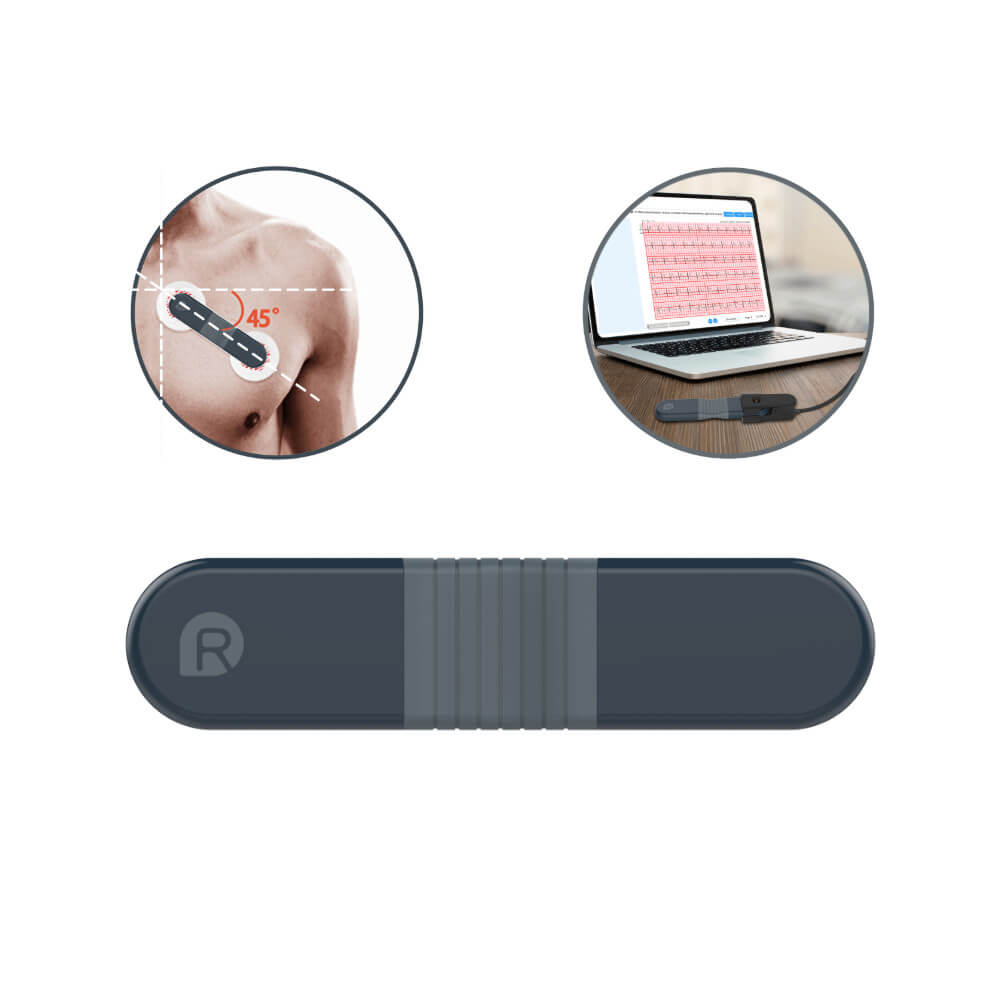
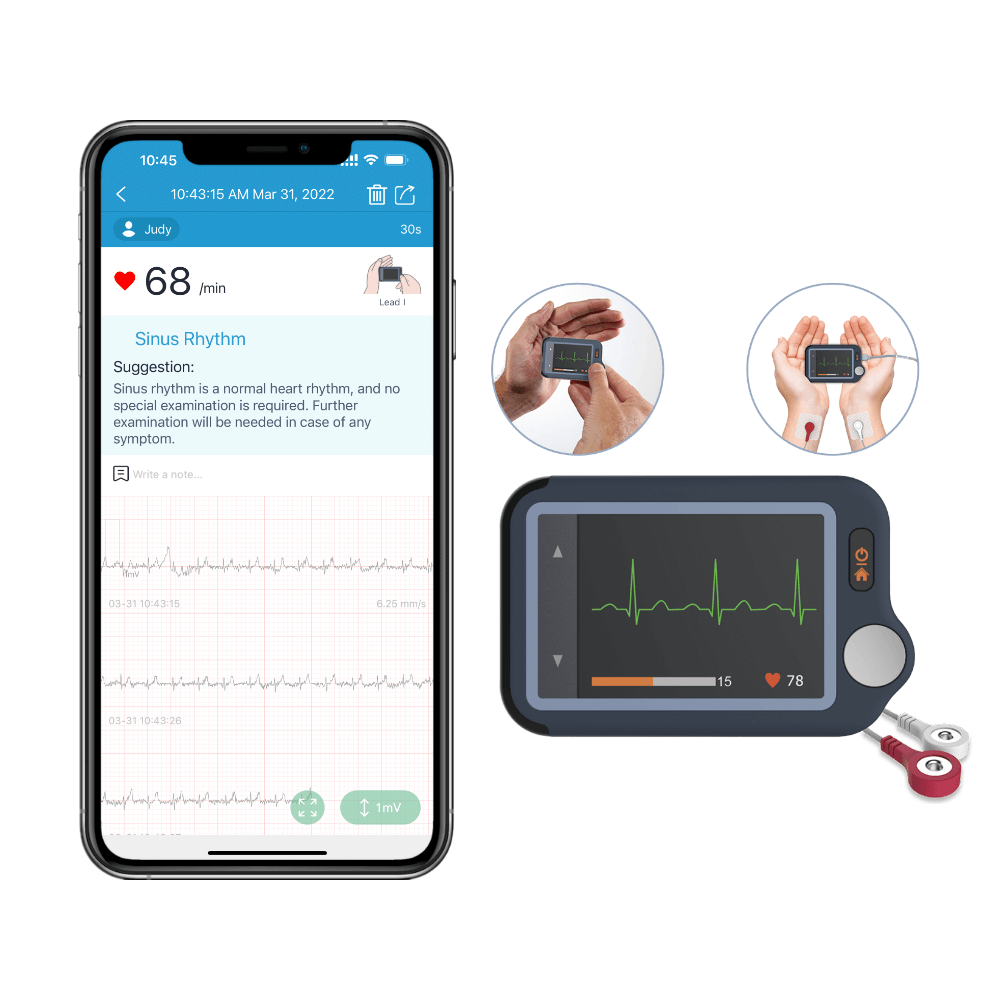
Some monitors, like the 24-Hour ECG Monitor, record continuously for 24+ hours, capturing irregularities you might not notice. Others, such as the Touchscreen ECG Monitor, provide quick snapshots (30 seconds to 5 minutes) on demand. The best type depends on your symptoms and doctor’s recommendations.
Important features for detecting AFib with home ECG
- AI rhythm analysis for faster, clearer results
- Easy-to-use sensors (handheld or electrode patches)
- Clear data management and export options
- App connectivity for sharing with providers
Getting Started: Setting Up Your Home ECG Monitor
Unboxing and device overview
Open the box and review all components. Most monitors include the device, charging cable, and sometimes electrode patches or a carrying pouch.
Charging and connecting the monitor
Fully charge your device before first use. If your monitor supports Bluetooth or Wi-Fi, follow the pairing instructions to connect it with your phone or tablet.
Installing companion apps and syncing data
Download the companion app recommended in the manual. Syncing your device ensures ECG results are stored and easily accessible for review or sharing.
Step-by-Step: How to Use a Home ECG Monitor for Atrial Fibrillation Detection
- Preparing for your ECG recording: Sit quietly for a minute. Remove jewelry and avoid caffeinated drinks beforehand for best accuracy.
- Placing electrodes or using handheld sensors: For handheld models, grip the sensors as shown in the manual. If using patches, clean the skin and position as instructed.
- Choosing recording duration: Spot checks (30–60 seconds) are great for capturing momentary symptoms; longer recordings (5 minutes or more) increase the odds of detecting AFib if episodes are infrequent.
- Recording your ECG at home: Stay still and breathe normally. Most devices have a visual or audio cue to indicate a successful recording.
- Using AI analysis and interpreting initial results: Let the device or connected app process the data. Many models highlight irregular rhythms or possible AFib automatically, but these findings are preliminary.
Recognizing Signs of Atrial Fibrillation in Your ECG Readings
- Key ECG patterns: AFib often shows as an irregularly irregular rhythm—meaning there’s no consistent pattern between beats—and absence of clear P waves. However, only a healthcare provider can confirm the diagnosis.
- Common mistakes: Poor electrode placement, movement, or electrical interference can mimic AFib. If in doubt, repeat the test and always consult your physician for confirmation.
- When to share results: If your monitor flags possible AFib or you notice symptoms, export the ECG report and share it with your provider promptly.
Tips for Effective and Reliable Monitoring
- For those at higher risk, daily spot checks or recordings during symptoms are reasonable. Consult your physician for a tailored schedule.
- Record in a quiet, relaxed setting—seated, with arms supported.
- If you see repeated errors or unclear results, review the manual or reach out to customer support for troubleshooting.
How to Store, Access, and Share Your ECG Data
- Most devices offer a companion app for viewing, storing, and exporting ECGs. Some, like the ECG 1000 ECG Data Management System, focus on report management and easy sharing.
- Export your ECG as PDF or image files for your medical records or to email directly to your provider.
- For privacy, use FDA-cleared devices and apps, which comply with strict data security standards.
When to Seek Medical Advice Based on Home ECG Results
- Contact your doctor urgently if you experience chest pain, severe shortness of breath, fainting, or rapid heart rate—regardless of device readings.
- If your ECG repeatedly flags possible AFib, schedule a medical review. Remember, home ECGs are screening tools—not diagnostic devices.
- Discuss any abnormal findings or worrisome symptoms with your cardiologist for proper follow-up.
Three Popular Home ECG Monitors Compared
| Product | Best For | Key Features | Limitation | Real-World Use | Actions |
|---|---|---|---|---|---|
| Long-term rhythm tracking | Continuous ECG, AI analysis, exportable reports | Learning curve for setup | Helpful if you have infrequent, hard-to-capture symptoms | ||
| Quick spot checks at home | On-demand ECG, easy report sharing | Requires steady hand for best results | Ideal for routine self-checks and sending results to your doctor | ||
| Portable and user-friendly monitoring | Touchscreen, spot checks, AI analysis | Not a substitute for clinical diagnosis | Great for travel and monitoring during daily activities |

If You’re Unsure
If you experience symptoms rarely, a spot-check device (like the Touchscreen ECG Monitor) is often enough. For hard-to-capture or silent episodes, a 24-hour or longer recorder is worth considering. When in doubt, start simple and upgrade if your doctor suggests more continuous monitoring.
FAQ: Using Home ECG Monitors for AFib Detection
- How often should I use my home ECG monitor if I’m at risk for atrial fibrillation?
- What are the most reliable signs of atrial fibrillation on a home ECG?
- Can home ECG monitors diagnose other heart rhythm problems?
- How secure is my personal ECG data when using apps and cloud storage?
- What should I do if my home ECG monitor flags a possible arrhythmia?
Explore More: Related Guides and Resources
- Device Setup & How-To Guides for Home Monitoring Devices