Quick take
We break down who this device is best for, what it measures, and how it compares in the market.
How to Use a Blood Pressure Monitor with Irregular Pulse Detection (2026 Guide)
Home blood pressure monitoring has become a pillar of proactive health management, especially as hypertension and irregular heartbeats impact millions. If your doctor has ever mentioned an irregular pulse, or if your BP monitor has flagged it, you know how unsettling that can feel. Today’s blood pressure monitors with irregular pulse detection make it possible to track these patterns safely from home—if you know how to use them right.
Key Takeaways
- Irregular pulse detection on BP monitors helps you spot heartbeat anomalies during routine checks.
- Accurate setup, proper cuff placement, and calm technique are essential for reliable readings.
- An irregular pulse alert isn’t a diagnosis—but it’s a valuable prompt to consult your provider.
- Maintenance and periodic calibration keep your monitor’s results trustworthy.
Who this is for
If you’ve been told you have arrhythmia, are monitoring high blood pressure, or just want more insight into your heart health, a blood pressure monitor with irregular pulse detection is a smart choice. It’s especially useful for anyone tracking irregular heartbeat symptoms, those on heart medications, or anyone wanting a more complete picture between doctor visits.
Introduction to Irregular Pulse Detection in Home Blood Pressure Monitors
Why Irregular Heartbeat Monitoring Matters for Home Users
Irregular heart rhythms can go unnoticed until they cause problems—sometimes serious ones. Home monitors with irregular pulse detection offer early warning by flagging patterns your heart might otherwise keep hidden. This is especially valuable for people with hypertension, as high blood pressure and abnormal rhythms often travel together.
Overview of Modern BP Monitors with Irregular Pulse Features
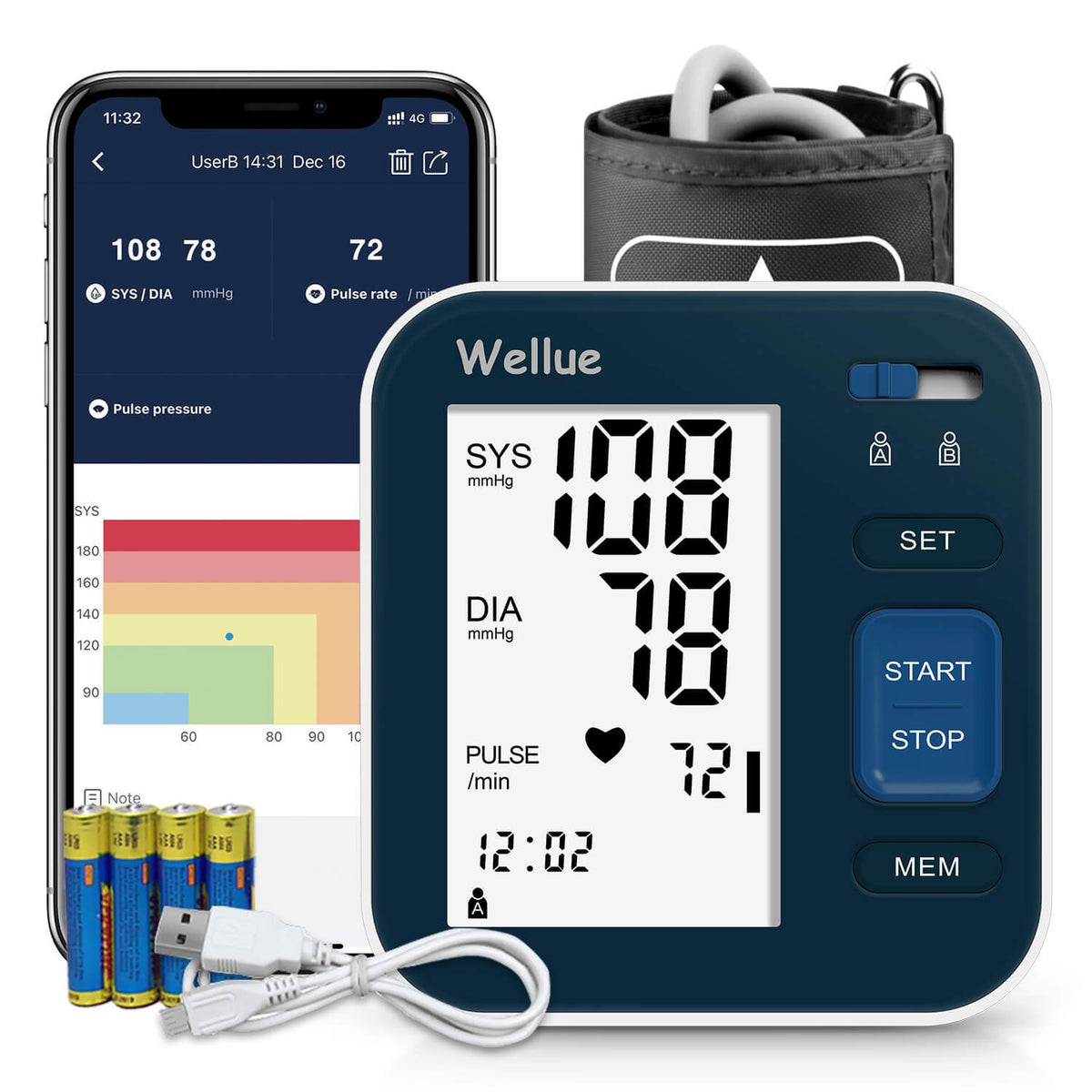
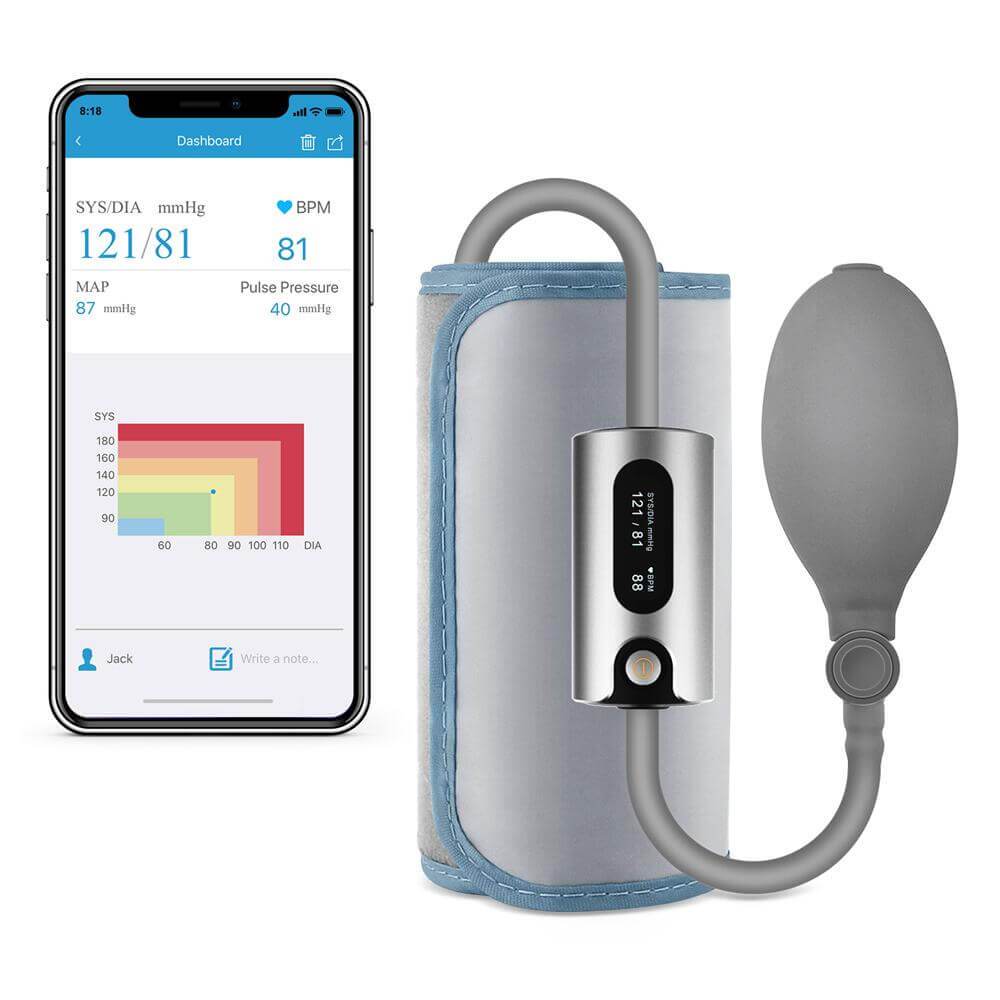
Many upper-arm home monitors now include irregular pulse detection. Devices like the Smart Blood Pressure Monitor and AirBP Plus Blood Pressure Monitor from Wellue signal when your heartbeat varies from expected patterns during a reading. This gives you a heads-up, enabling timely conversations with your healthcare provider.
Understanding Irregular Pulse Detection: What It Means and How It Works
How Blood Pressure Monitors Detect Irregular Heartbeats
During a measurement, your monitor analyzes the intervals between heartbeats. If it detects variations beyond a set threshold—often caused by premature, skipped, or extra beats—it triggers an irregular pulse alert. This process is automatic and happens each time you take a reading.
Common Indicators and Symbols for Irregular Pulse
Most monitors use a specific symbol—often a heart with a zigzag or dot pattern—to indicate an irregular pulse. Some models display a message or icon on the screen, while app-connected devices will show a notification in your results history. Check your device’s manual for the exact symbol.
Limitations and Accuracy Considerations
While helpful, these alerts aren’t perfect. Movement, talking, or poor cuff placement can trigger false positives. Also, BP monitors only detect rhythm irregularities present during measurement—they can’t screen for all arrhythmias or track them continuously like a Holter monitor or ECG device. Use these alerts as a prompt, not a diagnosis.
Step-by-Step: Setting Up Your Blood Pressure Monitor for Irregular Pulse Detection
Device Placement and Cuff Positioning for Accurate Results
- Sit down and relax for 5 minutes. Rest your arm on a table, palm up, at heart level.
- Wrap the cuff snugly around your bare upper arm—about 1 inch above your elbow. Ensure the tube runs down the center of your arm.
- Keep your feet flat on the floor, don’t cross your legs, and avoid talking.
Enabling Irregular Pulse Detection: Device-Specific Instructions
On most Wellue monitors, irregular pulse detection is built into every measurement—no special setting required. Simply press the start button. The device will automatically analyze your pulse rhythm and display an alert if irregularity is found. If your monitor uses an app, ensure Bluetooth is enabled and your phone is paired to record results.
Tips for Consistent and Reliable Readings with Irregular Heartbeats
- Measure at the same time each day, ideally morning and evening.
- If your device shows an irregular pulse, repeat the measurement after a few minutes of rest.
- Keep a record of all readings, including those with irregular pulse alerts, to discuss with your provider.
Using Your BP Monitor for Irregular Pulse: Best Practices
When to Measure: Timing and Frequency for Reliable Data
For those using a BP monitor for irregular pulse checks, consistency is key. Try to measure at least once daily, or as advised by your doctor. If you notice symptoms (palpitations, dizziness), take an extra reading.
How to Avoid Common User Errors
- Remain still and silent during measurement—movement and talking can skew both BP and pulse readings.
- Double-check cuff fit every time.
- Wait at least 1–2 minutes between repeated measurements.
Recording and Tracking Your Results Over Time
Many smart BP monitors, like the Smart Blood Pressure Monitor, store up to 100 readings and sync with health apps. This makes it simple to spot trends, including how often irregular heartbeat detection appears. If your monitor lacks memory, keep a handwritten log noting the date, time, BP, pulse, and any irregular pulse alerts.
Interpreting Irregular Pulse Results: What to Do Next
Understanding What an Irregular Pulse Alert Means
An irregular pulse alert means the device detected a heartbeat pattern outside of normal rhythm during that reading. It’s not a diagnosis, but it’s worth noting—especially if it happens more than once.
Distinguishing Between Occasional and Persistent Irregularities
If the alert shows up only once, it could be user error or a harmless blip. Multiple alerts, especially across days, are worth discussing with your doctor. A consistent pattern could signal an underlying rhythm issue that needs further evaluation, such as an ECG.
When to Contact Your Healthcare Provider
If you see frequent irregular pulse alerts, or if you experience symptoms like fainting, chest pain, or palpitations, don’t wait—contact your healthcare provider. Bring your BP log or app data for context.
Troubleshooting and Maintenance: Ensuring Ongoing Accuracy
Cleaning and Maintaining Your Blood Pressure Monitor
Wipe the cuff and device with a soft, damp cloth after use. Avoid harsh cleaners. Store the device in a cool, dry place to protect sensitive sensors.
Calibrating Your Device and When to Replace the Cuff
Most home BP monitors remain accurate for 2–3 years. If you notice erratic readings or your cuff looks worn, contact the manufacturer about calibration or replacement. A poorly fitting cuff can trigger false irregular pulse alerts.
What to Do If Irregular Pulse Detection Seems Inaccurate
If you’re consistently getting irregular pulse alerts but feel well and your doctor finds no issues, review your measurement technique. Ensure you’re sitting still, using the correct cuff size, and not talking during readings. If doubts persist, compare results with a clinic device.
Staying Informed: Combining Irregular Pulse Monitoring with Other Home Health Tools
Integrating ECG, Sleep, and Oxygen Data for a Holistic View
Blood pressure monitors are just one piece of the puzzle. Many patients benefit from combining BP and pulse checks with home ECG, overnight oxygen monitoring, or sleep therapy data. This broader view helps you and your provider see the full context of your cardiovascular health.
The Role of BP Monitors in Long-Term Cardiovascular Health
Used regularly and interpreted wisely, home BP monitors with irregular pulse detection empower you to spot changes early. They are not diagnostic tools, but they do support more informed conversations with your care team—and help catch trends before they become problems.
If you’re unsure which monitor to choose
Start with a model that fits your lifestyle. The Smart Blood Pressure Monitor is user-friendly and stores up to 100 readings, making it ideal for those who want clear tracking and app integration. If you prefer a classic design with a readable screen, the AirBP Plus Blood Pressure Monitor is a dependable pick. Prioritize proper cuff fit and ease of use above all—consistent technique matters more than extra features.
Featured Product: Smart Blood Pressure Monitor
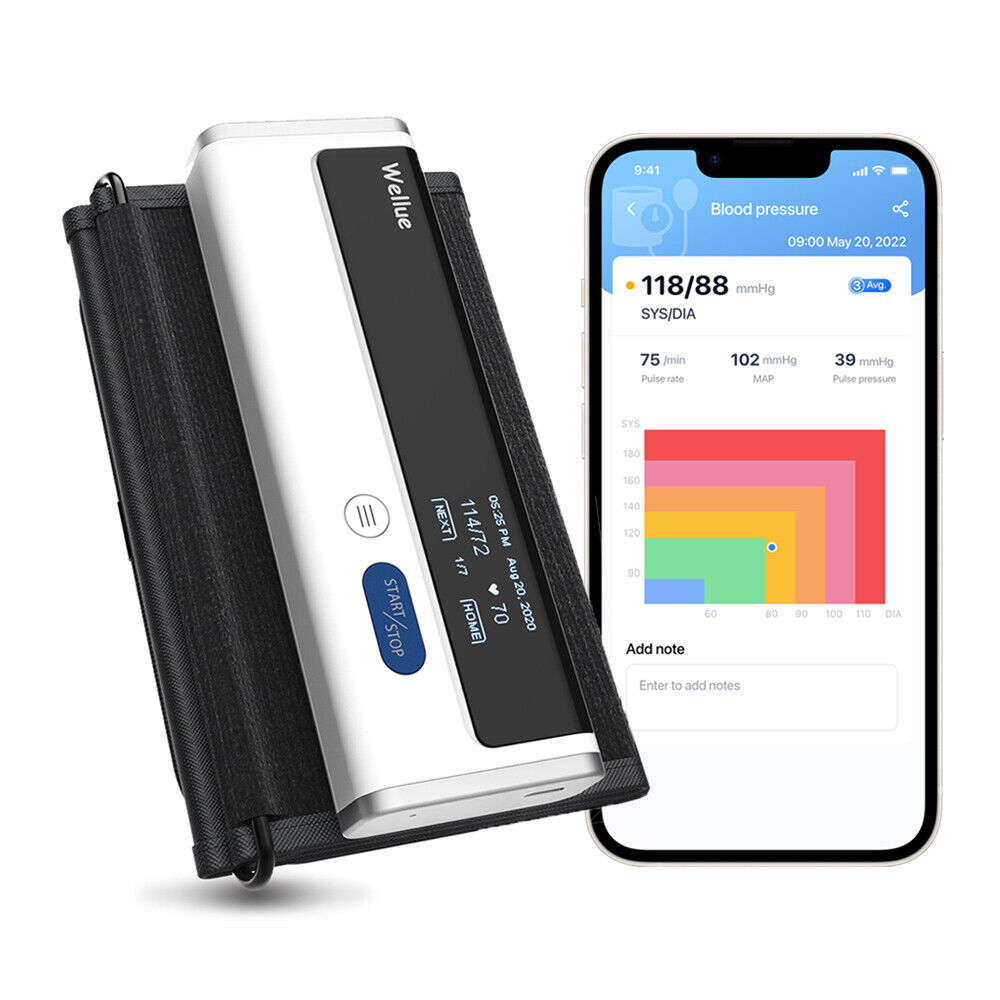
- Best for: Anyone wanting fast, one-press measurements and simple app syncing.
- Limitation: Cuff fit and calm sitting are essential for consistent results.
- Real-world use: Ideal for busy users who want to check blood pressure and pulse rhythm in 30 seconds, then review trends on their phone later.
Alternative: AirBP Plus Blood Pressure Monitor
- Best for: Those who prefer a traditional screen and averaged readings without relying on a phone.
- Limitation: Like all upper-arm monitors, correct cuff placement is crucial for accuracy.
- Real-world use: Great for users who want a straightforward, reliable device for morning and evening checks without fuss.
Checklist: Using a BP Monitor with Irregular Pulse Detection
- Read the device manual and familiarize yourself with the irregular pulse indicator symbol.
- Sit quietly and rest for a few minutes before measuring.
- Fit the cuff correctly, following the device’s instructions.
- Press start and remain still and silent until the reading is complete.
- Note any irregular pulse alerts and record your results.
- Repeat the measurement if an irregular pulse is detected, after a short rest.
- Bring your log or app data to medical appointments.
Conclusion
Blood pressure monitors with irregular pulse detection add an important layer to home heart health checks. By following best practices for setup, measurement, and maintenance, you’ll get reliable results that empower you to take informed next steps—without unnecessary worry. The Smart Blood Pressure Monitor is an excellent starting point for most users, while the AirBP Plus remains a solid, screen-based alternative. Remember: any device alert should lead to a conversation with your healthcare provider, not self-diagnosis. Consistent, calm use is what matters most for meaningful data.