Quick take
We break down who this device is best for, what it measures, and how it compares in the market.

CPAP Mask Magnetic vs Traditional Clips Comparison (2026): Comfort, Ease, and Safety Explained
Why CPAP Mask Attachment Matters
A secure, comfortable mask fit is the backbone of effective sleep therapy. If you struggle nightly with your CPAP mask—fiddling with clips, struggling to get a good seal, or worrying about safety—your therapy (and sleep) can suffer. As magnetic clips become more common, understanding their pros and cons versus regular clips is key to choosing the best CPAP mask for your needs.
Key Takeaways
- Magnetic clips make mask removal and fitting fast and simple, especially for users with arthritis or dexterity issues.
- Traditional clips may be required for people with pacemakers, implanted defibrillators, or other sensitive medical devices.
- Both attachment styles have unique maintenance considerations; check your mask's compatibility and follow manufacturer cleaning guidance.
- Always consult your sleep specialist before changing mask types, especially if you have implants or special safety concerns.
- Compare comfort, ease, and safety—not just price—when deciding between CPAP mask magnetic clips vs regular clips.
Understanding CPAP Mask Attachment Types
How Magnetic Clips Work on CPAP Masks
Magnetic clips use a pair of small, embedded magnets to snap mask straps into place on the mask frame. The result: you can attach or detach your mask with a single hand, even in the dark. This design is increasingly common on newer CPAP models, especially those emphasizing user-friendly features.
Traditional Clips: Design and Function
Regular (non-magnetic) clips typically use plastic hooks or tabs that slide or snap into the mask frame. They require more dexterity—lining up the clip and pressing it into place. Many longstanding CPAP masks continue to use this approach for proven reliability.
CPAP Mask Types Using Magnetic or Regular Clips
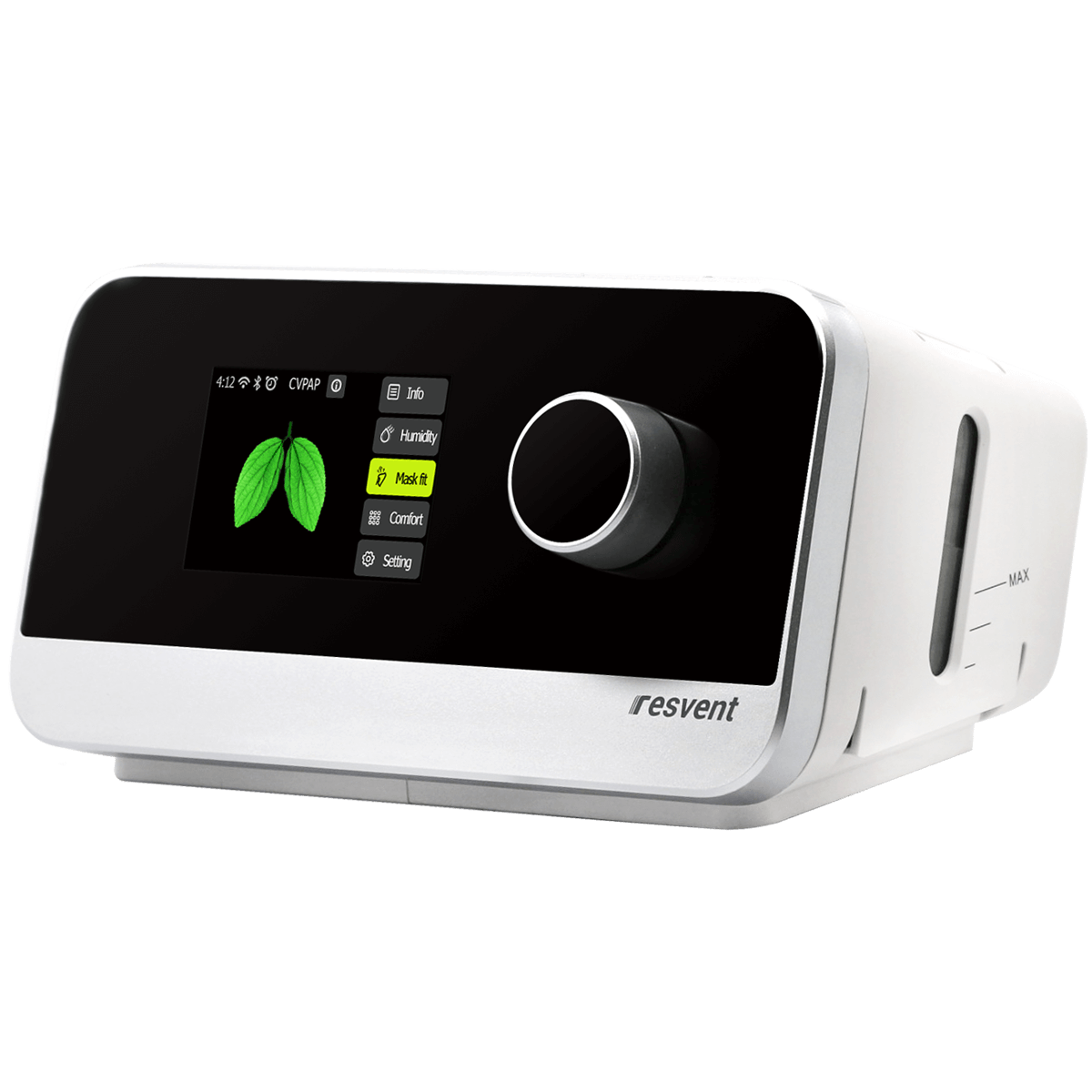
Both full-face and nasal masks can feature magnetic or traditional clips. For example, the APAP With More Mask Options offers both full face and universal nasal pillow choices, letting users prioritize comfort and fit regardless of clip style.
Comfort and Convenience: User Experience Compared
Ease of Use: Putting On and Removing Masks
Magnetic clips shine in this category. You can attach or remove your mask with minimal effort, which is a game changer for anyone with arthritis, limited hand strength, or those who need to get up at night. Traditional clips, while secure, can be frustrating—especially if you wake groggy or need to adjust your mask quickly.
Nighttime Adjustments and Mask Refitting
If you frequently need to remove your mask during the night, magnetic clips offer clear advantages. Users report less fumbling and a lower chance of disturbing their therapy settings. Regular clips may require more concentration and two hands, which can be a challenge in the dark.
Who Benefits Most from Each Attachment Style?
- Magnetic clips: Best for users with dexterity limitations, those who value quick removal, and anyone prioritizing convenience.
- Regular clips: Recommended for users with medical implants (see safety notes), or those who want maximum security against accidental detachment.
Safety Considerations: Magnetic vs Traditional CPAP Clips
Potential Interference with Medical Implants (e.g., Pacemakers)
Magnetic clips can pose a risk for users with certain pacemakers, defibrillators, or other metallic implants. The U.S. FDA and CPAP manufacturers advise these users to avoid magnetic mask components, as magnets—even small ones—may interfere with device function. Always check with your doctor and consult the manufacturer's safety guidance.
Security During Sleep: Will the Mask Stay On?
Both attachment styles are designed to keep your mask secure. Magnetic clips, when properly engaged, hold firmly. However, some users find traditional clips slightly more resistant to accidental bumps or tension during sleep. If you move a lot in your sleep or are concerned about the mask coming loose, discuss fitting options with your equipment provider.
FDA and Manufacturer Guidelines
The FDA regulates CPAP devices and accessories, including mask attachment systems. Always choose products from reputable brands and read instructions regarding mask use with implants or other safety considerations. Learn more at FDA's Medical Devices hub.
Durability and Maintenance
How Long Do Magnetic Clips Last vs Regular Clips?
Both magnetic and standard clips are built for routine use and generally last as long as the mask itself. However, magnetic clips have fewer moving parts and are less likely to wear out or break due to repeated flexing. Traditional clips can sometimes snap or lose tension, especially after extended use or rough handling.
Cleaning and Maintenance Tips for Each Attachment
Magnetic clips are typically sealed and easy to wipe clean. Avoid soaking or exposing them to harsh chemicals, as this could affect the magnets over time. Regular clips may need more attention to small crevices to prevent buildup. Always air dry thoroughly before reattaching to prevent moisture issues.
Spare Parts Availability
Replacement clips—magnetic or regular—are widely available for most major mask brands. It's wise to keep a spare set on hand, especially if you travel or rely on nightly therapy. Check compatibility before ordering.
Cost and Availability: What to Expect in 2026
Price Comparison: Magnetic vs Traditional Clip Masks
Magnetic clip masks generally cost slightly more due to their newer design, but the price gap has narrowed. Expect to see competitive pricing and frequent discounts, especially when bundled with auto-CPAP machines like the iBreeze APAP.
Best CPAP Masks with Magnetic Clips (2026)
- APAP With More Mask Options: Ideal for users seeking flexibility in mask fit and style. Works well with both magnetic and non-magnetic attachments, depending on your choice.
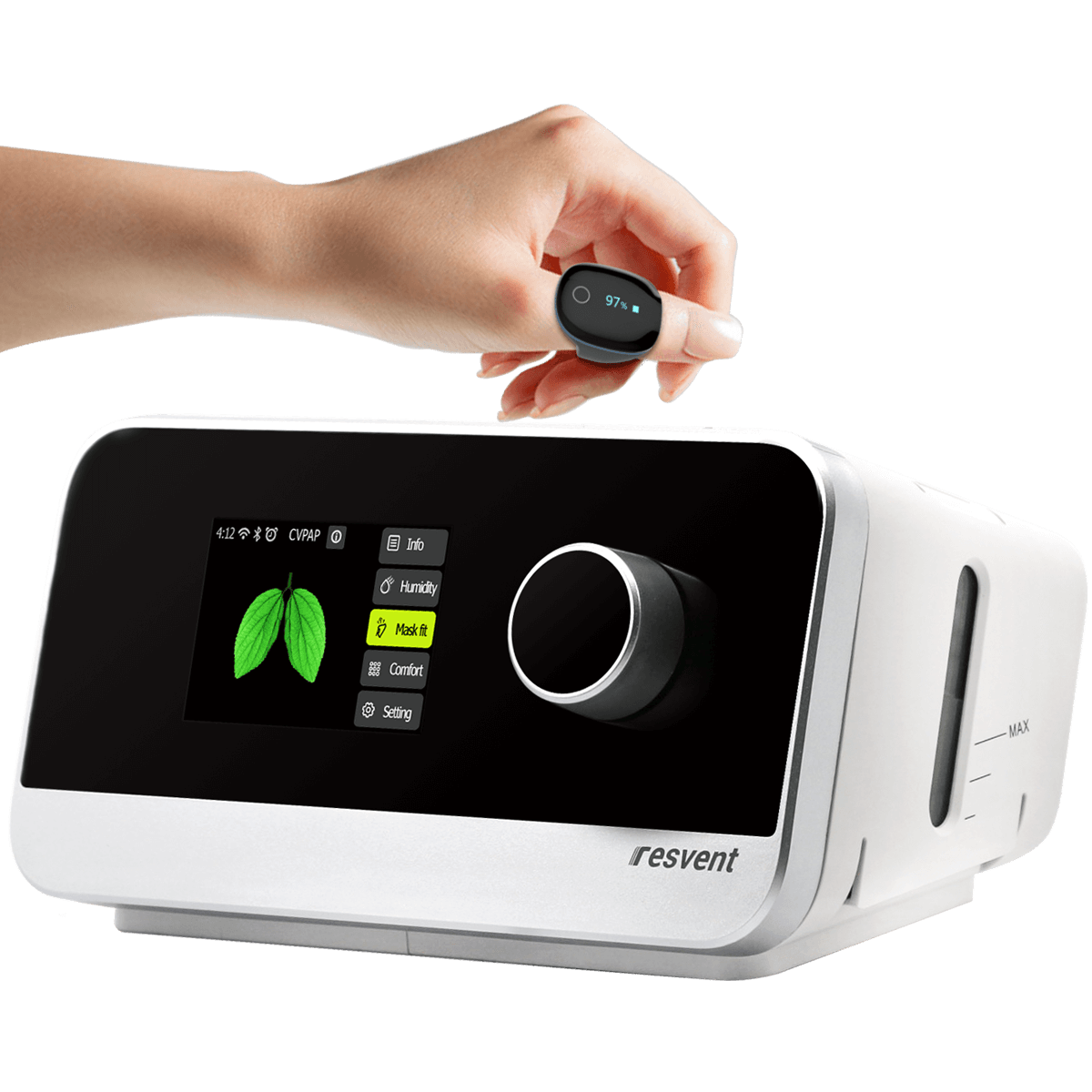
- Auto-CPAP / APAP Machine + O2Ring: Best suited for those who want advanced sleep monitoring alongside modern mask comfort, including magnetic options.
Insurance Reimbursement and Prescription Requirements
Both mask types require a prescription in the U.S. Most insurance plans cover mask replacements at regular intervals, regardless of clip style. Check with your provider for specific reimbursement policies in 2026.
Comparison Table: Magnetic Clips vs Traditional Clips
| Criteria | Magnetic Clips | Traditional Clips | Best For |
|---|---|---|---|
| Ease of Use | One-handed, very fast | Requires 2 hands, more effort | Magnetic: Dexterity issues Traditional: Steadiness, no implant |
| Night Adjustments | Simple in the dark | Can be tricky at night | Magnetic: Restless sleepers Traditional: Rare mask removal |
| Safety (Implants) | Not suitable for some pacemakers | No interference risk | Traditional: Users with implants |
| Security During Sleep | Firm hold, possible rare slip | Very secure | Traditional: Heavy sleepers |
| Durability | Few moving parts, robust | May wear or snap over time | Magnetic: Frequent users |
| Maintenance | Wipe clean, no soaking | Requires thorough cleaning | Both: Easy care |
| Cost | Slightly higher, narrowing gap | Usually lowest price | Either: Budget shoppers |
| Availability | Common on new masks | Still widely sold | Both: Easy to find |
How to Choose the Right CPAP Mask Attachment for You
If you’re unsure, start by considering your hand strength, nighttime habits, and any medical conditions. If you have a pacemaker or similar implant, traditional clips are safer. If you struggle with arthritis or need to remove your mask quickly, magnetic clips are worth considering. Consulting your sleep specialist or a knowledgeable DME provider is always wise, especially before switching mask types. Many suppliers now offer mask trials, so you can experience different attachment styles before making a commitment.
Reading and Interpreting Device Reports for Mask Fit Issues
Modern CPAP and APAP machines, such as the iBreeze APAP, offer detailed therapy reports. If you see repeated mask leaks or high leak rates, this could indicate a poor fit—or that your mask attachment isn’t holding as it should. If leaks persist despite proper adjustment, consider trying a different mask style or attachment method. This can make a real difference in your therapy comfort and effectiveness.
Who This Is For
- Anyone starting or upgrading CPAP therapy and unsure which mask attachment to choose
- Users with limited hand strength, arthritis, or dexterity challenges
- People with pacemakers or other medical implants (traditional clips advised)
- Sleep therapy veterans looking to optimize nightly comfort and ease
Conclusion: Making an Informed Choice for Better Sleep Therapy
Whether you choose magnetic or traditional clips, the right CPAP mask can transform your sleep quality and therapy success. For most users seeking convenience and comfort, a mask with magnetic clips is now the smart pick in 2026. If you have medical implants or prioritize maximum security, traditional clips remain an excellent choice. For a flexible, upgradeable option, the APAP With More Mask Options stands out, letting you try both styles and mask types with confidence.