Quick take
We break down who this device is best for, what it measures, and how it compares in the market.
Home Blood Pressure Monitor Memory Storage Comparison: 2026 Guide
Managing blood pressure at home has become a practical necessity—especially for millions managing hypertension or tracking trends for their doctor. But the real value doesn’t just come from a single reading; it’s in the patterns over time. That’s where memory storage in home blood pressure monitors becomes essential. Choosing the right BP monitor with memory can help you and your clinician make better, more informed decisions without the guesswork.
Key Takeaways
- Monitors with memory storage enable reliable, long-term blood pressure tracking at home.
- Consider the number of readings stored, user profiles, and how easy it is to review past data.
- Stored readings support better health conversations and decision-making with your care team.
- Device maintenance and correct use are critical for both function and data integrity.
Understanding Memory Storage in Home Blood Pressure Monitors
Why Data Storage Matters for Home BP Monitoring
Blood pressure fluctuates throughout the day. One isolated number can be misleading. Devices with built-in memory let you track readings over weeks or months, providing a richer picture of your health for both you and your healthcare provider—especially when you need to watch for trends or the impact of lifestyle changes.
How Memory Storage Supports Long-Term Blood Pressure Tracking
Monitors with memory capture each measurement, storing them for later review. This means you don’t have to log numbers by hand, and you can easily spot averages, peaks, and patterns. For those with hypertension (defined as 130/80 mm Hg or higher, per the NHLBI), this is especially valuable for gauging control over time.
Types of Home Blood Pressure Monitors with Memory Storage
Upper Arm vs. Wrist Monitors (Memory Features Only)
Upper arm monitors are widely considered more accurate, while wrist-based models offer convenience and portability. Both types now feature memory storage, though accuracy and user interface can differ.
Manual Entry vs. Automatic Data Logging
Most modern units automatically store each reading—no pen and paper required. Some older or ultra-basic models require manual entry, which is less reliable and prone to error.
Single-User vs. Multi-User Memory Capabilities
Some monitors store readings for just one person, while others allow multiple user profiles—ideal for families or shared devices. Look for clear user switching to prevent data mix-ups.
Essential Criteria for Choosing a BP Monitor with Memory
Number of Readings Stored
Storage capacity varies—some devices keep 30 readings, others hundreds. If you want to track over months or allow multiple users, opt for higher memory.
Ease of Accessing and Reviewing Stored Data
Look for intuitive buttons or touchscreen navigation to recall previous readings. Some units display averages or trends at a glance, which is especially helpful for quick reviews.
Display Quality and User Interface
A clear, readable display makes review easier—especially for older adults or those with vision challenges. Backlighting and large digits are practical touches.
Data Export and Sharing Options (Non-App-Based)
While many monitors now offer Bluetooth or app connectivity, not everyone wants to use a smartphone. Some devices print reports or show trends directly on the monitor for easy sharing at appointments.
Comparison Table: Home Blood Pressure Monitors with Memory Storage
| Model | Type | Memory Capacity | User Profiles | Display | Best For | Quick Link |
|---|---|---|---|---|---|---|
| Upper Arm | Large (varies by app) | Single/Multi (with app) | Large, clear screen | Routine home tracking | ||
| Upper Arm | Extensive (app synced) | Single/Multi (via app) | Bright, easy-read | Family use, trend tracking | ||
| Wrist wearable | Continuous (wearable, app) | Single user | On-watch + app | On-the-go, lifestyle tracking |
How to Use This Table
Scan for the type (upper arm vs. wrist), memory style, and best use-case to quickly narrow your options. For full reviews and real-world pros and cons, see the detailed product sections below.
BP Monitor With Memory Review: Pros and Cons of Leading Devices
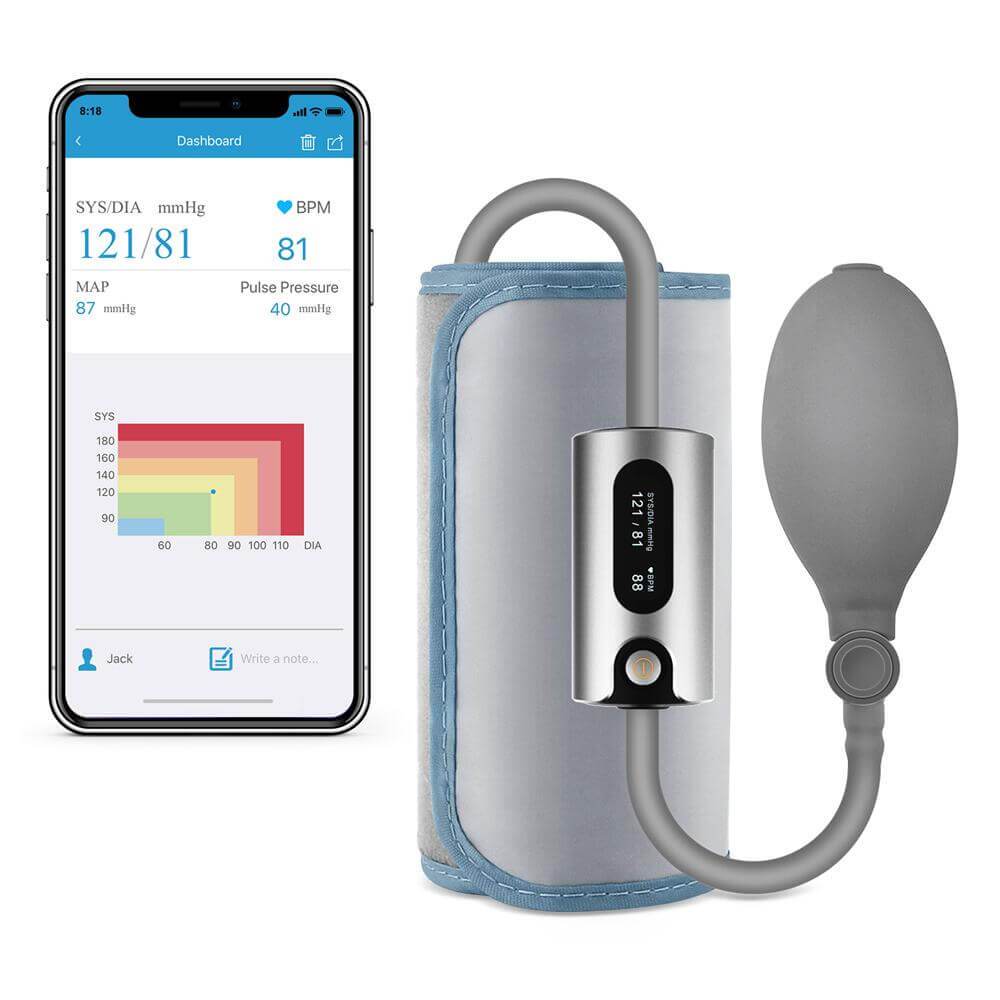
AirBP Plus Blood Pressure Monitor with Screen
The AirBP Plus stands out for its reliability and straightforward use. It reliably stores readings and syncs with an app, making it easy to spot trends over time. The clear screen and one-button operation mean less room for user error, which is a common issue with less refined models. The main limitation is that proper cuff fit and posture are critical for accuracy—something to be aware of if you have mobility challenges. For anyone who wants a no-nonsense, dependable BP monitor with memory, this is a strong pick, especially for those who share readings with a healthcare professional.
Bluetooth Upper Arm Blood Pressure Monitor
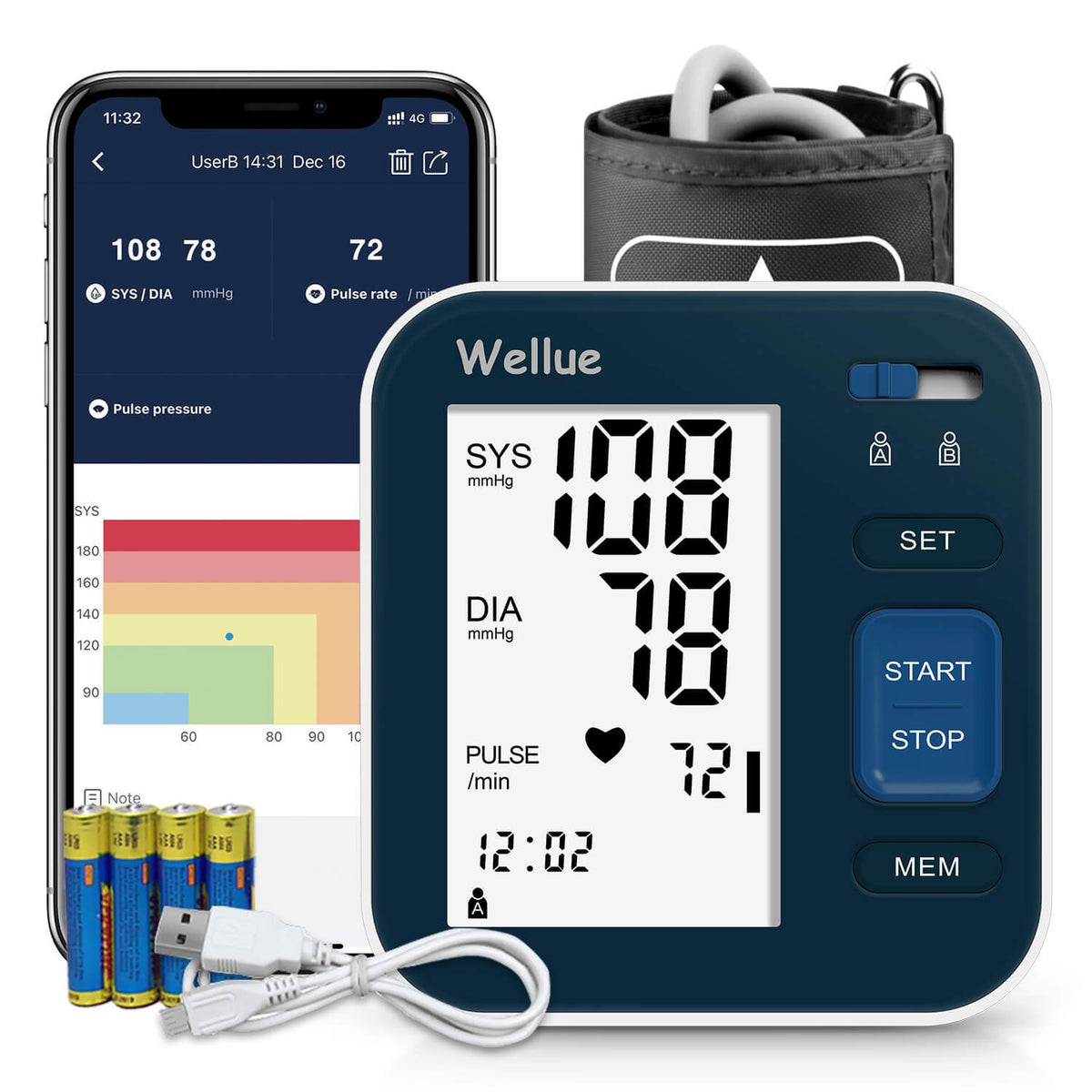
This model builds on the strengths of the AirBP Plus, adding robust app connectivity for in-depth trend analysis. Its memory storage is generous, and multi-user support through the app makes it ideal for families or couples. The display is crisp and intuitive, providing clear feedback after each use. As with any upper arm monitor, correct cuff placement is non-negotiable for accurate readings. Choose this if you want the flexibility of digital records and plan to track blood pressure for more than one person at home.
Smart Blood Pressure Watch: Micro Aircuff Technology

The Smart Blood Pressure Watch is designed for those who value continuous, wearable tracking. Its memory function is built into the app, capturing trends throughout the day. The form factor is comfortable and discreet, but wrist-based readings may not be quite as accurate as upper-arm measurements—especially if worn incorrectly. For active people or anyone wanting effortless, always-on BP trend visibility, this is a modern, convenient option. Just remember: calibration and correct positioning are essential for reliable results.
Best Blood Pressure Monitor With Data Storage: Which One Fits Your Needs?
- For Simple Tracking at Home: AirBP Plus is straightforward, making it easy for anyone to keep a reliable log of their BP readings.
- For Multi-User Families: The Bluetooth Upper Arm model shines with app-based multi-profile support and robust storage.
- For Those Monitoring Hypertension Progress Over Time: Both upper-arm models provide the accuracy and memory depth needed for meaningful, long-term trend analysis.
- For Always-On, Lifestyle Monitoring: The Smart BP Watch is unmatched for convenience, but keep in mind the trade-offs for clinical precision.
Who This Is For
These monitors are ideal for adults managing hypertension, families sharing a device, or anyone whose doctor recommends regular home BP tracking. They’re also suitable for those who want clear records for medication checks or health reviews. If you struggle with technology, look for models with simple interfaces and easy recall features.
Practical Guide: Using and Interpreting Your BP Monitor's Memory Function
- Use the device menu or buttons to recall previous readings—most can show daily, weekly, or monthly averages.
- Always follow cuff placement and posture guidance for valid data.
- Bring your monitor (or export a data summary) to share with your healthcare provider, especially if you notice concerning trends.
Maintenance and Storage: Keeping Your BP Monitor Accurate
- Check if your device retains memory during battery changes—most do, but always confirm in the manual.
- Store the monitor in a dry, cool place and clean the cuff as recommended to maintain both function and data integrity.
If You’re Unsure
If you want a device that just works, pick an upper-arm model with straightforward memory recall. For tech-savvy users or those managing several profiles, app-enabled monitors offer more flexibility. Prefer wearable convenience? The Smart BP Watch is best for daily lifestyle tracking.
Conclusion: Making the Right Choice for Your Home Monitoring Needs
Reliable blood pressure tracking hinges on a monitor that stores your readings clearly and securely. For most, an upper-arm model like the AirBP Plus covers the basics with minimal fuss, while the Bluetooth Upper Arm version offers expanded storage and family-friendly features. If everyday convenience is your top priority, the Smart BP Watch delivers. Whichever you choose, prioritize memory capacity, ease of use, and accuracy—and always consult your healthcare provider with your results.