Quick take
We break down who this device is best for, what it measures, and how it compares in the market.
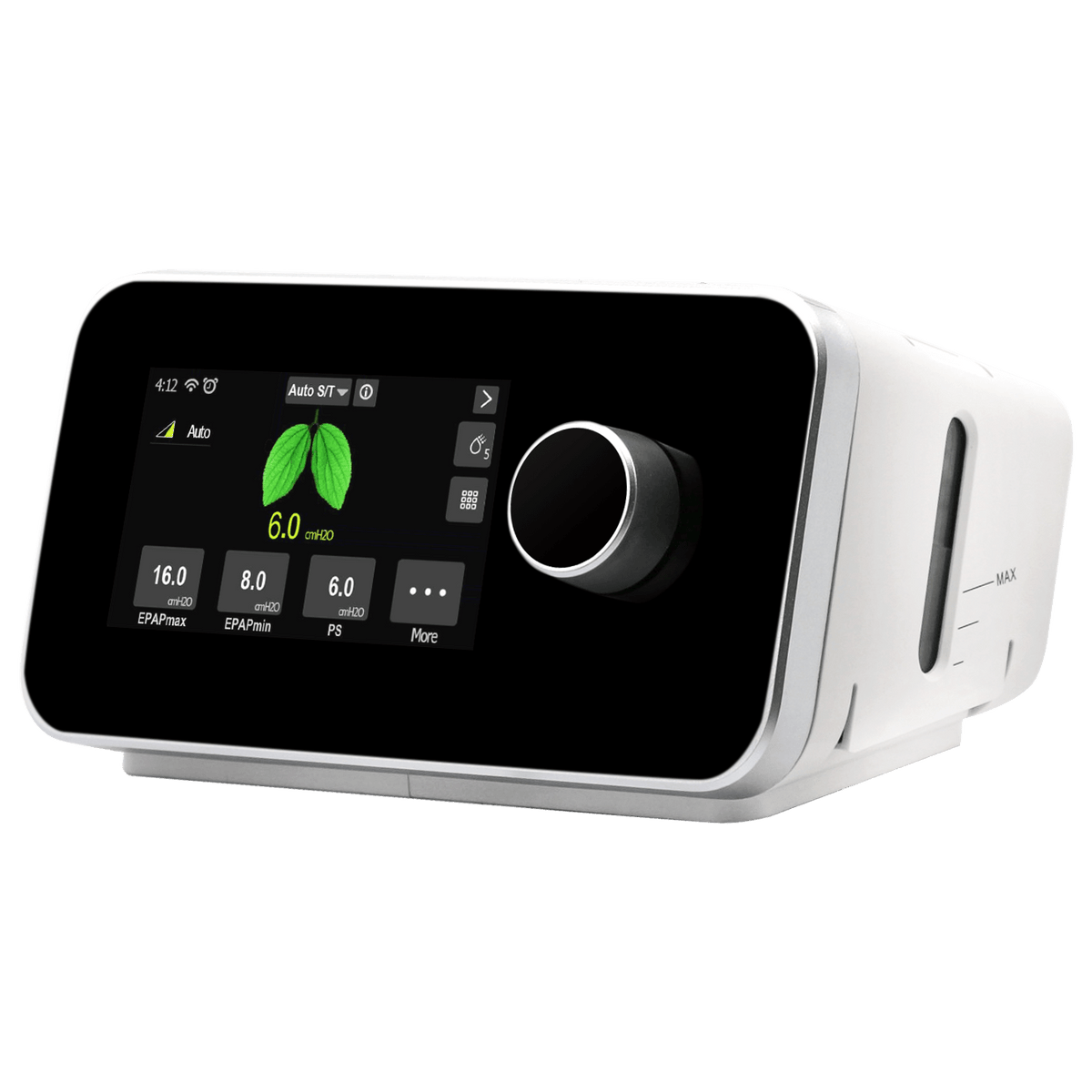
Best Sleep Therapy Device for Side Sleepers: 2026 Guide & Shortlist
For anyone who relies on sleep therapy—whether it’s CPAP, APAP, or BiPAP—your sleep position can be the deciding factor in therapy success. Side sleepers often face unique challenges, especially with mask seal and pressure needs. This guide cuts through the confusion, helping you choose the best sleep therapy device for side sleepers and avoid common pitfalls that lead to discomfort or ineffective treatment.
Key Takeaways
- Side sleepers benefit from devices with adaptive pressure and masks that seal reliably in dynamic positions.
- Auto BiPAP and APAP machines offer flexibility critical for those whose pressure needs shift with body position.
- Proper device setup, mask selection, and ongoing maintenance are essential for comfort and leak prevention.
- Reviewing device reports and using overnight oxygen monitoring can help track progress and spot issues early.
- Balance comfort, noise, adjustability, and support when selecting your device for side sleeping.
Who This Is For
If you sleep most comfortably on your side and use (or are considering) a sleep therapy device, this guide is for you. Whether you're a new user, a long-time CPAP side sleeper, or someone struggling with leaks and discomfort, you'll find selection tips and device recommendations that match your real-world needs.
Understanding Sleep Therapy Devices: Options for Side Sleepers
How CPAP, APAP, and BiPAP Differ for Side Sleepers
CPAP machines deliver a fixed pressure, which works well for many but can lead to leaks if your airway needs change as you turn. APAP devices adjust pressure automatically, responding to subtle changes in breathing or position. BiPAP (or BPAP) machines, especially auto models like the Wellue iBreeze, can provide different pressures for inhale and exhale, offering more tailored support—handy for anyone whose needs fluctuate through the night.
Why Side Sleeping Matters in Device Selection
Sleeping on your side can reduce airway obstruction but often shifts the mask, making leaks more likely. Devices with fine-tuned pressure response and masks designed for side movement can help maintain therapy effectiveness and comfort.
Common Challenges: Mask Leaks, Comfort, and Pressure Needs
Side sleepers are more prone to mask leaks due to pillow contact and facial movement. Finding the right mask and troubleshooting leaks is as important as choosing the device itself. Additionally, pressure may need to adjust as your posture changes, and some users find fixed-pressure devices less forgiving in this regard.
Essential Criteria: What Side Sleepers Should Look For
Pressure Adjustments and Flexibility (Auto vs. Fixed)
Look for sleep therapy machines offering auto-adjusting pressure. This flexibility ensures comfort and support even as your body position changes overnight.
Mask Compatibility and Leak Troubleshooting for Side Sleepers
Choose devices compatible with a variety of mask styles and sizes. Seek out models with features or guides for CPAP mask leak troubleshooting—some provide detailed leak reports to help you fine-tune your setup.
Noise, Size, and Sleep Position Considerations
Low noise is non-negotiable for light sleepers. Compact units are easier to position close to your bed without interfering with your preferred side-sleeping arrangement.
Humidification and Comfort Settings
Integrated humidifiers and customizable comfort settings (like ramp time or exhalation relief) can make therapy much more tolerable, especially if you tend to breathe through your mouth or have sensitive airways.
Top Contenders: Best Sleep Therapy Devices for Side Sleepers in 2026
Auto BiPAP Machine (Wellue iBreeze)
The Auto BiPAP Machine stands out for side sleepers needing both comfort and adaptability. Its auto-adjusting pressure responds seamlessly to shifts in sleep position, minimizing leaks and maintaining airway support. Nightly therapy data helps track progress, and its quiet operation won’t disturb light sleepers. Setup does require some initial guidance (especially with mask fit), but once configured, it’s well-suited for anyone whose needs vary through the night. If you wake often, change positions, or have struggled with mask leaks before, this device is a smart, flexible pick.
Auto BiPAP Machine + O2Ring
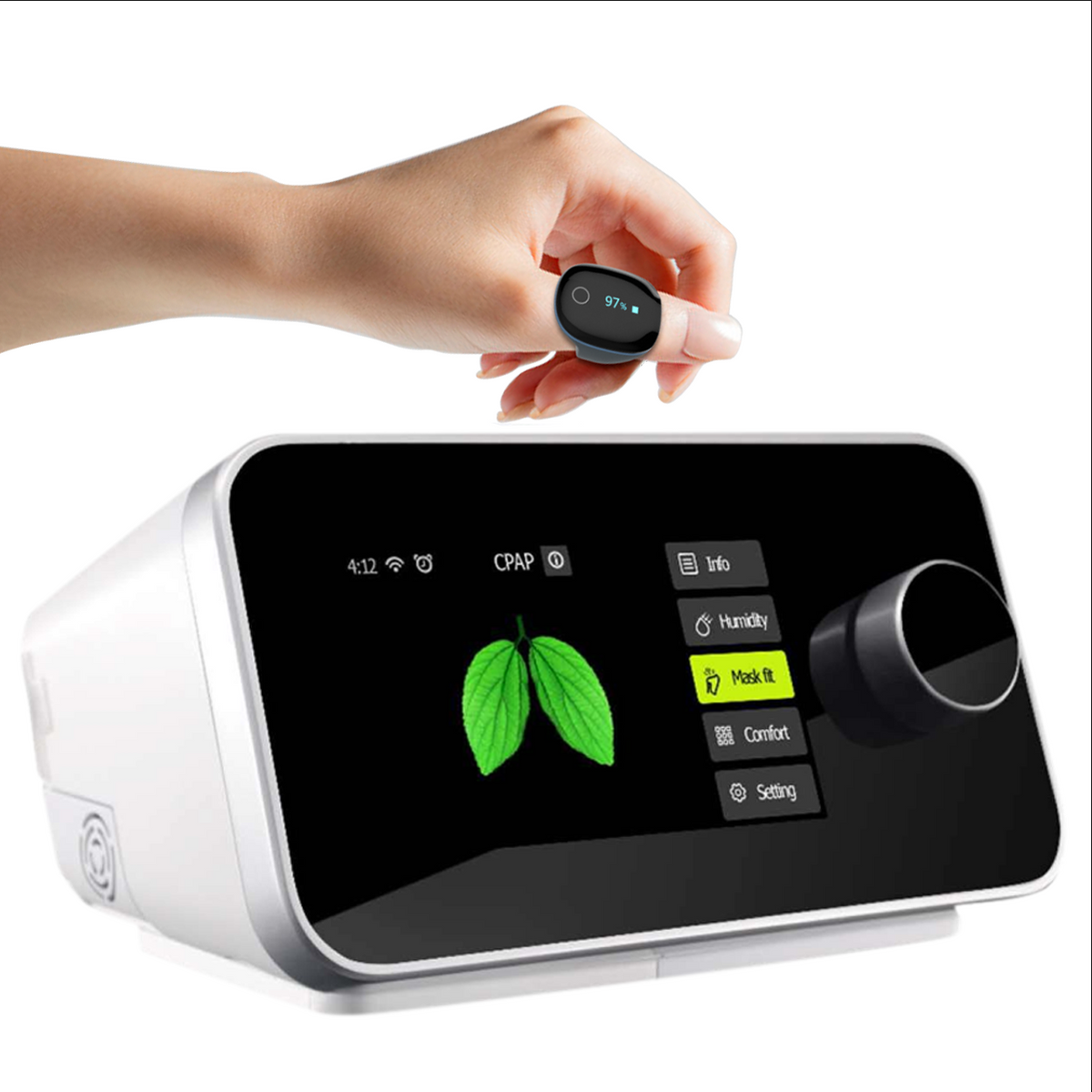 For those who want the added peace of mind of overnight oxygen monitoring, the Auto BiPAP Machine + O2Ring bundle is a compelling option. It combines all the comfort and adaptability of the iBreeze with continuous SpO2 monitoring, making it easy to spot potential issues in real time. While you’ll need to invest time in setup and data sync, the result is a more complete view of your therapy—ideal for users with complex needs or those wanting extra assurance that their therapy is working as intended.
Auto BPAP Machine Unit
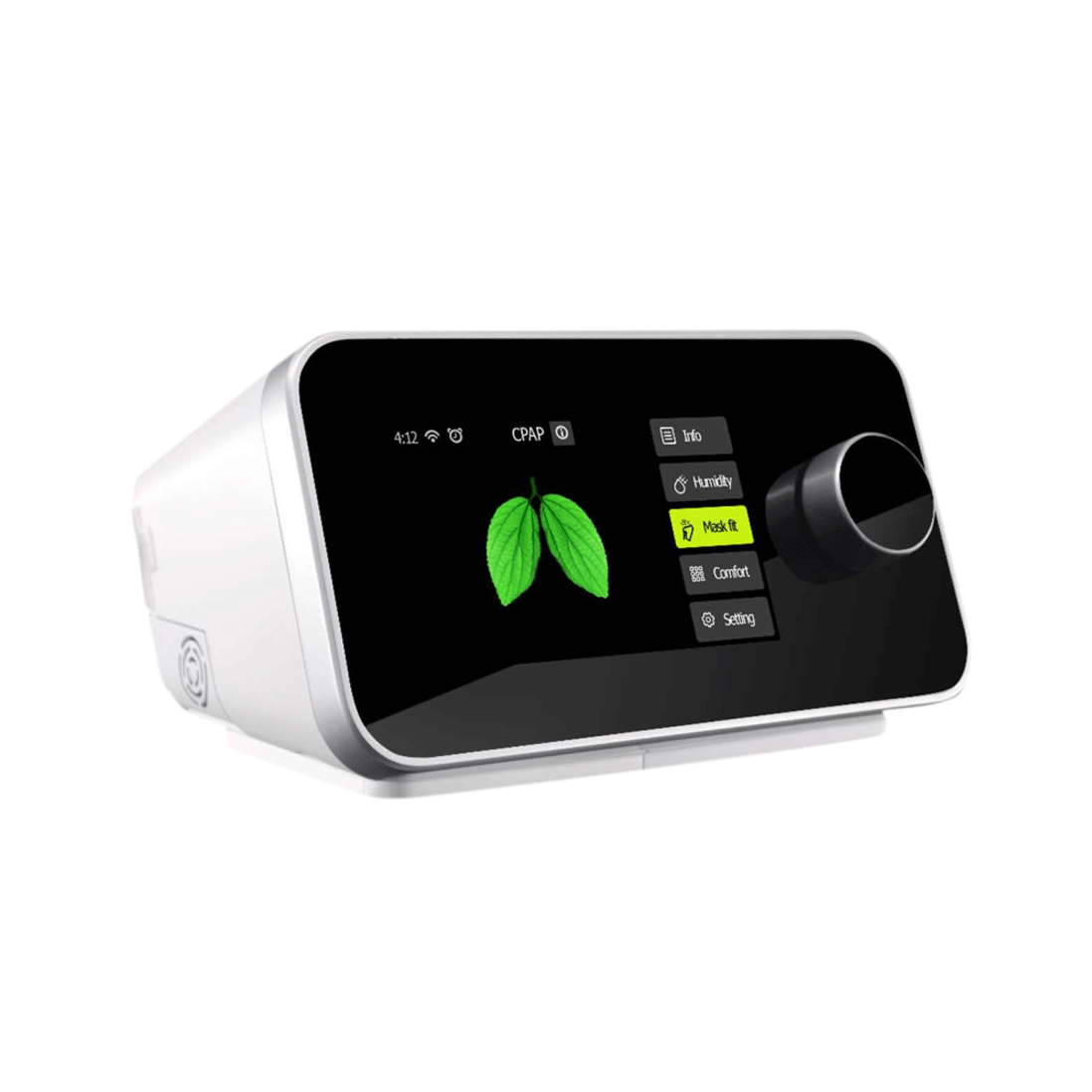 The Auto BPAP Machine Unit offers the same reliable performance and pressure flexibility as the other iBreeze models but is best for those who already have a preferred mask or want to customize their setup piece by piece. It’s a good choice for experienced users looking to upgrade or replace a current device. As with the other models, expect a short learning curve while you dial in your settings for optimal comfort and leak management.
Comparison Table: Sleep Therapy Devices for Side Sleepers (2026)
| Device | Pressure Mode | Mask Compatibility | Leak Management | Comfort Features | Setup Ease | Best For | Review | Buy |
|---|---|---|---|---|---|---|---|---|
| Auto-adjusting (BiPAP) | Full face, nasal | Detailed leak reports | Humidifier, ramp, quiet | Moderate (mask fit required) | Most side sleepers | Shop | ||
| Auto-adjusting (BiPAP) | Full face, nasal | Leak/oxygen monitoring | Humidifier, ramp, SpO2 | Moderate (extra setup) | Side sleepers wanting O2 data | Shop | ||
| Auto-adjusting (BiPAP) | Customizable | Leak tracking | Humidifier, ramp, quiet | Moderate (advanced users) | Experienced users | Shop |
How to Choose: Decision Guide for Side Sleepers
Which Sleep Therapy Machine Should I Buy?
If you’re a new user or have struggled with leaks, an auto BiPAP like the iBreeze is a safe starting point for most side sleepers. For those who want real-time insight into their oxygen levels, the O2Ring bundle is a worthwhile upgrade. Experienced users who already have a mask preference may prefer the standalone BPAP unit for customization. Ultimately, the best device is the one you’ll use consistently and comfortably.
Personalizing Device Choice: Tradeoffs for Comfort vs. Support
Consider whether you value comfort features (like humidification and quiet operation) over granular data tracking or customization. Side sleepers who toss and turn benefit most from flexible, auto-adjusting pressure. Those with more stable needs can sometimes get by with simpler setups.
When to Consider a BiPAP Over CPAP or APAP
If you’ve tried CPAP and still struggle with mask leaks, discomfort, or variable breathing through the night, upgrading to an auto BiPAP is a logical next step. These devices are especially useful for users with complex sleep apnea or those needing different inhale and exhale pressures.
If you’re unsure: Start with a device that offers both flexibility and clarity—like the iBreeze Auto BiPAP. If you value extra data or have a history of low oxygen, the O2Ring bundle is hard to beat. Remember, comfort and consistency are more important than chasing every advanced feature.
Setup, Maintenance, and Troubleshooting Tips
Device Setup & How-To Guide for Side Sleepers
- Unbox and assemble your device per the manufacturer’s instructions.
- Choose a mask suited for side sleeping—typically low-profile nasal or full-face masks with flexible headgear.
- Use the fit and leak test modes to ensure a good seal, lying on your side as you would during sleep.
- Adjust humidification and comfort settings incrementally; too much humidity can cause condensation, too little may dry your airway.
CPAP Mask Leak Troubleshooting
- Check mask fit while lying on your side. Reposition or tighten as needed.
- Inspect the mask cushion for wear or residue.
- Consult your device’s leak report to identify problem periods overnight.
- Replace mask or cushions regularly per manufacturer guidelines.
Cleaning and Maintenance Essentials
- Clean mask, tubing, and water chamber daily or as directed.
- Check filters monthly and replace as needed.
- Store your device in a location safe from dust and direct sunlight.
Understanding Device Reports and Monitoring Your Progress
Reading Device Reports: What to Track for Side Sleepers
Monitor nightly usage, leak rates, and therapy effectiveness. Side sleepers should pay special attention to leak data—frequent or high leaks may mean it’s time to adjust your mask or settings.
Integrating Overnight Oxygen Monitoring
The O2Ring integration allows for continuous oxygen saturation tracking. This is particularly valuable for those who want assurance beyond standard CPAP therapy data.
When to Talk to Your Provider
If you experience persistent discomfort, high leak rates, or abnormal oxygen readings, share your device reports with your healthcare provider. They can help fine-tune your setup or recommend next steps.
FAQs
- Which sleep therapy device is best for side sleepers: CPAP, APAP, or BiPAP?
- Auto BiPAP and APAP devices offer the flexibility most side sleepers need. BiPAP is best for those with complex needs or persistent leaks.
- How do I prevent mask leaks when sleeping on my side?
- Choose a mask designed for side sleeping, fit it while lying on your side, and review leak reports to adjust as needed.
- What features should I look for when buying a sleep therapy machine for side sleeping?
- Prioritize auto-adjusting pressure, quiet operation, mask compatibility, leak management, and comfort features like humidification.
- How often should I clean and maintain my sleep therapy device?
- Clean mask and tubing daily or as directed; replace filters monthly; check for wear regularly.
- Can I use overnight oxygen monitoring with my sleep therapy device at home?
- Yes, devices like the iBreeze with O2Ring bundle provide integrated overnight oxygen monitoring for home use.
Further Reading & Related Device Guides
- Comparing Blood Pressure Monitors: What to Look For
- What Do 24 Hour Blood Pressure Monitors Look Like?
- Blood Pressure Monitor Readings Meaning
Summary: For side sleepers, a flexible, auto-adjusting device with reliable mask fit is the cornerstone of successful therapy. The Wellue iBreeze Auto BiPAP is my top pick for its comfort, adaptability, and user-friendly tracking. If you want to monitor your oxygen overnight, the O2Ring bundle is a smart upgrade. Prioritize comfort and consistency, and you’ll be well on your way to better, uninterrupted sleep.