Quick take
We break down who this device is best for, what it measures, and how it compares in the market.
Best CPAP Mask for Side Sleepers: Comfortable, Leak-Free Sleep Solutions
Many people with sleep apnea find side sleeping more comfortable or natural—but this position brings its own set of challenges when using CPAP therapy. An ill-fitting mask can shift, break the seal, or cause air leaks, disrupting both therapy and sleep. If you’re searching for the best CPAP mask for side sleepers, comfort and a dependable seal should be your top priorities. Let’s walk through what to look for, which styles work best, and how to optimize your setup for truly restorative rest.
Key Takeaways
- Side sleepers need CPAP masks that maintain a secure seal and minimize bulk to prevent air leaks.
- Nasal masks and nasal pillow masks are generally the most comfortable and effective options for side sleeping.
- Proper adjustment, routine maintenance, and choosing the right pillow can further improve mask fit and sleep quality.
- Regularly reviewing device reports helps ensure ongoing therapeutic effectiveness and comfort.
Introduction: Why Mask Fit Matters for Side Sleepers
The unique challenges of side sleeping with CPAP
Side sleeping puts extra pressure on the mask and headgear, making it more likely that your seal will shift or break. This can lead to noisy leaks, dry eyes, and less effective therapy. For many, discomfort from a bulky or rigid mask is enough to disrupt sleep altogether.
Impact of mask fit, comfort, and leak prevention
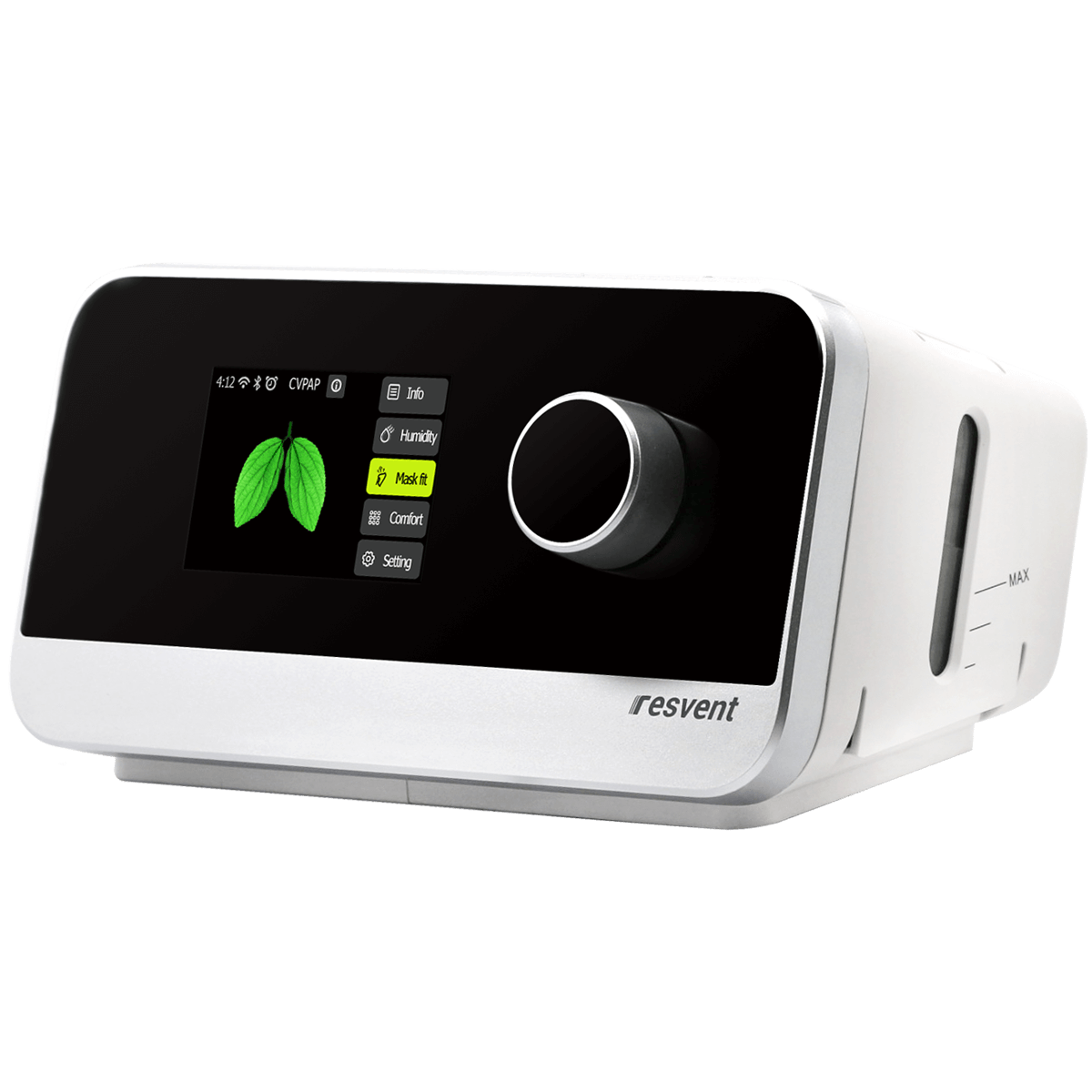
Even the most advanced CPAP machines, like the Auto-CPAP / APAP Machine, rely on a well-fitted mask to deliver effective therapy. A secure yet gentle fit is crucial for uninterrupted sleep and optimal oxygenation.
What Makes a CPAP Mask Ideal for Side Sleepers?
Essential features for side sleeping
Look for masks with soft, adaptive cushions that flex rather than dig in. Minimal-contact frames and lightweight designs are less likely to get dislodged during movement. Adjustable headgear is also key for finding a comfortable, personalized fit.
How side position affects air leaks and pressure consistency
When you lie on your side, your pillow and the mattress can press against the mask, causing the seal to break and air to escape. This not only reduces therapeutic effectiveness but can also lead to pressure inconsistencies and discomfort.
Balancing comfort and effectiveness for uninterrupted sleep
The best CPAP mask for side sleepers offers a blend of stability, softness, and adjustability. It should stay in place without over-tightening, ensuring you get the full benefit of your therapy all night long.
Types of CPAP Masks: Pros and Cons for Side Sleepers
- Nasal masks: Typically a top choice for side sleepers. They cover only the nose, offer a good balance between stability and minimal contact, and work well with most pillow types.
- Nasal pillow masks: The least obtrusive option, these rest just at the nostrils and have a very low profile—excellent for minimizing bulk and reducing leak risk.
- Full face masks: Usually bulkier, making them less ideal for side sleeping unless you need mouth breathing support. Some newer, slim-profile designs are more suitable, but leaks can be an issue.
Comparing mask styles side by side can help clarify which is best for your needs:
| Mask Type | Best For | Pros | Cons | Winner for Side Sleepers? |
|---|---|---|---|---|
| Nasal Mask | Most side sleepers | Good seal, moderate bulk, works with most pillows | Not ideal for mouth breathers | ✔️ |
| Nasal Pillow Mask | Active side sleepers, minimalists | Very low profile, least contact, minimal leaks | Not for high pressures or nasal issues | ✔️ |
| Full Face Mask | Mouth breathers, nasal congestion | Allows mouth breathing, stable at high pressures | Bulky, more prone to leaks when side sleeping | ❌ (except for specific needs) |
Top CPAP Mask Recommendations for Side Sleepers
Expert picks: Comfortable CPAP masks for side sleeping
For most side sleepers, a well-designed nasal or nasal pillow mask is the best bet. Look for models that offer soft silicone cushions, lightweight frames, and flexible tubing attachments to reduce pulling and pressure points.
Features to look for
- Adjustable, soft headgear for custom fit
- Minimal contact frames to avoid facial marks
- Swivel elbows or flexible tubing for freedom of movement
User feedback: Real-world comfort and reliability
Users consistently rate nasal and nasal pillow masks as the most comfortable CPAP masks for side sleeping. Reports mention fewer leaks, less skin irritation, and greater ease in shifting positions through the night.
How to Achieve a Leak-Free, Comfortable CPAP Fit
- Fit your mask while lying on your side, not sitting up—this mimics real sleep conditions.
- If you notice leaks, gently adjust the straps rather than over-tightening, which causes discomfort and still may not solve the problem.
- Use a CPAP-friendly pillow with cutouts or a contoured edge to minimize pressure on the mask.
Maintaining CPAP Mask Performance: Cleaning and Longevity
Routine cleaning is essential for hygiene and comfort. Wash the cushion and frame daily with mild soap and water, and let them air dry completely. Regularly check for signs of wear—if the seal feels loose or you notice more leaks, it’s time to replace the cushion or mask.
Reading and Understanding Your Device Reports
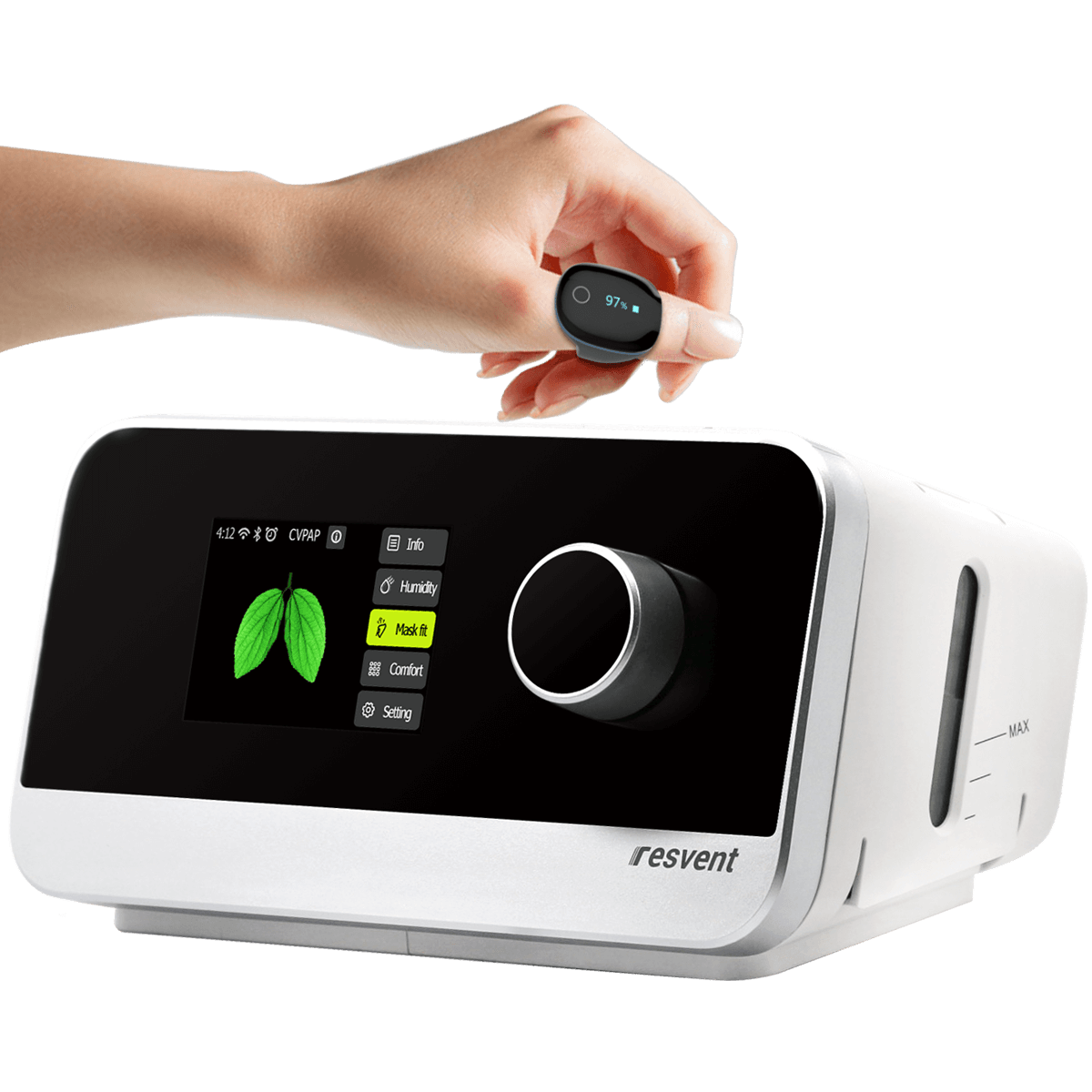
Modern machines like the Auto-CPAP / APAP Machine + O2Ring provide detailed data on leak rates and mask fit. Consistently high leak rates mean your mask may not be ideal for your sleeping style, or it needs adjustment or replacement. Reviewing these reports regularly helps ensure your therapy remains effective and comfortable.
Who This Is For
This guide is for side sleepers seeking CPAP mask recommendations that prioritize comfort, leak prevention, and a secure seal. Whether you’re new to therapy or looking to upgrade, choosing the right mask can make a world of difference in your sleep quality.
If you're unsure: Start with a nasal or nasal pillow mask unless you require a full face style for mouth breathing. Try fitting your mask in your normal sleep position, and pay attention to leak data in your device reports. If leaks or discomfort persist, consider a different mask style or headgear configuration.
Conclusion: Choosing the Best CPAP Mask for Your Side Sleeping Needs
For most side sleepers, a nasal or nasal pillow mask with soft, adaptable cushions and a minimal profile is the best way to achieve a comfortable, leak-free night. Prioritize a snug but gentle fit, review your sleep therapy data, and don’t hesitate to try a new mask if leaks or discomfort get in the way. For those who need both flexibility and advanced therapy features, the Wellue Auto-CPAP / APAP Machine lineup is a reliable foundation for your sleep therapy journey. As an alternative, pairing your machine with the O2Ring adds another layer of insight for those who want to track their oxygen levels overnight.