Quick take
We break down who this device is best for, what it measures, and how it compares in the market.
Best BiPAP Machine for Home Therapy: A 2026 Buyer’s Guide
For anyone managing complex sleep apnea, COPD, or other respiratory conditions at home, finding the right BiPAP machine can be critical to both comfort and therapy success. With modern devices offering smart features, integration with oxygen monitors, and more intuitive controls than ever, your choice in 2026 has never been more important—or more confusing. This guide cuts through the noise, spotlighting which sleep therapy machine you should buy, what to check before buying a BiPAP machine, and how to make sense of the available options for real-world home use.
Key Takeaways
- BiPAP machines deliver dual pressure support, easing nighttime breathing for those with complex sleep or respiratory needs.
- Top criteria: pressure adjustability, comfort features, humidification, and therapy data tracking.
- The iBreeze Auto BiPAP leads in 2026 for its blend of advanced tech and ease-of-use.
- Comparing CPAP, APAP, and BiPAP helps clarify which sleep therapy machine you should buy for your specific situation.
- Consistent setup, cleaning, and monitoring are essential for safe, effective home therapy.
Who This Is For
This guide is for adults diagnosed with sleep apnea or respiratory insufficiency who want to manage therapy at home. It's also valuable for caregivers comparing CPAP vs BiPAP comfort, as well as anyone asking, "is BiPAP machine worth buying if I already have a CPAP?" If you're a side sleeper, require advanced pressure modes, or want to integrate overnight oxygen monitoring, you'll find actionable advice below.
Understanding BiPAP Machines: What Makes Them Different?
BiPAP vs CPAP vs APAP: Core Differences and Comfort Comparison
BiPAP (Bilevel Positive Airway Pressure) machines provide two distinct pressure levels—higher for inhalation, lower for exhalation. This reduces the work of breathing, especially for people who find single-pressure CPAP uncomfortable or for those with specific respiratory challenges. APAP (Auto-Adjusting Positive Airway Pressure) offers automatic pressure adjustment, but still only a single pressure track. Many side sleepers or those with variable needs find BiPAP more comfortable than CPAP, particularly if exhalation pressure is a struggle (a frequent issue with basic CPAPs).
Who Should Consider a BiPAP for Home Sleep Therapy?
BiPAP is generally ideal for people with moderate to severe obstructive or central sleep apnea, obesity hypoventilation, or those who fail CPAP trials. If your provider suggests dual-level support or you need extra comfort, BiPAP is often the better fit. Ask your clinician about eligibility and requirements before purchasing.
Is a BiPAP Machine Worth Buying for Home Use?
If you struggle with exhaling against pressure or have not achieved results with CPAP or APAP, a BiPAP machine is usually worth considering. Many users report better sleep quality and adherence, especially when advanced comfort settings are available. However, BiPAPs are more complex and typically require a prescription and close follow-up.
Essential Features to Check Before Buying a BiPAP Machine
Pressure Adjustability and Comfort Settings
Look for machines with auto-adjusting pressure, flexible mode selection (ST, Auto-ST), and fine-tunable rise time. Comfort features like exhalation relief and ramp settings directly impact nightly therapy comfort—especially for new users and side sleepers.
Humidification, Mask Fit, and Side Sleeper Considerations
A quality integrated humidifier reduces dryness and congestion. The ability to fit a full face mask or nasal mask is important—side sleepers should confirm mask stability and minimal leak. Some BiPAPs offer mask fit check modes for easier setup.
Smart Monitoring, Data Reports, and Integration with Overnight Oxygen Monitors
Modern BiPAPs track usage, leak rates, and efficacy data. Some integrate with apps or connect to overnight oxygen monitors (such as Wellue's O2Ring) for comprehensive home assessment. Always check if you can easily access and interpret device reports.
Shortlist: Top BiPAP Machines for Home Therapy in 2026
iBreeze Auto BiPAP: Technology Overview and Key Benefits
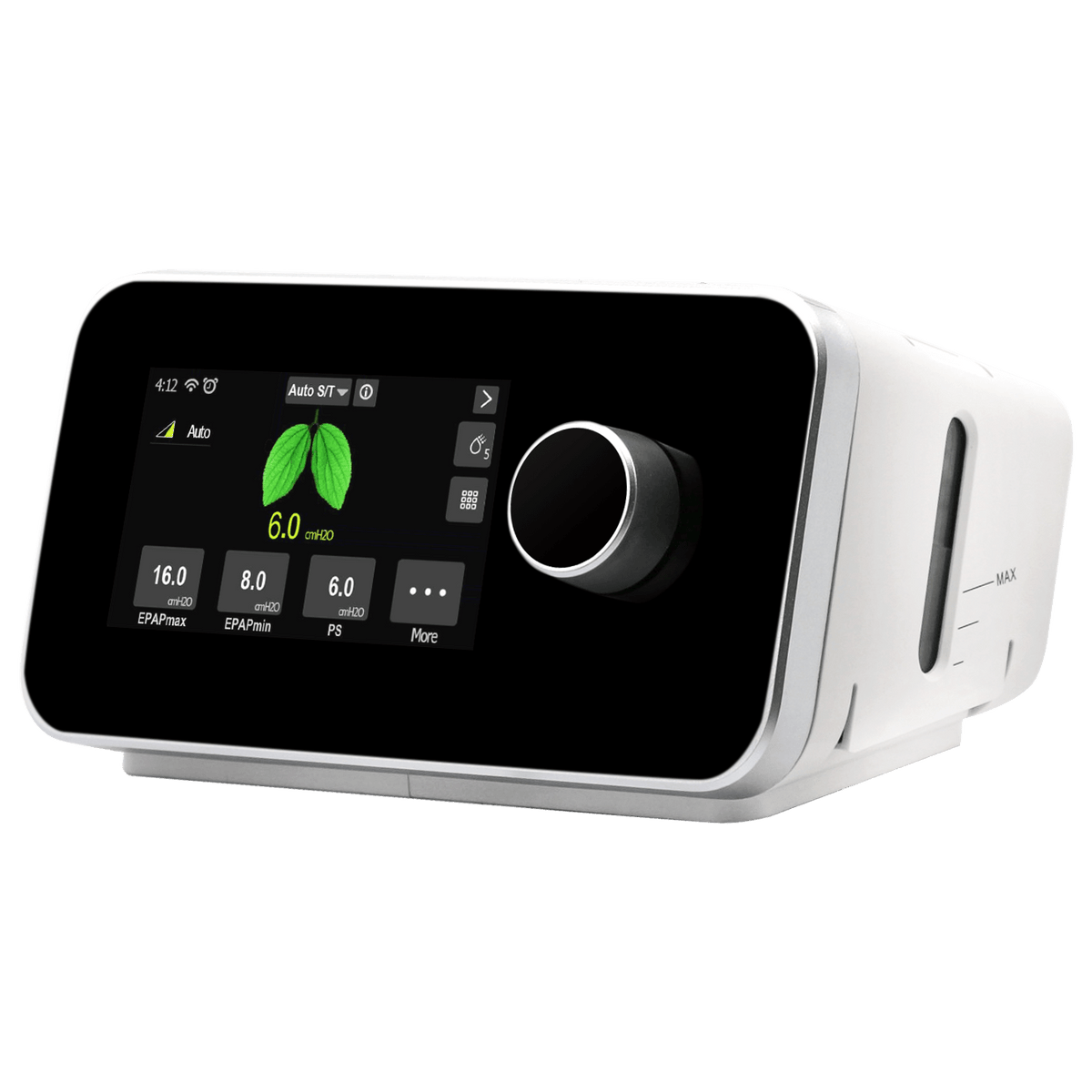
The iBreeze Auto BiPAP is a standout for those seeking user-friendly setup, flexible pressure modes, and integrated therapy tracking. It features auto-adjusting pressure support, ST and Auto-ST modes for more complex needs, and a built-in humidifier. Nightly data is accessible via device or app, so you can monitor trends and share reports with your provider. One limitation: first-time users may need setup guidance to ensure proper mask fit and comfort. For someone managing moderate to severe sleep apnea at home—especially if nightly comfort and remote data sharing matter—the iBreeze is a strong choice.
iBreeze Auto BiPAP + O2Ring
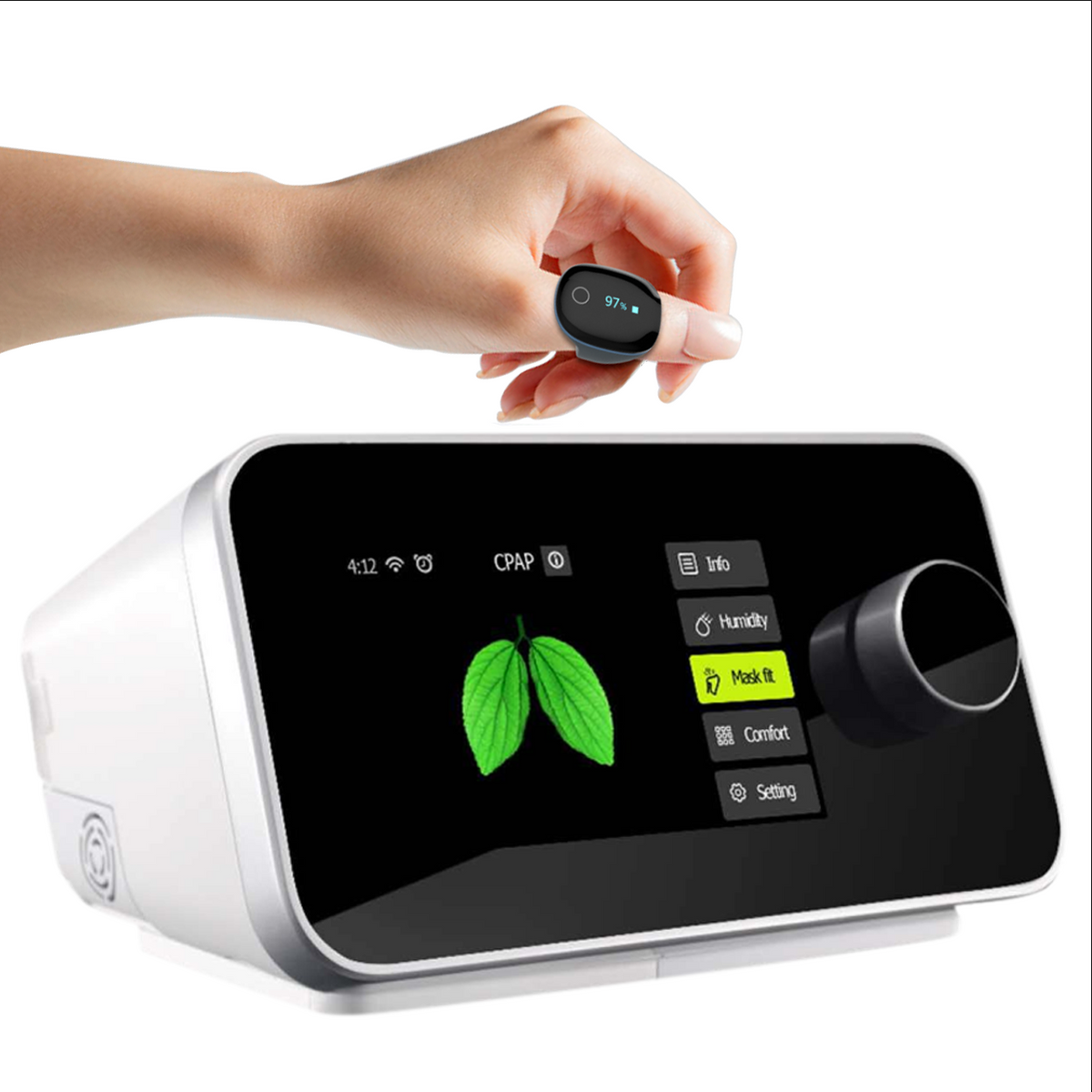 If you require tight integration of sleep therapy with overnight oxygen monitoring, the iBreeze Auto BiPAP + O2Ring bundle is hard to beat. It combines all the features of the standalone iBreeze with continuous overnight oxygen saturation tracking via a comfortable ring sensor. This pairing is best for users whose clinicians recommend ongoing oxygen trend tracking or who want an extra layer of insight into their home therapy. The tradeoff is learning to sync and review both device and O2Ring reports, which may add a mild learning curve for tech-averse users.
Auto BiPAP Machine Unit
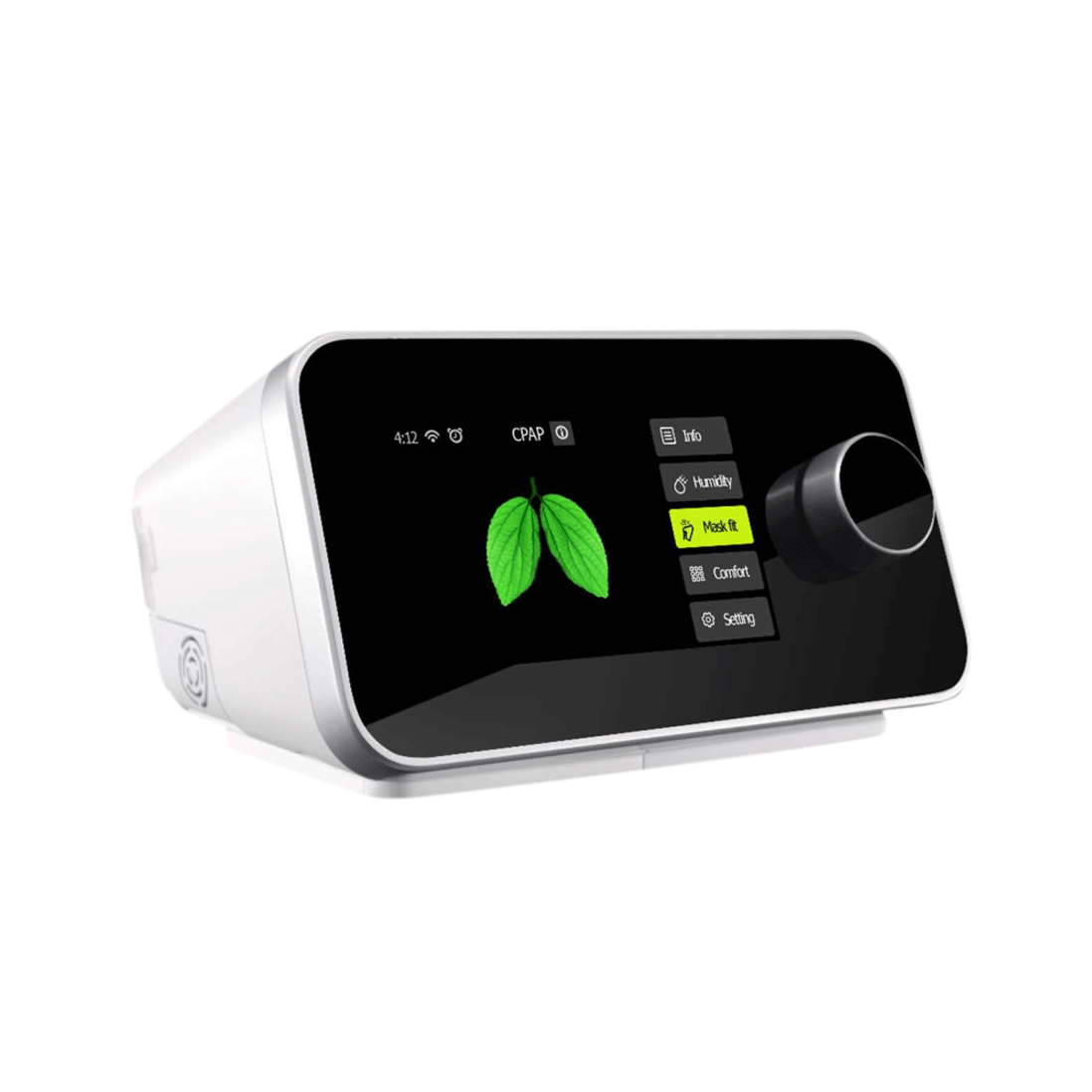 The Auto BiPAP Machine Unit focuses on simplicity and core therapy. It delivers the same auto-adjusting, dual-level pressure support as the main iBreeze series, along with therapy data and a quiet bedside design. This machine is best for users who want robust nightly therapy without additional oxygen integration. Setup support is still important, especially for new users adjusting to BiPAP comfort modes.
Which Sleep Therapy Machine Should I Buy? Decision Points
If you’re unsure, start with these cues: choose BiPAP if you need dual pressure support or failed CPAP trials. Consider integrated oxygen monitoring if you or your provider want detailed overnight oxygen data. Prioritize models with clear data access and flexible comfort settings if you’re a side sleeper or value nightly comfort above all.
BiPAP Machine Comparison Table: Actionable Criteria
| Model | Best For | Modes | Humidifier | Oxygen Monitor | Comfort Features | Reports | Price Range | Where to Buy |
|---|---|---|---|---|---|---|---|---|
| Advanced home therapy | Auto, ST, Auto-ST | Yes | Optional | Ramp, exhale relief | Device + App | $$ | ||
| Therapy + O2 tracking | Auto, ST, Auto-ST | Yes | Bundled | Ramp, exhale relief | Device + App | $$ | ||
| Basic therapy | Auto, ST, Auto-ST | Yes | No | Ramp, exhale relief | Device + App | $$ |
CPAP vs BiPAP vs APAP: Home Use, Comfort, and Value
| Device Type | Best For | Pressure | Comfort | Value | Actions |
|---|---|---|---|---|---|
| Mild-moderate OSA | Single, fixed (or ramp) | Basic (may be challenging for some) |
Most affordable | ||
| Variable needs | Auto-adjust, single level | Moderate (adapts to changes) |
Mid-range cost | ||
| Complex apnea, exhale difficulty | Dual-level, auto or manual | Best for exhalation comfort and side sleepers |
Higher cost, more features |
Setup, Use, and Maintenance: Practical How-To Guide
Prescription Requirements and Home Setup Steps
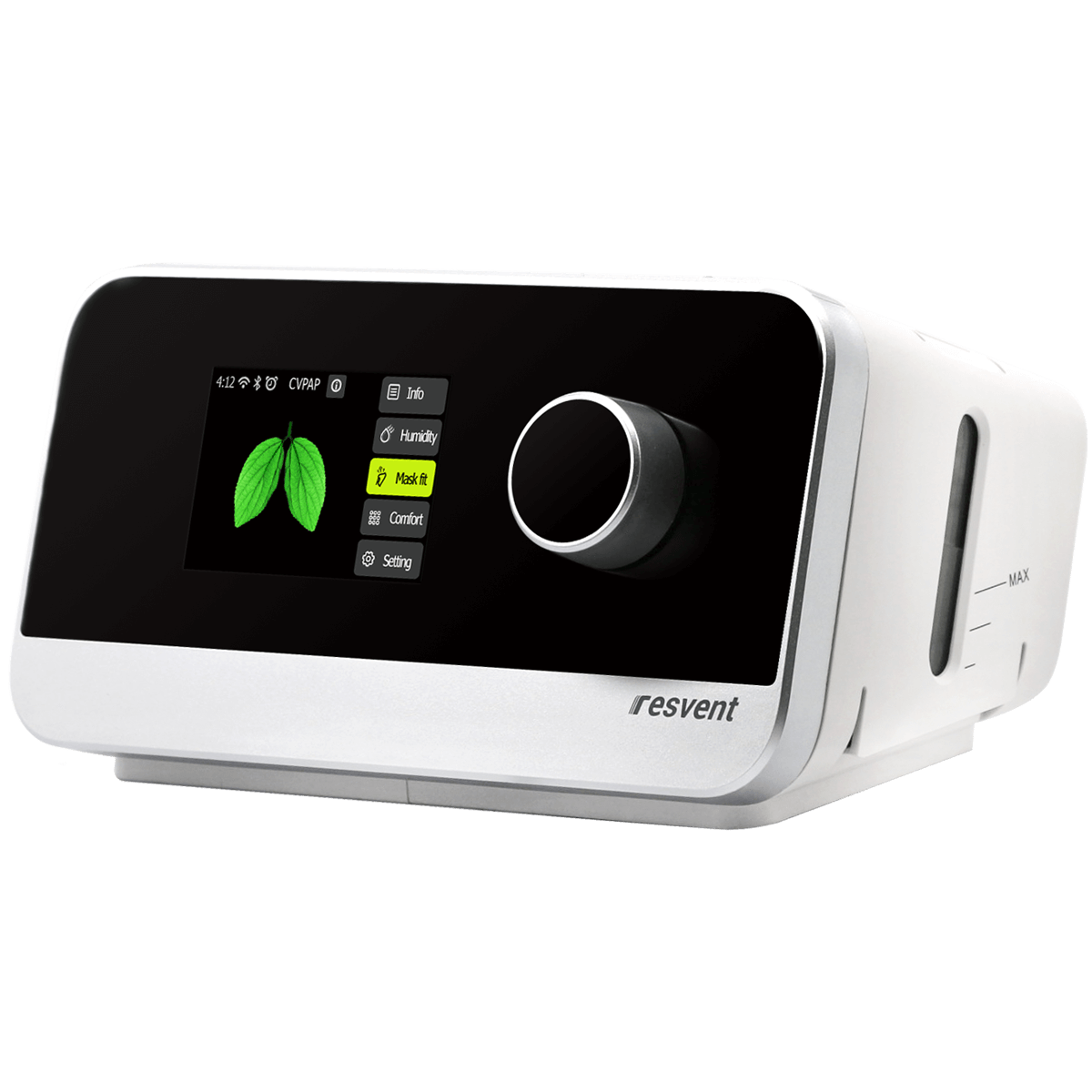
BiPAP machines are regulated medical devices (see FDA guidance); you’ll need a prescription. Once approved, select a compatible mask (full face or nasal) and follow the included setup guide. Most users find initial mask fit and humidity settings need a bit of tweaking for optimal comfort—don’t hesitate to ask your provider or supplier for help.
Reading Device Reports: What to Look For
Focus on nightly usage hours, leak rates, and therapy efficacy (AHI, pressure trends). Many apps display charts and offer summary stats you can share with your clinician. If you use an O2 monitor, compare oxygen saturation trends alongside therapy data to get a fuller picture.
Device Cleaning, Maintenance, and Safety Tips
Clean your mask, tubing, and humidifier chamber weekly with mild soap and water. Replace filters and masks per manufacturer recommendations. Regular cleaning reduces infection risk and keeps your device running smoothly. Always unplug before cleaning and check for wear or damage monthly.
When to Add Extras: Oxygen Monitoring and Blood Pressure Devices
Best Overnight Oxygen Monitor for Home Use
The O2Ring by Wellue is a top performer—comfortable, easy to pair with your BiPAP, and provides overnight trend data via app. It’s especially useful if your provider wants to monitor for silent hypoxia or evaluate therapy effectiveness at home.
What Does a 24 Hour Blood Pressure Machine Look Like?
A 24-hour ambulatory blood pressure monitor typically consists of a lightweight cuff and small recording unit worn on the arm. It cycles automatically, recording readings day and night. If you have hypertension or heart risk factors, your provider may recommend this alongside sleep therapy to track blood pressure changes across sleep and waking hours (NHLBI).
Summary: Choosing the Best BiPAP for Your Home Therapy Needs
The iBreeze Auto BiPAP stands out in 2026 for advanced pressure modes, comfort, and robust home data tracking—making it a smart choice for most home users navigating complex sleep therapy. If you require integrated overnight oxygen tracking, the iBreeze + O2Ring bundle brings added value. For basic therapy without extras, the Auto BiPAP Machine Unit is a reliable alternative. Always consult your provider before purchasing and focus on comfort, data access, and support for long-term success at home.
Frequently Asked Questions
- Which sleep therapy machine should I buy: CPAP, APAP, or BiPAP?
- What should I check before buying a BiPAP machine for home use?
- Is a BiPAP machine worth buying if I already have a CPAP?
- How do I read and interpret sleep therapy device reports at home?
- What accessories or monitoring devices are recommended for home sleep therapy?