Quick take
We break down who this device is best for, what it measures, and how it compares in the market.
CPAP vs BiPAP Comfort Comparison for Home Sleep Therapy (2026)
Key Takeaways
- BiPAP machines offer separate inhalation and exhalation pressures, often improving comfort for those sensitive to standard CPAP pressure.
- Mask fit, humidification, and ramp features are crucial for overall sleep therapy comfort.
- Choosing between CPAP or BiPAP for comfort depends on your specific needs, breathing patterns, and pressure tolerance.
- Modern devices from both categories now support auto-adjusting pressure, data tracking, and quiet operation for home use.
Introduction: The Importance of Comfort in Home Sleep Therapy
For many people, treating sleep apnea or chronic snoring at home starts with a simple question: will I actually sleep better with this device? Comfort isn’t just a preference—it’s the foundation for consistent, effective sleep therapy. If your machine keeps you awake, it can’t help you. That’s why understanding the differences in comfort between CPAP and BiPAP is essential for anyone choosing a sleep therapy device for home use.
Why Comfort Matters for Effective Sleep Apnea Treatment
Consistent use of a sleep therapy device is clinically shown to improve outcomes, but only if you can tolerate it night after night. Poor comfort is the most common reason people abandon therapy. That’s why the debate—CPAP vs BiPAP comfort comparison—matters so much for real-world users.
How CPAP and BiPAP Machines Work
Basic Principles: CPAP vs BiPAP Airflow Delivery
CPAP (Continuous Positive Airway Pressure) delivers a single, continuous air pressure to keep your airway open. BiPAP (Bilevel Positive Airway Pressure) alternates between a higher pressure for inhalation and a lower one for exhalation. This distinction is key for comfort, especially for those who find it difficult to exhale against a fixed pressure.
Pressure Settings: Fixed, Auto-Adjusting, and Flexible Pressure
Modern devices, such as the Auto-CPAP/APAP Machine and the Auto BiPAP Machine, feature auto-adjusting pressure. This means the device can sense and dynamically adapt to your needs throughout the night, easing pressure when possible for improved comfort. Flexible pressure technologies, such as exhalation relief, further personalize therapy.
Key Comfort Features: Humidification, Mask Types, and Noise Levels
Integrated humidifiers reduce dryness and irritation, while mask selection (nasal, full-face, or nasal pillows) lets users tailor fit and feel. Both CPAP and BiPAP from reputable brands now operate quietly, minimizing sleep disruption for you and your partner.
Evaluating Comfort: CPAP vs BiPAP User Experiences
Breathing Ease and Pressure Relief: CPAP or BiPAP for Comfort?
For most users, CPAP’s single pressure is effective and comfortable after an initial adjustment. However, those who struggle with exhaling against steady pressure or who require higher pressure settings often report greater comfort with BiPAP’s dual-pressure approach. This is especially true for people with sensitive breathing patterns or certain respiratory conditions.
Adaptation Period and Initial Adjustment
CPAP machines typically have a shorter learning curve, but BiPAP’s customizable settings can make the transition easier for users who have struggled with CPAP comfort in the past. Most modern machines offer a ramp feature, gradually increasing pressure as you fall asleep.
Comfort Settings: Ramp, Exhalation Relief, and Humidifier Options
Both device types now offer ramp settings, exhalation relief, and adjustable humidification. These settings are essential for maximizing comfort, especially in the first weeks of therapy.
Impact of Mask Choice and Fit on Sleep Quality
A well-fitted mask is as important as the machine itself. Ill-fitting masks lead to leaks, discomfort, and disrupted sleep—regardless of device. Both CPAP and BiPAP machines support a variety of mask styles, so work with your supplier to ensure a secure, comfortable fit.
Comparison Table: Sleep Therapy Device Comfort Features
| Criteria | Auto-CPAP/APAP | Auto BiPAP |
|---|---|---|
| Pressure Delivery | Continuous or auto-adjusting single level (details) |
Bilevel (separate inhale/exhale), auto-adjusting (details) |
| Exhalation Support | Exhalation relief, ramp feature | Enhanced exhalation comfort, highly adjustable |
| Humidification | Integrated, adjustable | Integrated, adjustable |
| Noise Level | Quiet | Quiet |
| Mask Compatibility | Wide range (nasal, full-face, pillows) | Wide range (nasal, full-face, pillows) |
| User Feedback | Preferred for straightforward sleep apnea, easy to use | Preferred for higher pressures, exhalation sensitivity |
| Best For | Most users with standard needs | Users who struggle with CPAP or need extra support |
Which Device is More Comfortable for Home Use?
For typical cases of sleep apnea—especially if you’re new to therapy—an auto-CPAP or APAP is often the easiest starting point. Its simplicity, ramp features, and straightforward setup suit most people’s needs. But if you’ve tried CPAP and find exhaling uncomfortable, or your provider recommends higher pressure support, BiPAP’s dual-pressure design can be a game-changer for comfort.
Who This Is For
- CPAP/APAP: Best for new users, those with mild-to-moderate sleep apnea, or anyone seeking a simple, proven solution.
- BiPAP: Suited for users who need higher pressures, have complex breathing requirements, or have not tolerated CPAP well in the past.
If you’re unsure, ask yourself: Do I wake up feeling air-starved or struggle to exhale with CPAP? BiPAP may offer the comfort solution you need. If you’re new and want a reliable, easy-to-adapt device, CPAP/APAP is likely the place to start.
Other Factors Affecting Long-Term Comfort
Comfort isn’t just about pressure settings. Regular cleaning and maintenance keep your device running quietly and hygienically. Reviewing therapy reports (often via device apps) can help you spot and address comfort issues early. If you continue to struggle, don’t hesitate to contact your provider for a settings review or mask refit.
Product Snapshots
 | |
|---|---|
| |
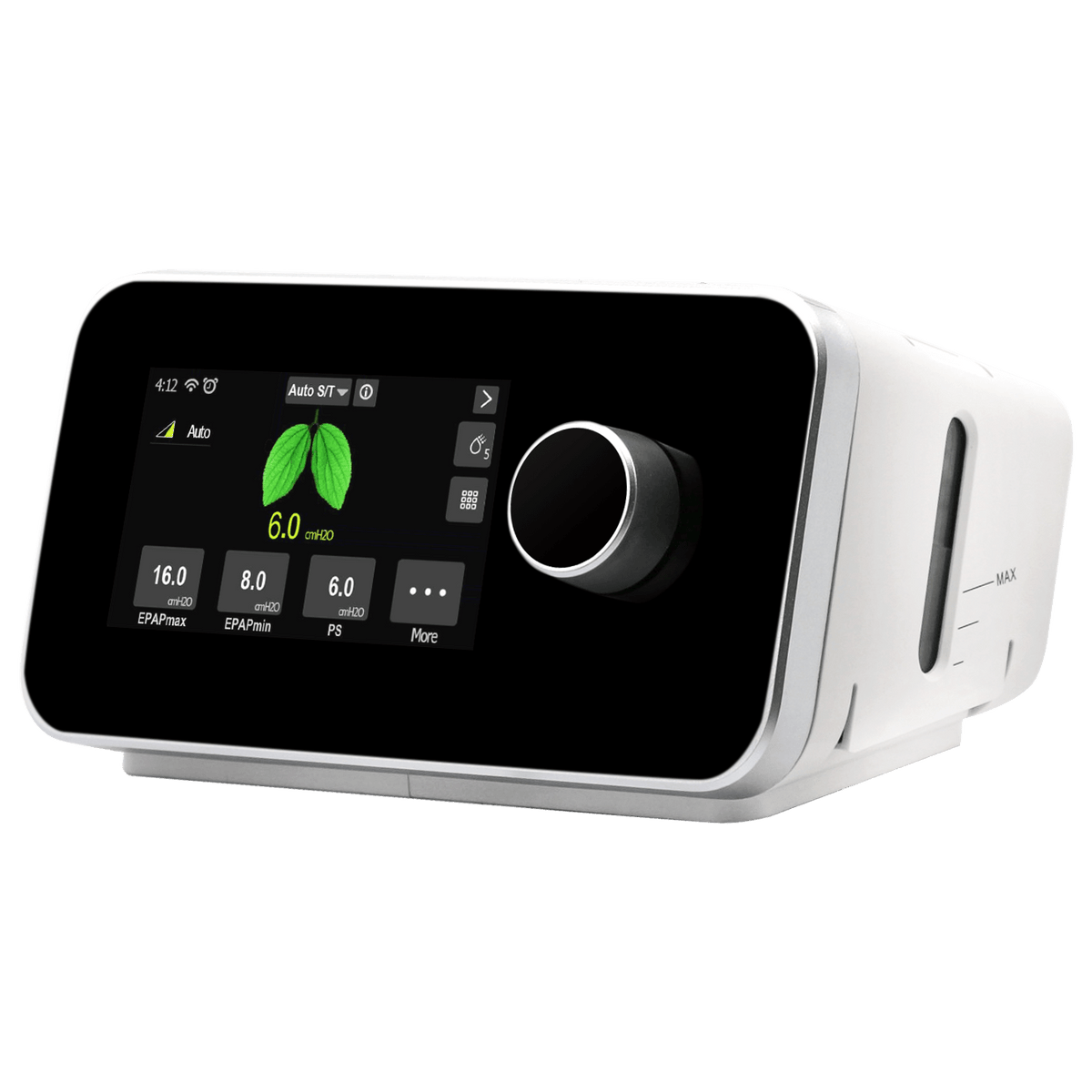
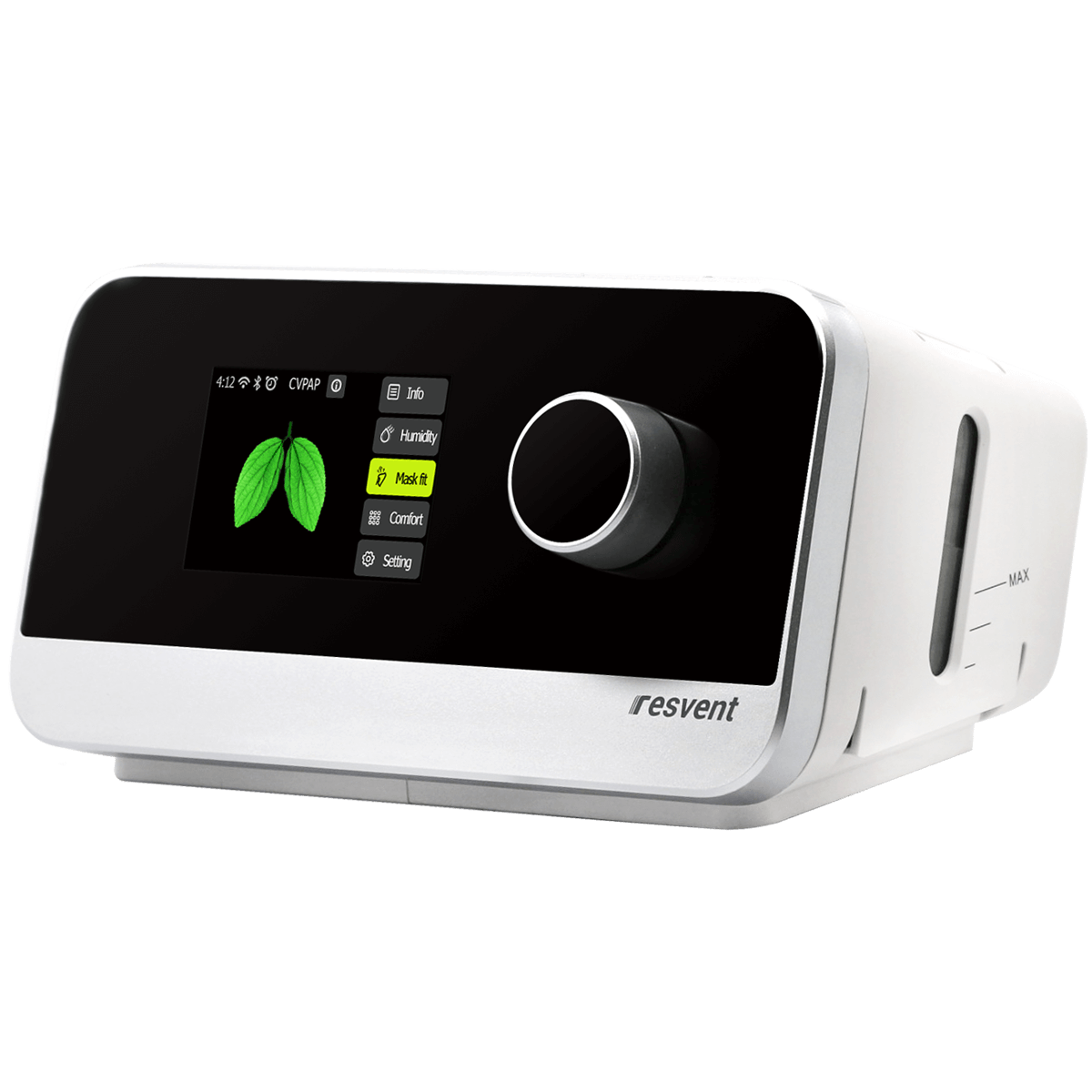
| Auto-CPAP/APAP Machine Best for users seeking a straightforward, proven therapy experience with automatic comfort adjustments. A limitation: initial setup and mask fitting may require some guidance. It supports nightly therapy with quiet operation, ideal for those wanting minimal disruption and simple maintenance. | Auto BiPAP Machine Best for those needing more personalized breathing support or who find CPAP exhalation uncomfortable. One limitation: more complex setup and prescription requirements. In a real-world scenario, users with already high CPAP pressures often report better sleep quality and less effortful breathing after switching to BiPAP. |
Key Takeaways: Choosing Between CPAP and BiPAP for Comfort
- Both device types now offer auto-adjusting pressure, humidification, and modern comfort settings.
- BiPAP is generally more comfortable for users who need high pressure or have trouble exhaling with CPAP.
- Mask choice, fit, and device maintenance all contribute to long-term comfort.
- Consult your sleep specialist for ongoing discomfort or to fine-tune your device settings.
FAQs: Home Sleep Therapy Device Comfort
- Is BiPAP always more comfortable than CPAP for home sleep therapy?
Not always—many users find CPAP or APAP perfectly comfortable. BiPAP is best for those with specific comfort needs not addressed by CPAP. - How do auto-adjusting pressure features improve comfort for sensitive sleepers?
Auto-adjusting pressure tracks your breathing and delivers the minimum effective pressure, reducing discomfort and improving adaptation. - What comfort settings should I look for in a sleep therapy machine?
Look for ramp features, exhalation relief, adjustable humidification, and a quiet motor. - Can mask type make a significant difference in device comfort?
Absolutely. Proper mask fit and style are crucial for minimizing leaks, pressure marks, and discomfort. - When should I talk to my provider if I’m not comfortable with my current machine?
If discomfort persists after trying different settings and mask types, consult your provider for a therapy review.
Further Reading & Next Steps
- See our step-by-step guide: Setting up your home CPAP or BiPAP machine
Choosing between CPAP and BiPAP for comfort is personal—start with your provider’s guidance, your nightly experiences, and the customizable features available in today's devices. For most, an auto-CPAP/APAP is a reliable starting point. For those needing extra support, BiPAP can offer a new level of comfort and restfulness at home.