
Key Takeaways
- The Wellue O2 Ring delivers reliable, continuous overnight oxygen and heart rate monitoring for general wellness.
- Especially valuable for people using CPAP/BiPAP or managing sleep apnea and chronic conditions at home.
- Setup is straightforward, the ring is comfortable for most, and the app provides actionable data summaries.
- Not a substitute for professional medical diagnosis or care—best for self-tracking and awareness, not treatment.
Introduction: Why Overnight Oxygen Monitoring Matters
For anyone managing sleep apnea, using CPAP or BiPAP, or simply concerned about their oxygen levels overnight, home pulse oximetry offers a window into what happens while you’re asleep. Subtle drops in oxygen saturation can slip by unnoticed but may affect your energy, mood, and long-term health. Devices like the Wellue O2 Ring make it possible to spot these trends from the comfort of your own bed—no lab required.
Who Can Benefit from Home Pulse Oximetry?
People with diagnosed sleep apnea, those who suspect breathing issues at night, or anyone adjusting sleep therapy devices at home can benefit from overnight monitoring. The O2 Ring is also popular among users with chronic lung or heart conditions who want peace of mind and actionable data for their day-to-day routines.
Understanding Wellness Tracking vs. Medical Use
It's critical to note: the Wellue O2 Ring is designed for general wellness, not for diagnosing or treating medical conditions. Always consult a healthcare provider if you have concerns about your oxygen or heart rate readings.
What Is the Wellue O2 Ring? Features & Technology
Continuous Overnight Oxygen and Heart Rate Tracking
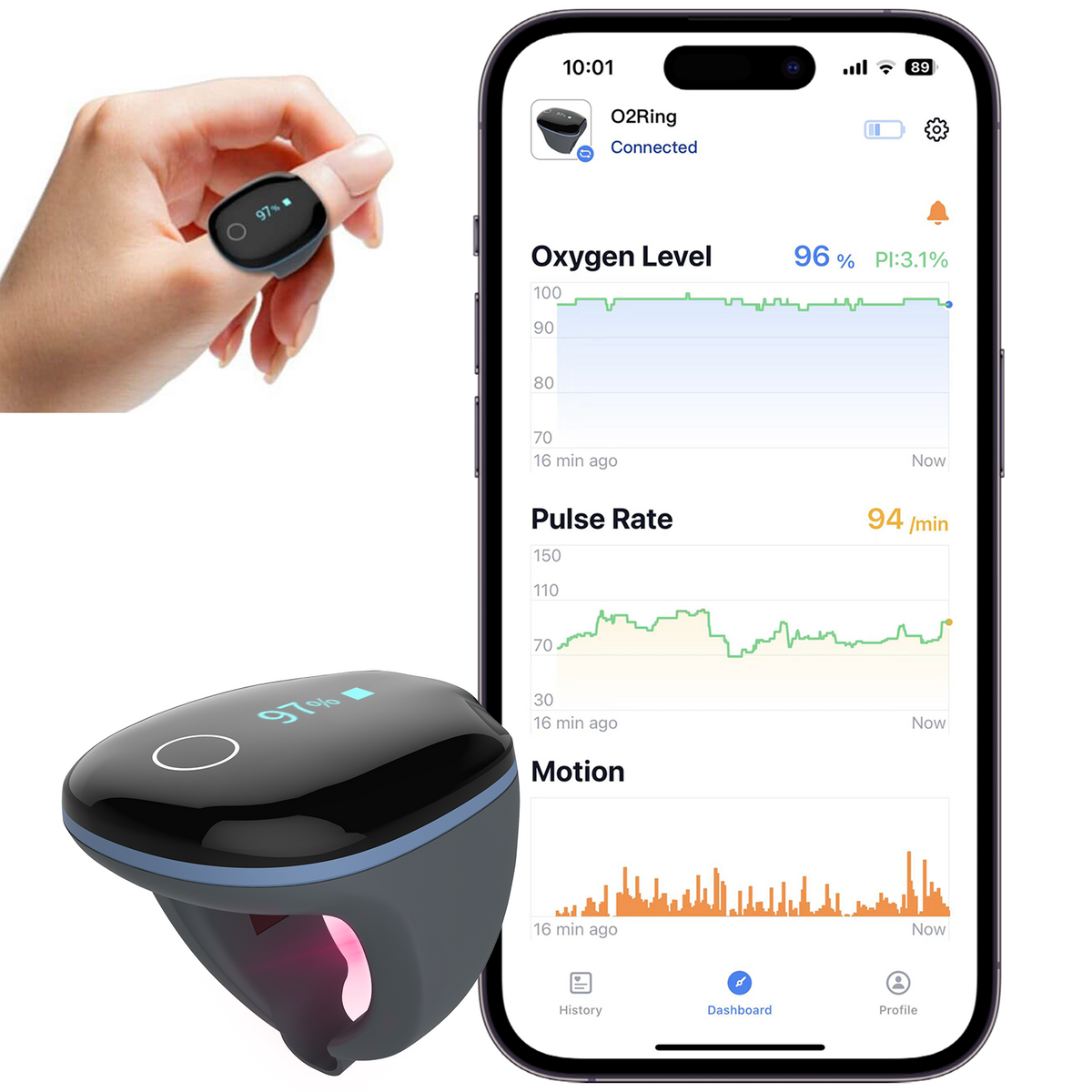
The Wellue O2 Ring is a compact pulse oximeter that fits on your finger like a ring, designed to monitor your SpO2 (blood oxygen saturation) and pulse rate through the night. Unlike spot-check fingertip oximeters, it records data continuously and provides overnight trend reports.
Design: Comfort, Fit, and Wearability
The O2 Ring is soft and lightweight, with a flexible silicone band that adapts to various finger sizes. Most users find it comfortable enough for all-night wear, even those with smaller fingers. Its small size means it's easy to forget you’re wearing it—though that can be a downside if you misplace it.
App Integration and Data Reporting
All overnight data syncs to the Wellue app (iOS/Android) via Bluetooth. The app presents clear graphs and summaries of oxygen trends, pulse rate, and any low-oxygen events. Reports are easy to export, print, or share with your provider—an asset for anyone managing their therapy or tracking symptoms over time.
Setting Up Your Wellue O2 Ring: Step-by-Step Guide
Initial Charging and Device Pairing
Start by charging the ring with the included USB cable until fully powered. Download the Wellue app and follow prompts to pair the O2 Ring to your phone via Bluetooth. The process is quick and doesn’t require technical skill.
How to Wear the O2 Ring Correctly
Place the ring on your finger—typically the thumb or index—for best signal. Ensure the fit is snug but not tight. The sensor should be in direct contact with your skin for accurate readings. For those with very small fingers, the fit may be slightly loose, but most users report a stable connection throughout the night.
Navigating the Wellue App and Exporting Data
After each night, open the app to review your sleep session. You can view detailed graphs or a summary report, and export or print results for your own records or to share with your clinician. Data export is straightforward, supporting both PDF and CSV formats.
User Experience: Real-World Wellue O2 Ring Reviews
Peace of Mind for CPAP, BiPAP, and Sleep Apnea Therapy Users
Many users running CPAP or BiPAP therapy rely on the O2 Ring as a backup: if a mask slips off or a machine disconnects, the ring’s vibration alarm immediately alerts them to a dangerous drop in SpO2. This feature is especially valued by those who tend to remove their mask unconsciously during sleep.
Tracking Oxygen Trends for Chronic Conditions
People managing chronic respiratory conditions or heart issues appreciate being able to monitor their oxygen levels without constant worry. The O2 Ring’s continuous tracking helps users notice patterns—like drops during certain sleep stages or after medication changes—enabling more informed discussions with their provider.
Daily Wear, Sleep Patterns, and Activity Monitoring
Although designed for overnight use, some users wear the O2 Ring during daytime activities to catch low oxygen episodes during walks or exercise. The device is unobtrusive and light enough for most hands, though its small size does make it easy to misplace if you’re not careful.
Overnight Monitoring with Vibration Alarms: What to Expect
How Low Oxygen Alerts Work
The O2 Ring’s vibration alarm is its standout safety feature. If your oxygen falls below a set threshold, the ring vibrates to wake you up—prompting you to adjust your position, mask, or get medical help if needed.
Waking Up When Blood Oxygen Drops
Users report the alarm is strong enough to wake most people, but not so harsh as to disrupt sleep unnecessarily. For those who remove their CPAP mask in the night, this alert can be a literal lifesaver, preventing prolonged hypoxia.
Customizing Alarm Settings for Individual Needs
Alarm settings are adjustable in the app, letting you choose your own SpO2 threshold and vibration strength. This customization ensures that the ring fits a range of preferences and sensitivities.
Understanding and Using O2 Ring Sleep Reports
Interpreting Oxygen Saturation and Heart Rate Trends
Your overnight report shows not just average SpO2 and heart rate, but also how long and how often your oxygen drops below normal. This helps you (and your provider) spot trends related to sleep position, therapy effectiveness, or health changes.
Sharing Reports with Healthcare Providers
Exportable summaries make it easy to share data during appointments or via email. This is particularly useful for those adjusting CPAP settings or tracking therapy results between sleep studies.
Data Export, Printing, and Privacy Considerations
The app supports data export in simple formats, with privacy controls that keep your information secure. Printed reports are clean and easy for providers to interpret.
Device Maintenance: Cleaning, Charging, and Storage
Best Practices for Hygiene and Longevity
Wipe the O2 Ring regularly with a soft, damp cloth. Avoid harsh cleaners or submerging the device. Store it in a safe place when not in use—the compact size makes it easy to misplace.
Battery Life and Daily Charging Tips
The ring generally lasts one to two nights per charge. Make a habit of charging each morning so it’s always ready for the next night.
What to Do If You Lose or Damage the Ring
If you misplace your O2 Ring, consider getting a second unit as backup. Wellue offers a 30-day money-back guarantee if the device isn’t right for you, but accidental damage or loss may not be covered.
Limitations and Who Should Not Rely Solely on the O2 Ring
General Wellness Use vs. Medical Diagnosis
The O2 Ring is designed for wellness and self-tracking, not for diagnosing or managing medical conditions. If you are concerned about your readings, always consult a qualified healthcare provider. For official diagnosis or treatment, a clinical-grade device and professional oversight are necessary.
Understanding FDA Guidance on Home Monitoring Devices
Wellue clearly states this device is for general wellness. The FDA provides guidance on home monitoring devices—always use them as intended and never replace professional care with consumer gadgets.
Is the Wellue O2 Ring Right for You? Pros, Cons, and Alternatives
Who Gets the Most Value from the O2 Ring
The O2 Ring is ideal for people who want overnight oxygen and pulse tracking without bulky wrist straps or wires. It’s a top choice if you use CPAP, have mild sleep-disordered breathing, or want to optimize your sleep environment.
Potential Drawbacks and Considerations
The main limitations: it is not for diagnostic use, may not fit very large or small fingers perfectly, and relies on Bluetooth and app setup. The compact form factor makes it easy to lose if you’re not careful.
Alternative Home Pulse Oximetry Options
For those needing a wrist-based monitor or longer battery life, Wellue’s SleepU Wrist Oxygen Monitor is worth considering. It offers similar tracking but with a different wear style.
Who This Is For
If you’re unsure, ask yourself: Do you want to spot oxygen drops overnight? Do you use CPAP or have concerns about your sleep breathing? If yes, and you’re comfortable using a phone app, the O2 Ring is a strong fit. If you need a device for medical decision-making or have unique finger sizes, speak with your provider first or consider alternative monitors.
Product Verdicts
- O2Ring Continuous Ring Oxygen Monitor: Best for overnight SpO2 and pulse tracking in a minimalist, comfortable form. A practical tool for those using CPAP, managing sleep apnea, or wanting clear trend reports. Limitation: Not for diagnosis; requires app use. Real-world use: Wakes users if oxygen drops due to mask leaks or position changes, providing peace of mind.
- O2Ring Continuous Ring Oxygen Monitor x2: Great for those who want a backup or need 24/7 monitoring. Same core features, with added convenience of a spare unit. Limitation: Small size may be easy to misplace. Real-world use: Users alternate rings for uninterrupted monitoring, especially helpful if one is charging or misplaced.
Conclusion: A Practical Tool for Better Sleep and Oxygen Awareness
The Wellue O2 Ring offers a practical, user-friendly way to keep tabs on your overnight oxygen and heart rate. Its comfort, clear reports, and vibration alarm make it a standout for home use—especially if you’re on CPAP or worried about undetected drops in oxygen. For those wanting a different wearing style, the SleepU Wrist Monitor is a solid alternative. Always pair self-tracking with professional guidance for the best results.
Frequently Asked Questions (FAQ)
- How accurate is the Wellue O2 Ring compared to medical-grade monitors?
- Can the O2 Ring help detect sleep apnea events at home?
- How do I interpret the oxygen and heart rate data from the Wellue app?
- Is the O2 Ring comfortable to wear all night, even for small fingers?
- What should I do if my O2 Ring is lost or not working properly?
O2Ring: useful trend context, limited clinical meaning
The O2Ring is most useful when a consistent overnight trace helps you ask a better question at an appointment: when did oxygen and pulse change, were there gaps, and did the pattern repeat? Wellue’s product information describes recorded oxygen level, pulse rate, motion, battery, and storage specifications; confirm the current model’s labeling before purchase.
What to test during the return window
- Fit: confirm the ring is secure without pressure, numbness, or skin irritation.
- Continuity: record a short daytime session and check that the report includes the expected timestamps and no unexplained gaps.
- Workflow: export one report and confirm that the file opens before relying on it for a visit.
- Interpretation: compare repeat nights and annotate CPAP, position, illness, alcohol, or sensor-off events.
Limit: the report cannot diagnose sleep apnea, prescribe oxygen, or prove that an 81% or other low value is accurate in isolation. The FDA advises considering symptoms and known accuracy limitations and contacting a healthcare professional when symptoms are serious or worsening.
Primary checks: Wellue O2Ring manufacturer page · FDA pulse oximeter guidance.
Related reading
Sources and verification
Last checked: September 7, 2026
-
Wellue O2Ring™ Continuous Ring Oxygen Monitor. Continuously Track Overnight Oxygen Levels and Heart Rate. Provide detailed report and analysis for home sleep study.
Overnight Tracking Oxygen Levels and Pulse Rate *This device is for general wellness use only and not intended for medical use. Track overnight, then view sleep oxygen report in the morning
-
Wellue O2Ring Oxygen Monitor. Continuously Track Overnight Oxygen Levels w/ Vibration Alarm. Home Sleep Apnea Test. Sleep Oximetry Report.
I have bought two O2Ring and one is used every night. I also use a CPAP. Since I some times take my mask off during sleep, the O2Ring will wake me up when I stop breathing. The second Ring is a spare. I was looking for some easy way to get oxygen data reports for patients using a Mandibular Advancing Device. Patients can use this to confirm settings before going for another Home sleep or overnight lab testing for Sleep Apnea. This ring is easy to use , and with the app it automatically downloads its data into the app. The data summary is easy for a professional and patient to understand and easy for the patient to print out or to export. I do have a fear of it being easily lost- it is small, - it needs to have a tracker on it or at least be a neon color! I love these rings. I purchase two so I could monitor my oxygen 24/7. The best thing is the peace of mind I get from always knowing what my oxygen level is. I know when it's time to sit down and let my oxygen catch up and the Ring wakes me up at night if my oxygen falls too much so I can get up and get my heart pumping. This has given me the freedom to move again instead of being worried about my oxygen level all the time
-
PC Cable & Charging Cable for Wellue SleepU
A Micro-D USB cable for charging your SleepU Oxygen Monitor and connecting it to your computer for data export. At any time within 30 days of receiving your order, you are not 100% satisfied, you may return it to us for a refund.If you bought the product from www.getwellue.com, you can return it to us. Your payment card will be credited upon receipt of the returned merchandise. Any items damaged due to reasons not covered under warranty cannot be accepted back for refund under our 30 Day Money Back Guarantee.
-
Medical Devices | FDA
The .gov means it’s official.Federal government websites often end in .gov or .mil. Before sharing sensitive information, make sure you're on a federal government site. The site is secure. The https:// ensures that you are connecting to the official website and that any information you provide is encrypted and transmitted securely. Helping innovators, providers, and patients reimagine the home as an integral part of the health care system.
-
High Blood Pressure - What Is High Blood Pressure? | NHLBI, NIH
An official website of the United States government Official websites use .gov A .gov website belongs to an official government organization in the United States. Secure .gov websites use HTTPS A lock ( A locked padlock ) or https:// means you’ve safely connected to the .gov website. Share sensitive information only on official, secure websites.
-
High blood pressure (hypertension) - Symptoms & causes - Mayo Clinic
High blood pressure is a common condition that affects the body's arteries. It's also called hypertension. If you have high blood pressure, the force of the blood pushing against the artery walls is consistently too high. The heart has to work harder to pump blood. Blood pressure is measured in millimeters of mercury (mm Hg). In general, hypertension is a blood pressure reading of 130/80 mm Hg or higher. The American College of Cardiology and the American Heart Association divide blood pressure into four general categories. Ideal blood pressure is categorized as normal.