Quick take
We break down who this device is best for, what it measures, and how it compares in the market.

2026 Review: 24-Hour ECG Monitor for Extended Home Rhythm Tracking
For those concerned about heart rhythm issues, missing a fleeting abnormality during a short doctor's visit can be frustrating—or even risky. That's why long-term, at-home heart monitoring is gaining traction. The latest 24-hour ECG monitors allow users to capture subtle, intermittent arrhythmias in real-world settings, offering unprecedented peace of mind and actionable data for your healthcare team.
Key Takeaways
- A 24-hour ECG monitor delivers comprehensive, at-home rhythm tracking ideal for spotting elusive heart irregularities.
- Modern devices now pair portability and comfort with AI-powered analysis you can review yourself and share easily.
- Understanding your report and maintaining your device are essential for accurate, long-term home ECG tracking.
- Always consult your doctor before and after using any home ECG device to ensure your health decisions are well informed.
Why Long-Term Home Rhythm Tracking Matters
Standard ECGs performed in a clinical setting often capture only a few seconds of heart activity. Many arrhythmias—like atrial fibrillation or skipped beats—come and go, making them easy to miss. For anyone with symptoms like palpitations, occasional dizziness, or unexplained fatigue, home ECG for long-term tracking can be a critical tool. It helps you and your doctor see the full picture.
Who Benefits from a 24-Hour ECG Monitor?
People experiencing unexplained heart symptoms, those with a family history of arrhythmias, or individuals needing reassurance after a previous episode may all benefit. It’s also valuable for those who want to track how their lifestyle, medications, or sleep patterns affect their heart rhythm.
What is a 24-Hour ECG Monitor?
Continuous Home ECG Monitoring Explained
A 24-hour ECG monitor is a compact device that records your heart’s electrical activity continuously over a full day. Unlike old-school Holter monitors, modern versions are lighter, more discreet, and often feature wireless syncing with mobile apps. You wear it as you go about your normal life, capturing a true picture of your heart rhythm—including events you might miss during brief clinic visits.
How Extended ECG Tracking Detects Hidden Arrhythmias
Some arrhythmias are elusive, only surfacing during stress, sleep, or activity. Continuous 24-hour ECG logging greatly improves your chances of capturing these events compared to spot checks, making it especially useful for people with sporadic symptoms.
Features & Usability: 24-Hour ECG Monitor at Home
Device Design and Comfort for Daily Wear
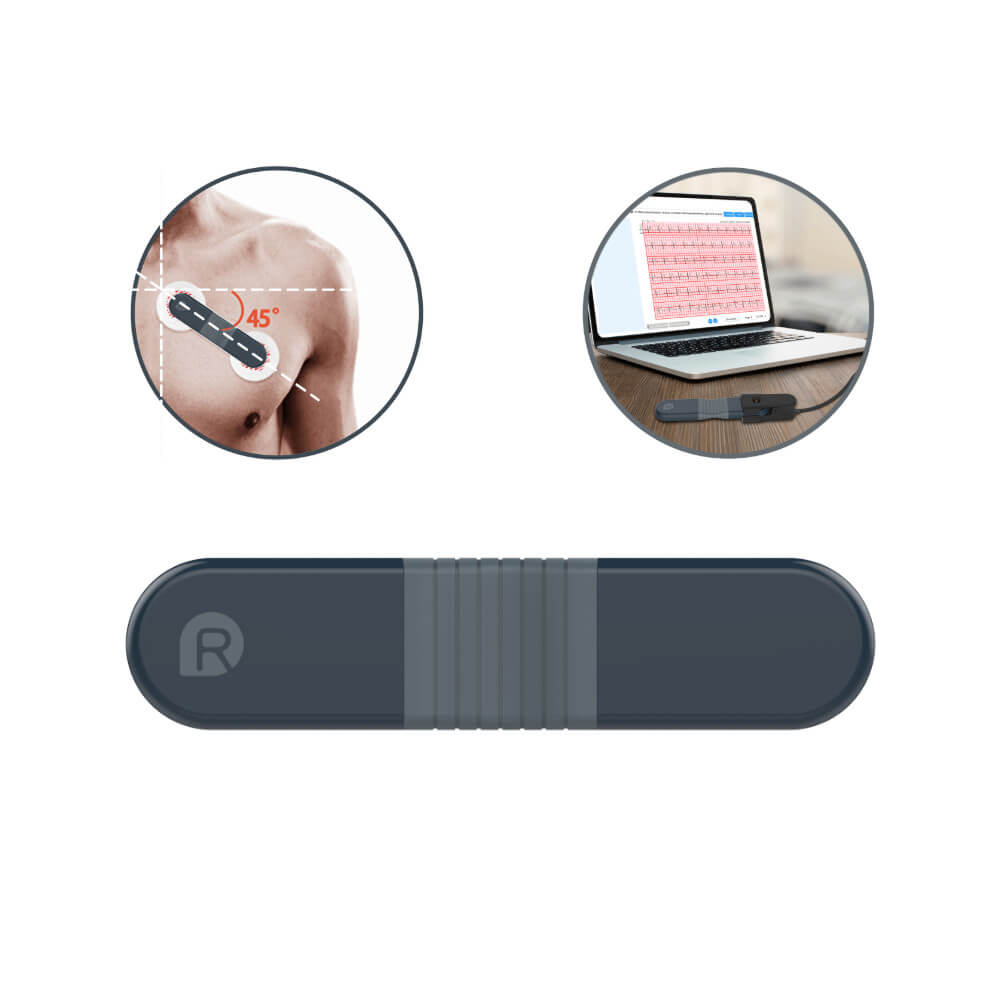
The current generation of 24-hour ECG monitors, such as the Wellue 24-Hour ECG Monitor, are remarkably portable and designed for comfort. Most are lightweight and fit discreetly under clothing, making them suitable for workplace or overnight use.
Setup and Getting Started: Step-by-Step Guide
Setup is straightforward: attach the electrodes as directed, turn on the device, and sync with the accompanying app if available. Most devices guide you through each step with on-screen prompts or detailed manuals, so even first-timers can get started in minutes. The learning curve is short, but it pays to read the instructions carefully for best results.
Data Access and AI Analysis: Making Sense of Your Results
After 24 hours, you can review a detailed ECG report—usually on your phone or computer. AI-driven analysis highlights any irregularities and presents them in an easy-to-understand summary, though it’s still wise to share your data with a healthcare provider for interpretation. Reports can often be exported and emailed directly to your doctor.
Performance & Accuracy
Detection of Irregular Heart Rhythms Over 24 Hours
Continuous ECG logging is the gold standard for capturing intermittent arrhythmias. In my experience, a 24-hour device increases the likelihood of identifying infrequent issues compared to spot checks. For patients with vague or sporadic symptoms, this extended coverage is invaluable.
How Reliable are AI-Driven ECG Interpretations?
AI tools in modern monitors help flag concerning patterns and summarize large datasets, making them much more user-friendly. While these interpretations are generally accurate, they are not a substitute for a professional review. The real benefit is that they streamline communication with your healthcare provider.
User Experience: Home ECG for Long-Term Tracking
Most users find daily wear comfortable and the process unobtrusive. The peace of mind from being able to track events at home—and share a comprehensive report with your doctor—can be significant.
24-Hour ECG Monitor Pros and Cons
Pros:
- Continuous ECG logging for 24 hours or more
- Compact and comfortable for daily use
- AI-powered analysis highlights abnormalities quickly
- Easy report export and sharing
Cons:
- Requires learning curve for setup and report interpretation
- Not a substitute for clinical diagnosis—always needs provider review
Verdict: Ideal for anyone needing extended heart rhythm checks at home, especially when symptoms are sporadic or hard to capture in clinic.
Who Should Consider a 24-Hour ECG Monitor?
This device is best for adults who need to capture elusive arrhythmias, have a history of palpitations, or want to monitor heart rhythm changes due to lifestyle or medication adjustments. It’s also suitable for those seeking reassurance after a one-off episode or whose symptoms have not been captured during short ECGs in a clinic setting.
If you’re unsure: If your doctor has ever said, “We didn’t catch anything on your ECG, but your symptoms are concerning,” or if you have occasional, unexplained heart symptoms, a 24-hour ECG monitor for home rhythm tracking could help fill in the gaps. Always consult your provider before starting any home monitoring.
Reading and Understanding Your ECG Reports
Interpreting Device-Generated ECG Reports
Most devices use AI to flag abnormal rhythms and summarize findings in plain language. Look for clear sections like "abnormal events" or "summary of findings." However, these reports are not diagnostic by themselves—your healthcare provider should always make final interpretations and decisions.
Tips for Sharing Data with Your Doctor
Export your report as a PDF or JPG, and email or bring it to your next appointment. The more context you provide about your activities and symptoms during the monitoring period, the more helpful the data will be.
Device Maintenance and Cleaning Tips
Daily Care for Reliable Long-Term ECG Monitoring
Wipe the device with a damp cloth after each use. Change adhesive electrodes as recommended, and store the monitor in a cool, dry place. Avoid getting the device wet unless it's labeled waterproof.
Best Practices for Device Longevity
Recharge after each use, and check for software updates regularly if your device supports them. Following the manufacturer’s care guidelines is the best way to ensure you get accurate, reliable readings over time.
Conclusion: Is a 24-Hour ECG Monitor Right for You?
If elusive heart symptoms are causing concern or you want deeper insights into your rhythm outside the clinic, a 24-hour ECG monitor offers a practical, user-friendly solution. The Wellue 24-Hour ECG Monitor stands out for its combination of comfort, robust reporting, and AI-powered analysis. If your primary concern is quick spot checks rather than long-term tracking, consider a device like the ECG 1000 for fast on-demand readings at home.