
Key Takeaways
- Cuff based blood pressure monitors continue to deliver the most reliable readings for home use.
- Modern models offer Bluetooth syncing, easy report tracking, and precise measurement—when set up correctly.
- Fit, posture, and routine maintenance are crucial for ongoing accuracy.
- Interpreting your results in context, and consulting your provider as needed, is essential for proactive health management.
- Routine at-home monitoring supports hypertension management and early detection of trends.
Introduction: Why Cuff Based Blood Pressure Monitors Remain the Gold Standard
For anyone keeping an eye on cardiovascular health, accurate blood pressure readings are non-negotiable. Home monitoring is now a core part of hypertension management and general wellness. Among the options, cuff based blood pressure monitors—especially upper-arm models—are still the first choice for reliability. Their clinical heritage, ease of use, and clear feedback make them a staple in households worldwide.
Understanding blood pressure monitoring at home
Consistent home blood pressure readings help catch trends, flag issues early, and support more informed conversations with your care team. With hypertension affecting millions according to the NHLBI and Mayo Clinic, the value of trustworthy at-home data can't be overstated.
The role of cuff based monitors in daily health management
Unlike wrist monitors or app-based estimations, cuff based blood pressure monitors are designed to minimize user error and deliver readings that align closely with what your doctor measures. For ongoing conditions like hypertension, this matters more than ever.
How Cuff Based Blood Pressure Monitors Work
The mechanics of traditional upper arm cuffs
These devices use an inflatable cuff (usually placed on the upper arm) to temporarily stop blood flow, then gradually release pressure while sensors detect the return of blood through your arteries. The result: a systolic (upper) and diastolic (lower) pressure reading, measured in mm Hg.
Accuracy and reliability compared to alternative methods
Upper-arm cuff monitors consistently outperform wrist devices and smartphone-based tools when it comes to replicating clinical measurements. They’re less prone to user error and less sensitive to body position, making them suitable for most adults—including those with arrhythmia, provided the monitor is validated for such use.
Key metrics tracked by cuff based monitors
Besides systolic and diastolic pressures, many models estimate pulse rate and can flag irregular heartbeats. Some also average multiple readings for better trend tracking—vital for discussing patterns with your healthcare provider.
Choosing the Right Cuff Based Blood Pressure Monitor for Home Use
Essential features to look for in 2026 models
- One-touch operation and auto inflation
- Clear digital display (ideally backlit)
- Memory for multiple users
- Bluetooth or wireless connectivity for app integration
- Adjustable, comfortable cuff with clear sizing guide
Bluetooth and wireless connectivity for data tracking
Models like the AirBP Plus Blood Pressure Monitor with Screen and Bluetooth Upper Arm Blood Pressure Monitor allow seamless syncing with health apps. This makes it easy to share trends with your doctor or keep a personal record for reference.
Sizing and fit: Ensuring accurate readings
Proper cuff size is critical—too tight or too loose, and your readings may be off. Most quality devices include a sizing chart and adjustable straps. If you have larger or smaller arms, check compatibility before buying.
FDA clearance and device safety
Look for monitors cleared by regulatory bodies such as the FDA (source). This ensures the device meets safety and accuracy standards for home use.
Setting Up and Using Your Cuff Based BP Monitor
Step-by-step setup and calibration
- Read the instructions thoroughly before first use.
- Install fresh batteries or charge your device fully.
- Fit the cuff snugly on your bare upper arm, about an inch above the elbow.
- Sit quietly for 5 minutes, feet flat, back supported, and arm at heart level.
- Press the start button—avoid talking or moving until the reading is complete.
Best practices for accurate at-home measurements
- Take readings at the same time daily (morning and/or evening).
- Avoid caffeine, smoking, or exercise 30 minutes before checking.
- Record results immediately, or use app integration for automatic tracking.
Common mistakes and how to avoid them
Poor cuff placement, talking during measurements, or crossing your legs can all skew results. Double-check fit and posture each time for consistency.
Understanding and Interpreting Your Blood Pressure Readings
What your systolic and diastolic numbers mean
Your systolic (top) number reflects the pressure in your arteries when your heart beats; diastolic (bottom) is the pressure when your heart rests between beats. According to Mayo Clinic, readings of 130/80 mm Hg or higher may indicate hypertension, but always discuss results with your provider.
How to spot trends and when to contact your healthcare provider
Isolated high or low readings aren’t usually cause for alarm. Look for persistent trends or sudden changes—share these with your care team for guidance.
Integrating readings with health apps and reports
Many monitors let you sync results with Apple Health or proprietary apps, making it simple to create printable reports or graphs for your next appointment.
Maintaining and Cleaning Your Device
Simple daily and weekly maintenance tips
- Store your monitor in a dry, safe place.
- Wipe the cuff and exterior with a damp cloth; avoid harsh cleaners.
- Check batteries or recharge regularly.
How to clean the cuff and monitor safely
Detach the cuff (if possible) and wipe with mild soap and water. Allow it to air dry fully before reattaching. Never submerge the monitor unit.
When to replace parts for continued accuracy
Most cuffs last 1-2 years with regular use. Replace if you notice cracks, leaks, or unreliable inflation. Monitors themselves can last much longer with proper care.
Troubleshooting Common Issues with Cuff Based Monitors
Dealing with error codes and inconsistent readings
If you see frequent errors, double-check cuff placement and battery power. Persistent problems may warrant recalibration or contacting manufacturer support.
When to recalibrate or seek support
Some monitors require periodic calibration, especially if readings seem off. Follow manufacturer instructions or consult your pharmacist for guidance.
Cuff Based vs. Other Home Blood Pressure Monitoring Methods
| Feature | Cuff Based (Upper Arm) | Wrist/Other Methods | Best For |
|---|---|---|---|
| Accuracy | Clinical-grade; gold standard | Lower; sensitive to positioning | Cuff Based |
| Ease of Use | Simple, but requires correct fit | Often easier to put on | Depends on mobility |
| App Integration | Yes, on most 2026 models | Available on some devices | Both |
| Arrhythmia Detection | Some models | Fewer options | Cuff Based |
| Who Should Use | Most adults (including hypertension management) | Those with limited arm mobility | Consult provider for special needs |
When and How Often to Check Your Blood Pressure at Home
Recommended schedules for routine monitoring
Most guidelines suggest measuring blood pressure once in the morning and once in the evening, especially if you're adjusting medication or tracking trends. Always follow your healthcare provider's advice for your specific situation.
Tracking and sharing results with your care team
Maintain a log (paper or digital) and bring it to appointments. Many 2026 monitors make this effortless with automatic sync and export features.
Who This Is For
Cuff based blood pressure monitors are ideal for anyone with diagnosed hypertension, those monitoring heart conditions, or individuals wanting a reliable baseline for their cardiovascular health. They're especially valuable for older adults and those managing their health in partnership with a care team. If you need to track trends for medical appointments or want the most clinically accurate readings at home, these devices are the way to go.
If You're Unsure
If you’re torn between models, prioritize fit and ease of use. If you want app connectivity and trend tracking, the AirBP Plus is a strong candidate. Those with limited mobility may need to consider wrist devices, but for most adults, a cuff based monitor will offer the best balance of accuracy and long-term usefulness.
Product Snapshots
| Product | Image | Best For | Limitation | Scenario | Actions |
|---|---|---|---|---|---|
| AirBP Plus Blood Pressure Monitor with Screen | 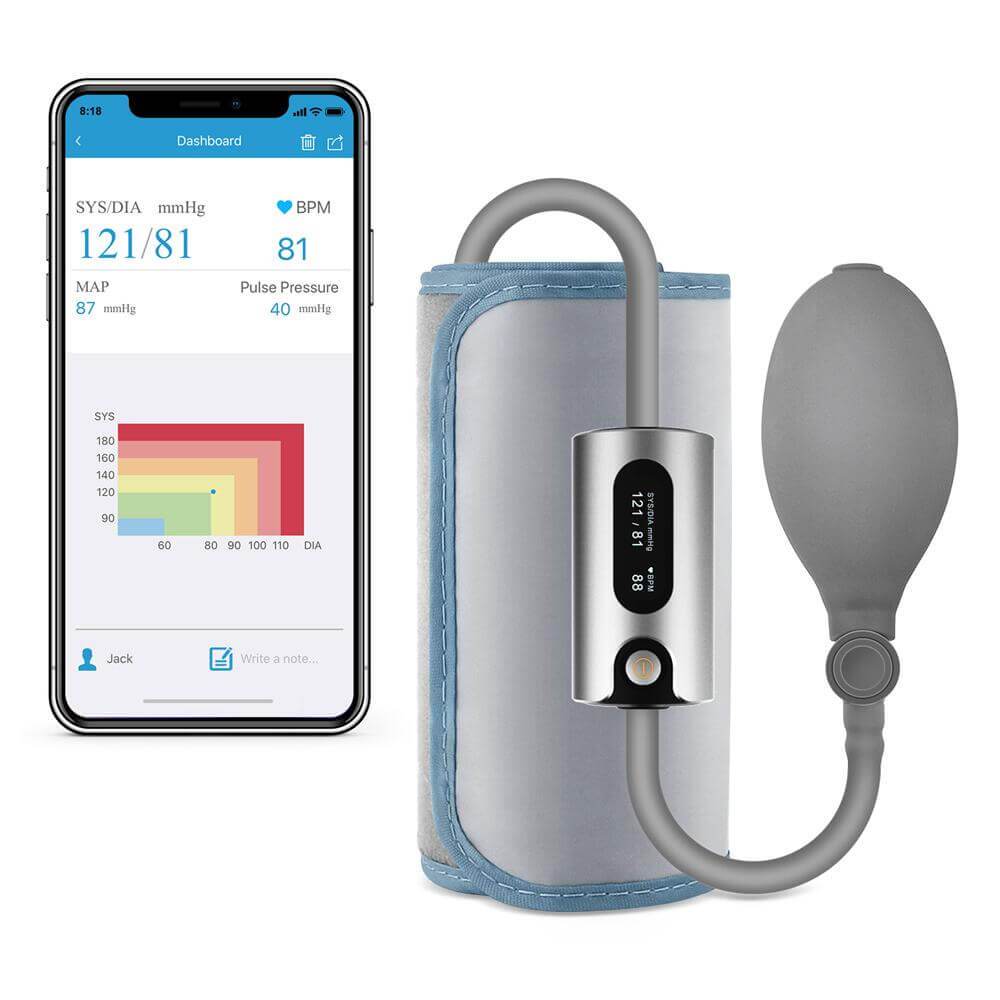 |
Best for those who want reliable home monitoring with easy-to-read digital trends and seamless app connectivity. | Cuff fit is crucial; improper placement affects readings. | Ideal if you want to automatically sync results to your phone and track trends over time. Works well for families who share the device. | |
| Bluetooth Upper Arm Blood Pressure Monitor | 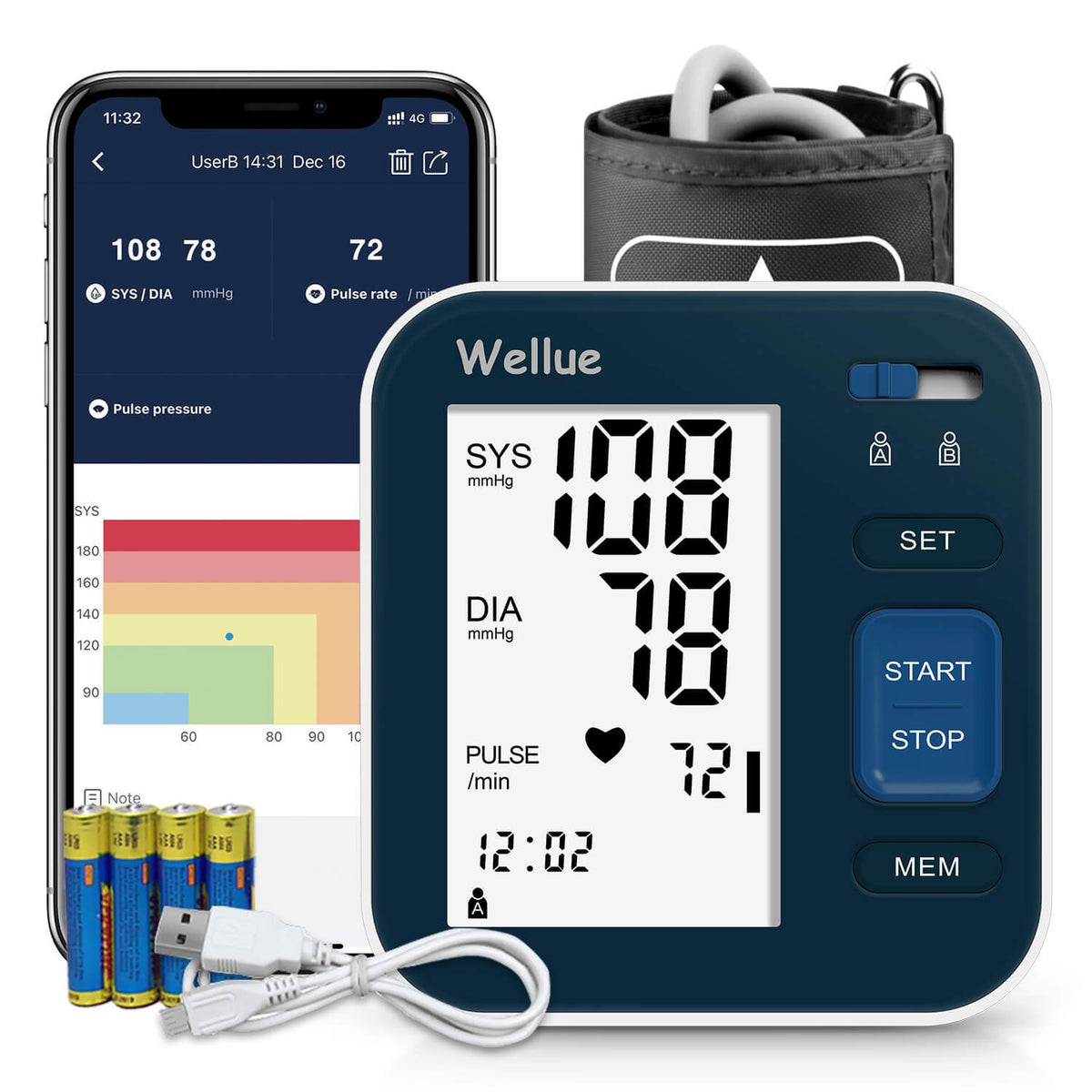 |
Best for users wanting straightforward operation and trustworthy readings without extra frills. | Requires careful posture—arm at heart level—for reliable results. | Great for daily or weekly blood pressure checks, especially for users who need a dependable record for their physician. | |
| Smart Blood Pressure Monitor | 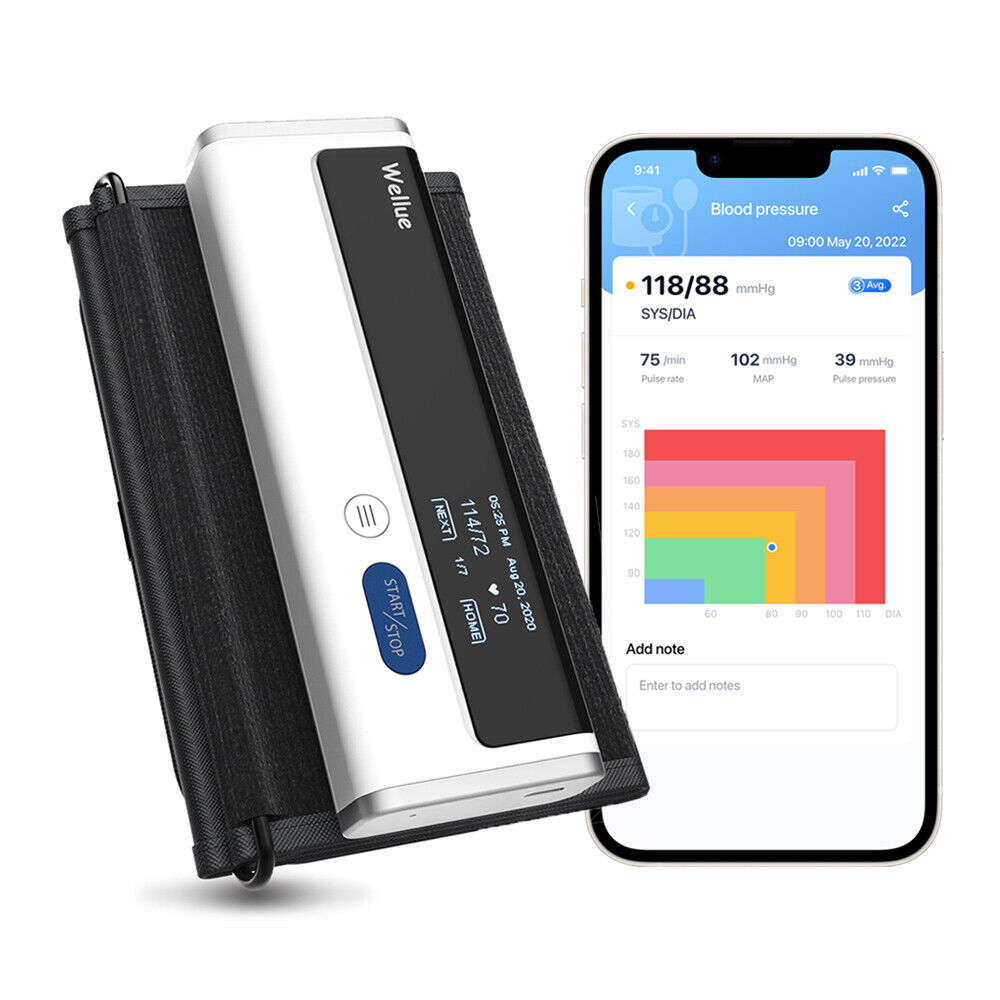 |
Best for those who value both automated measurement and digital record keeping. | Like all cuff based devices, accuracy depends on correct cuff application. | Useful for anyone managing multiple health metrics via connected apps, such as those also tracking heart rhythm or sleep data. |
Conclusion: Making the Most of Your Cuff Based Blood Pressure Monitor
For most people, a cuff based blood pressure monitor remains the wisest investment in home cardiovascular care. The AirBP Plus stands out for its combination of accuracy, digital features, and ease of use—making it my top pick for everyday tracking. If you need a more straightforward, no-fuss experience, the Bluetooth Upper Arm Blood Pressure Monitor is an equally capable alternative. Whichever you choose, proper setup, consistent technique, and ongoing maintenance are the keys to getting the most from your device and ensuring your readings are truly useful.
Related reading
Sources and verification
Last checked: April 19, 2026
-
Wireless Blood Pressure Monitor. Support Free App works with Apple Health for easy management. – Wellue
*Only available in the USA and EU countries. *Only available in the USA and EU countries. A BP monitor to deliver accurate results.
-
Wellue Bluetooth Upper Arm Blood Pressure Monitor. The best home blood pressure monitor. The most accurate blood pressure monitor. Fully automatic.
Be the first to ask a question about this.
-
Medical Devices | FDA
The .gov means it’s official.Federal government websites often end in .gov or .mil. Before sharing sensitive information, make sure you're on a federal government site. The site is secure. The https:// ensures that you are connecting to the official website and that any information you provide is encrypted and transmitted securely. Helping innovators, providers, and patients reimagine the home as an integral part of the health care system.
-
High Blood Pressure - What Is High Blood Pressure? | NHLBI, NIH
An official website of the United States government Official websites use .gov A .gov website belongs to an official government organization in the United States. Secure .gov websites use HTTPS A lock ( A locked padlock ) or https:// means you’ve safely connected to the .gov website. Share sensitive information only on official, secure websites.
-
High blood pressure (hypertension) - Symptoms & causes - Mayo Clinic
High blood pressure is a common condition that affects the body's arteries. It's also called hypertension. If you have high blood pressure, the force of the blood pushing against the artery walls is consistently too high. The heart has to work harder to pump blood. Blood pressure is measured in millimeters of mercury (mm Hg). In general, hypertension is a blood pressure reading of 130/80 mm Hg or higher. The American College of Cardiology and the American Heart Association divide blood pressure into four general categories. Ideal blood pressure is categorized as normal.