
Key Takeaways
- A 98 blood oxygen level is generally considered healthy for adults and most children, especially during rest or sleep.
- Continuous overnight oxygen monitoring can help detect health issues like sleep apnea, hypoxia, or changes from chronic lung disease.
- Accurate readings depend on proper device use, fit, and maintenance—routine monitoring offers peace of mind and actionable data.
- Combining oxygen tracking with other home health devices (like CPAP or oxygen concentrators) can enhance therapy and improve outcomes.
Introduction: Why Monitor Your Blood Oxygen Level at Home?
Whether you’re managing a chronic respiratory condition, using sleep therapy, or simply want a clearer picture of your health, monitoring blood oxygen levels at home is more accessible than ever. The surge in overnight oxygen monitoring devices and user-friendly apps has made it possible to gain real-time insights into your wellbeing.
Some people monitor SpO2 because they have sleep apnea, COPD, or heart concerns. Others may be proactive, aiming to spot health changes early. The key is understanding what your numbers mean—and when to act.
The Rise of Overnight Oxygen Monitoring Devices
Wearable oxygen monitors, smart rings, and portable concentrators are now commonplace for home health. Their ease of use and continuous tracking make them valuable for anyone wanting to keep tabs on overnight oxygen trends.
Who Benefits from Home SpO2 Tracking?
- People with diagnosed sleep apnea or snoring
- Anyone with chronic lung conditions (like COPD or pulmonary fibrosis)
- CPAP/APAP/BiPAP users who want to verify therapy effectiveness
- Athletes and wellness-focused individuals seeking optimal recovery
What Does a 98 Blood Oxygen Level Mean?
Defining Normal and Healthy Oxygen Saturation (SpO2) Ranges
For healthy adults, a blood oxygen level (SpO2) of 95% to 100% is considered normal. A 98% reading sits comfortably within this range, indicating your blood is carrying nearly its full capacity of oxygen. For most, this is a reassuring number—especially while at rest or during sleep.
How to Interpret a 98% Reading in Daily Life
Seeing 98% on your home monitor typically means your lungs are transferring oxygen effectively. Brief dips by 1–2% can occur with movement, position changes, or even mild congestion—these are usually not concerning unless sustained or accompanied by symptoms like breathlessness.
Factors That Can Affect Your Blood Oxygen Measurement
- Cold hands or poor circulation (can reduce accuracy)
- Nail polish or artificial nails (can block sensors)
- Movement during measurement (can cause erratic readings)
- Device fit and quality
How to Accurately Measure Blood Oxygen at Home
Types of Devices: Pulse Oximeters, Wearables, and Smart Rings
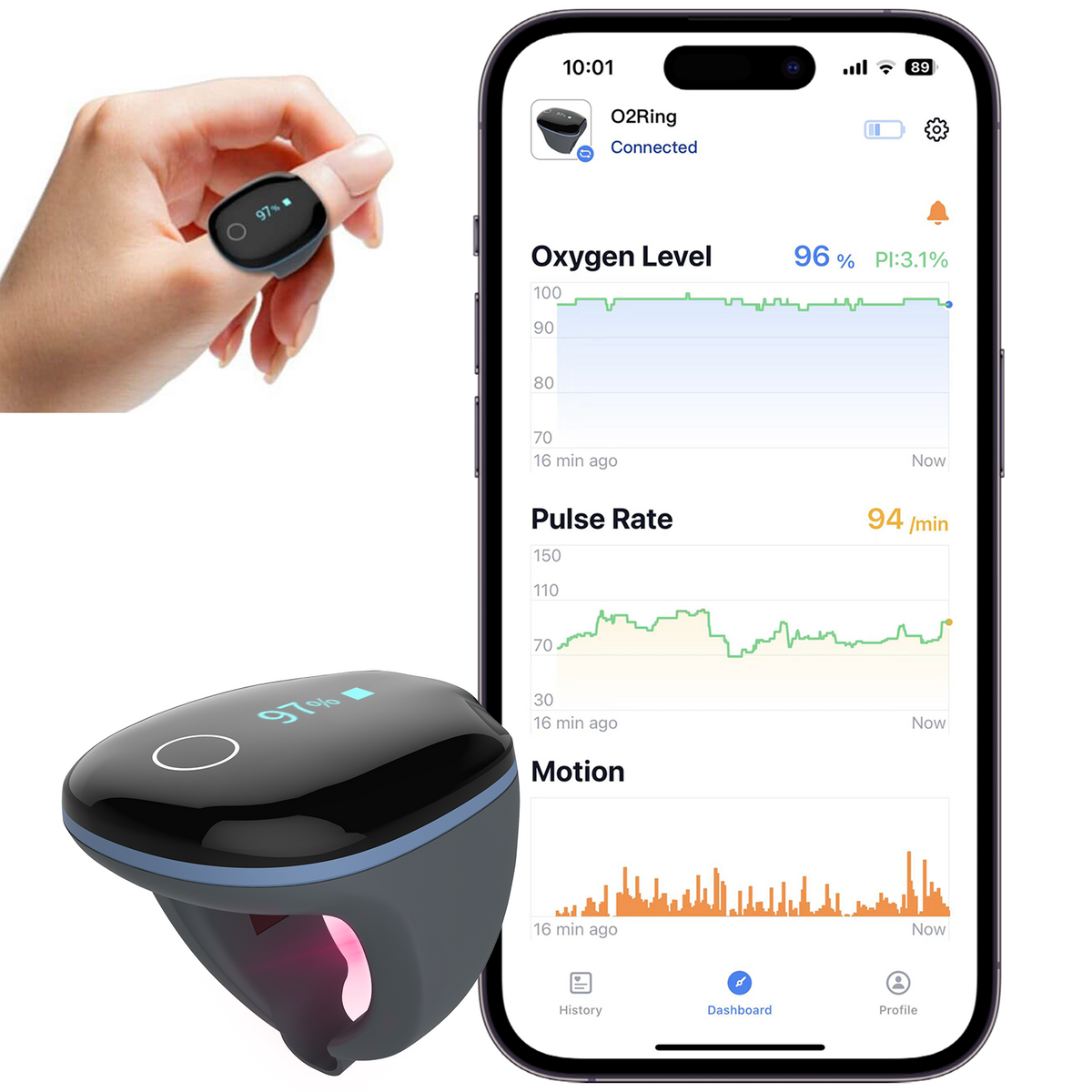
Pulse oximeters are the classic clip-on fingertip devices—fast and convenient for spot checks. For overnight monitoring, wearables like the O2Ring Continuous Ring Oxygen Monitor or specialized wristbands provide continuous tracking with minimal disruption to sleep. Some models, such as the Oxygen Monitor for Small Fingers, are tailored for children or adults with slim fingers.
Step-by-Step Guide to Using Overnight Oxygen Monitors
- Charge your device fully and pair it with its mobile app if needed.
- Ensure your finger is clean, dry, and free from nail polish.
- Fit the device snugly—rings or bands should be secure but not tight.
- Start recording before bed and wear throughout the night.
- Check your app or device display for overnight trends in the morning.
Common Mistakes and How to Avoid Inaccurate Readings
- Don’t move excessively during spot checks.
- Avoid using on cold or wet skin.
- Keep devices clean and check fit for accurate overnight monitoring.
Is 98% Always Normal? When to Take Action
Recognizing Healthy Variation Versus Concerning Drops
Minor, temporary drops to 96–97% are common and usually harmless. However, sustained readings below 94%—especially with symptoms—warrant medical attention. If you notice repeated drops overnight, it may suggest sleep-disordered breathing or another underlying issue.
When to Consult a Healthcare Provider
If your overnight oxygen monitor shows frequent dips below 94%, or if you experience symptoms like chest pain or confusion, consult your provider. Continuous home data can be valuable for your care team in diagnosing or adjusting treatment.
How Conditions Like Sleep Apnea or COPD Can Impact SpO2 Levels Overnight
Sleep apnea, COPD, and other respiratory illnesses can cause intermittent or sustained drops in oxygen. Continuous monitoring helps you and your provider identify these patterns—enabling timely adjustments to therapy like CPAP or supplemental oxygen.
Integrating Oxygen Monitoring with Other Home Health Devices
Using CPAP/APAP/BiPAP and Overnight Oxygen Monitoring Together
Many CPAP users, especially those with additional lung conditions, benefit from combining sleep therapy devices with overnight SpO2 tracking. This pairing confirms whether your sleep therapy is preventing low oxygen events—helping you and your provider optimize settings.
Role of Portable Oxygen Concentrators for Those with Chronic Lung Conditions
For individuals with COPD or other hypoxic conditions, portable oxygen concentrators like the Wellue 5L model 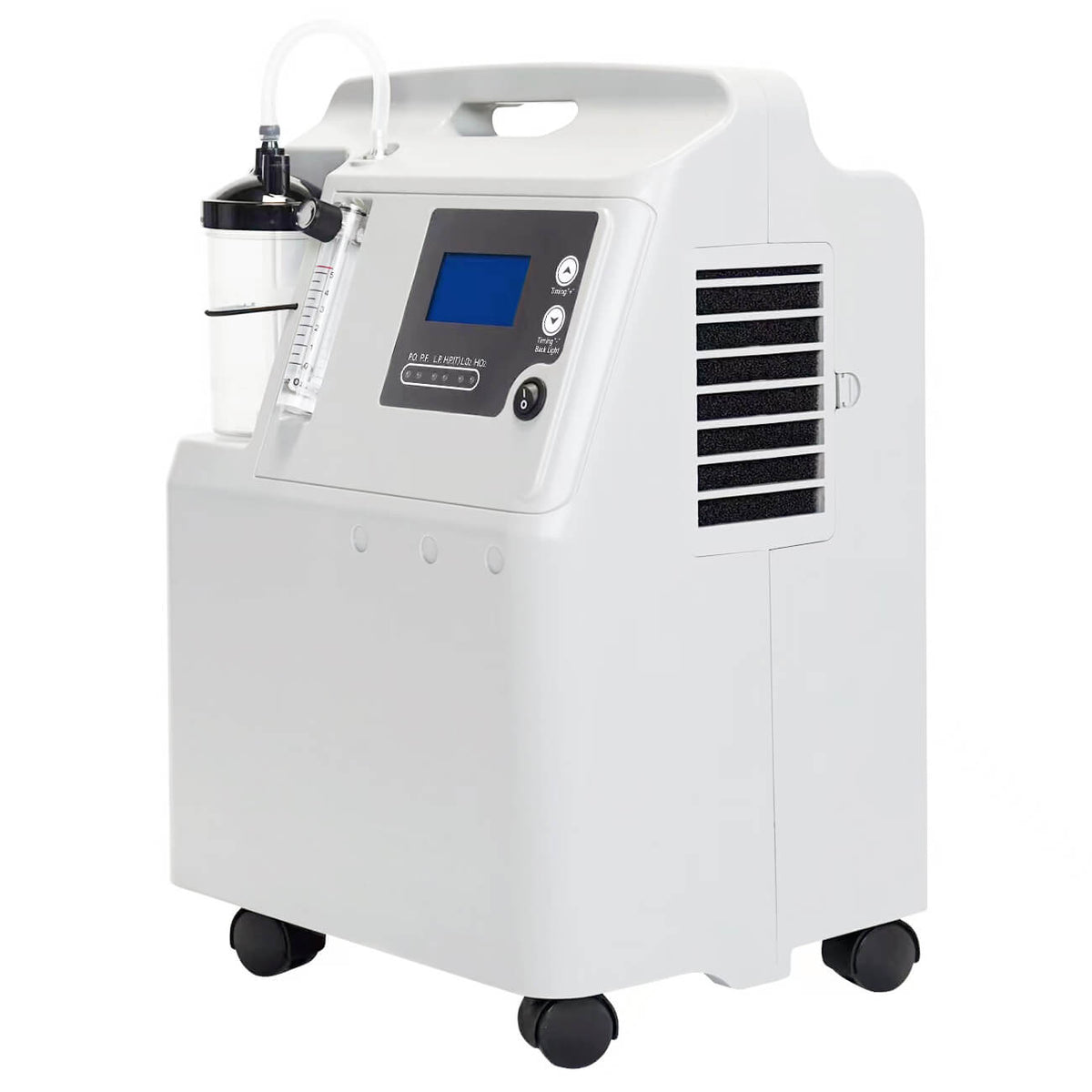 can deliver medical-grade oxygen continuously at home. These devices are vital for those requiring steady oxygen support, and their performance can be tracked alongside wearable SpO2 monitors for a complete picture of therapy effectiveness.
Understanding Device Reports and Tracking Trends Over Time
Apps and device dashboards make it easy to visualize overnight trends, spot dips, and share data with your care team. Look for patterns—like repeated drops below 95%—and note any correlation with symptoms or therapy adjustments.
Device Setup, Cleaning, and Maintenance: Best Practices
Initial Setup of Your Oxygen Monitoring Devices
Follow device instructions for charging, pairing, and initial calibration. Test fit and comfort before overnight use. For wearables, ensure a secure (but not restrictive) fit to avoid false alarms or lost data overnight.
Daily and Weekly Cleaning Routines
- Wipe sensors and bands with a soft, alcohol-based wipe daily.
- Inspect for skin irritation or buildup weekly; replace worn bands as needed.
- Store in a clean, dry area to maintain sensor accuracy.
Tips for Maintaining Device Performance and Longevity
- Update device firmware via app when prompted.
- Avoid exposing electronics to water or high humidity.
- Replace batteries (if not rechargeable) per manufacturer guidelines.
Understanding Your Oxygen Monitoring Reports
How to Read and Interpret Overnight SpO2 Data
Most devices display a summary of average, highest, and lowest SpO2 levels. Focus on the average and minimum values—these provide context for overall oxygenation and flag any concerning drops. Brief dips are common, but sustained lows may need review.
Identifying Patterns: Dips, Averages, and What They Mean
Look for repeated patterns: Are drops below 95% clustered at certain times? Does your SpO2 improve with therapy adjustments? Tracking these trends over weeks is more valuable than fixating on a single night’s data.
When to Share Reports with Your Care Team
If you notice new or worsening patterns, bring your reports to your provider. Many apps allow easy export or printing for sharing during visits.
Choosing the Right Device: Overview of Oxygen Monitors and Concentrators
| Device | Best For | Strength | Limitation | Actions | Product Link |
|---|---|---|---|---|---|
| Overnight SpO2 & pulse tracking for adults | Discreet, vibration alerts for low O2 | Comfort varies, requires app | See Product | ||
| Kids or adults with slim fingers | Secure fit, tracks overnight | Not for medical diagnosis | See Product | ||
| Chronic lung conditions needing O2 | Medical-grade oxygen, FDA-cleared | Requires regular maintenance | See Product |

If You're Unsure
If you need simple overnight tracking and have average-to-large fingers, the O2Ring is a practical choice. For children or adults with smaller fingers, opt for the smaller ring monitor. If you're on home oxygen, focus on reliable concentrator performance and pair it with an overnight tracker. If you’re still undecided, consider your comfort, app preferences, and whether you need medical-level reporting.
Who This Is For
- Anyone curious about their overnight oxygenation
- People with sleep apnea, COPD, or chronic respiratory concerns
- Users of CPAP, APAP, BiPAP, or home oxygen therapy
- Caregivers seeking simple, actionable home health data
Conclusion: Maintaining Optimal Oxygen Levels for Better Sleep and Health
A 98 blood oxygen level is a strong sign your body is getting the oxygen it needs, especially at night. By choosing the right monitoring device, ensuring proper fit and maintenance, and reviewing trends with your care team, you’ll gain real insights into your health and sleep quality.
For most, the Wellue O2Ring is an excellent starting point for overnight oxygen monitoring—a blend of comfort, clear data, and peace of mind. If you require continuous oxygen therapy, the Wellue 5L Oxygen Concentrator is a reliable alternative for comprehensive home support.
Related reading
Sources and verification
Last checked: April 19, 2026
-
5L Oxygen Concentrator (FDA-Cleared) Delivers Supplemental Oxygen 24/7. O2 Purity: 93%±3% (Flow Rate: 0.5-5 L/M). Home Use Medical-Grade. – Wellue
3-Year Warranty | FDA-Cleared | Brand New Our 5L Oxygen Concentrator, a medical-grade device, delivers supplemental oxygen up to 5 LPM continuously for those who need additional oxygen support, available 24/7, all year round. It can effectively treat patients with lung disorders such as COPD and pulmonary fibrosis, as well as cardiovascular diseases and other conditions associated with hypoxia. The 5 liter oxygen concentrator is an FDA-cleared product and comes with a 30-day money back guarantee. Within 30 days, you can get a full refund if you are unsatisfied with the item. The oxygen concentrator also comes with a worry-free 3-year warranty.
-
Wellue O2Ring Oxygen Monitor. Continuously Track Overnight Oxygen Levels w/ Vibration Alarm. Home Sleep Apnea Test. Sleep Oximetry Report.
I have bought two O2Ring and one is used every night. I also use a CPAP. Since I some times take my mask off during sleep, the O2Ring will wake me up when I stop breathing. The second Ring is a spare. I was looking for some easy way to get oxygen data reports for patients using a Mandibular Advancing Device. Patients can use this to confirm settings before going for another Home sleep or overnight lab testing for Sleep Apnea. This ring is easy to use , and with the app it automatically downloads its data into the app. The data summary is easy for a professional and patient to understand and easy for the patient to print out or to export. I do have a fear of it being easily lost- it is small, - it needs to have a tracker on it or at least be a neon color! I love these rings. I purchase two so I could monitor my oxygen 24/7. The best thing is the peace of mind I get from always knowing what my oxygen level is. I know when it's time to sit down and let my oxygen catch up and the Ring wakes me up at night if my oxygen falls too much so I can get up and get my heart pumping. This has given me the freedom to move again instead of being worried about my oxygen level all the time
-
Oxygen Monitor for Small Fingers | Wearable Pulse Oximeter | Wellue
*This device is for General Wellness & Sports & Aviation use only and not intended for medical use. *This device is for General Wellness & Sports & Aviation use only and not intended for medical use. This ring is designed to provide a better, more secure fit for smaller finger sizes.
-
Medical Devices | FDA
The .gov means it’s official.Federal government websites often end in .gov or .mil. Before sharing sensitive information, make sure you're on a federal government site. The site is secure. The https:// ensures that you are connecting to the official website and that any information you provide is encrypted and transmitted securely. Helping innovators, providers, and patients reimagine the home as an integral part of the health care system.
-
High Blood Pressure - What Is High Blood Pressure? | NHLBI, NIH
An official website of the United States government Official websites use .gov A .gov website belongs to an official government organization in the United States. Secure .gov websites use HTTPS A lock ( A locked padlock ) or https:// means you’ve safely connected to the .gov website. Share sensitive information only on official, secure websites.
-
High blood pressure (hypertension) - Symptoms & causes - Mayo Clinic
High blood pressure is a common condition that affects the body's arteries. It's also called hypertension. If you have high blood pressure, the force of the blood pushing against the artery walls is consistently too high. The heart has to work harder to pump blood. Blood pressure is measured in millimeters of mercury (mm Hg). In general, hypertension is a blood pressure reading of 130/80 mm Hg or higher. The American College of Cardiology and the American Heart Association divide blood pressure into four general categories. Ideal blood pressure is categorized as normal.