Introduction & Quick Verdict: Choosing a Non-Invasive BP Monitor
Non-invasive blood pressure (BP) monitors for home use come in several forms: upper-arm cuffs, wrist cuffs, finger devices, and newer cuffless wearables. For most users in 2026, upper-arm cuff monitors remain the most reliable and validated option for tracking blood pressure at home. Cuffless and wearable monitors are gaining attention for their convenience and continuous monitoring, but face challenges in accuracy and regulatory status. This guide helps you understand the main types, their strengths and limitations, and which device is most suitable for your needs.
Quick Answer
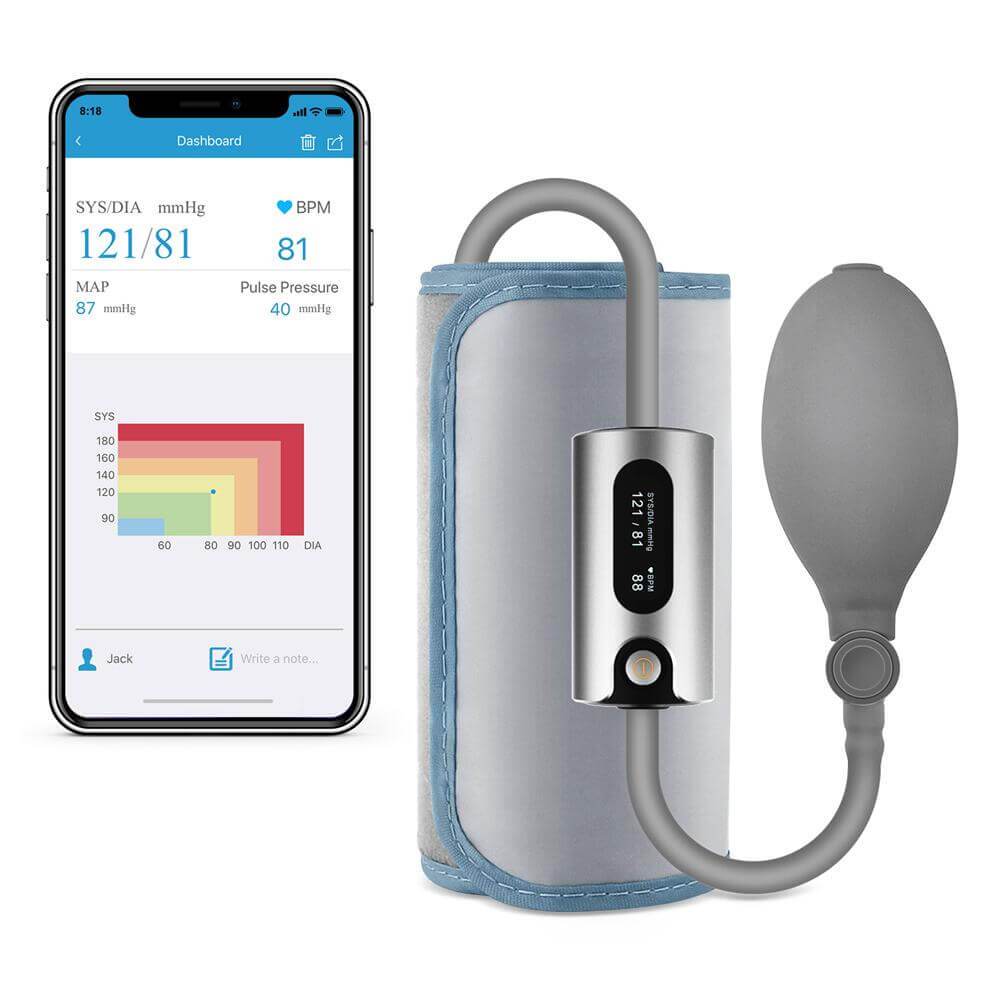
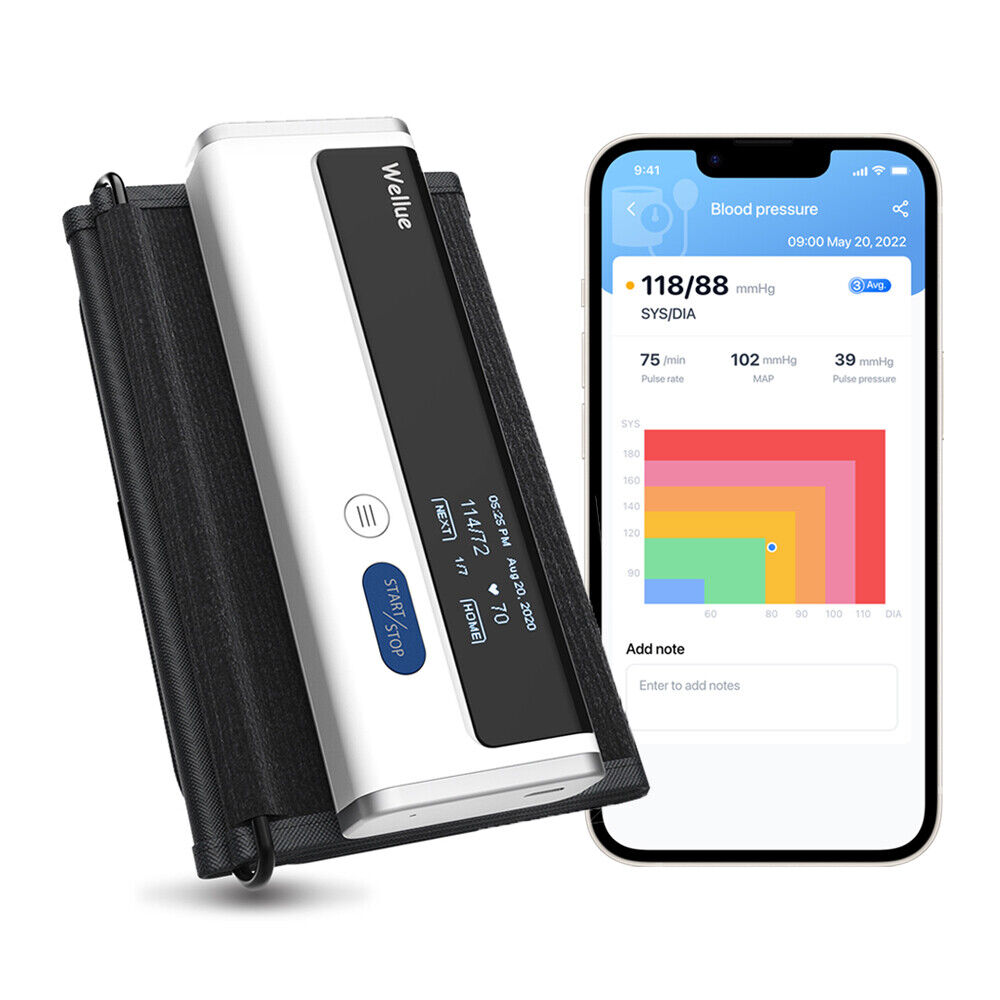
For home and remote blood pressure tracking, upper-arm cuff monitors like the AirBP Plus Blood Pressure Monitor or Smart Blood Pressure Monitor offer the best balance of reliability and validation. Cuffless or wearable devices are best considered as supplementary tools; always confirm abnormal readings with a standard cuff monitor.
Who This Guide Helps (and Who Should Consider Alternatives)
Best Fit: Home Users, Caregivers, and Remote Monitoring
- People diagnosed with hypertension or pre-hypertension
- Family caregivers assisting with health tracking
- Anyone needing clear app-based trends for sharing with clinicians
Not Ideal For: Unstable BP or Critical Needs
- Those with rapidly fluctuating or critically high/low blood pressure
- Medical professionals needing invasive-level precision
- Anyone unable to position a cuff or follow device setup requirements
Non-Invasive Blood Pressure Monitor Types Explained
Upper-Arm Cuff Monitors: Oscillometric Standard
These remain the gold standard for home BP monitoring. They use an inflatable cuff on the upper arm, and the oscillometric method to measure systolic and diastolic pressure. Both the AirBP Plus and Smart Blood Pressure Monitor fall in this category.
Wrist Cuff Monitors: Convenient but Sensitive to Position
Wrist monitors offer portability, but readings are more sensitive to arm and wrist placement. Even small misalignments can skew results. They are generally considered less reliable for home use unless used with great care.
Finger Blood Pressure Monitors: Niche and Less Common
Finger BP monitors exist, but are rarely recommended for routine home use due to validation gaps and higher measurement variability.
Cuffless Wearable Monitors: Technology and Limitations
These use sensors (often via photoplethysmography or pulse transit time) to estimate BP continuously or on demand—usually as a wristband or watch. While appealing for comfort and round-the-clock data, cuffless vs cuff blood pressure monitor comparisons consistently show that cuffless devices often require calibration and may lack regulatory clearance.
Continuous and Ambulatory Blood Pressure Monitors: Overview
Ambulatory BP monitors (ABPMs) like the Wearable 24 Hour Ambulatory Blood Pressure Monitor provide automated readings over 24 hours. These are valuable for detecting nighttime or masked hypertension, but are primarily intended for professional or supervised use.
How These Devices Work: Measurement Methods & Validation
Oscillometric Method (Cuff-Based Devices)
With oscillometric monitors, the cuff inflates and sensors detect arterial wall vibrations as blood flows. The device algorithm estimates systolic and diastolic pressure. This is the method used by most validated home monitors and is endorsed by agencies like the NIH and Mayo Clinic.
Photoplethysmography & Pulse Transit Time (Cuffless Wearables)
Cuffless wearables use light sensors and/or electrical signals to estimate BP based on pulse wave speed and other biometrics. These require initial calibration with a cuff device and may be affected by motion, skin tone, or temperature.
Validation: FDA Regulatory Status, Clinical Validation, and Standards
FDA clearance, approval, or listing signals a device meets specific standards for safety and accuracy. Published validation studies (often found via manufacturer or medical journals) provide additional confidence. Many wrist, finger, and cuffless devices have not yet met these standards.
Device Comparison Table: Features, Methods, and Home Suitability
| Device | Type | Measurement Method | Validation/Evidence | Continuous Data | Best For | Actions |
|---|---|---|---|---|---|---|
| AirBP Plus Blood Pressure Monitor | Upper-arm cuff | Oscillometric | Validated for home use | No | Routine home BP tracking | |
| Upper-arm cuff | Oscillometric | Validated for home use | No | Routine home BP tracking | ||
| Wearable 24 Hour Ambulatory BP Monitor | Wearable cuff (ABPM) | Oscillometric (auto-interval) | Validated, clinical focus | Yes (intervals) | Revealing patterns over 24h |
Cuffless vs Cuff Blood Pressure Monitors: Real-World Differences
Accuracy and Calibration Needs
Cuffless monitors offer comfort and continuous data but generally require regular calibration with a cuff device. Studies and regulatory reviews show variable accuracy, especially during movement or in certain populations. If a wearable or wrist device gives unexpected readings, confirm with an upper-arm cuff before making health decisions.
User Comfort and Compliance
Cuffless and wearable devices are less obtrusive—helpful for users needing frequent or overnight monitoring. However, their value depends on consistent, accurate measurement, which remains a challenge for many models in 2026.
Continuous Non-Invasive BP Monitoring: When It Helps
Continuous and ambulatory BP monitors can reveal hidden nighttime spikes or dips missed by occasional checks. These are valuable for select users, but most home monitoring can be managed with routine upper-arm cuff measurements.
Wearable Blood Pressure Monitor Limitations & Evidence
Gaps in Validation and Clinical Use
While wearable BP monitors are improving, many lack robust published validation or FDA clearance. Their readings can be influenced by movement, skin tone, and sensor position. Use them as adjuncts, not sole sources, for clinical decisions.
What Current Research and Regulatory Listings Tell Us
The FDA and major health agencies prioritize oscillometric, upper-arm cuff devices for home use. Cuffless and wrist/finger devices should be verified for regulatory status and cross-checked against validated devices.
What to Verify Before Buying or Using a BP Monitor
- Regulatory clearance (FDA-cleared, listed, or approved status) – check manufacturer and FDA databases.
- Published validation studies – look for links on the manufacturer site or clinical literature.
- Device setup requirements – does it require calibration? Is it compatible with your phone/app?
- Replacement cuffs or batteries – are these available and affordable?
Evidence & Methodology
Information in this guide was compiled from FDA.gov, NHLBI, Mayo Clinic, and manufacturer listings, focusing on device type, validation status, and home suitability. Where evidence is incomplete (especially for cuffless wearables), users are directed to verify claims and consult clinical sources before relying on readings for health decisions.
FAQs: Non-Invasive Blood Pressure Monitors at Home
- What is the difference between cuffless and cuff blood pressure monitors?
Cuff-based monitors use an inflatable cuff and the oscillometric method for direct measurement, while cuffless monitors estimate BP using sensors and algorithms, often requiring calibration and facing accuracy limitations. - Are wearable blood pressure monitors accurate enough for home use?
Some wearable BP monitors can provide useful trends, but most should not replace upper-arm cuff devices for clinical or medication decisions. Always confirm unusual readings with a validated cuff monitor. - Can I use a wrist or finger BP monitor if I have known hypertension?
It is possible, but upper-arm cuff devices are recommended for best accuracy. If you must use a wrist or finger device, follow instructions closely and validate readings with a standard monitor. - How do I know if a home BP monitor is FDA-cleared or validated?
Check the manufacturer's website for regulatory claims, and search the FDA's medical device databases. Look for published validation studies, especially for newer or wearable models. - What should I do if my blood pressure readings seem inconsistent between devices?
Use a validated upper-arm cuff device as your reference, and discuss persistent discrepancies with your healthcare provider.
Internal Resources & Further Reading
- How to Set Up Your Home Blood Pressure Monitor
- Reading and Interpreting Device Blood Pressure Reports
- Cleaning and Maintaining Home Health Devices
Educational note: Blood pressure monitors are tools for tracking trends and supporting health decisions. They are not a substitute for professional medical advice or emergency evaluation if you feel unwell.
Related reading
Sources and verification
Last checked: August 24, 2026
-
24-Hour ABPM for Clinics, Ambulatory Blood Pressure Monitor with PC Software, ESH Validated High Accuracy, Wearable One-Piece Design – Wellue
Software included, designed specifically for medical professionals to reveal the full picture of patient blood pressure *For doctors or trained healthcare professionals. Software included, designed specifically for medical professionals to reveal the full picture of patient blood pressure
-
Medical Devices | FDA
The .gov means it’s official.Federal government websites often end in .gov or .mil. Before sharing sensitive information, make sure you're on a federal government site. The site is secure. The https:// ensures that you are connecting to the official website and that any information you provide is encrypted and transmitted securely. An update on the Cyclospora outbreak available here.
-
High Blood Pressure - What Is High Blood Pressure? | NHLBI, NIH
An official website of the United States government Official websites use .gov A .gov website belongs to an official government organization in the United States. Secure .gov websites use HTTPS A lock ( A locked padlock ) or https:// means you’ve safely connected to the .gov website. Share sensitive information only on official, secure websites.
-
High blood pressure (hypertension) - Symptoms & causes - Mayo Clinic
High blood pressure is a common condition that affects the body's arteries. It's also called hypertension. If you have high blood pressure, the force of the blood pushing against the artery walls is consistently too high. The heart has to work harder to pump blood. Blood pressure is measured in millimeters of mercury (mm Hg). In general, hypertension is a blood pressure reading of 130/80 mm Hg or higher. The American College of Cardiology and the American Heart Association divide blood pressure into four general categories. Ideal blood pressure is categorized as normal.