Quick take
We break down who this device is best for, what it measures, and how it compares in the market.

Keeping tabs on your oxygen levels at home is no longer reserved for hospitals or specialists. For people living with sleep apnea, lung conditions, or those using CPAP/BiPAP therapy, overnight oxygen monitoring can be a game-changer in managing health and quality of rest. With accurate, wearable devices now available, you can track your oxygen trends, receive timely alerts, and easily share reports with your healthcare provider—all from your own bedroom.
Who This Is For
Testing oxygen levels at home is especially useful if you:
- Use sleep therapy devices (CPAP, APAP, BiPAP) and want to check therapy effectiveness
- Have been diagnosed with, or are at risk for, sleep apnea or lung conditions like COPD
- Experience unexplained fatigue, morning headaches, or nighttime awakenings
- Care for someone needing overnight oxygen support
If you’re unsure, consider your symptoms and any advice from your respiratory specialist. People with persistent sleep issues, diagnosed lung diseases, or those starting new therapies often benefit most from tracking oxygen at home.
Key Takeaways
- Overnight oxygen monitoring at home provides vital insights for people with sleep issues, lung conditions, or on sleep therapy devices.
- Modern wearable devices like the O2Ring™ offer continuous, non-intrusive tracking, real-time alerts, and easy-to-read reports.
- Proper setup, regular maintenance, and understanding your device’s data help you get the most accurate and actionable results.
- Home oxygen data can empower patients, inform therapy adjustments, and guide discussions with healthcare providers.
Understanding Oxygen Monitoring at Home
Why Monitor Your Oxygen Levels Overnight?
Many breathing and sleep issues only show up during the night. Dips in blood oxygen (called "desaturations") can trigger headaches, fatigue, or even heart strain. Overnight monitoring lets you catch these events, track trends, and evaluate whether your current therapy is really working.
Who Should Consider Home Oxygen Testing?
If you have sleep apnea, COPD, pulmonary fibrosis, or use supplemental oxygen, overnight monitoring is highly recommended. It’s also valuable for anyone starting or adjusting therapies like CPAP or a Mandibular Advancing Device, as it helps confirm if settings are right before further lab testing.
Basic Principles: What Are Blood Oxygen Levels?
Blood oxygen saturation (SpO2) measures how much oxygen your red blood cells carry. Most healthy adults have an SpO2 above 94% while awake. Drops below 90%—especially if frequent or prolonged during sleep—are a reason to discuss results with your doctor.
Home Oxygen Monitoring Devices Explained
Types of Home Oxygen Monitors
- Ring Monitors (like O2Ring™): Discreet, continuous, comfortable for overnight wear.
- Wrist Monitors: Larger, often with displays and soft sensors for those who dislike finger rings.
- Clip-On Oximeters: Useful for spot checks, less suited for continuous tracking.
- Special Sizes: Devices like the Oxygen Monitor for Small Fingers are designed for those with petite hands or children.
FDA-Cleared vs. Wellness Devices
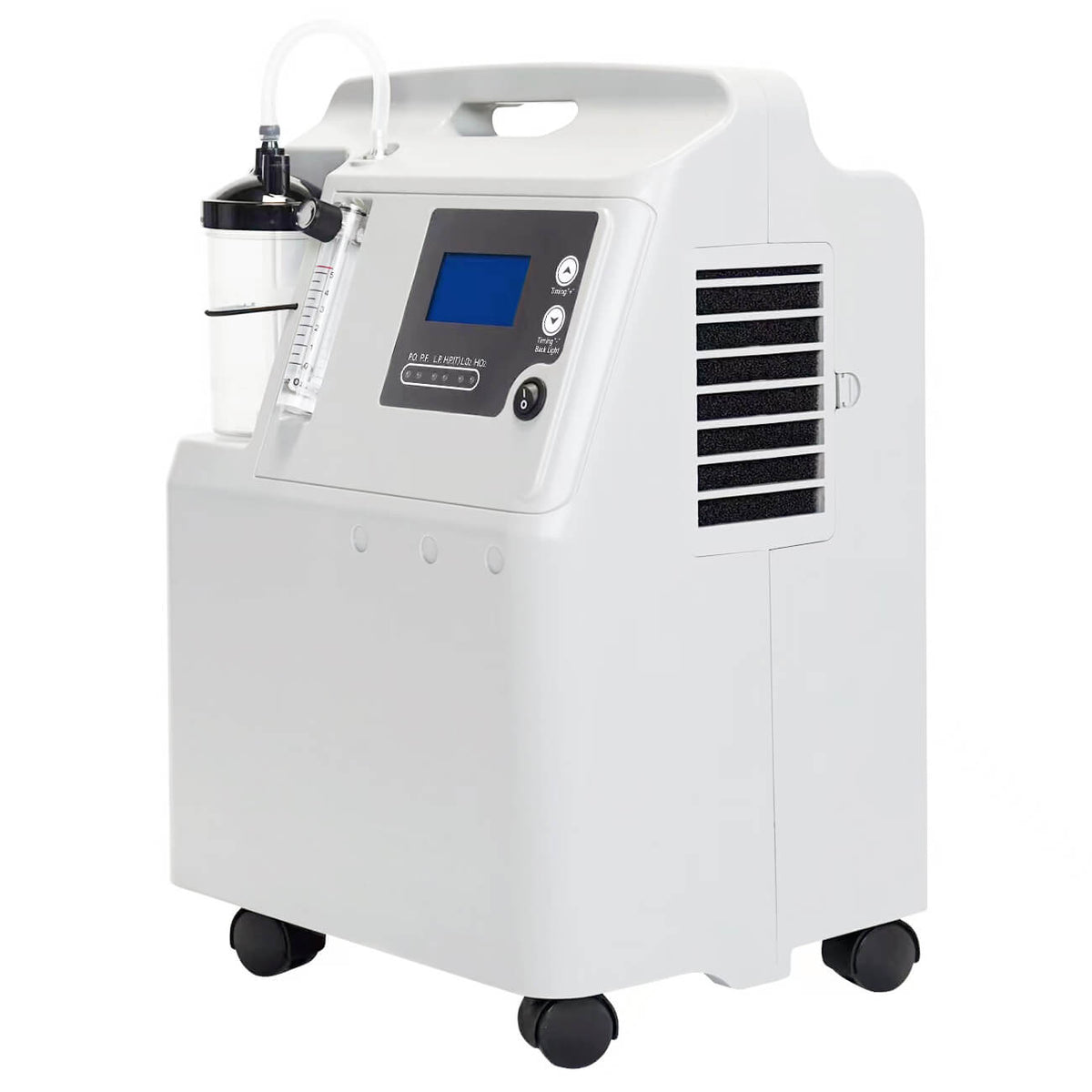
FDA-cleared devices (like Wellue’s 5L Oxygen Concentrator) meet recognized performance standards for medical use. Wellness and sports monitors are widely available and useful for daily trends, but they aren’t substitutes for clinical evaluation if you have serious symptoms.
Continuous Tracking vs. Spot Checks
Continuous monitors record all night, capturing every drop or trend. Spot-check devices provide a snapshot, which can miss overnight events. For sleep therapy and chronic conditions, continuous devices like the O2Ring™ provide a far clearer picture.
Step-by-Step Guide: Testing Your Oxygen Levels at Home
Preparing for Overnight Oxygen Monitoring
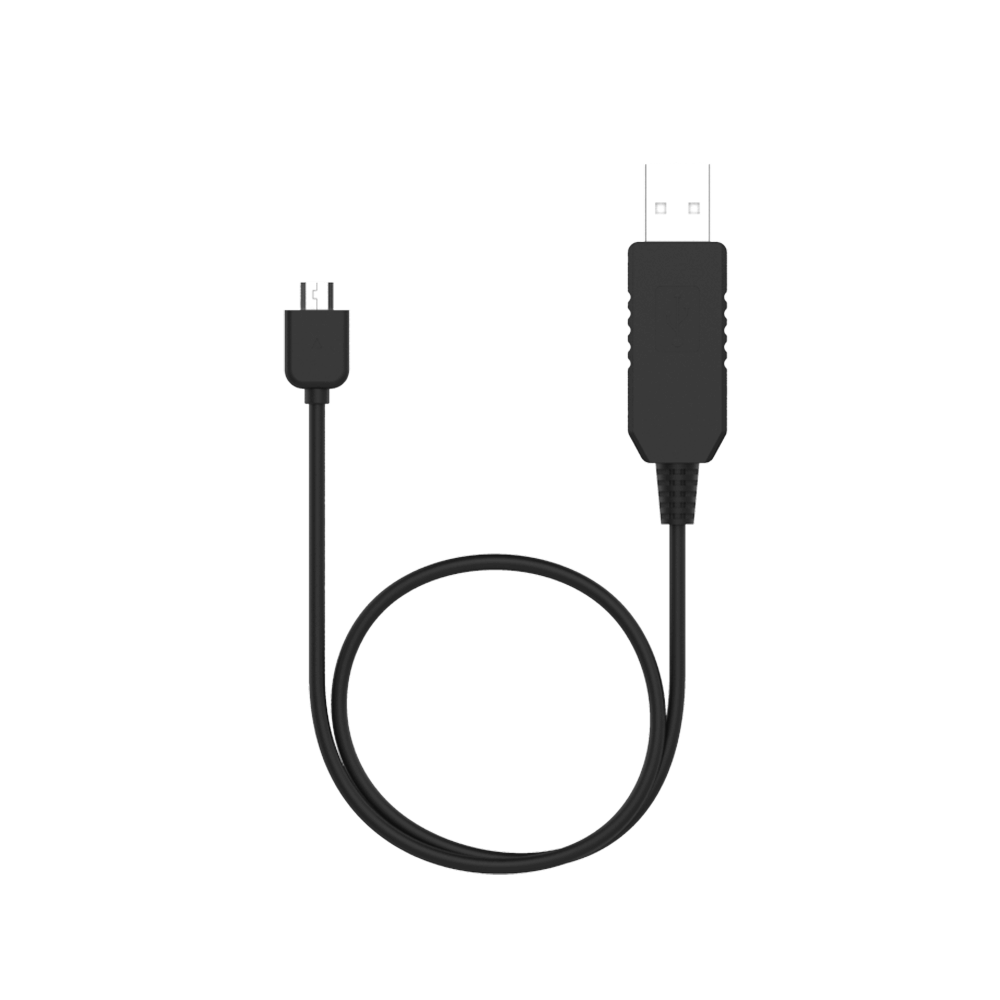
- Charge your device fully (most wearables last at least one night per charge)
- Install the companion app on your phone or tablet
- Wash and dry your hands; remove nail polish or artificial nails to ensure accurate readings
- Fit the device snugly on your finger (use models sized for your anatomy)
How to Use Devices Like the O2Ring™ or Oxygen Monitor for Small Fingers
- Wear the device before bed. Make sure it’s comfortable and secure.
- Pair with the app if needed; many models sync automatically when you wake.
- Go to sleep as usual. The device will log your SpO2 and pulse all night.
- After waking, review the overnight report in the app. Look for trends, dips, and vibration alerts triggered by low oxygen events.
Interpreting Device Data and Reports
Focus on the percentage of time spent below 90% SpO2, the lowest recorded level, and the number of "events" detected. Frequent or severe drops may indicate a need to review therapy or consult your provider. The best way to take blood pressure at home is to use a validated home BP monitor; for oxygen, continuous wearable devices offer the clearest overnight picture.
Common Setup Issues and Troubleshooting
- If readings seem erratic, ensure the device fits snugly and your hands are warm (cold fingers can cause false lows).
- App connection issues are usually fixed by restarting Bluetooth or the app itself.
- Keep firmware updated via the companion app for best performance.
Integrating Oxygen Monitoring with Other Home Health Devices
Combining Oxygen Tracking with CPAP/APAP/BiPAP
Pairing overnight SpO2 tracking with your CPAP or BiPAP use helps determine if your airway therapy is truly preventing nighttime drops. In real-world use, the O2Ring™ can wake you if you stop breathing or remove your mask, allowing you to intervene promptly.
Using Oxygen Data to Inform Home ECG and Blood Pressure Monitoring
Low nighttime oxygen can affect your heart rhythm and blood pressure. If you also track ECG or home BP, reviewing all three sets of data together can reveal patterns worth sharing with your provider.
When to Share Oxygen Data with Your Healthcare Provider
If your reports show frequent drops below 90%, or if you have symptoms like confusion, chest pain, or severe fatigue, bring your findings to your next appointment. Exported reports make this easy and help guide further testing or therapy adjustments.
Best Practices for Device Cleaning and Maintenance
Daily and Weekly Cleaning Routines
Clean your wearable sensor with a soft, damp cloth after each use. Avoid harsh chemicals. Weekly, inspect for wear and sanitize the band or ring with rubbing alcohol.
Battery Care and Longevity
Recharge after each use. Avoid deep discharges—most lithium batteries last longer if kept above 20% charge.
Safe Storage Tips to Avoid Device Loss
These devices are small and easy to misplace. Store in a bright case or a consistent spot by your bed. If you travel, keep it in your overnight bag.
Understanding and Using Your Oxygen Monitoring Reports
Exporting and Printing Reports
Most companion apps let you export or print your results with one click. Bring these to your appointments or save for your own tracking.
Key Metrics: SpO2 Trends, Low Oxygen Events, and More
- SpO2 Trends: Shows your average and lowest readings overnight.
- Low Oxygen Events: Counts the number of drops; these are marked and often timestamped.
- Time Below Threshold: Indicates how long you spent under 90% SpO2—a key metric for therapy assessment.
Using Reports to Confirm Therapy Effectiveness
If you’re using a Mandibular Advancing Device or CPAP, reports can show if adjustments improved your oxygen stability. Consistent readings above 94%, with few or no events, suggest your therapy is on track.
Product Comparison Table
| Product | Best For | Continuous Overnight Tracking | App Reporting | Wear Comfort | Unique Limitation | Review | Buy |
|---|---|---|---|---|---|---|---|
| Reliable overnight SpO2 monitoring for most adults | Yes | Yes | Very high | Can be misplaced; small size | Buy | ||
| Children, or adults with small fingers | Yes | Yes | Very high (small fit) | Not a medical device (wellness use) | Buy | ||
| Portable oxygen therapy, travel | N/A (supply device) | No | High (not worn) | Battery limits runtime; regular cleaning required | Buy |

If You’re Unsure: Quick Decision Cues
If you want all-night tracking with real alerts, the O2Ring™ is hard to beat. For children or adults with small fingers, opt for the small finger model. If you need supplemental oxygen rather than just monitoring, a portable concentrator is the right fit. Unsure which to choose? Start with a wearable monitor—reports will tell you if you need to escalate or add therapy.
Frequently Asked Questions
- How often should I test my oxygen levels at home if I use sleep therapy devices?
- What is a normal overnight oxygen level, and when should I be concerned?
- Can I use a wearable oxygen monitor with small fingers or for children?
- How do I interpret the SpO2 trends and low oxygen events on my device report?
- What should I do if my device alerts me to low oxygen levels during sleep?
Conclusion
Testing oxygen levels at home is practical, straightforward, and empowering when you use the right device for your needs. For most adults seeking robust overnight tracking, the O2Ring™ provides reliable data, easy sharing, and peace of mind—making it my top recommendation. If you need a smaller fit, the Oxygen Monitor for Small Fingers offers the same continuous tracking in a more petite package. Remember to use your device consistently, maintain it well, and bring your findings to your next medical visit for best results.