
Key Takeaways
- Full face masks generally deliver the most reliable seal and comfort for mouth breathers.
- APAP and BiPAP machines with adjustable pressure and humidification help prevent dry mouth and increase compliance.
- Focusing on fit, comfort, and device compatibility is crucial for successful therapy.
- Reading device reports and regular maintenance keep your therapy on track.
Introduction
For anyone who breathes through their mouth at night, choosing the right sleep therapy device and mask can mean the difference between restless nights and restorative sleep. Unlike nasal breathers, mouth breathers face added hurdles: dry mouth, air leaks, and mask discomfort are all more common—and they can undermine therapy effectiveness. This guide clarifies what matters most, so you can sleep soundly and wake up refreshed.
Who this is for
If you consistently wake up with a dry mouth, struggle to keep a nasal mask on, or have been told your mouth drops open during sleep, this guide is designed for you. It’s especially relevant for those newly diagnosed with sleep apnea or anyone whose current therapy setup leaves them uncomfortable or non-compliant.
How Mouth Breathing Affects Sleep Therapy
Mouth breathers using CPAP, APAP, or BiPAP often encounter air leaks when using nasal masks. These leaks not only reduce therapy pressure but can also lead to dry mouth, sore throat, and disrupted sleep. If you notice your mouth is parched in the morning, or your partner hears mask leaks at night, your current setup may not be right for you.
Types of Sleep Therapy Devices: CPAP, APAP, and BiPAP
Overview
Most home sleep therapy relies on three main types of devices:
- CPAP (Continuous Positive Airway Pressure): Delivers one fixed pressure all night.
- APAP (Auto-Adjusting PAP): Changes pressure as you breathe or as your needs shift during sleep.
- BiPAP (Bi-level PAP): Offers separate pressures for inhaling and exhaling—often preferred if you require higher pressures or have additional respiratory needs.
For mouth breathers, both APAP and BiPAP can offer added comfort and compliance, especially if you struggle with fixed-pressure setups. When comparing the best CPAP for mouth breathers, look for models with robust humidification and full face mask compatibility. If you experience pressure intolerance or need flexibility, an APAP for mouth breathing may be a better fit, as it auto-adjusts to your needs throughout the night.
Choosing the Right Mask for Mouth Breathers
The mask you choose is just as important as the device. For mouth breathers, a full face mask is typically the only reliable solution. These masks cover both the nose and mouth, ensuring continuous therapy even if you open your mouth during sleep. Hybrid masks—combining nasal and oral coverage—can work for some, but always ensure a secure seal. Avoid nasal-only masks and chin straps; they rarely provide consistent results for frequent mouth breathers and can lead to frustration and non-compliance.
Essential Features and Add-Ons for Comfort and Compliance
- Humidification: Integrated or heated humidifiers are critical for combating dry mouth.
- Ramp and Pressure Relief: Gradual pressure increases and exhalation relief make therapy more tolerable, especially at higher pressures.
- Noise Control: Look for quiet operation—bedside machines should not disrupt sleep.
- Ease of Setup: Devices that walk you through setup or have intuitive controls reduce the learning curve.
Device Setup and Maintenance for Long-Term Success
Proper setup is crucial: always follow manufacturer instructions for fitting your full face mask and adjusting straps. Clean your mask and humidifier chamber regularly—residue and buildup can cause leaks or irritation. Most modern devices, like the Auto BiPAP Machine, offer therapy tracking via built-in screens or apps. Reviewing your nightly data helps you (and your healthcare provider) spot issues before they become problems.
Comparison: Top-Rated Sleep Therapy Devices for Mouth Breathers
| Device | Best For | Mask Compatibility | Pressure Adjustability | Comfort Features | Price Range | Full Review | Product Link | Actions |
|---|---|---|---|---|---|---|---|---|
| High-pressure needs, flexible comfort | Full face (recommended) | Auto-adjusting | Humidification, ramp, quiet | $$ | Review | View | ||
| Therapy + overnight O2 tracking | Full face (recommended) | Auto-adjusting | Humidification, O2 monitoring, quiet | $$ | Review | View |
Hands-On: Featured Devices for Mouth Breathers
Auto BiPAP Machine
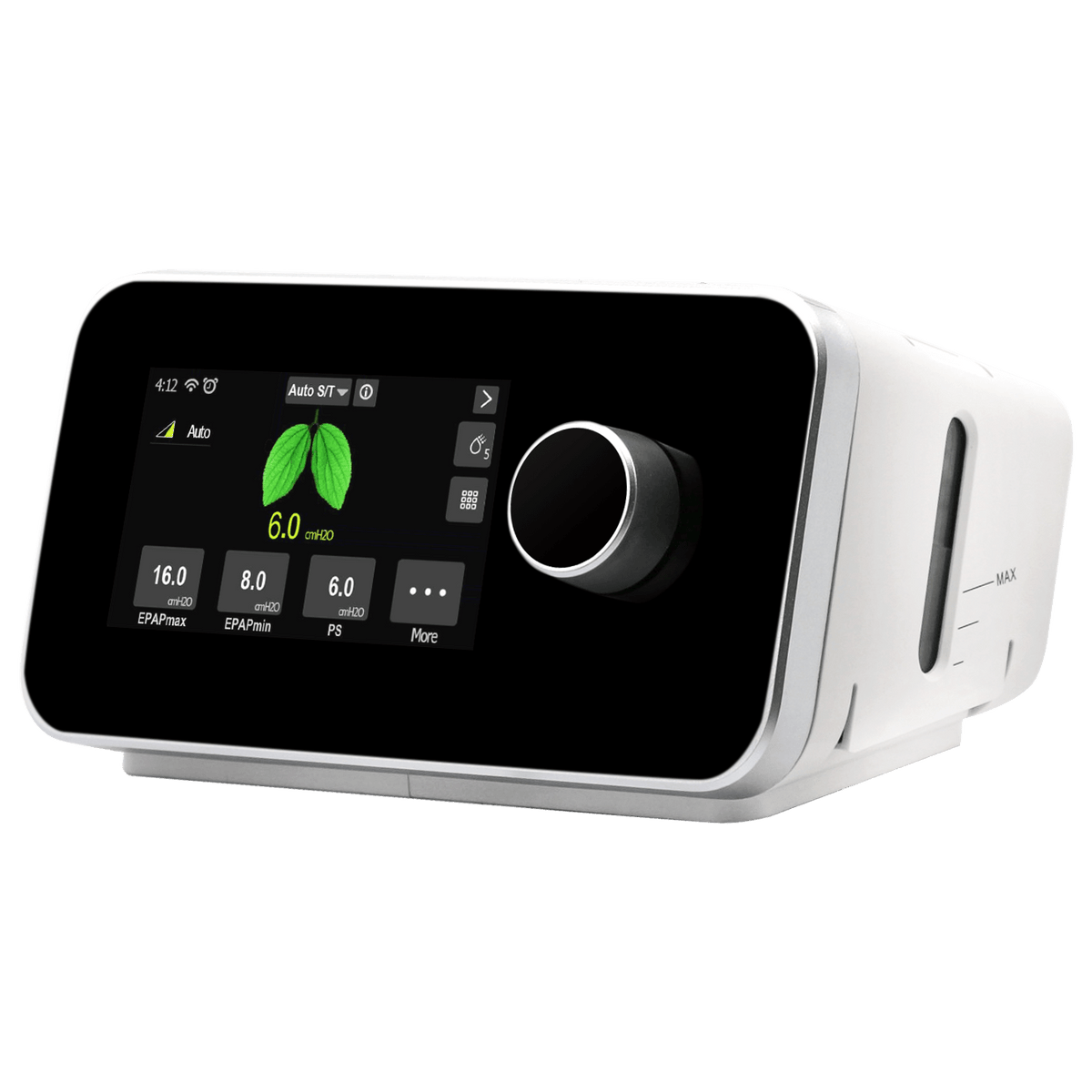
The Auto BiPAP Machine stands out for mouth breathers who need therapy tailored to changing nightly needs. Its auto-adjusting pressure adapts in real time, while full face mask compatibility and a built-in humidifier tackle dry mouth and leaks head on. Nightly data tracking means you can review your progress or troubleshoot with your provider if therapy feels off. While setup may require some initial guidance—especially for mask fit—most users find the comfort features make it easier to stick with therapy. It's an excellent choice for those managing moderate to severe sleep apnea or anyone frustrated by air leaks on basic CPAP systems.
Auto BiPAP Machine + O2Ring
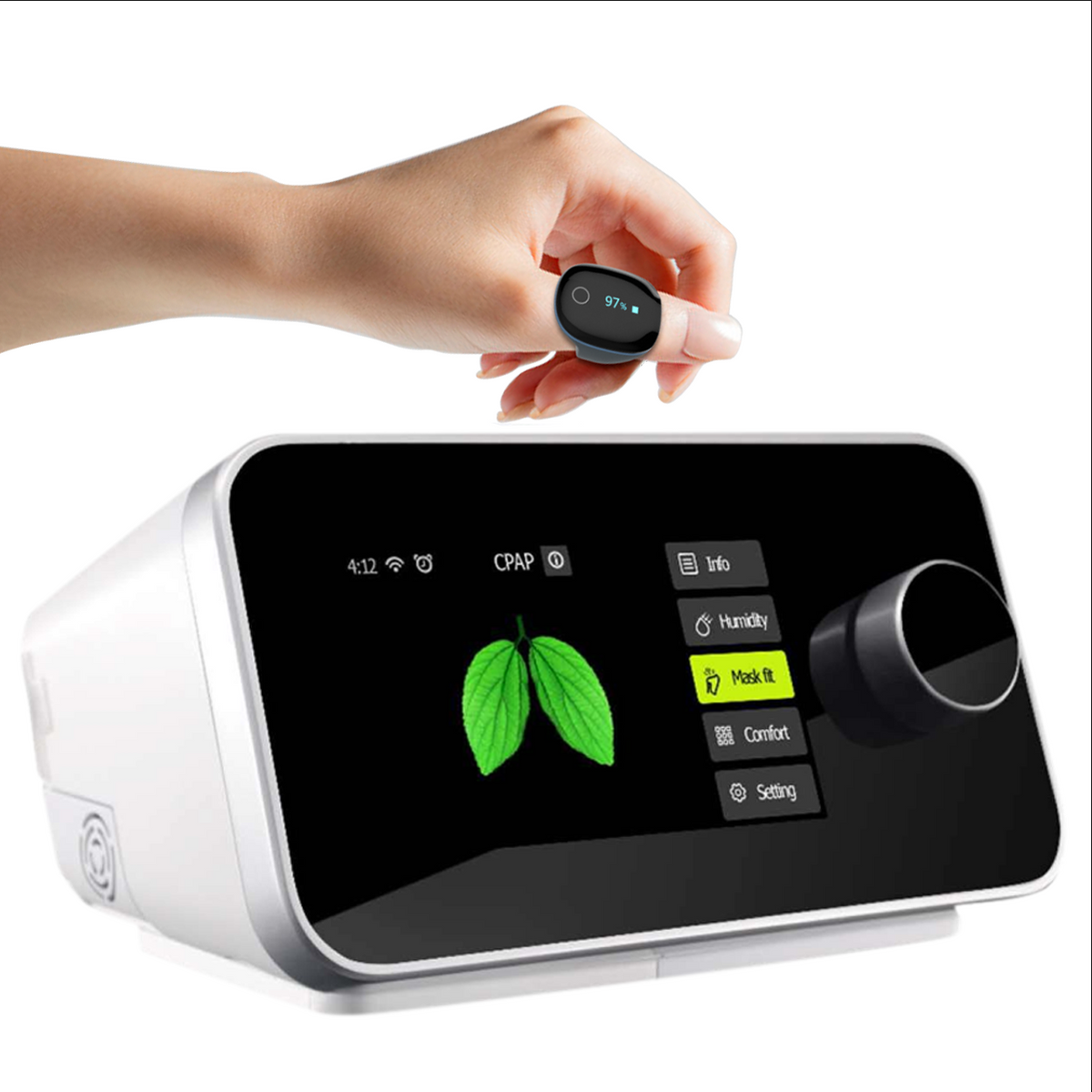
Pairing the Auto BiPAP Machine with the O2Ring delivers a comprehensive solution—combining auto-adjusting sleep therapy with overnight oxygen monitoring. This setup is ideal for users who want extra reassurance about their oxygen levels or have been instructed to track O2 saturation at home. You get all the comforts of the standalone BiPAP plus actionable insights into how well your therapy is supporting healthy oxygen levels. As with any advanced device, you’ll want to invest a little time in setup and learning the app, but the payoff is precise, data-driven sleep management. Real-world users often report increased confidence in their therapy and improved compliance.
If You're Unsure
If you're torn between options, start by considering your comfort with mask types—full face masks are almost always the best bet for mouth breathers. Next, decide if you want data tracking or oxygen monitoring. When in doubt, consult your sleep specialist for personalized input.
When to Seek Professional Advice
If dry mouth, leaks, or therapy discomfort persist despite using a full face mask, it’s time to consult your sleep medicine provider. They can review your device reports and help you adjust your settings or mask choice. Never attempt to self-modify device pressures without professional guidance.
Key Takeaways
- Full face masks are typically the most effective option for mouth breathers using sleep therapy devices.
- APAP and BiPAP machines with adjustable pressure and humidification can enhance comfort and compliance for mouth breathers.
- Proper device setup, regular maintenance, and choosing the right mask design are critical for successful sleep therapy at home.
- Reading and understanding device reports ensures therapy is effective and adjustments are made as needed.
Frequently Asked Questions (FAQs)
- What type of mask is best for mouth breathers using CPAP or APAP?
- Full face masks are generally recommended, as they maintain a secure seal even if your mouth opens at night.
- Can I use a nasal mask if I breathe through my mouth at night?
- In most cases, nasal masks are not effective for mouth breathers due to frequent air leaks and reduced therapy effectiveness.
- What features should I look for in a sleep therapy device for mouth breathing?
- Look for humidification, auto-adjusting pressure, quiet operation, and clear compatibility with full face masks.
- How do I prevent dry mouth when using a sleep therapy device?
- Choose a device with a heated humidifier and always use a full face mask. Adjust humidification settings as needed.
- When should I consult a specialist about my sleep therapy equipment?
- Seek professional advice if you experience persistent leaks, dry mouth, discomfort, or if you suspect your therapy isn’t effective.
Further Reading and Related Guides
- Device Setup & How-To Guides for Sleep Therapy
Related reading
Sources and verification
Last checked: February 10, 2026
-
Laser Therapy Tripod Stand for Wellue Pain Relief Device – Adjustable and Stable
Take your pain relief to the next level with this adjustable tripod stand, specially designed for the Wellue Laser Pain Relief Device with TENS. Ideal for hands-free use during longer therapy sessions, this tripod allows for stable and precise positioning—no need to hold the device by hand. ✔ Three-legged base for extra stability✔ Adjustable height and tilt for targeting different body areas✔ Perfect for back, knees, shoulders, and more✔ Lightweight, foldable, and easy to set up—great for home or clinic use Whether you’re managing chronic pain or recovering from injury, this hands-free laser therapy tripod ensures your device stays in place exactly where you need it.
-
The Auto BiPAP / BPAP Machine with Humidifier. ST Mode, Auto-ST Mode, BPM, Ti-Control, Auto-adjusting pressure levels. – Wellue
Please select a full face mask to buy together with the machine Rx required! Please email your prescription to support@getwellue.com Please choose a full face mask to purchase with the machine
-
iBreeze BPAP Machine with O2ring – Wellue
https://getwellue.com/products/ibreeze-bpap-machine https://getwellue.com/pages/o2ring-oxygen-monitor
-
Medical Devices | FDA
The .gov means it’s official.Federal government websites often end in .gov or .mil. Before sharing sensitive information, make sure you're on a federal government site. The site is secure. The https:// ensures that you are connecting to the official website and that any information you provide is encrypted and transmitted securely. Helping innovators, providers, and patients reimagine the home as an integral part of the health care system.
-
High Blood Pressure - What Is High Blood Pressure? | NHLBI, NIH
An official website of the United States government Official websites use .gov A .gov website belongs to an official government organization in the United States. Secure .gov websites use HTTPS A lock ( A locked padlock ) or https:// means you’ve safely connected to the .gov website. Share sensitive information only on official, secure websites.
-
High blood pressure (hypertension) - Symptoms & causes - Mayo Clinic
High blood pressure is a common condition that affects the body's arteries. It's also called hypertension. If you have high blood pressure, the force of the blood pushing against the artery walls is consistently too high. The heart has to work harder to pump blood. Blood pressure is measured in millimeters of mercury (mm Hg). In general, hypertension is a blood pressure reading of 130/80 mm Hg or higher. The American College of Cardiology and the American Heart Association divide blood pressure into four general categories. Ideal blood pressure is categorized as normal.