
CPAP Mask Cushion & Headgear Replacement Schedule: Signs and Tips (2026)
Why Timely CPAP Mask Cushion and Headgear Replacement Matters
Anyone who relies on CPAP therapy knows the frustration of a restless night caused by mask leaks or slipping headgear. The fit and condition of your mask cushion and headgear are central to effective therapy—directly affecting seal quality, comfort, and ultimately, your sleep. Over time, even with rigorous cleaning, the materials break down, leading to increased leaks, skin irritation, and reduced sleep quality. Staying proactive about replacement keeps your therapy consistent and your nights restful.
Key Takeaways
- Replace CPAP mask cushions and headgear regularly, but monitor for wear, leaks, and comfort decline to adjust timing.
- Physical changes—like discoloration, cracking, or loss of elasticity—signal it’s time to replace, even before manufacturer intervals.
- Device reports and personal sleep experience are valuable tools for a personalized replacement schedule.
- Consistent cleaning extends life, but won’t prevent eventual wear and tear.
- Personalizing your schedule based on leak patterns and comfort issues leads to better therapy outcomes.
Who This Is For
This guide is for CPAP, APAP, and BiPAP users who want to get the most from their sleep therapy devices at home. If you’ve experienced an increase in mask leaks, discomfort, or are unsure about how often to swap out your mask parts, you’ll find practical, evidence-informed advice here.
CPAP Mask Cushion Headgear Replacement Schedule: What the Evidence Shows
Standard Timelines
Most manufacturers and clinicians recommend replacing mask cushions every 1-3 months and headgear every 6-12 months. These intervals are based on typical material wear and hygiene needs—especially for silicone or gel cushions, which degrade with nightly use and cleaning. However, these are starting points, not hard rules.
How Usage and Cleaning Affect Replacement
If you use your CPAP nightly and clean mask parts after each use, you might reach the upper end of these intervals. If you notice increased mask leaks, persistent odors, or skin irritation—even with regular cleaning—earlier replacement is warranted. Over-tightening old headgear to compensate for poor fit accelerates wear on both the straps and the cushion, shortening their effective lifespan.
Personalized CPAP Replacement Schedule Checklist
- Track physical condition of mask parts monthly
- Review device leak reports weekly
- Replace cushion at first sign of cracks, loss of softness, or stubborn residue
- Replace headgear if straps have lost stretch or feel loose even after tightening
Spotting CPAP Cushion Replacement Signs
- Physical wear: Look for discoloration, cracking, or a tacky/sticky texture. If the cushion feels stiff or less flexible, it’s losing its seal ability.
- Performance indicators: If you’re experiencing more leaks or need to tighten the headgear more than usual, these are classic cpap cushion replacement signs.
- Hygiene and irritation: Odors, visible residue that doesn’t wash off, or new skin irritation suggest the cushion is harboring buildup, even with cleaning.
Recognizing CPAP Headgear Stretched Out Symptoms
- Loss of elasticity: If straps stretch out but don’t rebound, or if you’re constantly readjusting for a snug fit, your headgear is likely past its prime.
- Slippage and inconsistent fit: Frequent mask movement during sleep or the need to overtighten are classic cpap headgear stretched out symptoms.
- Therapy performance: Older headgear can cause subtle mask leaks, undermining effective pressure delivery and showing up as higher leak rates in your device’s data.
Linking Cleaning Habits and Replacement Intervals
Consistent, gentle cleaning prolongs mask part life. Daily soap-and-water rinsing removes skin oils and debris, helping maintain cushion flexibility and headgear elasticity. Avoid harsh chemicals and hot water, which can accelerate material breakdown. Aggressive scrubbing or infrequent cleaning can both cause premature wear, so aim for a balanced routine—gentle, regular, and thorough.
- Always air-dry parts away from direct sunlight
- Check for residue or odor after cleaning—persistent issues mean it’s time to replace
Monitoring for Mask Leaks and Comfort Decline
Your device’s nightly report is a powerful tool. Many modern CPAP machines track leak rates and issue alerts when they creep above recommended levels. If you notice a trend of increasing leaks, even after adjusting your mask and headgear, that’s a direct signal of cushion or headgear wear. Similarly, discomfort—red marks, soreness, or waking to readjust—means it’s time to inspect and likely replace affected components.
CPAP Replacement Schedule Checklist: Your Wear-Based Calendar
| Component | Monthly | Quarterly | Annually |
|---|---|---|---|
| Mask Cushion | Inspect for wear/leaks | Replace if any cpap cushion replacement signs | Replace if not already |
| Headgear | Check elasticity | Replace if cpap headgear stretched out symptoms appear | Replace if not already |
- Set calendar reminders or use a printable checklist (see below) for proactive mask maintenance.
- Adjust schedule if you notice leaks, discomfort, or visible wear between intervals.
Printable Checklist Example:
- ☐ Inspect cushion/headgear at start of each month
- ☐ Review device leak data weekly
- ☐ Replace cushion at first sign of damage or seal loss
- ☐ Replace headgear when straps are loose or overstretched
If You're Unsure
If you’re not sure whether your mask parts need replacing, trust the combination of your comfort, device leak reports, and a physical inspection. Any new discomfort, visible damage, or persistent leaks—despite cleaning and adjustments—are clear cues to replace. When in doubt, err on the side of a fresh cushion or headgear; better seal and comfort are worth it for quality sleep.
Conclusion: Maintaining Optimal CPAP Therapy With Timely Replacement
Replacing your CPAP mask cushion and headgear isn’t just a matter of following a set schedule—it’s about responding to real-world signs like leaks, loss of comfort, and visible wear. By using a wear-based calendar, monitoring device data, and adjusting for your personal experience, you’ll avoid preventable therapy disruptions and sleep better. Prioritize proactive replacement, and if you’re looking for more detailed device setup and cleaning guidance, check out our CPAP cleaning and maintenance guide.
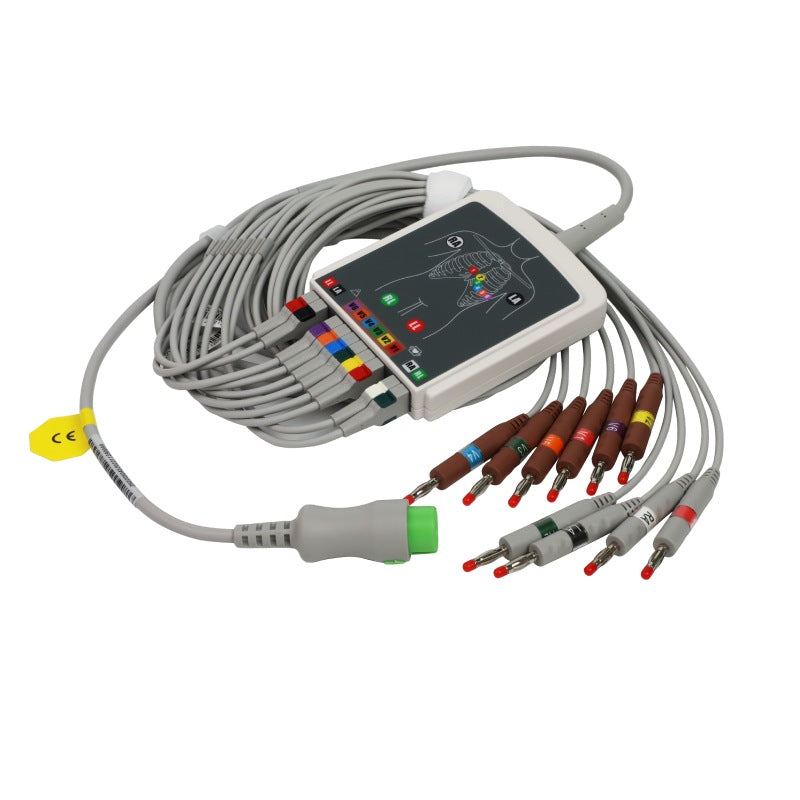
For current pricing, check Biocare iE6 ECG Acquisition Box and Lead Wires.
Replace by condition and schedule
“How long can I use CPAP headgear?” depends on stretch, seal, cleaning, damage, and the supplier or insurer schedule. ResMed’s replacement guidance is a reference for its equipment and notes that headgear can stretch and lead to overtightening; it is not a universal deadline for every brand.
| Part | Inspect for | Action |
|---|---|---|
| Cushion or pillow | Cracks, stiffness, discoloration, residue, skin irritation, or a leak that needs more tightening. | Replace according to condition and the model instructions. |
| Headgear | Stretched fabric, worn hook-and-loop, odor, or needing tighter straps to seal. | Replace; do not compensate with painful overtightening. |
| Frame and tubing | Cracks, holes, clouding, loose joins, or persistent leak. | Replace the affected part and check compatibility. |
Insurance or Medicare timing may determine reimbursement, while the manufacturer’s instructions determine cleaning and safe use. Ask the equipment provider about coverage and keep a spare plan if therapy is medically required.
Primary check: ResMed CPAP replacement guidelines (manufacturer) · mask fit troubleshooting.
Related reading
Sources and verification
Last checked: September 7, 2026
-
ECG data acquisition box with lead wires for Biocare iE6 6-Channel ECG Machine – Wellue
No snippet
-
12-Lead Holter Monitor with Free Analysis Software | ECG Recording, Report Editing & Print – Wellue
Simultaneous 12‑Lead ECG Recording for 24 hours Automated Arrhythmia Analysis & Pacemaker-Compatible Weighing just 105g/3.7oz (excluding battery), this compact design is easy to carry and perfect for on-the-go, enabling quick and convenient ECG measurements anytime, anywhere.
-
12-Lead EKG/ECG Machine in The Palm of Your Hand, Transforming Point-of-Care ECG with Great Portability – Wellue
*Select with or without the ECG PC software (Windows ONLY) *For use by qualified, trained or licensed healthcare professionals. *Select with or without the ECG PC software (Windows ONLY)
-
Medical Devices | FDA
The .gov means it’s official.Federal government websites often end in .gov or .mil. Before sharing sensitive information, make sure you're on a federal government site. The site is secure. The https:// ensures that you are connecting to the official website and that any information you provide is encrypted and transmitted securely. Helping innovators, providers, and patients reimagine the home as an integral part of the health care system.
-
High Blood Pressure - What Is High Blood Pressure? | NHLBI, NIH
An official website of the United States government Official websites use .gov A .gov website belongs to an official government organization in the United States. Secure .gov websites use HTTPS A lock ( A locked padlock ) or https:// means you’ve safely connected to the .gov website. Share sensitive information only on official, secure websites.
-
High blood pressure (hypertension) - Symptoms & causes - Mayo Clinic
High blood pressure is a common condition that affects the body's arteries. It's also called hypertension. If you have high blood pressure, the force of the blood pushing against the artery walls is consistently too high. The heart has to work harder to pump blood. Blood pressure is measured in millimeters of mercury (mm Hg). In general, hypertension is a blood pressure reading of 130/80 mm Hg or higher. The American College of Cardiology and the American Heart Association divide blood pressure into four general categories. Ideal blood pressure is categorized as normal.