
Introduction: Why Accurate Blood Pressure Monitoring at Home Matters
Blood pressure concerns millions of adults worldwide, and home monitoring is more than just a convenience—it's a cornerstone of proactive health management. Hypertension, or high blood pressure, often develops quietly, raising risks for heart attack, stroke, and other serious conditions (NHLBI, Mayo Clinic). Consistently tracking your numbers at home with a reliable blood pressure measurement instrument can help detect trends early, support your treatment plan, and give your healthcare provider a clearer picture between office visits.
Key Takeaways
- Accurate home blood pressure monitoring helps manage and detect hypertension early.
- Choose a blood pressure measurement instrument that is clinically validated, easy to use, and fits your lifestyle.
- Regular maintenance and correct usage are essential for reliable readings.
- Bluetooth and wireless features can make tracking and sharing results easier.
Types of Blood Pressure Measurement Instruments
Manual vs. Digital Blood Pressure Monitors
Manual monitors (with stethoscope and aneroid gauge) are rarely recommended for home use today—they require skill, and errors are common. Digital blood pressure measurement instruments, especially upper-arm models, dominate the home market for their reliability and ease of use. They automatically inflate, measure, and display your reading, reducing user error.
Upper Arm, Wrist, and Wireless Models Explained
Upper-arm monitors remain the gold standard for home accuracy. Wrist monitors offer portability but can be sensitive to positioning, often leading to less consistent results. Recent years have ushered in wireless and Bluetooth-enabled models, allowing for direct syncing with health apps—streamlining long-term tracking and reporting.
Smart Features: Bluetooth, Apps, and Data Tracking
Modern blood pressure measurement instruments often pair with smartphones, letting you view trends, set reminders, and seamlessly share data with your healthcare team. Look for app compatibility (such as Apple Health integration) and reliable cloud storage if you want to manage your health over time.
Key Features to Look for in a Home Blood Pressure Monitor
Accuracy and Validation Standards
Always look for clinical validation—devices cleared by regulatory bodies like the FDA have been independently tested for accuracy (FDA). This is non-negotiable for home health monitoring.
Ease of Use and User-Friendly Displays
Choose models with clear, backlit screens and simple controls. If you have visual or dexterity limitations, these features are especially valuable.
Cuff Fit, Comfort, and Adjustability
A well-fitting, comfortable cuff is essential for correct readings. Most upper-arm cuffs are adjustable, but always check the size range. Poor fit is a leading cause of inaccurate results.
Data Storage, Reporting, and Health App Integration
Some monitors store dozens (or even hundreds) of readings and can generate reports. Bluetooth and wireless capabilities simplify sharing with your doctor, and app integration can help you spot patterns over time.
Step-by-Step Guide: Setting Up and Using Your Blood Pressure Measurement Instrument
- Prepare: Rest quietly for 5 minutes, feet flat on the floor, arm supported at heart level.
- Fit the Cuff: Place the cuff on bare skin above the elbow (for upper-arm models) and secure snugly, but not too tight.
- Start the Measurement: Press the start button; remain still and silent as the device inflates and records your reading.
- Review Results: Read the digital display. For Bluetooth models, sync with your app to save the data.
- Log or Share: If not using an app, record your results in a notebook. Share abnormal readings with your healthcare provider.
Maintaining Your Blood Pressure Measurement Instrument
Simple Cleaning and Care Tips
Wipe the cuff and device with a soft, damp cloth. Avoid submerging in water or using harsh chemicals. Store in a cool, dry place.
Troubleshooting Common Device Errors
If the device fails to inflate or gives error messages, check batteries, cuff connection, and fit. Persistent issues may require technical support.
When to Replace Your Device or Cuff
Replace the cuff if it shows visible wear or loses elasticity. Most digital blood pressure monitors last several years with proper care but consider replacement if the device becomes unreliable or fails self-checks.
Understanding Your Blood Pressure Reports
What Do the Numbers Mean?
Your reading includes systolic (top number, pressure as the heart beats) and diastolic (bottom number, pressure as the heart rests) values, plus your pulse. According to the Mayo Clinic, normal adult readings are generally below 120/80 mm Hg, and hypertension begins at 130/80 mm Hg. Trends and context matter more than one-off numbers.
Recognizing Patterns and When to Share Results
Look for averages or consistent changes over days or weeks. If you notice consistently high or low readings, contact your healthcare provider.
Storing and Sharing Data Securely
Use apps with encryption and secure cloud storage if you wish to keep your health data private. Only share results with trusted providers.
Comparing Popular Blood Pressure Measurement Instruments (2026)
| Model | Key Features | Pros | Cons | Best For | Product Review | Shop | Actions |
|---|---|---|---|---|---|---|---|
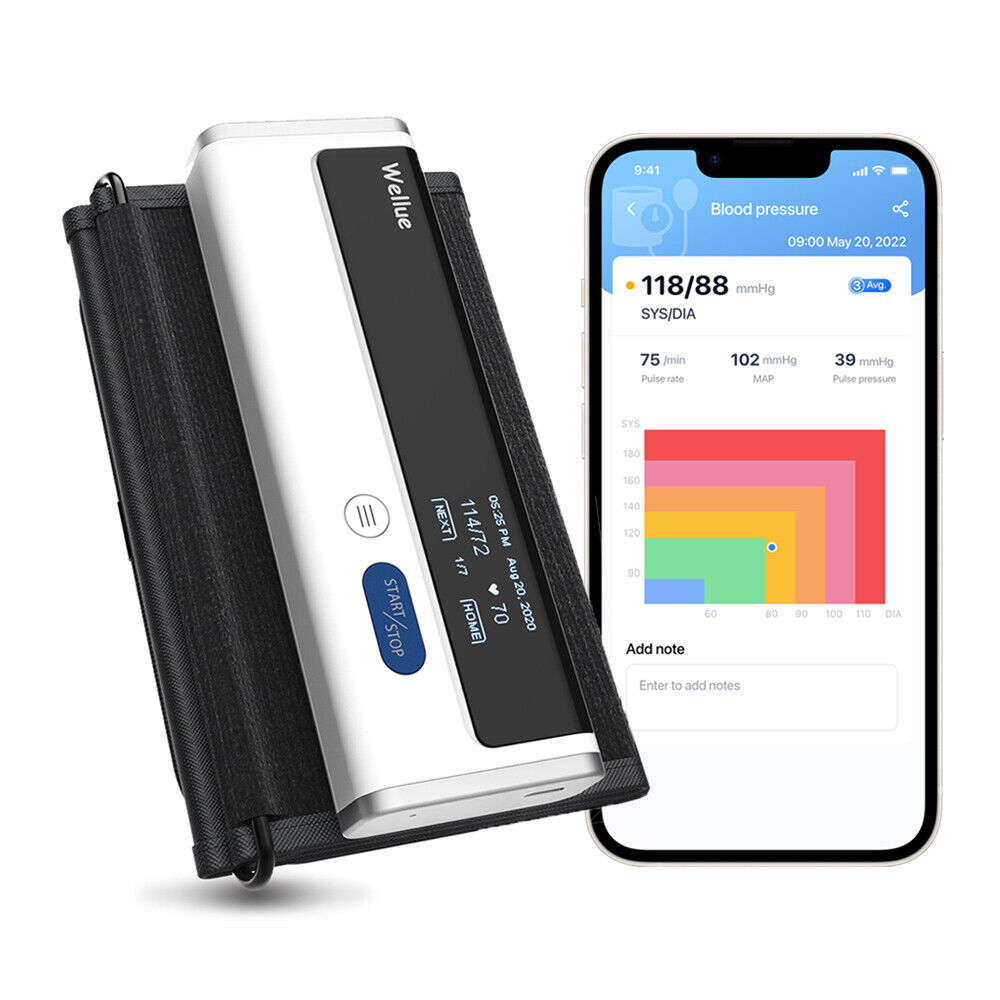
| Upper-arm, app sync, large screen | Reliable, readable trends, auto inflation | Cuff fit is crucial, posture-sensitive | Routine BP tracking at home | Wellue | |||
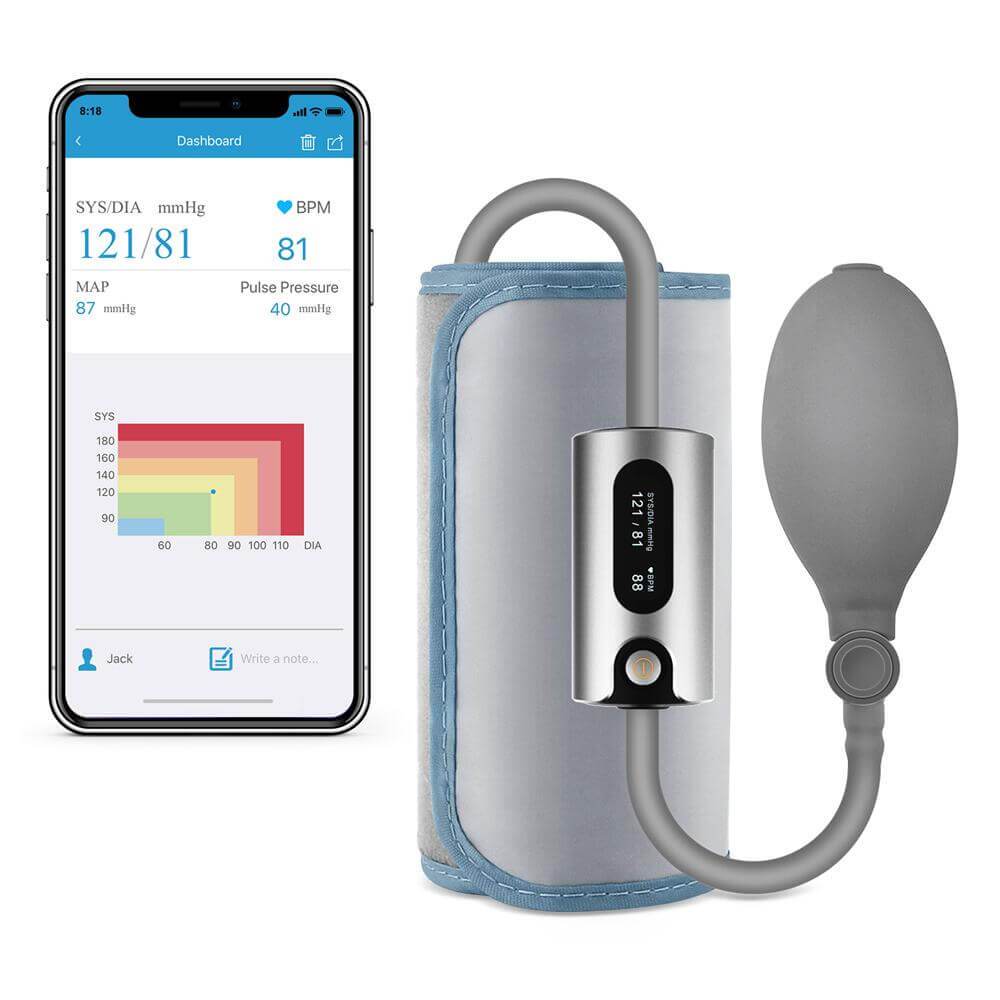
| Upper-arm, Bluetooth, app history | Easy app sync, trend tracking | Requires proper arm positioning | Tech-friendly users, shared monitoring | Wellue | |||
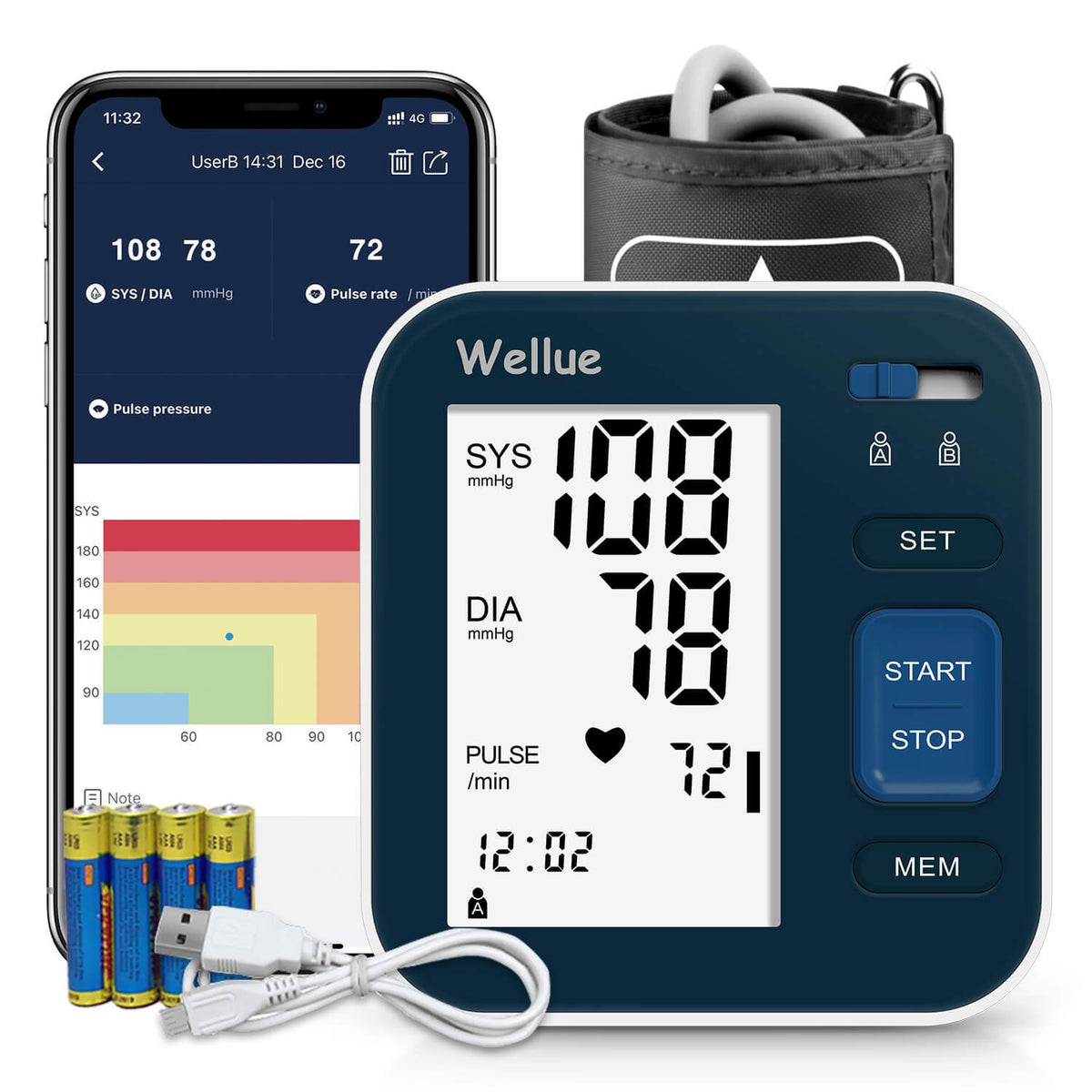
| Upper-arm, smart features, auto averages | Robust app support, compact | Cuff size must match arm | Frequent travelers, digital-first users | Wellue |
If you're unsure
If you want simplicity, choose an upper-arm model with a clear screen and one-button operation. For tech-savvy users, Bluetooth and app integration add real-world value. Always check the cuff's fit range—accuracy starts with the right size.
Who this is for
Anyone wanting to track their blood pressure at home—especially those managing hypertension, monitoring medication effects, or sharing trends with a healthcare provider—benefits from a modern, clinically validated blood pressure measurement instrument. They're also ideal for caregivers and family members supporting loved ones' heart health.
Product Spotlights
AirBP Plus Blood Pressure Monitor with Screen
The AirBP Plus stands out for its straightforward setup and reliable upper-arm measurements. The large, backlit display makes it easy to see readings without squinting, and the app sync feature helps you visualize blood pressure trends over time. It's best for those who want a dependable, no-frills device for daily tracking. One minor limitation: as with all cuff monitors, ensuring the cuff fits your arm correctly is essential for accuracy. In a real-world scenario, a user managing hypertension can track morning and evening readings, easily sharing results at doctor visits with the Wellue app.
Bluetooth Upper Arm Blood Pressure Monitor
This monitor shines for those who appreciate wireless convenience. Bluetooth connectivity makes it simple to keep a running log without manual entry, and the averaged measurements feature supports trend spotting rather than fixating on single readings. It's ideal for families or couples who want to store separate profiles and send reports directly from their phones. The main caveat: as with most home monitors, maintaining proper posture is still key for best results. A common use case is for tech-oriented users who want automated reminders and seamless app integration to stay on top of their health goals.
Smart Blood Pressure Monitor
The Smart Blood Pressure Monitor is well-suited for travelers and digital-first users. Its compact size doesn't sacrifice accuracy, and the robust app support allows you to export and share your history with ease. It's particularly helpful for those who need to monitor BP on the go or across multiple locations. The only real concern: ensure the cuff size matches your arm circumference for consistent readings. For example, a frequent traveler can pack the device, take quick measurements, and have their entire BP history at their fingertips during specialist appointments.
Summary: Making Home Monitoring Work for You
Home blood pressure monitoring empowers you to take an active role in your cardiovascular health. The best blood pressure measurement instrument is the one you’ll use consistently and correctly—one that fits your arm, meets accuracy standards, and aligns with your lifestyle. For most, the AirBP Plus Blood Pressure Monitor offers a balance of simplicity and reliability, while Bluetooth-enabled models are excellent for those who value digital tracking and sharing. Whichever you choose, regular use and maintenance maximize the benefits.
Frequently Asked Questions (FAQ)
- How do I know if my blood pressure measurement instrument is accurate? Look for FDA clearance or clinical validation standards on the packaging or in product details. Test your device against your healthcare provider's office monitor periodically for peace of mind.
- What are the advantages of wireless and Bluetooth-enabled blood pressure monitors? They allow for easy syncing with health apps, automated trend tracking, and effortless sharing of your results with care teams.
- How often should I clean or replace my blood pressure monitor cuff? Clean the cuff with a soft, damp cloth every few weeks or after heavy use. Replace the cuff if it becomes worn, stretched, or is not holding readings consistently.
- Can I share my home blood pressure readings with my healthcare team? Yes. Most modern monitors let you export data via app or email for sharing during appointments or remotely.
- What should I do if my readings at home are consistently high or low? Do not adjust your treatment plan yourself. Record several readings and consult your healthcare provider for guidance.
Related reading
Sources and verification
Last checked: April 19, 2026
-
Wireless Blood Pressure Monitor. Support Free App works with Apple Health for easy management. – Wellue
*Only available in the USA and EU countries. *Only available in the USA and EU countries. A BP monitor to deliver accurate results.
-
Wellue Bluetooth Upper Arm Blood Pressure Monitor. The best home blood pressure monitor. The most accurate blood pressure monitor. Fully automatic.
Be the first to ask a question about this.
-
Medical Devices | FDA
The .gov means it’s official.Federal government websites often end in .gov or .mil. Before sharing sensitive information, make sure you're on a federal government site. The site is secure. The https:// ensures that you are connecting to the official website and that any information you provide is encrypted and transmitted securely. Helping innovators, providers, and patients reimagine the home as an integral part of the health care system.
-
High Blood Pressure - What Is High Blood Pressure? | NHLBI, NIH
An official website of the United States government Official websites use .gov A .gov website belongs to an official government organization in the United States. Secure .gov websites use HTTPS A lock ( A locked padlock ) or https:// means you’ve safely connected to the .gov website. Share sensitive information only on official, secure websites.
-
High blood pressure (hypertension) - Symptoms & causes - Mayo Clinic
High blood pressure is a common condition that affects the body's arteries. It's also called hypertension. If you have high blood pressure, the force of the blood pushing against the artery walls is consistently too high. The heart has to work harder to pump blood. Blood pressure is measured in millimeters of mercury (mm Hg). In general, hypertension is a blood pressure reading of 130/80 mm Hg or higher. The American College of Cardiology and the American Heart Association divide blood pressure into four general categories. Ideal blood pressure is categorized as normal.