
Sleep Therapy Device Auto Start/Stop Comparison (2026): CPAP, APAP & BiPAP Options for Effortless Sleep Care
For anyone relying on sleep therapy, the difference between sticking with nightly treatment and giving up often comes down to everyday ease. Auto start and stop features—now standard on leading CPAP, APAP, and BiPAP machines—remove several small but meaningful hurdles. Instead of fumbling with buttons or menus at bedtime, you simply put on your mask and breathe. The device does the rest, which can make a world of difference for comfort, adherence, and peace of mind.
Key Takeaways
- Auto start/stop simplifies nightly use, boosting adherence for many CPAP, APAP, and BiPAP users.
- Different machines offer varied levels of automation—choose based on your comfort, therapy needs, and lifestyle.
- Device reliability, setup, and maintenance matter as much as automation for long-term satisfaction.
- Models like the iBreeze Auto BiPAP stand out for customizable comfort and intuitive controls.
Why Auto Start and Stop Features Matter
Sleep therapy devices have evolved rapidly, with manufacturers focusing on features that encourage consistent use. Auto start/stop addresses a common frustration: the need to manually power on or off your machine while wearing a mask. It’s more than just a convenience—it can help you stick with therapy, especially if you struggle with dexterity, vision, or simply want a smoother nightly transition. This is especially valuable for new users, older adults, or anyone who finds device operation intimidating.
Understanding Auto Start/Stop in Sleep Therapy Devices
Auto start/stop means your machine detects your breathing (or lack of it) and starts or stops therapy accordingly. On most CPAP, APAP, and BiPAP devices, once you put on the mask and breathe in, the device automatically activates. Remove the mask or stop breathing into it, and it powers down after a short delay. In practice, this reduces the friction of nightly therapy—no hunting for buttons in the dark or worrying about leaving the machine running unnecessarily.
Types of Sleep Therapy Devices with Auto Start/Stop
CPAP Machines
Modern CPAP machines with auto start/stop are ideal for those with straightforward sleep apnea needs. They offer reliable, fixed-pressure support and now commonly feature smart sensors for hands-free operation. Leading models emphasize quiet operation and easy setup.
APAP Machines
APAP devices build on CPAP simplicity, but automatically adjust pressure throughout the night. They pair well with auto start/stop, since the point is to make therapy as unobtrusive as possible. If your pressure needs vary or you want the most adaptive experience, an APAP with robust automation is worth considering.
BiPAP and BPAP Devices
BiPAP (or BPAP) machines are designed for those needing two pressure levels (inhalation and exhalation). Advanced models, like the iBreeze Auto BiPAP, combine auto-adjusting pressure with start/stop automation and detailed therapy reporting. Comfort settings and smart features are especially helpful for complex therapy needs.
Comparison Table: Top Sleep Therapy Devices with Auto Start/Stop (2026)
| Device | Type | Auto Start/Stop | Key Features | User Experience | Best For | Actions |
|---|---|---|---|---|---|---|
| BiPAP | Yes | Auto-adjust, detailed data, quiet, comfort settings | Highly customizable, easy to use | Users needing variable pressure, flexibility | ||
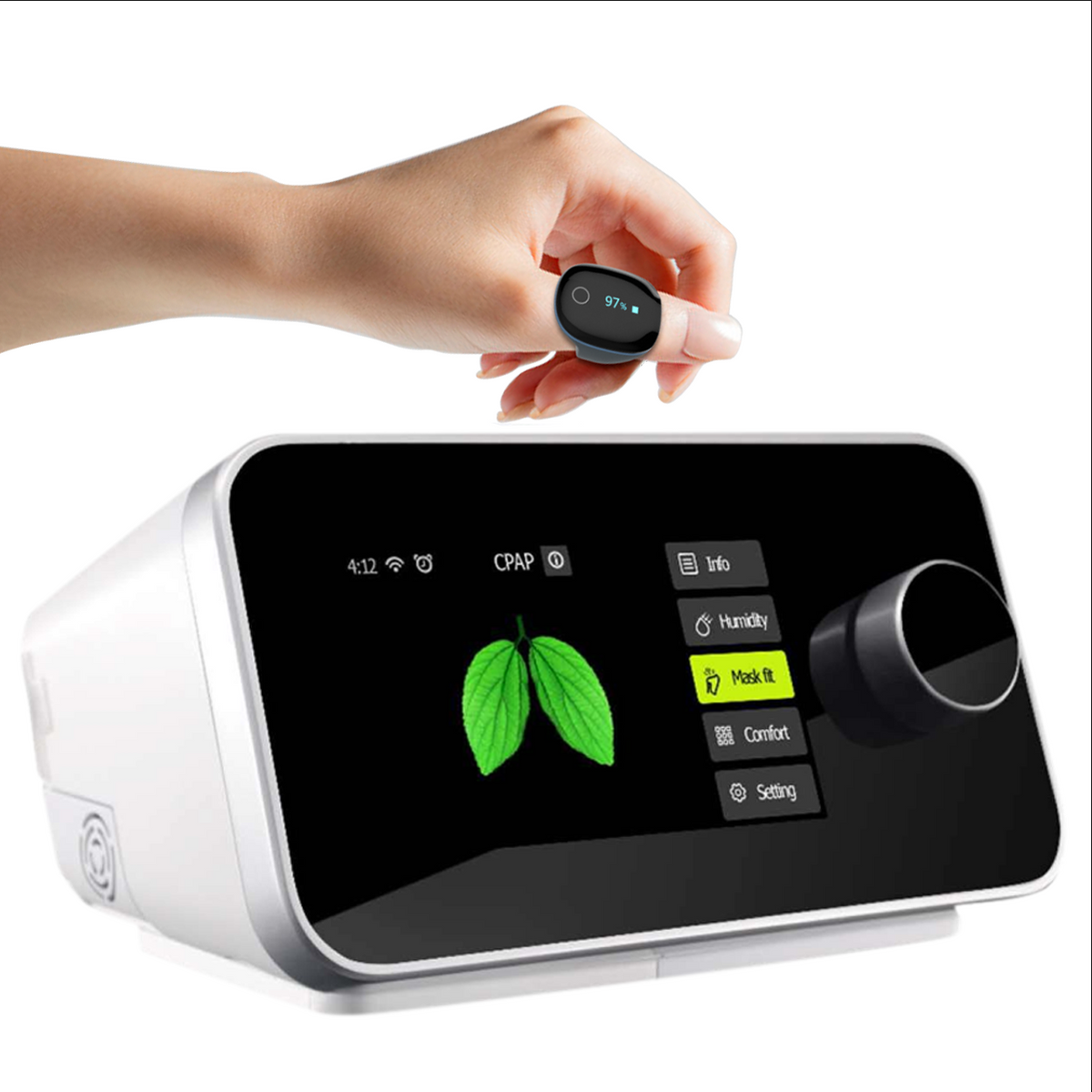 iBreeze Auto BiPAP + O2Ring |
BiPAP + O2 Monitor | Yes | Integrated oximetry, auto-adjust, app data | Comprehensive, tracks SpO2 trends | Therapy + overnight oxygen tracking | Review | Wellue |
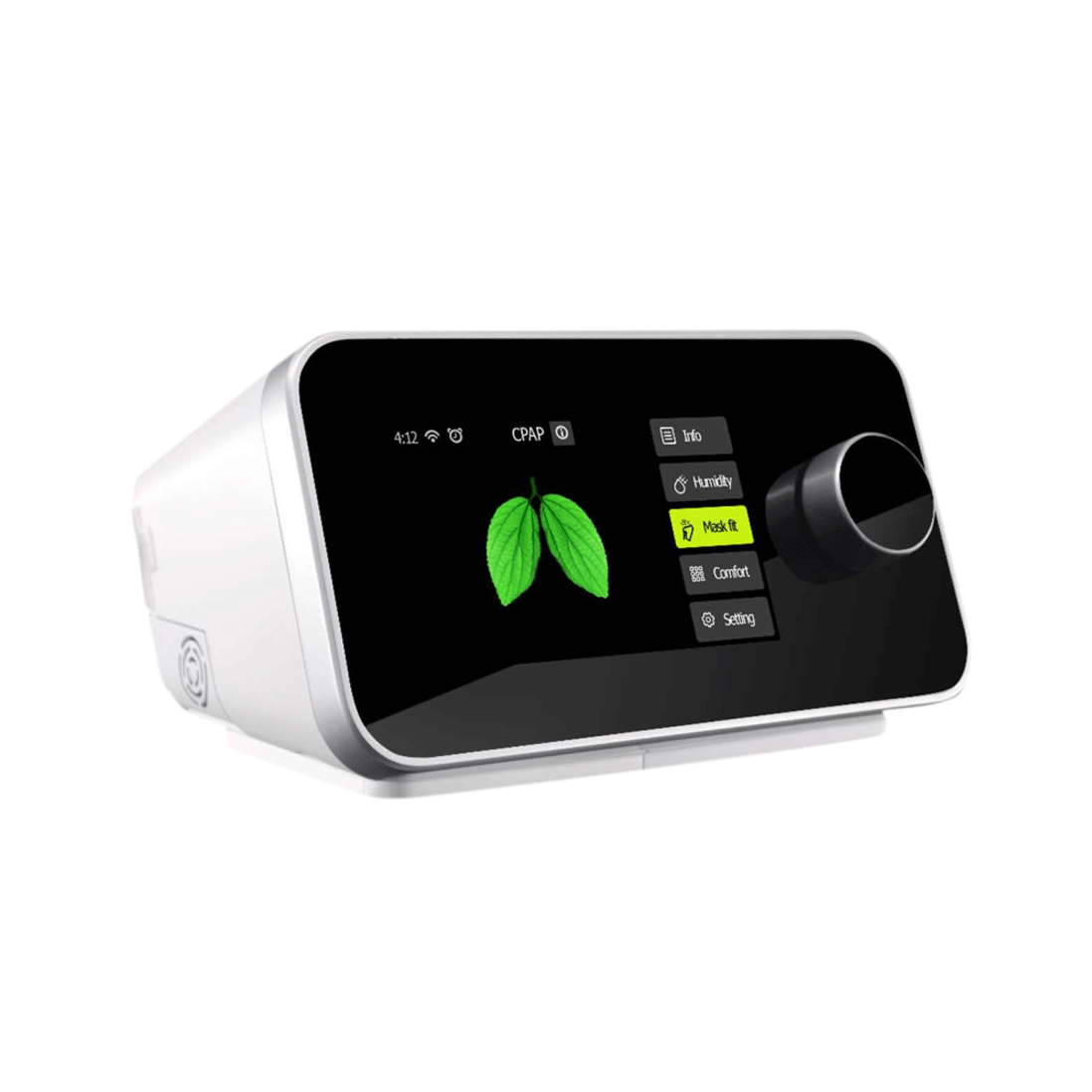 iBreeze Auto BPAP Unit |
BiPAP | Yes | Auto pressure, quiet, detailed app reports | Straightforward, reliable, easy to maintain | Long-term, home therapy | Review | Wellue |
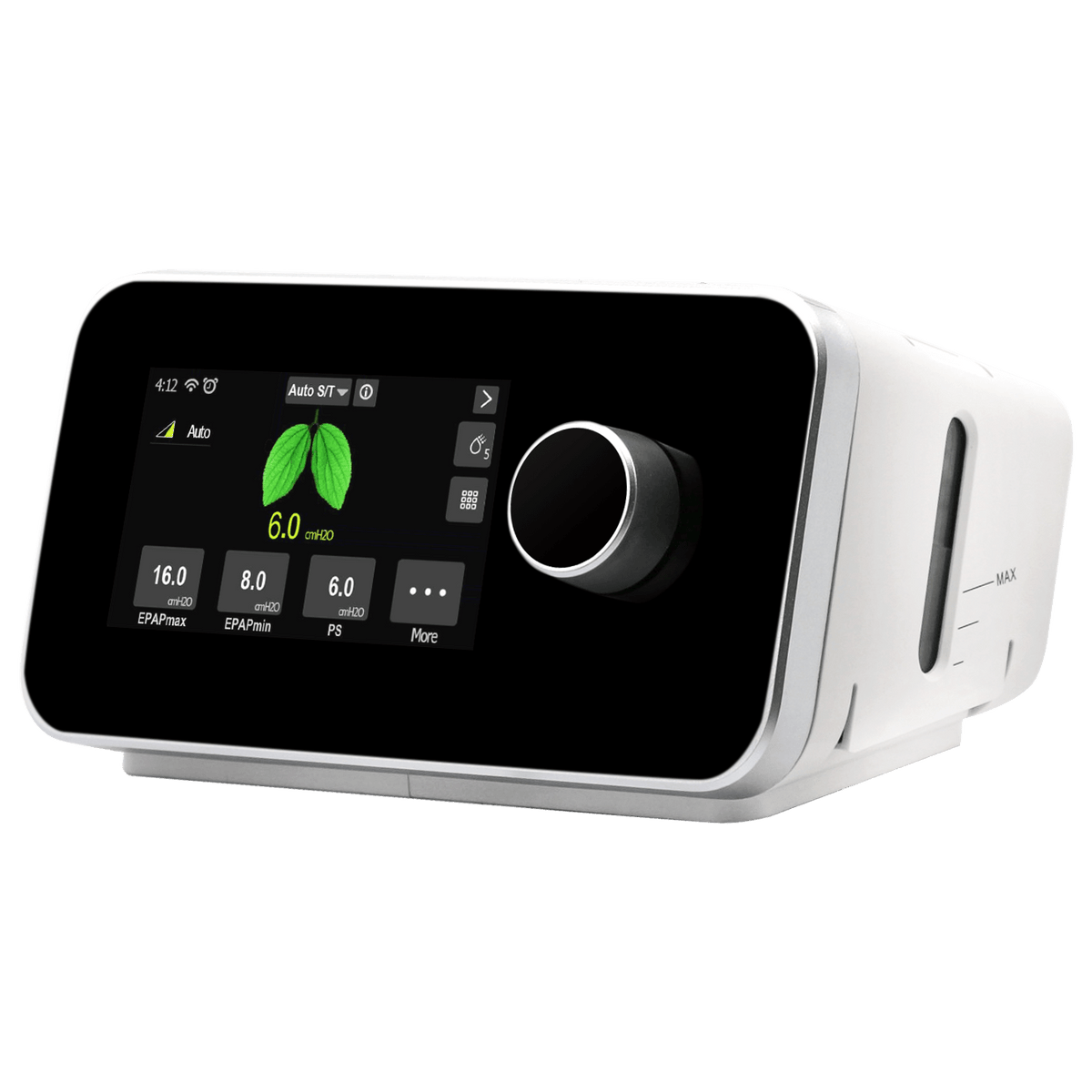
In-Depth Device Reviews & User Experience
iBreeze Auto BiPAP
This machine balances smart automation with a gentle learning curve. The iBreeze Auto BiPAP shines for users who need customizable pressure support and appreciate in-depth data tracking. Its auto start/stop function works reliably, making bedtime routines virtually frictionless—even for those with limited dexterity. One limitation: you’ll want proper setup guidance to ensure mask fit and therapy comfort. Best for users needing more than basic CPAP, but wanting a device that’s still intuitive every night.
iBreeze Auto BiPAP + O2Ring
Adding the O2Ring introduces continuous oxygen saturation monitoring alongside therapy. For anyone whose doctor recommends both sleep therapy and overnight oxygen trend tracking, this combination is a standout. The auto start/stop function remains seamless, with SpO2 data synced to the app for easy review. One limitation: managing multiple accessories takes a little extra setup. Best suited to users whose therapy plan includes both airway support and oxygen monitoring.
iBreeze Auto BPAP Machine Unit
This core unit offers all the essentials: auto-adjusting pressure, responsive auto start/stop, and clear nightly data reports. Daily use feels familiar and straightforward, especially after initial setup. For long-term home therapy, its quiet operation and reliable automation help it blend into your nightly routine. Limitation: like all BiPAPs, ongoing supply management (filters, tubing) is required. It’s a practical pick for those who want robust therapy without extra monitoring accessories.
Choosing the Right Device: What to Consider Beyond Auto Start/Stop
- Mask compatibility: Not every mask works equally well with auto features—confirm fit and seal before purchase.
- Prescription and FDA guidance: U.S. regulations require a prescription for most devices; always follow FDA and provider guidance (FDA Medical Devices).
- Cleaning and maintenance: Automated features don’t replace regular cleaning; plan for routine maintenance to ensure reliability.
- Device reporting: Look for models with clear app/device reports to track your use and progress over time.
Who Should Prioritize Auto Start/Stop Features?
- New users who find device operation intimidating or cumbersome.
- People with dexterity, vision, or mobility challenges.
- Anyone who wants a smoother, more consistent bedtime routine—especially frequent travelers.
If You're Unsure
If you’re not sure what you need, start by considering what you struggle with most: is it pressure comfort, nightly setup, or managing multiple devices? For most, a BiPAP with auto start/stop covers the widest range of needs. If you need oxygen monitoring, consider the bundled O2Ring option. If you value simplicity, the core Auto BPAP unit is an excellent starting point. Always check device compatibility with your prescribed mask and consult your provider for specific therapy recommendations.
Summary: Key Pros and Cons of Auto Start/Stop Sleep Therapy Devices
- Pros: Maximizes nightly ease, helps new users adapt, reduces risk of user error, feels more natural.
- Cons: Slightly higher upfront cost; auto sensors can be affected by poor mask fit; maintenance is still required.
- Technical reliability is strong on leading models, but occasional recalibration may be needed.
- Long-term satisfaction is highest among users who value convenience and have consistent routines.
FAQs: Sleep Therapy Devices with Auto Start/Stop
Related reading
Sources and verification
Last checked: February 10, 2026
-
The Auto BiPAP / BPAP Machine with Humidifier. ST Mode, Auto-ST Mode, BPM, Ti-Control, Auto-adjusting pressure levels. – Wellue
Please select a full face mask to buy together with the machine Rx required! Please email your prescription to support@getwellue.com Please choose a full face mask to purchase with the machine
-
iBreeze BPAP Machine with O2ring – Wellue
https://getwellue.com/products/ibreeze-bpap-machine https://getwellue.com/pages/o2ring-oxygen-monitor
-
Auto BiPAP / BPAP Machine. ST Mode, Auto-S/T Mode, Ti-Control, Auto-adjusting pressure levels. – Wellue
Please select a full face mask to buy together with the machine Rx required! Please email your prescription to support@getwellue.com Please choose a full face mask to purchase with the machine
-
Medical Devices | FDA
The .gov means it’s official.Federal government websites often end in .gov or .mil. Before sharing sensitive information, make sure you're on a federal government site. The site is secure. The https:// ensures that you are connecting to the official website and that any information you provide is encrypted and transmitted securely. Helping innovators, providers, and patients reimagine the home as an integral part of the health care system.
-
High Blood Pressure - What Is High Blood Pressure? | NHLBI, NIH
An official website of the United States government Official websites use .gov A .gov website belongs to an official government organization in the United States. Secure .gov websites use HTTPS A lock ( A locked padlock ) or https:// means you’ve safely connected to the .gov website. Share sensitive information only on official, secure websites.
-
High blood pressure (hypertension) - Symptoms & causes - Mayo Clinic
High blood pressure is a common condition that affects the body's arteries. It's also called hypertension. If you have high blood pressure, the force of the blood pushing against the artery walls is consistently too high. The heart has to work harder to pump blood. Blood pressure is measured in millimeters of mercury (mm Hg). In general, hypertension is a blood pressure reading of 130/80 mm Hg or higher. The American College of Cardiology and the American Heart Association divide blood pressure into four general categories. Ideal blood pressure is categorized as normal.