
Quick answer: If your heart symptoms occur often (daily or almost daily), a 7-day heart monitor patch can be sufficient—and typically more comfortable. If your symptoms are rare (weekly or less), a 14-day or 30-day event monitor increases the chances of capturing an event, but may introduce more skin irritation and return logistics. Always verify that any home ECG or rhythm monitor is FDA-listed or cleared, and clarify how reports will be delivered to your clinician.
Quick Verdict: Choosing the Right Heart Monitor Duration
| Duration | Best For | Pros | Cons |
|---|---|---|---|
| 7 Days | Frequent symptoms (daily or every few days) | Lower skin irritation, easier return, quicker report | May miss rare arrhythmias |
| 14 Days | Less frequent symptoms (weekly) | Captures more rare events, moderate adhesive burden | Adhesive fatigue, more data to review, longer wear |
| 30 Days | Very rare or unpredictable symptoms (monthly) | Highest chance to catch rare arrhythmias, long-term data | Significant skin irritation risk, logistical complexity |
Who Benefits Most from Each Duration
- 7-day heart monitor patch: Best for those with symptoms every 1–3 days.
- 2-week heart monitor: Useful if your symptoms are less frequent or unpredictable.
- 30-day event monitor: Consider only if you rarely have symptoms but your clinician needs reassurance over a longer period.
Who This Guide Helps—and Who Should Look Elsewhere
Best Fit: Users with Intermittent, Unexplained Symptoms
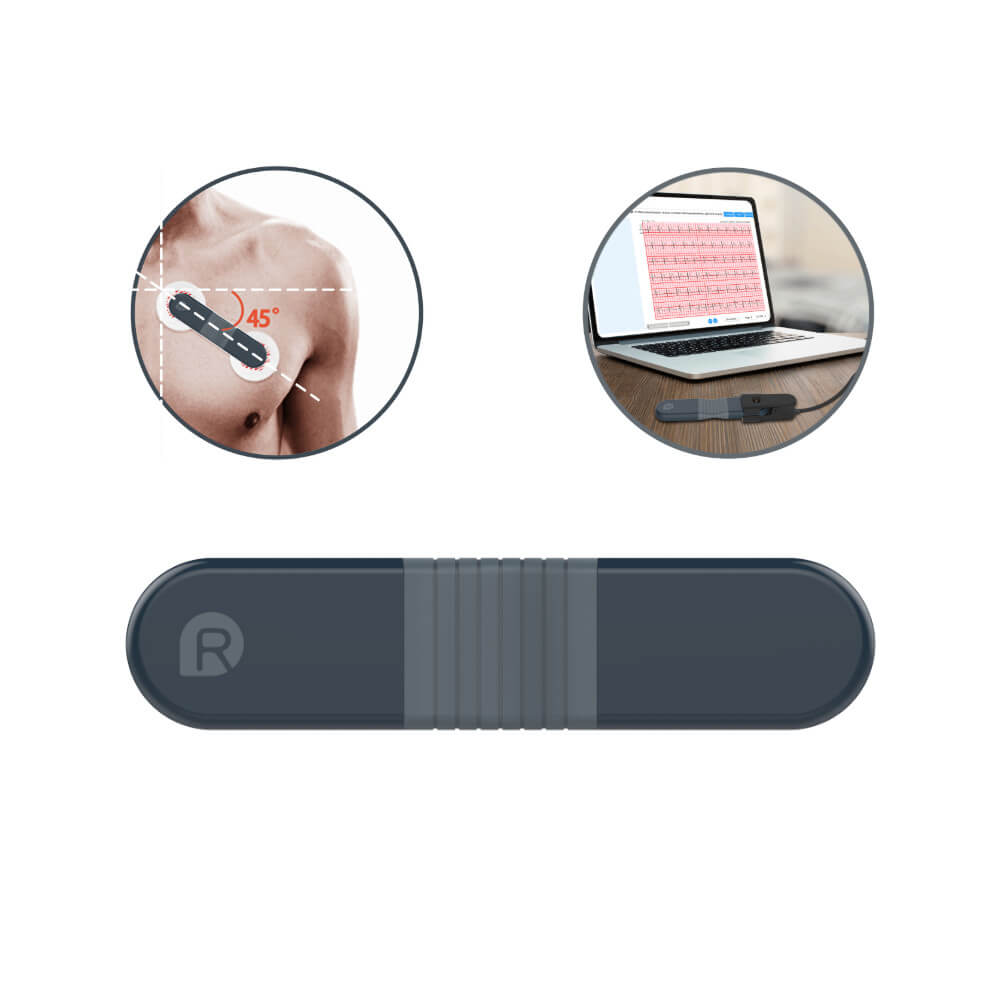
If you have unexplained palpitations, skipped beats, or light-headedness that occur unpredictably, a medium or long-term monitor (14 or 30 days) may provide crucial diagnostic data. Home monitors like the 12 Channel Holter Monitor and 24-Hour ECG Monitor offer clinical-style recordings at home, ideal for capturing arrhythmias missed during in-clinic tests.
Not for: Continuous Monitoring Needs or Diagnosed Arrhythmias
If you already have a diagnosed arrhythmia or need indefinite, continuous monitoring (such as for implanted device management), short-term external monitors are not suitable. Discuss long-term solutions with your healthcare provider.
Heart Monitor Duration: What Does 7, 14, or 30 Days Capture?
Why Recording Length Matters
The main reason to choose a longer monitoring period is to increase the statistical odds of detecting an irregular rhythm (arrhythmia) that doesn't happen every day. For example, a 7-day monitor gives you a window to capture symptoms that occur several times a week, while a 30-day event monitor is better for symptoms happening once or twice a month. Research and clinical experience suggest longer monitoring increases diagnostic yield, but at the cost of comfort and practicality.
Adhesive Wear: Comfort and Skin Impact Over Time
Most patch-style monitors use medical adhesives that can cause irritation, especially after 7–14 days. Users often report redness, itching, or even blisters with extended use, especially if skin is sensitive. Consider your personal skin tolerance when selecting duration, and ask your provider about hypoallergenic options if needed.
Marking Events: How Long Is Enough for Rare Symptoms?
If your symptoms are very rare or random, longer monitoring maximizes chances of identifying a pattern. Monitors with event buttons (to mark symptoms) are especially useful in these cases, as they help clinicians match symptoms with heart rhythm changes. Always note any symptom in the monitor's diary or app for accurate reporting.
Product Comparison: Holter, Patch, and Event Monitors
Device Types by Monitoring Period
- Holter monitors: Traditionally 24–72 hours; multi-lead, detailed, but more wires.
- Patch monitors: 7–14 days; adhesive, wireless, simpler to wear, but risk of skin fatigue for longer terms.
- Event monitors: Up to 30 days; user-activated or automatic, less continuous data but good for rare events.
Decision Table: 12 Channel Holter Monitor vs 24-Hour ECG Monitor
| Product | Duration | Features | Pros | Cons | Best For | Actions | Actions |
|---|---|---|---|---|---|---|---|
| 24 hours (extendable with provider) | Multi-lead ECG, robust data, downloadable report | Detailed rhythm analysis, clinical-grade data | Setup required, multiple electrodes | Users needing comprehensive data in a short period | |||
| 24–72 hours | Portable, continuous ECG, AI analysis, app export | Portable, easier setup, continuous rhythm capture | Learning curve, not multi-lead | Users wanting longer but simpler home ECG monitoring |
Key Criteria: Data Quality, Setup, Report Access, Return Logistics
- Data quality: Multi-lead monitors provide richer information; single-lead is often adequate for rhythm screening.
- Setup: Holter monitors require more setup and care in electrode placement.
- Report access: Look for downloadable or app-based reports that can be shared directly with your clinician.
- Return logistics: Confirm how and when to return the device, and whether you are responsible for shipping or cleaning.
Evidence, Regulatory Status, and Methodology
How Data Was Gathered
This guide is based on FDA device listings, manufacturer instructions (Wellue), and clinical best practices for home ECG use. All recommendations prioritize devices that are listed or registered with regulatory authorities.
Regulatory Language: Clearance, Registration, and Approval
Always confirm a device's regulatory status. "FDA-cleared" means the device passed a formal review for safety and effectiveness for its intended use. "FDA-registered" or "listed" means it is on file but not formally reviewed for claims; this is common for many home monitors. Check the manufacturer's site or FDA database if in doubt.
Clinical Relevance: What Studies and Guidelines Suggest
Current clinical guidelines support longer monitoring for rare symptoms to improve diagnostic yield, but also recognize the increased risk of skin irritation and data overload.
Practical Limitations & What to Verify Before Buying
Device Setup and Adhesive Fatigue
- Can you manage the device setup yourself, or will you need assistance?
- Does your skin tolerate medical adhesives for extended periods?
Data Transmission, Battery Life, and Report Delivery
- Is the device rechargeable, or will you need to change batteries?
- How are results transmitted to your provider—via app, USB, or cloud?
- How quickly will you receive a summary or flagged events?
Return and Reuse: Shipping and Decontamination Logistics
- Are you responsible for shipping the device back?
- Is there a cleaning/decontamination protocol, or is it single-use?
Decision Rule: Matching Monitor Duration to Your Needs
- Choose 7 days if your symptoms are frequent and you want a quick, lower-maintenance experience.
- Consider 14 days if your symptoms are less frequent or unpredictable, and you can tolerate adhesive wear.
- Choose 30 days only if your symptoms are very rare and your clinician recommends extended monitoring, understanding the increased complexity and potential for irritation.
Balance your monitoring period with comfort, expected benefit, and the realities of device handling.
Frequently Asked Questions
- How do I decide between a 7-day, 14-day, or 30-day heart monitor? Match the monitoring period to your symptom frequency: frequent symptoms usually need only 7 days; rare symptoms may need 14 or 30 days.
- What is the difference between a Holter monitor, a patch, and an event monitor regarding duration? Holter monitors are typically 24–72 hours with multi-lead ECG; patch monitors provide 7–14 days, are wireless and adhesive; event monitors can run up to 30 days and are activated by symptoms.
- Will a longer monitoring period always detect more heart issues? Not always—longer periods increase chances for rare events but aren't guaranteed to find issues if symptoms don't occur during monitoring.
- What should I check before buying or using a home heart monitor for extended periods? Verify FDA regulatory status, adhesive tolerance, report delivery method, and return instructions.
- How do I handle adhesive issues during long-term monitoring? Use hypoallergenic patches if available, rotate sites if possible, and monitor your skin daily. Stop use and contact your provider if you develop significant irritation.
This article is for general educational purposes. Home ECG or rhythm monitors do not replace clinical care. Always consult your healthcare provider to interpret results or if you experience new or worsening symptoms.
Related reading
Sources and verification
Last checked: August 24, 2026
-
24/72-Hour ECG Monitor with Screen, Screen for Arrhythmias with AI Analysis – Wellue
Continuous ECG Monitoring and AI Insights on the Go Continuous ECG Monitoring and AI Insights on the Go See what a resting ECG may miss, and streamline the path to care. The Wellue ECG Recorder enables continuous at-home ECG monitoring, generates detailed reports, and lets you share flagged events with your doctor in advance.
-
Medical Devices | FDA
The .gov means it’s official.Federal government websites often end in .gov or .mil. Before sharing sensitive information, make sure you're on a federal government site. The site is secure. The https:// ensures that you are connecting to the official website and that any information you provide is encrypted and transmitted securely. An update on the Cyclospora outbreak available here.
-
High Blood Pressure - What Is High Blood Pressure? | NHLBI, NIH
An official website of the United States government Official websites use .gov A .gov website belongs to an official government organization in the United States. Secure .gov websites use HTTPS A lock ( A locked padlock ) or https:// means you’ve safely connected to the .gov website. Share sensitive information only on official, secure websites.
-
High blood pressure (hypertension) - Symptoms & causes - Mayo Clinic
High blood pressure is a common condition that affects the body's arteries. It's also called hypertension. If you have high blood pressure, the force of the blood pushing against the artery walls is consistently too high. The heart has to work harder to pump blood. Blood pressure is measured in millimeters of mercury (mm Hg). In general, hypertension is a blood pressure reading of 130/80 mm Hg or higher. The American College of Cardiology and the American Heart Association divide blood pressure into four general categories. Ideal blood pressure is categorized as normal.